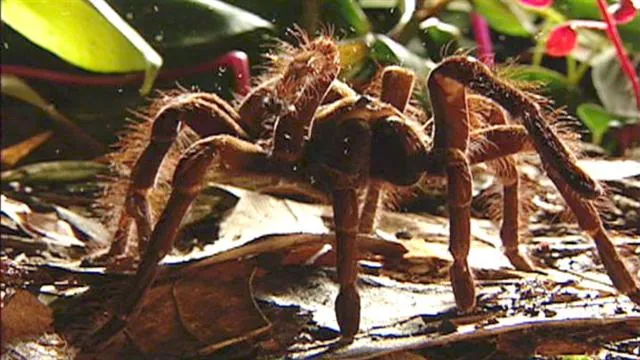
Goliath Tarantula Habitat Setup
Setting up the perfect habitat is the first step in ensuring your Goliath tarantula thrives. These magnificent creatures, known for their impressive size, require specific environmental conditions to live a long and healthy life. Creating a proper habitat not only meets their physical needs but also provides a stimulating environment that encourages natural behaviors. This guide will walk you through the essential aspects of creating a suitable home for your Goliath tarantula, from enclosure size and substrate to temperature, humidity, and providing hiding places. Remember, a well-designed habitat is crucial for your pet’s well-being.
Enclosure Size
The size of your Goliath tarantula’s enclosure is paramount. Due to their large size, they need ample space to move around and feel secure. A juvenile Goliath tarantula can start in a 10-gallon tank, but they quickly outgrow this. A fully grown Goliath tarantula needs at least a 20-gallon long or larger enclosure, or ideally a custom-built enclosure that provides more floor space. The enclosure should be secure with a tightly fitting lid to prevent escapes. Ensure there are proper ventilation holes to maintain airflow and prevent the buildup of humidity. Overcrowding can lead to stress, which can negatively affect their health and behavior. Consider the size of your tarantula’s potential size when selecting an enclosure.
Substrate Selection

The substrate serves multiple purposes, providing a comfortable surface, aiding in humidity regulation, and allowing your tarantula to burrow if it desires. A good substrate choice is crucial for a healthy habitat. A mixture of peat moss, coco fiber, and vermiculite is ideal. This combination retains moisture well, allows for burrowing, and is relatively easy to clean. Avoid substrates with sharp edges that could injure your tarantula. The substrate should be deep enough, typically 4-6 inches, to allow for burrowing and to help regulate humidity. Replace the substrate regularly to maintain cleanliness and prevent the growth of mold or bacteria. Always spot-clean the substrate to remove any waste or uneaten food.
Temperature and Humidity
Goliath tarantulas thrive in a warm, humid environment. Maintain a temperature between 75-85°F (24-29°C). A heat lamp or under-tank heater can help to achieve the appropriate temperature, but always monitor the temperature to prevent overheating. Humidity levels should be kept between 70-80%. You can monitor humidity with a hygrometer. To maintain the humidity, mist the enclosure with dechlorinated water a few times a week, depending on the ventilation and the substrate’s moisture retention. Ensure the enclosure doesn’t become overly saturated to avoid fungal growth. Proper temperature and humidity are crucial for the tarantula’s molting process and overall health. Consistent monitoring is key.
Providing Hiding Places
Goliath tarantulas are secretive creatures and need a place to retreat and feel secure. Providing ample hiding places is essential for their well-being. A large piece of cork bark, a half log, or a commercially available hideout is ideal. Ensure the hideout is large enough for the tarantula to comfortably fit inside. Position the hideout in a way that allows the tarantula to easily access it. This will minimize stress and allow them to feel safe in their enclosure. Hiding places allow the tarantula to regulate its body temperature and feel safe from potential threats. Providing a secure hideout is one of the most important elements of providing a stress-free environment.
Feeding Your Goliath Tarantula

Feeding your Goliath tarantula correctly is fundamental to its health and growth. They are voracious eaters and require a diet rich in nutrients to support their large size. Understanding the appropriate food items, frequency of feeding, and the importance of hydration will contribute to the health and happiness of your tarantula. This section covers everything you need to know about providing the right nutrition for your Goliath tarantula.
What to Feed
The diet of a Goliath tarantula primarily consists of insects. Crickets, cockroaches, and mealworms are all excellent choices, provided they are gut-loaded before being offered to your tarantula. Gut-loading involves feeding the insects nutritious foods like fruits, vegetables, and insect food for at least 24 hours before offering them to your tarantula. This ensures that the tarantula receives essential vitamins and minerals. You can also offer occasional treats like small mice or lizards, but these should be offered sparingly, as they are high in fat. Always remove any uneaten prey within 24 hours to prevent stress and potential mold growth. Ensure the prey insects are pesticide-free.
Feeding Frequency
The feeding frequency depends on the tarantula’s age and size. Juvenile tarantulas should be fed more often, perhaps two to three times per week. Adults can be fed less frequently, once every one to two weeks. Adjust the feeding schedule based on the tarantula’s appetite and body condition. A well-fed tarantula will have a plump abdomen. Avoid overfeeding, as this can lead to health problems. It’s also important to observe your tarantula’s behavior; a tarantula nearing a molt may refuse food for weeks. Always provide fresh water, even if your tarantula is not eating.
Watering and Hydration
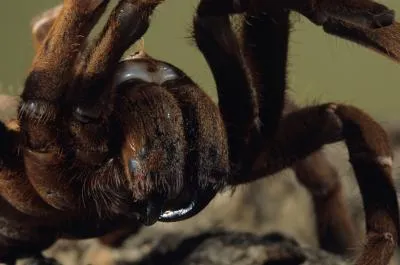
Water is crucial for a tarantula’s survival. Always provide a shallow water dish with fresh, clean water. Ensure the water dish is shallow enough to prevent the tarantula from drowning. The water dish should be easily accessible. In addition to the water dish, mist the enclosure regularly to maintain humidity and provide a source of water droplets that the tarantula can drink from. Clean and refill the water dish regularly to prevent bacterial growth and keep the water fresh. A hydrated tarantula is a healthy tarantula; proper hydration is critical for the molting process.
Goliath Tarantula Molting Process
Molting is a natural and vital process for Goliath tarantulas. They shed their exoskeleton to grow, repair injuries, and eliminate parasites. Understanding the molting process, recognizing the signs of an upcoming molt, and providing appropriate care during and after the molt is essential for your tarantula’s health. Molting is an exciting and sometimes stressful time for these creatures.
Recognizing Pre-Molting Signs
Recognizing the signs that your Goliath tarantula is about to molt is essential. The tarantula will usually stop eating weeks or even months before a molt. The abdomen may appear darker, and the tarantula may become less active. They may start building a web mat, which is a sign they are preparing for the molt. Some tarantulas may also appear lethargic or spend more time hiding. Providing a stress-free environment during this period is important. Avoid disturbing the tarantula during this time. If you notice these signs, reduce handling and keep the enclosure environment consistent.
Caring During Molt

During the molting process, it is crucial to leave the tarantula undisturbed. Do not feed the tarantula. Maintain the correct temperature and humidity levels. The tarantula will typically flip onto its back during the molt. This process can take several hours. Avoid any disturbance during this vulnerable time. Do not attempt to assist the tarantula, as this can be dangerous and potentially fatal. Ensure there are no objects in the enclosure that could injure the tarantula during the molt. Maintain humidity levels to make the process easier.
Post-Molt Care
After the molt, the tarantula’s exoskeleton will be soft and vulnerable. It will take a few days for the exoskeleton to harden. Do not attempt to feed the tarantula until the fangs have hardened, usually about a week. Increase the humidity slightly after the molt. Provide fresh water. Once the fangs are hardened, you can resume feeding. Initially, offer small, soft prey items. Be patient, as the tarantula may not be interested in eating immediately. Observe your tarantula closely for any signs of distress or injury after the molt. Ensure you do not handle your tarantula for at least a week after the molt as its fangs are still hardening.
Health and Common Issues
Even with proper care, Goliath tarantulas can sometimes experience health problems. Understanding common issues, identifying diseases, and taking preventive measures can help ensure your tarantula lives a long and healthy life. Regular observation and awareness are key to early detection and treatment.
Identifying and Treating Diseases

Common health issues include parasites, fungal infections, and injuries. Symptoms such as loss of appetite, lethargy, unusual behavior, or physical abnormalities should be taken seriously. If you suspect your tarantula is sick, consult a veterinarian specializing in exotic animals. Some diseases are treatable with medication, while others may require supportive care. It is important to isolate sick tarantulas to prevent the spread of disease. Prevention, early detection, and prompt treatment are crucial for keeping your Goliath tarantula healthy. Research the symptoms before seeking expert advice.
Preventive Care
Preventative care is essential for a healthy tarantula. Maintain a clean and appropriate habitat. Provide a balanced diet. Ensure proper temperature and humidity levels. Avoid overhandling your tarantula, as this can cause stress. Regularly check your tarantula for any signs of illness or injury. Quarantine new tarantulas before introducing them to your collection. A healthy environment, appropriate diet, and vigilant observation are the best ways to prevent health problems and keep your Goliath tarantula thriving. Regularly clean and sanitize the enclosure, and replace the substrate.
Handling and Safety
Goliath tarantulas are large and possess potent venom. While their venom is not typically life-threatening to humans, their size and potential for a defensive bite mean that handling should be approached with caution and respect. Understanding safe handling practices and the tarantula’s behavior is paramount. The following tips will help keep you and your tarantula safe.
Safe Handling Practices

Handling should be kept to a minimum. Avoid handling unless absolutely necessary, such as for enclosure maintenance or health checks. Always handle the tarantula close to the ground or over a soft surface, in case it falls. Never force the tarantula to move or pick it up if it appears agitated or defensive. When handling, use gentle movements and avoid sudden motions. Wash your hands thoroughly before and after handling to prevent the spread of germs. Always supervise children when they are near the tarantula, and teach them proper handling etiquette. If bitten, wash the area immediately with soap and water and seek medical advice. Be aware of the risks.
Understanding Tarantula Behavior
Understanding your Goliath tarantula’s behavior is crucial for safe and responsible pet ownership. Pay attention to their body language, which can indicate their mood and intent. If the tarantula raises its front legs, this is often a defensive posture. Flicking hairs from the abdomen is another defense mechanism. Avoid provoking the tarantula. Learn to recognize signs of stress, such as rapid movement, or a tense posture. Respect their space and avoid sudden movements or loud noises near the enclosure. A calm, consistent approach will minimize the risk of bites and ensure a positive relationship. The more you observe your Goliath tarantula, the better you will understand its needs and behaviors, thus ensuring you can provide the best care.