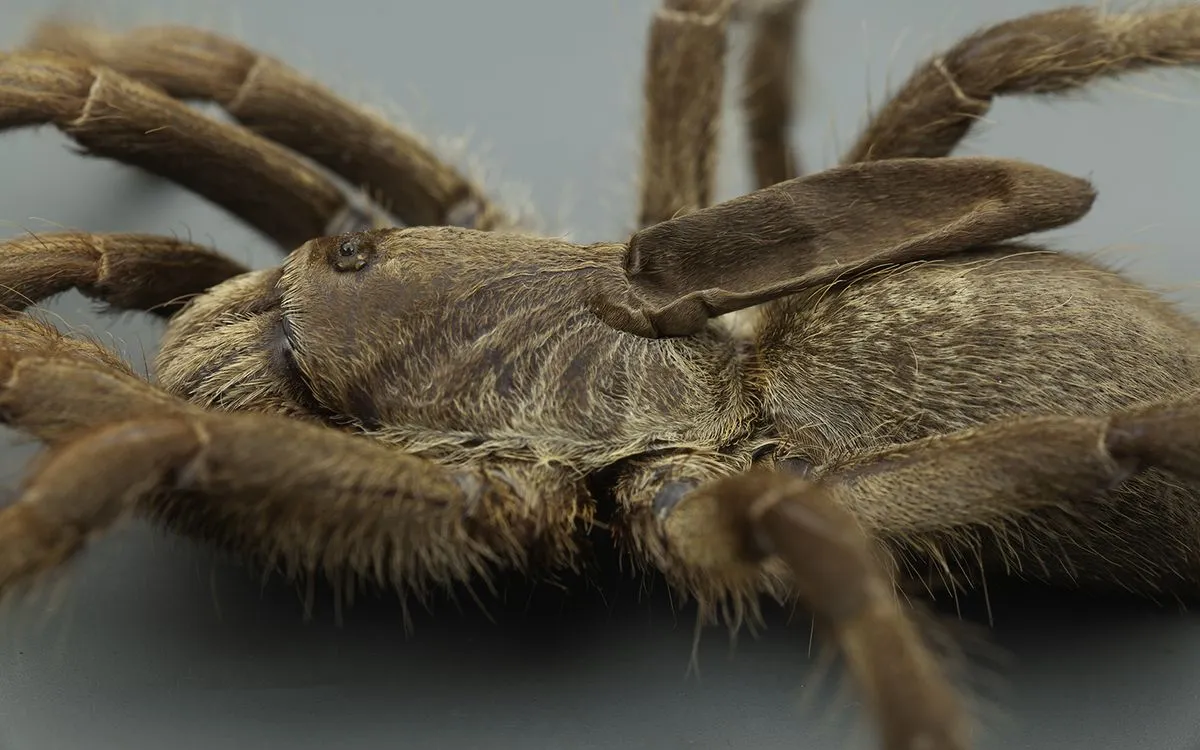
What is a Horned Tarantula?
The horned tarantula, scientifically known as Ceratogyrus, is a captivating species of spider that has captured the attention of arachnid enthusiasts worldwide. This fascinating creature is not only known for its unique horn-like protrusion on its carapace but also for its interesting behaviors and care requirements. Found primarily in the arid regions of Southern Africa, the horned tarantula is a terrestrial spider, meaning it spends most of its time on the ground, constructing burrows for shelter and hunting. Its striking appearance and intriguing life cycle make it a popular choice for both experienced and novice spider keepers. This article will delve into five amazing facts about the horned tarantula, exploring its characteristics, habitat, behavior, and the essential aspects of its care. Understanding these facts will provide a deeper appreciation for this remarkable species and contribute to responsible pet ownership.
Appearance and Identification
The most distinctive feature of the horned tarantula is, of course, the horn. This prominent, horn-like structure is located on the carapace, the top part of its cephalothorax. The size and prominence of the horn can vary slightly depending on the individual tarantula and its species. In addition to the horn, these tarantulas have a robust build with thick legs, well-suited for burrowing and navigating their environment. Their coloration is typically a blend of browns, tans, and sometimes reddish hues, providing excellent camouflage against the arid landscapes they inhabit. Identifying a horned tarantula also involves noting the overall size and shape of the spider, as well as the presence of other physical features, such as the arrangement of the eyes and the presence of urticating hairs on the abdomen, which they use as a defense mechanism.
Unique Characteristics

Beyond the horn, horned tarantulas possess a number of other unique characteristics that set them apart from other tarantula species. They are known for their relatively fast growth rate compared to some other tarantulas, allowing them to mature more quickly. Furthermore, they are known for their defensive behaviors, often exhibiting a threat posture when feeling threatened, and are quick to flick urticating hairs from their abdomen. Horned tarantulas are also known for their burrowing habits, which provide shelter from the harsh environments in which they live. Their ability to thrive in drier climates and their unique physical features contribute to their fascinating adaptations and survival strategies. Observing these characteristics in captivity is an engaging experience for the tarantula keeper.
Habitat and Distribution
Horned tarantulas are native to the semi-arid regions of Southern Africa, specifically countries like South Africa, Botswana, and Zimbabwe. The specific distribution of these spiders is closely tied to the availability of suitable habitats, including areas with sandy or loamy soils, which are ideal for burrowing. These tarantulas have adapted to survive in harsh conditions, including fluctuating temperatures and limited water sources. The habitats they occupy are typically characterized by sparse vegetation, rocky outcrops, and a relatively dry climate. Their ability to thrive in these environments underscores their resilience and adaptability as a species. The choice of their habitat is critical to their survival, and understanding their habitat needs is vital for their care in captivity.
Native Environment
The native environments of horned tarantulas are often characterized by open, arid landscapes with sparse vegetation and scattered rocks. These spiders prefer to live in burrows, which they construct in the ground to provide shelter from the sun, predators, and extreme temperature fluctuations. The soil type in these regions is often sandy or loamy, allowing for easy burrowing. The climate is typically hot and dry, with minimal rainfall throughout the year. Despite these harsh conditions, the horned tarantula has evolved to thrive in this environment, demonstrating remarkable resilience. Studying their native environment gives important clues to understand their life and needs.
Preferred Climate

Horned tarantulas prefer a climate that mirrors their natural habitat, with warm temperatures and relatively low humidity. The ideal temperature range for these spiders is between 75°F and 85°F (24°C and 29°C), which can be achieved with the use of a heat mat or a ceramic heat emitter. Humidity levels should be kept relatively low, around 50-60%, to prevent the build-up of mold or fungus in their enclosure. Proper ventilation is also crucial to maintain optimal conditions. Monitoring and maintaining the correct temperature and humidity levels are essential for the health and well-being of horned tarantulas in captivity. Ensure that the enclosure has a good thermal gradient to allow the tarantula to thermoregulate.
Diet and Feeding Habits
Horned tarantulas are voracious predators, feeding primarily on insects and other invertebrates in the wild. Their diet plays a crucial role in their growth and overall health. They are ambush predators, patiently waiting in their burrows or near the entrance, ready to pounce on any unsuspecting prey that ventures too close. In captivity, their diet can be carefully controlled to ensure they receive all the necessary nutrients. Understanding their feeding habits is crucial for the successful keeping of these fascinating creatures. The tarantula’s strong venom helps to immobilize its prey, which it then consumes by injecting digestive enzymes that break down the tissues.
What They Eat
In the wild, horned tarantulas feed on a variety of insects, including crickets, beetles, and other small arthropods. They are opportunistic feeders, meaning they will consume whatever prey is available. In captivity, their diet typically consists of commercially raised insects, such as crickets, mealworms, and roaches. The size of the prey should be appropriate for the size of the tarantula, with juveniles eating smaller insects. It is essential to provide a varied diet to ensure the tarantula receives all the necessary nutrients. Some keepers also supplement the diet with the occasional pre-killed insect to prevent potential injuries to the tarantula from live prey.
Feeding Frequency

The feeding frequency of horned tarantulas depends on their age and size. Juvenile tarantulas need to be fed more often, usually 2-3 times per week, to support their rapid growth. As they mature, the feeding frequency can be reduced to once or twice a week. It is important to monitor the tarantula’s abdomen to gauge its fullness. A well-fed tarantula will have a plump abdomen, while a hungry one will have a more slender abdomen. Always remove any uneaten food within 24 hours to prevent the growth of mold or mites in the enclosure. Providing fresh water in a shallow dish is also critical for their hydration.
Behavior and Temperament
Horned tarantulas exhibit a range of interesting behaviors, which can be observed both in the wild and in captivity. They are generally considered to be more defensive than some other tarantula species, and they may display a threat posture if they feel threatened. They are also known for their burrowing behavior, digging deep tunnels for shelter and protection. Understanding their behavior is important for responsible pet ownership. Their temperament can vary from individual to individual. Some horned tarantulas may be more docile, while others may be more prone to exhibiting defensive behaviors. Therefore, handling should always be done with caution.
Defensive Mechanisms
As a defense mechanism, horned tarantulas use a combination of behaviors. They may initially try to escape by retreating into their burrow. If they feel cornered or threatened, they will often raise their front legs and display their fangs in a threat posture. They also possess urticating hairs on their abdomen, which they can flick towards a perceived threat. These hairs are irritating to skin and can cause itching and discomfort. Understanding these defensive mechanisms allows keepers to handle their tarantulas safely and to anticipate their reactions to certain stimuli.
Interaction with Humans

While horned tarantulas can be kept as pets, they are not typically recommended for handling, especially by inexperienced keepers. They are relatively fast and can be prone to biting if they feel threatened. If handling is necessary, it should be done with extreme care and caution. It is important to create a safe and secure environment for both the tarantula and the keeper. The handling should be minimized to reduce stress on the animal and to minimize the risk of injury. Proper precautions must be taken to avoid any bites or the release of urticating hairs.
Conservation Status
The conservation status of horned tarantulas is an important aspect to consider. While not currently listed as endangered or threatened, it is important to monitor their populations in their natural habitats. Habitat loss due to deforestation and agricultural expansion poses a significant threat to their survival. Understanding the threats they face allows for conservation efforts to be implemented to help protect these fascinating creatures. Awareness about their conservation and habitat is critical to ensure their survival for future generations.
Threats to Survival
The horned tarantula faces several threats to its survival. Habitat loss is a major concern due to the expansion of agriculture, deforestation, and urbanization. The collection for the pet trade, although not currently at a severe level, can also impact wild populations. The impacts of climate change, such as changes in rainfall and temperature, could also threaten their habitats. Conservation efforts are needed to address these threats and ensure the survival of these unique spiders. Monitoring the population and the impact of different threats is important.
Conservation Efforts

Several conservation efforts can help protect the horned tarantula. These include habitat preservation and restoration, which involve protecting and restoring their natural environments. Promoting sustainable practices in the pet trade is essential to prevent over-collection from the wild. Raising public awareness about the importance of these spiders and the threats they face is crucial for gaining support for conservation efforts. Supporting organizations dedicated to arachnid conservation can also make a significant impact. By supporting conservation activities, everyone can play a role in preserving these remarkable spiders and ensuring their survival for generations to come.