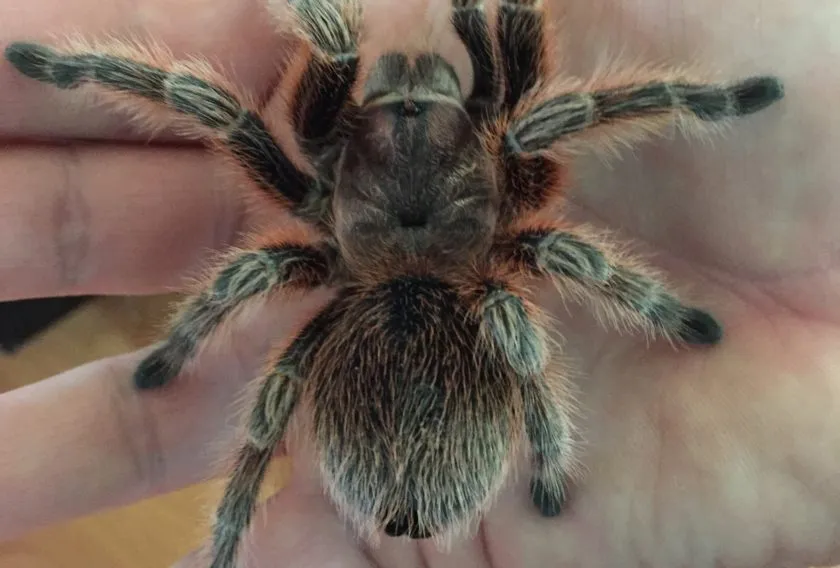
Chilean Rose Tarantulas (Grammostola rosea) are popular pets, known for their docile nature and relatively easy care requirements. One of the most crucial aspects of caring for these fascinating creatures is understanding their feeding needs. Knowing how often to feed your Chilean Rose Tarantula is essential for its health, growth, and overall well-being. This comprehensive guide will provide you with all the information you need to establish a proper feeding schedule, ensuring your tarantula thrives. From spiderlings to adults, we’ll cover the specific feeding requirements at each stage of their life, factors influencing their appetite, and best practices for feeding, giving you all the tips to become a successful tarantula owner.
Understanding the Chilean Rose Tarantula
Chilean Rose Tarantulas are native to the arid regions of Chile, Argentina, and Bolivia. In their natural habitat, they are opportunistic feeders, primarily consuming insects and occasionally small vertebrates. In captivity, their feeding habits are influenced by several factors, including their age, size, and the environmental conditions within their enclosure. These tarantulas are relatively slow-growing, and their feeding frequency and the amount of food they require changes throughout their lives. Understanding their natural history and biology is the first step toward providing the best possible care, including a well-considered feeding routine.
Metabolic Rate and Feeding Habits
The metabolic rate of a Chilean Rose Tarantula is a key factor in determining its feeding frequency. These tarantulas are ectothermic, meaning their body temperature is regulated by their environment. A warmer enclosure typically leads to a higher metabolic rate, increasing the need for food, while a cooler environment slows down their metabolism, decreasing their appetite. They also have a slow metabolism compared to other animals. They don’t need to eat frequently to survive. Their feeding habits are also influenced by the availability of food in their natural habitat. In captivity, we control their food supply, making it our responsibility to provide the right amount at the right time.
Age and Size of Your Tarantula

The age and size of your Chilean Rose Tarantula is the most significant factor determining its feeding schedule. Spiderlings, which are the youngest, need to be fed more frequently than adults because they are growing rapidly. As they mature, their growth rate slows down, and their feeding needs change accordingly. It’s crucial to adjust the feeding schedule as your tarantula grows to prevent overfeeding or underfeeding. Regularly monitor your tarantula’s size and body condition to determine if it’s receiving an appropriate amount of food. The goal is to provide enough nutrition to support healthy growth without causing obesity, which can shorten its lifespan and cause health problems.
Spiderling Feeding Guide
Spiderlings, the small tarantulas, require a more frequent feeding schedule to support their rapid growth. Newly hatched spiderlings should be fed every other day or every third day. The prey items should be appropriately sized; for spiderlings, this means small, flightless fruit flies or pinhead crickets. Ensure that the prey is smaller than the tarantula’s body length. Provide a few appropriately sized prey items per feeding. Remove any uneaten food within 24 hours to prevent mold and mites from developing in the enclosure. As the spiderling grows and molts, gradually increase the size of the prey to match their increasing size.
Juvenile Tarantulas Feeding Schedule
Juvenile Chilean Rose Tarantulas, those that are past the spiderling stage but not yet fully grown, still require regular feeding, but not as frequently as spiderlings. Feed juvenile tarantulas once or twice a week. The size of the prey should also increase as the tarantula grows. Appropriate prey includes small to medium-sized crickets, roaches, or mealworms. Monitor the tarantula’s abdomen; it should be rounded but not overly plump. Reduce feeding if you notice the tarantula is becoming too fat, and increase the feeding frequency if it appears underweight. Make sure fresh water is always available for the tarantula to drink.
Adult Chilean Rose Tarantulas Feeding

Adult Chilean Rose Tarantulas have the slowest metabolic rate and require less frequent feeding. Feed adult tarantulas once every one to two weeks. The size of the prey can now include larger crickets, roaches, or even small, pre-killed mice. Adult tarantulas can go for extended periods without food, sometimes several months, especially if they are in a cooler environment or approaching a molt. Always provide a dish of fresh water and monitor the tarantula’s abdomen. An adult tarantula should have a full abdomen after feeding and then gradually start to shrink as it digests its meal.
Factors That Influence Feeding Frequency
Several factors beyond age and size can affect how often you should feed your Chilean Rose Tarantula. It’s essential to understand these influences to provide the best possible care. The environmental conditions, such as temperature and humidity, the overall health of the tarantula, and even its behavior can play a role in its feeding habits. By paying close attention to these factors, you can fine-tune the feeding schedule to match your tarantula’s individual needs and preferences.
Temperature and Humidity
Temperature and humidity levels within the enclosure significantly influence a tarantula’s metabolic rate and appetite. Warmer temperatures increase metabolism, leading to a greater demand for food. In contrast, cooler temperatures slow down the metabolic rate, reducing the tarantula’s need for food. Maintain a temperature range of 75-85°F (24-29°C) for optimal health. Keep the humidity level between 60-70%. Adjust the feeding schedule accordingly; you might need to feed more frequently if the enclosure is kept warmer, and less often if it’s cooler. Proper ventilation is also essential to prevent mold and maintain the right humidity levels.
Pre-Molting Behavior

Chilean Rose Tarantulas, like all tarantulas, molt, shedding their exoskeletons to grow. During the pre-molting period, the tarantula’s appetite often decreases or disappears completely. They may become lethargic, refuse food, and spend more time in their hide. Avoid feeding a tarantula that is showing pre-molting signs, as the stress of digestion during this time can be harmful. After molting, wait a few days for the tarantula’s new exoskeleton to harden before resuming feeding. This waiting period allows the tarantula to gain strength and energy.
Proper Food and Feeding Techniques
Providing the right food and using appropriate feeding techniques is crucial for your Chilean Rose Tarantula’s health and well-being. Always source high-quality, live prey items, and follow safe feeding practices to avoid any potential risks. The well-being of your tarantula is highly dependent on these practices. Knowing the right food and how to provide the food is essential. Do not provide food that is dead. The food should be live. This ensures the tarantula can have a more natural hunting experience.
Selecting the Right Prey
The ideal prey for a Chilean Rose Tarantula consists primarily of insects. Crickets, roaches, mealworms, and super worms are excellent choices. The prey should be appropriately sized for the tarantula, meaning the prey should not be larger than the tarantula’s body. Variety in the diet is also beneficial, but avoid feeding your tarantula wild-caught insects, as they might carry parasites or pesticides. Ensure that the prey is gut-loaded before feeding, which means providing them with nutritious food, such as vegetables and commercial insect feed, to enrich the nutritional value of the meal for your tarantula. Supplementing the diet with occasional pre-killed mice can provide additional nutrients for adult tarantulas, but it should be used sparingly.
Feeding Techniques and Tips

Feeding your Chilean Rose Tarantula should be a stress-free experience. Here are some useful feeding techniques and tips to ensure your tarantula eats safely and efficiently. Use long tongs to offer prey items to the tarantula. This keeps your hands a safe distance from the tarantula’s fangs. If the tarantula doesn’t eat the prey within 24 hours, remove it from the enclosure to prevent stress. Always have a shallow dish of fresh water available for your tarantula. Provide the tarantula with a hide or burrow to feel secure while feeding. Observe the tarantula during feeding, and take note of its eating habits and preferences to adjust the feeding schedule as needed.
Common Feeding Mistakes to Avoid
There are common mistakes that tarantula keepers often make, that can negatively impact the health of their pets. Being aware of these potential pitfalls is essential to providing the best care. Avoid overfeeding or underfeeding, feeding during the pre-molt stage, and providing the wrong types of food. By learning from these common mistakes, you can ensure a healthier and happier life for your Chilean Rose Tarantula. Always do research and gain knowledge before keeping any pets. This will help provide a better experience for both you and your pet.
Overfeeding
Overfeeding a Chilean Rose Tarantula can lead to obesity, which stresses the tarantula’s system and shortens its lifespan. The abdomen should be rounded but not excessively plump. If you notice your tarantula has a large, bulging abdomen, reduce the feeding frequency or offer smaller prey items. Too much food can also cause health issues. Always be mindful of the amount of food you give the tarantula. It’s always best to err on the side of caution, and offer less food. Monitor your tarantula’s activity levels and overall health to ensure you are not feeding it too much.
Underfeeding

Underfeeding can lead to malnutrition and stunted growth. If the tarantula appears thin or lethargic, increase the feeding frequency or offer larger prey items. However, do not drastically change the feeding schedule. Make gradual adjustments to monitor how the tarantula reacts to the changes. Regular observation is key. Make sure to watch for signs of the tarantula not eating. Sometimes there are other problems that can cause it. If you are not sure, then consult a veterinarian for assistance to prevent further health issues.
Conclusion
Knowing how often to feed a Chilean Rose Tarantula is a vital aspect of providing proper care. By considering factors like age, size, metabolism, and environmental conditions, you can establish a suitable feeding schedule tailored to your tarantula’s specific needs. Always remember to prioritize observation, adjust the feeding routine as necessary, and provide fresh water and a secure environment. With the right knowledge and a little care, you can ensure your Chilean Rose Tarantula lives a long, healthy, and fulfilling life. With these tips, you can maintain a healthy environment for your tarantula.