
Understanding Tarantula Spiderlings Feeding Needs
Caring for tarantula spiderlings involves understanding their specific needs, and one of the most crucial aspects is their feeding schedule. Unlike adult tarantulas that can go for extended periods without food, spiderlings require a more frequent and carefully managed diet to support their rapid growth. The frequency and amount of food you provide directly impact their health, growth rate, and overall well-being. A well-fed spiderling is a healthy spiderling, and learning the intricacies of their feeding habits is essential for any aspiring tarantula keeper. This guide will help you navigate the often-asked question of ‘how often to feed tarantula spiderlings’ and ensure your little arachnid thrives.
Factors Affecting Feeding Frequency
Several factors influence how often you should feed your tarantula spiderling. Recognizing these elements will allow you to customize your feeding plan to meet the specific requirements of your pet. It’s not a one-size-fits-all approach, and adjustments are needed based on the spiderling’s individual circumstances. The key is observation and flexibility. By monitoring the spiderling and its environment, you can fine-tune the feeding schedule for optimal results.
Spiderling Size and Growth Stage

The size and stage of development are the most critical factors influencing the feeding schedule. Newly hatched spiderlings, often referred to as instars, have small abdomens and high metabolic rates. They need to feed more frequently, typically every 2-3 days, to support their initial growth. As they molt and grow, their feeding frequency can be adjusted. Larger spiderlings can be fed less often, perhaps every 4-7 days. The goal is to provide enough nutrition to fuel growth without overfeeding. Be sure to keep a close eye on your tarantula’s size, using it to guide the frequency of feeding.
Environmental Conditions
Environmental conditions such as temperature and humidity also play a role. Higher temperatures typically increase a spiderling’s metabolism, leading to a greater need for food. In these conditions, you might need to feed more frequently. Conversely, cooler temperatures can slow down their metabolism, requiring less frequent feedings. Humidity levels can also indirectly affect feeding, as proper hydration supports molting and overall health. Ensure the environment you provide aligns with your tarantula’s species-specific needs. This will ensure optimal conditions for growth and health. Proper environmental maintenance is a critical part of spiderling care.
Prey Availability and Type
The type and availability of prey are also significant. Spiderlings should be offered appropriately sized prey items. For instance, fruit flies or small pinhead crickets are suitable for tiny spiderlings, while larger spiderlings can handle slightly larger prey, such as small crickets or mealworms. The nutritional content of the prey is also important; ensure a varied diet to provide essential nutrients. The availability of prey is also crucial. Ensure you have a steady supply of suitable food items to prevent interruptions in your feeding schedule. The right prey type, size, and availability greatly influence the spiderling’s feeding habits.
Top 5 Feeding Tips for Tarantula Spiderlings

To ensure your tarantula spiderling thrives, consider these top 5 feeding tips. These guidelines are designed to help you establish a feeding routine that supports healthy growth and development. Combining observation and these insights will help you become a successful tarantula keeper.
Tip 1: Observe Your Spiderling
The best way to determine how often to feed your spiderling is to observe its behavior. Look for signs of hunger, such as actively searching for food or positioning itself near the entrance of its burrow. Also, note its activity levels and overall health. Regular observation provides valuable insights into its needs and can help you adjust the feeding schedule as necessary. When you consistently observe your tarantula, it will be easy to recognize and address any issues that may arise.
Tip 2: Adjust Based on Abdomen Size
A spiderling’s abdomen is a good indicator of its feeding needs. If the abdomen appears plump and round, it has likely eaten recently and might not need another meal immediately. A slightly shrunken abdomen suggests it’s time for a feeding. Avoid overfeeding; a spiderling’s abdomen should never be excessively large. By monitoring the size of your spiderling’s abdomen, you can regulate feeding frequency and maintain their health.
Tip 3: Offer Appropriately Sized Prey
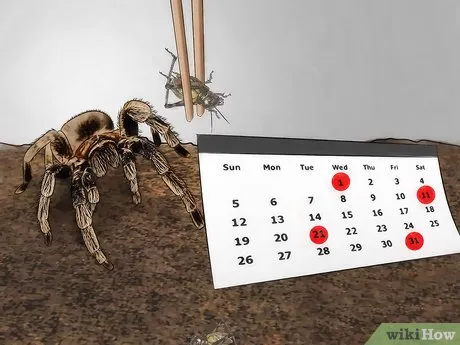
The size of the prey you offer is essential. The prey should be small enough for the spiderling to handle and consume easily, but large enough to provide adequate nutrition. As the spiderling grows, you will need to increase the size of the prey items. Avoid prey that are too large, as this can stress the spiderling and potentially injure it. When in doubt, it’s better to err on the side of offering smaller prey items and provide them more frequently.
Tip 4: Remove Uneaten Prey
Always remove any uneaten prey within 24 hours. Leaving prey in the enclosure can stress the spiderling and potentially harm it. Uneaten prey can also introduce unwanted pests or diseases to the enclosure. Keeping the environment clean and safe is a top priority. Regular cleaning and prey removal ensure a healthy living space and support the spiderling’s overall well-being. Maintaining a clean enclosure is crucial for your pet’s health.
Tip 5: Provide Fresh Water
Fresh, clean water is essential for spiderling health. Provide a shallow water dish or moist substrate. Regularly check and replenish the water to ensure it’s always available. Proper hydration supports all bodily functions, including digestion and molting. Water is just as crucial as food; always prioritize the provision of fresh water. Without it, a spiderling’s health will deteriorate quickly.
Common Feeding Mistakes to Avoid

Avoiding common mistakes can significantly impact the well-being of your tarantula spiderling. Being aware of these pitfalls can help you adjust your practices to improve your tarantula’s health and longevity. Education and diligent observation are the best tools against these common errors.
Overfeeding
Overfeeding is a frequent mistake. Providing too much food can stress the spiderling and lead to health problems, such as a ruptured abdomen during molting or a shorter lifespan. It is better to feed less often than to overfeed. Regularly check the abdomen size and reduce the frequency if the spiderling appears overly plump. Careful observation will prevent this common mistake.
Feeding Incompatible Prey
Feeding the wrong type of prey can be detrimental. Always ensure that the prey items are safe and appropriately sized for the spiderling. Avoid wild-caught insects, as they may carry pesticides or parasites. Also, never feed any prey that is larger than the spiderling’s body. Use reputable sources for your feeder insects. This will help protect your tarantula from harm.
Neglecting Water Supply

Neglecting the water supply is a serious mistake. Dehydration can be fatal to spiderlings. Ensure there is always a source of fresh, clean water. Regular checks and refills of the water dish are crucial. This seemingly minor detail is very important. Always provide a readily accessible water source to safeguard the well-being of your tarantula.
Conclusion
Understanding how often to feed tarantula spiderlings is a key part of providing optimal care. The ideal feeding schedule depends on various factors, including the spiderling’s size, environmental conditions, and the type of prey available. By following the tips outlined in this guide, you can create a feeding plan tailored to your spiderling’s needs, promoting healthy growth and longevity. Regular observation, attention to detail, and a commitment to providing proper care will help you enjoy your tarantula for many years to come.