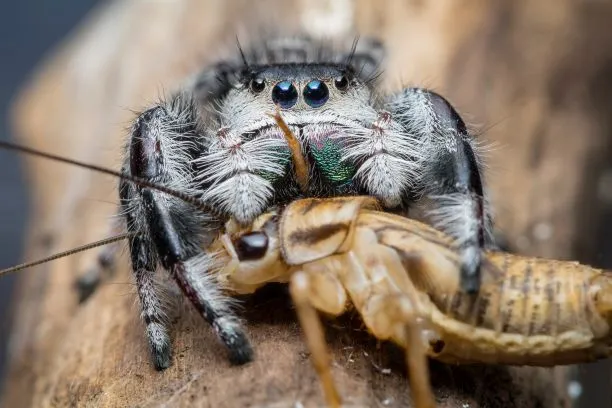
Tarantulas Overview
Tarantulas, with their impressive size and hairy appearance, are fascinating creatures. These arachnids, belonging to the Theraphosidae family, are found in various habitats around the world, from tropical rainforests to arid deserts. Understanding how these spiders eat their prey is key to appreciating their survival strategies. Unlike many other spiders, tarantulas are relatively long-lived, with some species living for over 20 years in captivity. Their size, ranging from a few inches to over a foot in leg span, allows them to take down a variety of prey items, making them effective predators in their ecosystems. This guide will delve into the intricate process of how tarantulas hunt, capture, and consume their meals.
Tarantula Anatomy and Feeding
The anatomy of a tarantula is perfectly adapted for its predatory lifestyle. Their bodies are divided into two main parts: the cephalothorax (prosoma), which combines the head and thorax, and the abdomen (opisthosoma). The cephalothorax houses the tarantula’s brain, eyes, mouthparts, and legs. The abdomen contains the heart, digestive system, and reproductive organs. Understanding the key components involved in feeding helps to appreciate the process. The tarantula’s chelicerae, or fangs, are crucial for injecting venom and grasping prey. Pedipalps, which resemble small legs near the mouth, are used to manipulate food and sense the environment. The entire structure is covered in a hard exoskeleton made of chitin, which provides protection and support.
Key Body Parts Involved

Several body parts play critical roles in the feeding process. The chelicerae, powerful and sharp, are used to inject venom and seize prey. The fangs, connected to venom glands, deliver a paralyzing or killing dose. Pedipalps, also called palps, help to hold and manipulate the prey during feeding. These leg-like appendages are also sensory organs, providing information about the prey’s size and movement. The mouthparts, or the area around the chelicerae and palps, are used to consume the liquefied meal. These body parts work in a coordinated manner, allowing the tarantula to effectively subdue and consume its prey. The tarantula’s anatomy is a testament to the efficiency of natural selection, allowing it to thrive in its ecological niche.
Understanding Tarantula Prey
Tarantulas are opportunistic predators, meaning they will eat whatever they can catch and subdue. The diet of a tarantula varies depending on its size, age, and the environment in which it lives. In the wild, they feed on insects, other arthropods, and even small vertebrates. Understanding the preferred prey of tarantulas is essential for proper care in captivity. It also gives insight into the behavior of these spiders in their natural habitats. The types of prey a tarantula selects are a great indicator of the ecological role that tarantulas play in their ecosystems.
Natural Prey Choices
Insects form the bulk of a tarantula’s diet, including crickets, mealworms, cockroaches, and grasshoppers. Larger tarantulas may occasionally consume small vertebrates like lizards, mice, or even small birds. The selection of prey can depend on the tarantula’s location and the availability of food sources. In a pet environment, a balanced diet consisting of various insects and prey items ensures the tarantula receives all the necessary nutrients. The choice of food can also impact the tarantula’s health and lifespan. The insects can be gut-loaded before being offered to the tarantula to provide enhanced nutritional value. This practice ensures the tarantula gets a well-rounded diet, just like it would in the wild.
Prey Size Matters

The size of the prey is critical for a tarantula. It must be manageable for the tarantula to subdue and consume. Typically, a tarantula will select prey items that are no larger than half its body size. Young tarantulas, or slings, eat smaller insects like fruit flies and pinhead crickets. As they grow, they can handle larger prey. It’s essential to match the prey size to the tarantula’s stage of life and size to avoid any potential hazards. Offering prey that is too large can stress the spider. On the other hand, too small of prey won’t provide sufficient nutrients. The right prey size is the sweet spot. Over time, experience teaches an owner about proper prey size.
The Hunt
Tarantulas are primarily ambush predators, relying on stealth and the element of surprise to catch their meals. They are not active hunters that chase their prey. Instead, they usually wait in their burrows or hiding spots, patiently anticipating the arrival of an unsuspecting insect. The hunt involves keen senses and a well-planned strategy. The tarantula is designed for the chase. It is an efficient hunter.
Sensing Prey
Tarantulas have several ways of detecting potential prey. They have sensory hairs on their legs and bodies that can detect vibrations in the ground, which can alert them to the presence of insects or other animals nearby. They also have excellent eyesight, allowing them to spot movement. The combination of these senses enables the tarantula to locate prey efficiently. They are particularly sensitive to vibrations, which help them identify the type of prey, and its location. The sensory hairs give them a significant advantage during the hunt. They serve as an early warning system, ensuring they are ready to strike.
The Ambush Strategy

When a tarantula detects prey, it quickly and silently moves into position, ready to strike. It will wait for the right moment to attack. They will quickly pounce on the prey, using their fangs to inject venom. The ambush strategy is highly effective. The tarantula’s camouflaged appearance and patience also contribute to its hunting success. This strategy minimizes the risk of injury while maximizing the chances of a successful catch. The element of surprise is their most potent weapon in the wild, or in a terrarium. This method has been tested over millennia and proven to be very effective.
The Bite and Venom
The bite and the venom are essential components of a tarantula’s feeding strategy. The bite is the delivery mechanism, and the venom is the tool used to subdue the prey. The tarantula’s fangs penetrate the exoskeleton of the prey. Then, the venom does its work. The venom paralyzes the prey. It also begins the process of breaking down its tissues. The bite is quick, precise, and often unnoticed by the prey until it is too late. Understanding the composition and function of venom is critical to understanding tarantula feeding behavior.
How Venom Works
Tarantula venom is a complex mixture of enzymes and toxins. This venom serves two primary purposes: to immobilize the prey and begin the digestive process. The venom often contains neurotoxins that paralyze the prey, preventing it from escaping. It also contains enzymes that break down the internal tissues of the prey, essentially liquefying it for easier consumption. The potency of the venom varies among different species of tarantulas. Some species have a weaker venom, while others have a more potent one. The effect of the venom is typically rapid, allowing the tarantula to begin feeding quickly. Venom is key to their success.
The Digestive Process

Tarantulas have an external digestive process. They cannot chew their food. They must liquefy it before they can consume it. This process begins with the injection of venom. Once the prey is immobilized, the tarantula uses digestive enzymes to break down the internal organs and tissues. The liquefied meal is then sucked up. This unique feeding method is characteristic of spiders and other arachnids. Understanding how tarantulas digest their food is essential for appreciating their adaptation to their environment.
Liquefying the Meal
After the venom has subdued the prey, the tarantula uses digestive enzymes that it regurgitates onto the body of the prey. These enzymes begin to break down the prey’s internal tissues, turning them into a soupy, easily ingestible form. This process can take several hours, depending on the size of the prey and the tarantula. The tarantula may rotate the prey, ensuring all parts are exposed to the digestive enzymes. The goal is to liquefy all digestible parts of the prey.
Nutrient Absorption
Once the prey is sufficiently liquefied, the tarantula uses its mouthparts and pedipalps to suck up the nutrient-rich fluid. They have a specialized sucking stomach that acts as a pump. This allows them to extract as much nutrition as possible. Undigestible parts, such as the exoskeleton, are left behind. The tarantula absorbs all the essential nutrients from the prey, providing it with energy and building blocks for growth and maintenance. Efficient absorption is vital for the tarantula’s survival.
Post-Meal Behavior

After feeding, a tarantula often retreats to a safe place to digest its meal. It may take a few days or even weeks to fully digest the prey. During this time, the tarantula is vulnerable. It will not be as active. Its behavior after a meal can provide clues about its health and well-being. Understanding how a tarantula behaves after feeding can help to ensure proper care and maintenance in a pet environment. Their behavior is a telltale sign of the well being of the tarantula.
Factors Influencing Feeding Frequency
Several factors influence how often a tarantula needs to eat. Young tarantulas, or slings, require more frequent feeding to support their rapid growth. Adult tarantulas can often go for weeks or even months without eating, especially if they have a full abdomen. Other factors include the species of the tarantula, the temperature of their environment, and the availability of food. During molting, the tarantula will often refuse food. When the tarantula has molted, it’s important to wait a few days before resuming feeding, giving the new exoskeleton time to harden. Understanding these factors is crucial for responsible tarantula care.
Caring for Your Tarantula
Proper care is crucial for the health and well-being of a tarantula. This involves providing the right environment, a suitable diet, and regular maintenance. By understanding the needs of a tarantula, you can ensure that your pet thrives in captivity. Create an environment that resembles their natural habitat as closely as possible. This makes for a happy and healthy tarantula. Regular observation and appropriate feeding habits are key to a long and healthy life.
Providing the Right Environment

The ideal environment for a tarantula includes an appropriately sized enclosure, substrate, temperature, and humidity. The enclosure should be large enough for the tarantula to move around comfortably. The substrate, such as coco fiber or peat moss, should provide a place for the tarantula to burrow. Temperature and humidity levels should be maintained within the species’ specific requirements. Providing the right environment reduces stress. It also supports healthy behaviors. Regular monitoring ensures that the enclosure remains suitable for your pet tarantula.
Water and Hydration
Providing a clean water source is essential for tarantula health. A shallow water dish should always be available, allowing the tarantula to drink as needed. It’s also important to maintain the appropriate humidity levels in the enclosure. This helps the tarantula to stay hydrated and supports molting. The water dish should be cleaned regularly to prevent bacterial growth. Fresh, clean water is crucial for the tarantula’s overall health. Ensuring proper hydration is as vital as providing food.
Common Feeding Mistakes
Several common mistakes can negatively impact a tarantula’s health and well-being. These include overfeeding, underfeeding, and offering inappropriate prey items. It’s important to understand the potential pitfalls of improper feeding practices. Being informed helps to avoid these issues. This knowledge is important when providing proper care.
Overfeeding and Underfeeding
Overfeeding can lead to obesity and health problems. Underfeeding can cause malnutrition and stunted growth. Striking a balance is essential. The feeding frequency should be adjusted based on the tarantula’s age, size, and the type of species. Observe your tarantula and adjust the feeding schedule accordingly. Regularly monitor the abdomen size. This will help you determine if the tarantula is receiving the right amount of food.
Recognizing a Healthy Appetite
A healthy tarantula should have a good appetite. It should readily accept food. It may become less interested in food as it approaches a molt. The tarantula’s behavior and appearance provide clues about its health. If a tarantula consistently refuses food, or shows other signs of illness, such as lethargy or a bloated abdomen, it’s essential to consult with a veterinarian or an experienced tarantula keeper. Paying attention to the tarantula’s eating habits will ensure a long and healthy life.