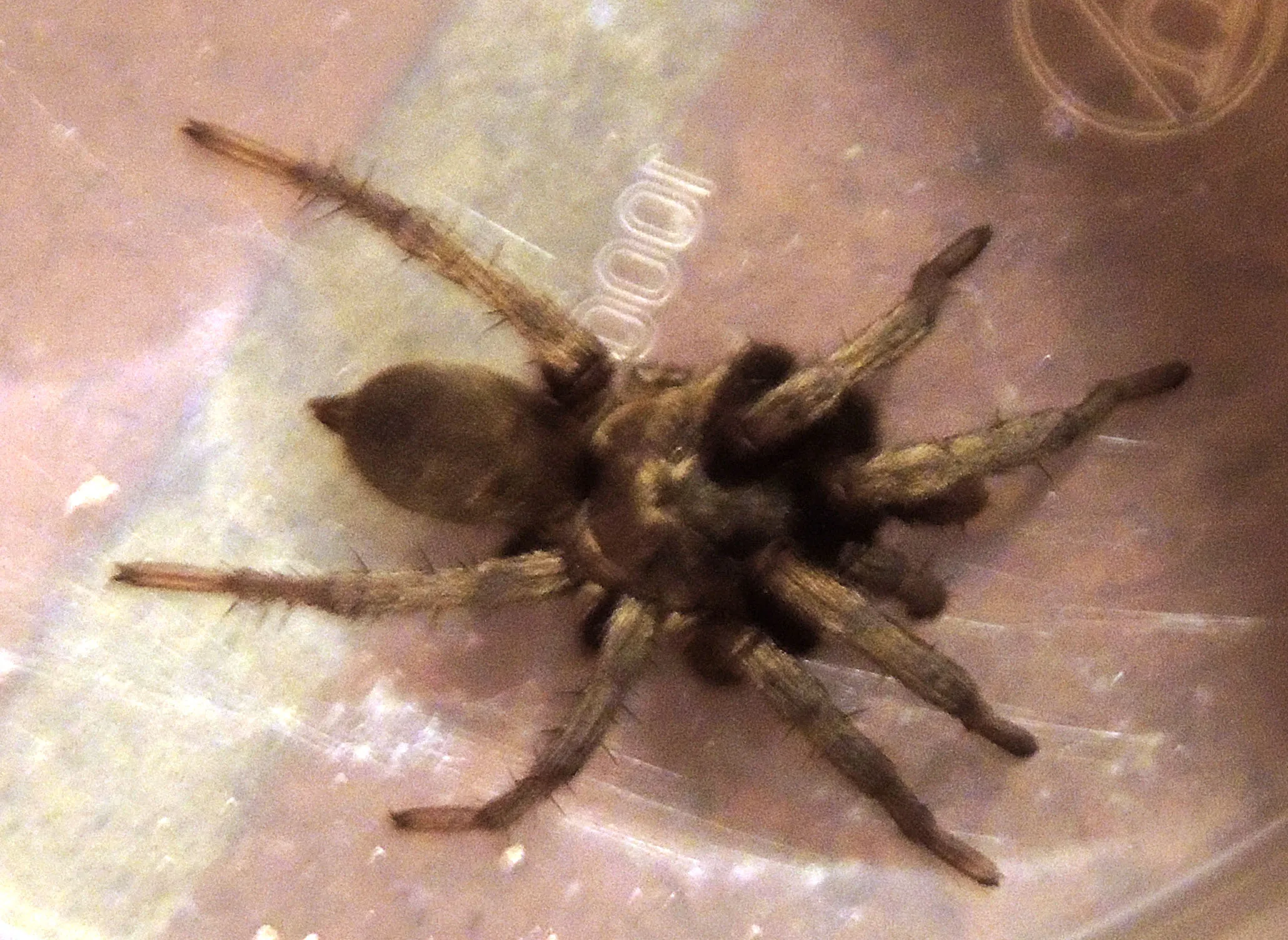
Understanding Bird-Catching Tarantulas
Bird-catching tarantulas, despite their name, rarely prey on birds. These formidable arachnids are among the largest spiders in the world, belonging to several species within the Theraphosidae family. They are impressive creatures, known for their size, hairy appearance, and the potent venom they possess. Understanding their behavior, habitat, and the challenges of catching them is crucial before attempting to interact with or capture one. The term “bird-catching” is more of a historical anecdote than a common occurrence; they primarily feed on insects, small reptiles, amphibians, and occasionally, small mammals. Catching one requires careful planning, respect for the animal, and adherence to safety guidelines.
Habitat and Behavior
Bird-catching tarantulas are found in tropical and subtropical regions, primarily in the Americas. Their habitats vary, ranging from rainforest floors to burrows in the ground. They are nocturnal hunters, active primarily at night, and generally ambush prey. They possess urticating hairs on their abdomen, which they can flick at perceived threats, causing irritation. Their behavior is largely solitary, with the exception of mating season. These tarantulas can live for many years, with females often living longer than males. When considering catching a bird-catching tarantula, observing its natural habitat is key to understanding its potential hiding places and behavior, which assists in a successful and safe capture.
Identifying Bird-Catching Tarantulas

Identifying a bird-catching tarantula can be a complex task due to the wide variety of species and individual variations. However, they are generally distinguished by their large size, hairy bodies, and prominent fangs. Coloration varies significantly between species, ranging from brown to black to vibrant hues of orange, red, or blue. It’s important to consult field guides or online resources for accurate species identification, as misidentification can lead to encounters with protected or dangerous species. Pay attention to the spider’s size, leg span, and overall appearance. The presence of urticating hairs, which appear as patches of fine hairs on the abdomen, is another distinguishing feature. When capturing a bird-catching tarantula, it is important to have a basic idea of the species you are encountering.
Equipment Needed to Catch a Bird-Catching Tarantula
Catching a bird-catching tarantula requires the appropriate tools and equipment to ensure your safety and the spider’s well-being. Proper equipment is essential for both the capture and subsequent handling of the tarantula. Attempting to catch one without the right gear can lead to injury or stress the animal unnecessarily. The following sections detail the specific items you will need and explain why they’re crucial for a successful, ethical capture. From the correct containers to protective clothing, each item plays a vital role in the process.
Essential Tools
Essential tools include a sturdy container with a secure lid for the tarantula, a long-handled tool (such as tongs or a wide-mouth jar attached to a stick) for handling the spider from a safe distance, and a small, soft brush for gently guiding it into the container. Ensure the container is large enough to prevent the spider from being cramped but small enough to make capture easy. The tongs or jar should be long enough to keep you out of the spider’s striking range. The soft brush helps gently guide the spider without causing it to become aggressive. Proper tools are essential for a successful capture.
Safety Gear

Safety gear is of utmost importance. Wear thick gloves to protect your hands from bites and urticating hairs. Long sleeves and pants are essential, and eye protection is highly recommended. A mask or bandana can help prevent inhalation of urticating hairs. Consider boots to protect your feet if the tarantula is on the ground. Never attempt to catch a tarantula without proper safety gear, as bites can be painful and potentially cause allergic reactions. Always prioritize personal safety during the capture process, even when interacting with other species. Safety first!
Step-by-Step Guide to Catching Bird-Catching Tarantulas
Catching a bird-catching tarantula involves several steps, from locating the spider to safely transporting it. Each step requires patience, caution, and a thorough understanding of the tarantula’s behavior. Avoid any sudden movements or actions that may frighten the spider, increasing the risk of a defensive response. The goal is to capture the spider with minimal stress to the animal while ensuring your own safety. Always prioritize the animal’s welfare and your own. Follow these steps for the capture.
Locating the Tarantula
Finding a bird-catching tarantula involves careful observation of its habitat. Look for burrows, which are often indicated by a small mound of excavated soil or webbing. These spiders are often found under rocks, logs, or in areas with dense vegetation. The best time to locate a tarantula is at dusk or during the night when they are most active. Use a flashlight, but be cautious not to shine it directly into the spider’s face, as this can startle it. Keep a safe distance until you can assess the situation.
Approaching the Tarantula

When approaching a bird-catching tarantula, move slowly and deliberately. Avoid making loud noises or sudden movements. Assess the spider’s posture to determine its mood. If it is in a defensive posture (rearing up or displaying its fangs), it is best to leave it alone. If the spider is calm, slowly position your container near the spider. Do not attempt to grab or handle the spider directly, as this can lead to a bite. Always ensure that you have an escape route in case the tarantula becomes agitated.
Methods of Catching
The most humane way to catch a bird-catching tarantula is to gently coax it into your container using a long-handled tool or brush. Carefully place the container near the spider and gently guide it inside with the brush. Avoid touching the spider directly at all costs. If the spider is in a burrow, you may need to gently encourage it out with a long stick or by carefully excavating the burrow. Once the tarantula is inside the container, quickly and securely place the lid on. Be mindful of the spider’s movements during this process, ensuring that it cannot escape or harm you.
Post-Catching Procedures
After successfully catching a bird-catching tarantula, several important steps must be taken to ensure its well-being and your safety. From providing temporary housing to transporting the spider, each action is critical. The following sections describe the procedures to follow, covering the immediate needs of the spider and the ethical considerations that should guide your actions. These procedures emphasize humane treatment, respect for the animal, and adherence to safety protocols.
Temporary Housing

Once the tarantula is captured, provide it with a temporary housing solution. The container used for catching can be used, provided it is appropriately sized and well-ventilated. Place a few leaves, a small piece of bark, or some substrate in the container to provide shelter. Ensure the lid is secure, and avoid direct sunlight or extreme temperatures. Monitor the tarantula closely for signs of stress or agitation. The temporary housing should be a safe and comfortable place for the tarantula while it awaits relocation or further handling. The goal is to minimize stress and provide a secure environment.
Transporting the Tarantula
Transporting a bird-catching tarantula requires care and planning. Ensure the container is secure and well-ventilated. Avoid exposing the container to extreme temperatures or direct sunlight during transport. If you are transporting the spider a long distance, consider adding a small amount of damp paper towel to the container to maintain humidity. Handle the container carefully to avoid sudden movements or jostling. Upon arrival at the destination, transfer the tarantula to a more permanent enclosure or release it back into its natural habitat if appropriate. The goal is to transport the tarantula safely and minimize stress during transit.
Ethical Considerations
When catching a bird-catching tarantula, it’s crucial to consider the ethical implications. Before attempting to catch a tarantula, determine if it is legal in your area. Always prioritize the spider’s welfare and avoid unnecessary stress or harm. Minimize the time the tarantula spends in captivity. If you are not a trained professional, the best course of action is to observe the tarantula from a safe distance. Respect the animal’s natural habitat and avoid activities that could harm the environment. Consider consulting with a wildlife expert before handling or capturing the tarantula, particularly if you are unsure of the species or local regulations. Prioritize animal welfare!