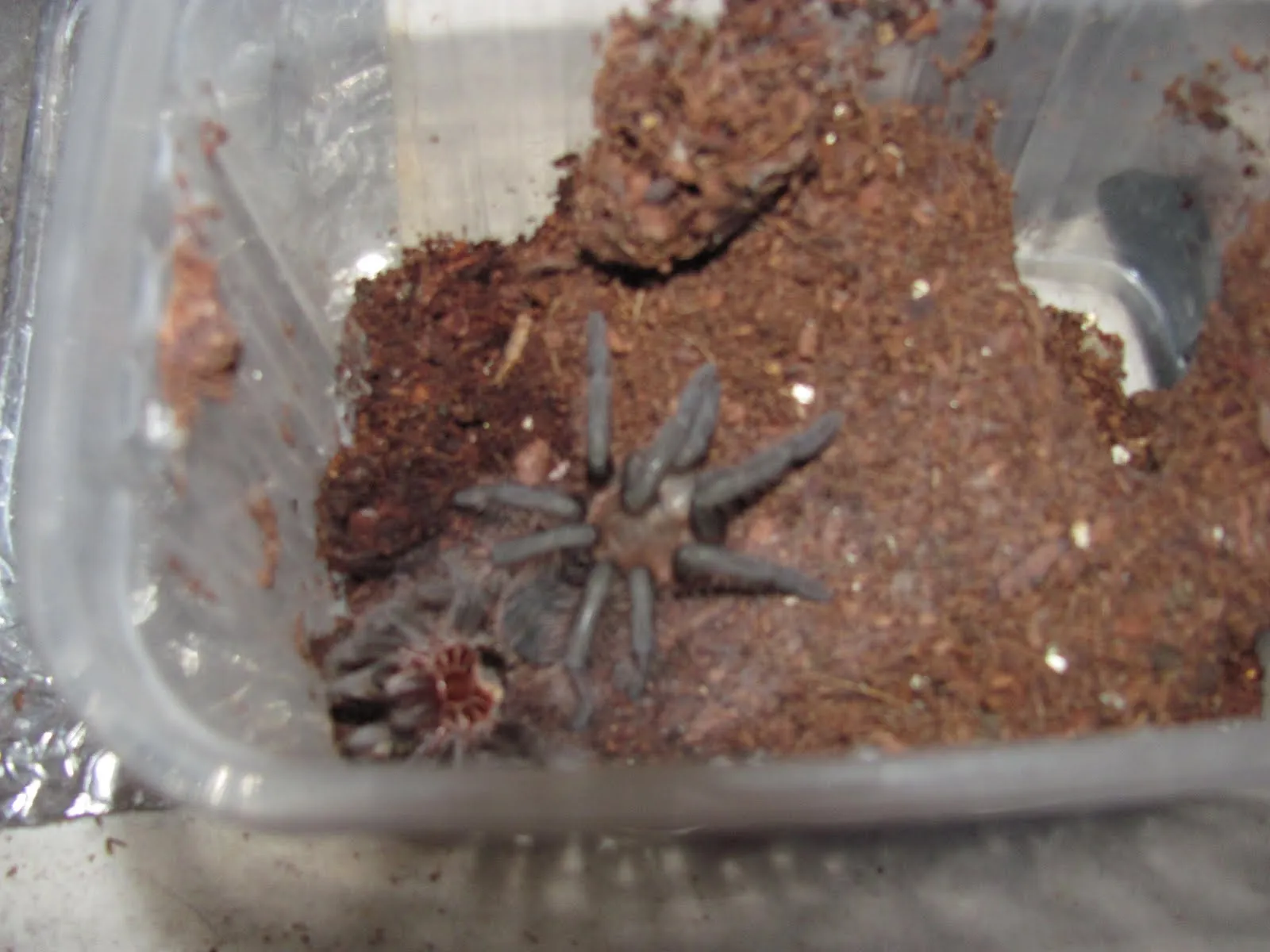
What is a Rose Hair Tarantula Molt?
Before diving into the artistic process, it’s essential to understand what a tarantula molt is. A molt is essentially the shedding of a tarantula’s exoskeleton. Unlike humans who grow from the inside, tarantulas grow by shedding their outer shell, which is like a suit of armor. This process allows the tarantula to grow bigger. The old exoskeleton splits open, and the tarantula emerges, soft and vulnerable, with a new, larger exoskeleton beneath. A Rose Hair Tarantula, scientifically known as Grammostola rosea, is a popular pet tarantula known for its docile temperament and beautiful appearance. Witnessing a molt is a fascinating experience for any tarantula owner or enthusiast, and capturing the intricate details of a molt in a drawing is a rewarding artistic challenge.
The Importance of Molting for Tarantulas
Molting is a vital part of a tarantula’s life cycle, playing several crucial roles. Firstly, it’s how the tarantula grows. Each time a tarantula molts, it sheds its old, restrictive exoskeleton and reveals a new, larger one underneath. This allows the tarantula to increase in size. Secondly, molting allows for regeneration. If a tarantula loses a leg or other body part, it can regenerate it during a molt. The new limb will gradually grow back with each successive molt. Finally, molting helps to remove parasites and maintain overall health. The old exoskeleton can harbor parasites or debris, and shedding it keeps the tarantula clean and healthy. Understanding the significance of molting provides a deeper appreciation for the subject you’ll be drawing.
How Often Do Rose Hair Tarantulas Molt?

The frequency of molting varies significantly depending on the tarantula’s age and other factors. As spiderlings, Rose Hair Tarantulas molt quite frequently, sometimes every few months, as they are rapidly growing. However, as they mature, the molting frequency decreases. Adult Rose Hair Tarantulas may only molt once a year, or even less frequently. It is crucial to observe your tarantula’s behavior and appearance to determine when a molt is approaching. Signs include a change in color (often becoming duller), a refusal to eat, and a tendency to create a web mat in preparation for the molt. Patience is a virtue when drawing a molt, as it can be a lengthy process, both in the tarantula’s life and in the artistic representation.
Factors Influencing Molting Frequency
Several factors can influence how often a Rose Hair Tarantula molts. Understanding these factors can help you better interpret your tarantula’s molting cycle and inform your drawing. The main factors include age, feeding habits and environmental conditions. The younger the tarantula, the more frequently it will molt. As tarantulas mature, the molting frequency slows down. A well-fed tarantula is more likely to molt regularly, as it has the resources to grow and shed its exoskeleton. However, overfeeding can sometimes lead to health problems. Optimal environmental conditions, such as appropriate temperature and humidity, support healthy growth and molting. Poor conditions can stress the tarantula and disrupt its molting cycle.
Age of the Tarantula
As mentioned, age is a primary factor. Spiderlings, or baby tarantulas, molt much more frequently than adults because they are growing rapidly. They may molt several times in their first year of life. Sub-adults (younger than adults but larger than spiderlings) will molt less frequently, typically every 6-12 months. Adult Rose Hair Tarantulas usually molt once a year, or even less often, depending on various other factors like feeding and environment. This age-related variation is a key consideration when you’re planning your drawing and choosing a reference image – a young spiderling’s molt will appear different from an adult’s.
Feeding Habits

Feeding habits play a critical role. A well-fed tarantula, provided with a consistent supply of nutritious food, will generally molt more regularly. Adequate nutrition supports healthy growth, which in turn triggers molting. The tarantula needs sufficient energy to form a new exoskeleton. However, it’s important not to overfeed. Overfeeding can lead to obesity and other health problems, which may negatively affect the molting process. Observe your tarantula’s feeding habits and overall body condition to get an idea of when a molt might occur. You might even use the molt itself as a visual marker of how the tarantula is doing.
Environmental Conditions
Environmental conditions are also important. Temperature and humidity levels within the tarantula’s enclosure should be maintained within the optimal range for the species. Temperature is generally between 75-85°F (24-29°C) and the humidity levels between 60-70%. Too much or too little humidity can hinder the molting process. If the environment is too dry, the old exoskeleton might not split properly. If it’s too humid, mold could form, harming the tarantula. Proper ventilation is also essential to prevent mold growth. Create an environment that will encourage molting and therefore a great subject for your drawing.
Drawing a Rose Hair Tarantula Molt Step-by-Step
Now, let’s get to the exciting part - learning how to draw a Rose Hair Tarantula molt! This guide will help you break down the process into manageable steps, even if you’re a beginner. Remember to be patient and enjoy the process. Drawing a complex subject like a tarantula molt can take time, but the result will be worth it. This tutorial will focus on capturing the unique textures, shapes, and details of the molt. The goal is to create a realistic and visually appealing artwork. The key is to start with the basics, and work your way up to adding intricate details. You can use your own Rose Hair Tarantula’s molt as a reference, or you can use images found online to practice.
Gather Your Supplies

Before you start, gather your essential drawing supplies. You’ll need a good quality drawing paper or sketchbook. A range of pencils with different hardnesses (e.g., HB, 2B, 4B) will be useful for varying the tones and creating depth. Consider a mechanical pencil for detailed work. You’ll also need an eraser, preferably a kneaded eraser, which can be molded to lift highlights and correct mistakes without damaging the paper. A blending stump or tortillon can help you smooth out the pencil strokes and create subtle gradients. If you want to add more detail, consider a fine-tipped pen or a set of colored pencils or watercolors for adding color and texture. Lastly, make sure you have a good reference image of a Rose Hair Tarantula molt. You can use photographs, or your own molt if you have one.
Sketching the Basic Shape
Start with a light sketch to establish the basic shape and pose of the molt. Look carefully at your reference image and observe the overall form, proportions, and posture of the molt. Use light pencil strokes (e.g., HB) to create a rough outline of the body, legs, and pedipalps (the small appendages near the mouth). Don’t worry about details at this stage; focus on capturing the general silhouette and pose. Remember, the exoskeleton will be in a collapsed or stretched state. Note how the legs are positioned and the angle of the body. The goal is to capture the essence of the molt’s shape. Ensure the proportions are accurate before moving on. This will act as a foundation for adding detail and realism. Take your time and make any necessary adjustments before refining your sketch.
Adding Details and Defining Features
Once you’re happy with the basic shape, begin adding details. This is where you’ll start to bring the molt to life. Use a slightly darker pencil (e.g., 2B) to define the segments of the legs and body. Look closely at your reference image and identify the various plates and structures on the exoskeleton. Add the eyes and the chelicerae (the fangs). Pay attention to the textures. The exoskeleton has a slightly bumpy and ridged surface. Use small strokes or dots to suggest the texture. Vary the pressure of your pencil to create variations in tone and depth. Avoid harsh lines; instead, use subtle shading to give the drawing a three-dimensional appearance. Regularly step back from your drawing to assess the proportions and details.
Shading and Texturing
Shading and texturing are key to creating a realistic drawing. Use a range of pencil grades (e.g., 2B, 4B) to add shadows and highlights, which will define the form and create a sense of volume. Observe where the light source is coming from and use it to guide your shading. The areas facing the light source will be lighter, while those in shadow will be darker. Use a blending stump or tortillon to smooth out the pencil strokes, create seamless gradients, and enhance the overall effect. Consider the different textures of the exoskeleton. Some parts may be smooth, while others may be rough and ridged. Use various techniques, such as hatching, cross-hatching, or stippling (using dots), to create these textures. Experiment with different techniques until you achieve the desired effect.
Finalizing the Drawing
Once you’ve added all the details, it’s time to finalize your drawing. Carefully review your work and make any necessary corrections. Refine the shading and texturing to enhance the realism. Erase any unnecessary guidelines or stray marks with a kneaded eraser. Check that the proportions are correct and all details are in place. If you’re using color, add it at this stage. Use colored pencils or watercolors to capture the subtle hues of the exoskeleton. Take your time and work carefully to ensure that every detail is captured. Sign and date your artwork to complete your drawing of the Rose Hair Tarantula molt. You can also scan or photograph your drawing to preserve it.
Common Mistakes to Avoid
When drawing a Rose Hair Tarantula molt, there are some common mistakes to avoid. One mistake is rushing the process. Take your time to observe the details and work carefully. Another mistake is using harsh lines. Instead, use subtle shading to create depth and volume. Avoid drawing everything too dark or too light. Vary the tones to create contrast. Also, neglecting the textures of the exoskeleton is a common issue. Pay close attention to the surface texture and use techniques to create a realistic appearance. Lastly, not using a good reference image can also lead to inaccuracies. Use high-quality reference material to guide your drawing. By avoiding these pitfalls, you can improve the quality of your artwork.
Resources and Further Learning

There are numerous resources available to help you improve your drawing skills and learn more about Rose Hair Tarantulas and molting. Online art tutorials, such as those on YouTube or Skillshare, can teach you various drawing techniques. Art books and drawing guides can provide detailed instructions and inspiration. Local art classes or workshops can offer hands-on instruction and feedback from experienced artists. For information on Rose Hair Tarantulas, consult reputable pet care websites and books. Explore online communities of artists and tarantula enthusiasts to connect with others. Practice regularly, experiment with different techniques, and most importantly, have fun with it. The more you practice, the better your drawing will become.