Understanding Your Spider Tarantula’s Diet
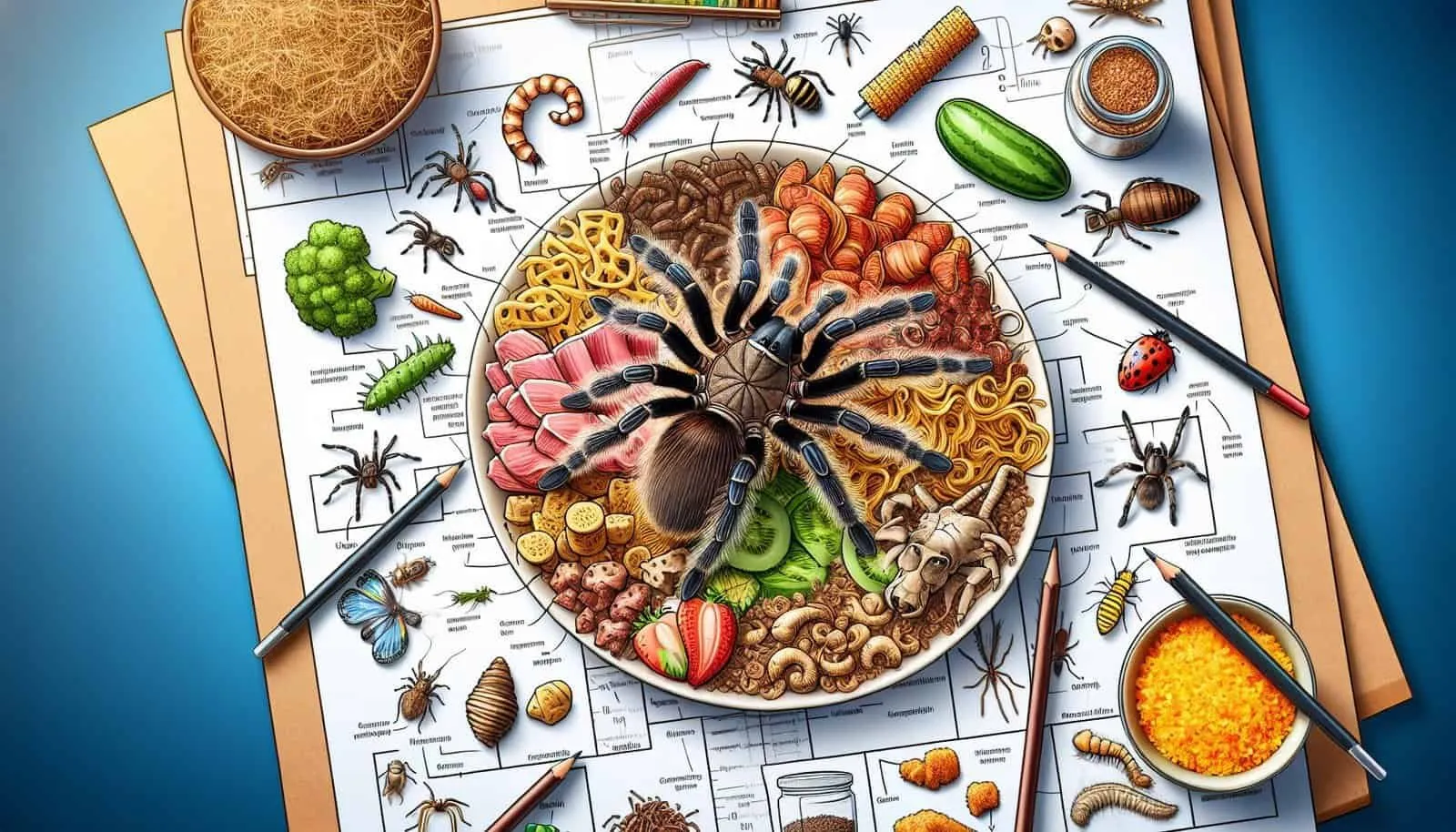
Feeding your spider tarantula is a crucial aspect of responsible pet ownership, directly impacting its health, growth, and overall well-being. A well-nourished tarantula exhibits vibrant colors, active behavior, and a healthy lifespan. Understanding their natural diet is the first step in providing them with the necessary nutrients. Spider tarantulas are obligate carnivores, meaning their diet primarily consists of animal protein. Unlike some pets, they do not require a varied diet, but it’s essential to offer them a diet that meets their nutritional needs to ensure they thrive in captivity. Providing the correct type and size of prey is key to preventing health issues, like molting problems or, in extreme cases, even death. Furthermore, understanding your tarantula’s diet will help you to provide the proper environment for your pet.
What Do Spider Tarantulas Eat?
Spider tarantulas are opportunistic predators, and in the wild, their diet varies based on their species and the available prey in their habitat. In captivity, however, we can provide a controlled diet that ensures they receive the necessary nutrients. The staple diet of a pet tarantula typically consists of insects, but it’s important to consider variety and nutritional value. Offering a selection of different prey items can help ensure your tarantula receives a balanced diet and prevent nutritional deficiencies. Also, it’s vital to source insects from reputable suppliers to minimize the risk of parasites or pesticides that could harm your tarantula. Always research the specific dietary needs of your tarantula’s species, as some may have preferences or require more specialized diets.
Prey Options for Spider Tarantulas

Selecting the right prey is essential to your spider tarantula’s health and development. The size of the prey should be appropriate for the tarantula’s size; generally, the prey should be no larger than the tarantula’s abdomen. Variety in the diet can also benefit your tarantula. Rotating different types of insects and occasional treats ensures your tarantula receives a range of nutrients. Proper gut-loading of insects before feeding them to your tarantula is also very important. This means feeding the insects nutritious foods like fruits, vegetables, and high-quality insect feed, which then transfers those nutrients to your tarantula when it eats them. This is a simple, yet powerful, way to enhance the nutritional value of your pet’s diet.
Insects
Insects form the cornerstone of most spider tarantula diets. Crickets, mealworms, and dubia roaches are among the most commonly used insects. Crickets are readily available, relatively inexpensive, and provide a good source of protein. Mealworms are easy to obtain and store, but they have a high chitin content, which can be difficult for tarantulas to digest in large quantities. Dubia roaches are a nutritionally dense option, easy to breed, and don’t climb, making them easier to manage within the enclosure. When choosing insects, always ensure they are pesticide-free and sourced from a reliable supplier. The insects should be alive and active before being offered to your tarantula, and any uneaten insects should be removed promptly to prevent stress or harm to your pet.
Other Prey Items
While insects are the primary food source, some tarantula keepers occasionally offer other prey items. Pinkie mice, the newborns of mice, can provide extra protein for larger tarantula species. It is very important to only offer pinkie mice or other vertebrate prey sparingly and only when your tarantula reaches the appropriate size. Overfeeding these types of prey can lead to health problems. Additionally, the use of these prey items is often a topic of ethical debate within the tarantula-keeping community, so it’s crucial to consider your own values when deciding. When offering non-insect prey, ensure it’s sourced humanely and of high quality, and always remove any uneaten portions promptly to maintain a clean and healthy environment.
How Often to Feed Your Spider Tarantula

The frequency of feeding your spider tarantula varies depending on its age, species, and growth stage. Spider tarantulas, unlike many pets, do not need to be fed daily. Overfeeding can lead to obesity, which is detrimental to their health and life. Feeding frequency typically decreases as the tarantula grows. It’s important to monitor your tarantula’s abdomen size; a well-fed tarantula will have a rounded abdomen. However, you should also watch for signs of overfeeding. Adjust the frequency and portion size based on your tarantula’s response and any health indicators.
Feeding Frequency by Tarantula Size
Spiderlings (baby tarantulas) require more frequent feedings, often every other day or every three days, depending on their size and growth rate. Juveniles can be fed once or twice a week, while adult tarantulas typically need feeding only once a week or even less frequently. As your tarantula approaches its adult size, you’ll notice it eating less often. Adjust the feeding schedule accordingly, and be sure to remove any uneaten prey within 24 hours to prevent stress or potential harm to your pet. A tarantula that consistently refuses food may be preparing to molt; in this case, avoid feeding until after the molting process is complete.
Feeding Frequency by Tarantula Species
Different tarantula species may have varying feeding requirements. Some species are naturally more voracious eaters, while others are more prone to fasting. Research the specific needs of your tarantula’s species to determine the most appropriate feeding schedule. Arboreal species, such as the Pinktoe tarantula, may have slightly different needs compared to terrestrial species. Always adjust your feeding schedule based on your tarantula’s behavior and overall health, and be observant of any signs of stress or unusual eating patterns. Your observation and willingness to adapt to your pet’s needs are important for its health and well-being.
Safe Handling and Feeding Techniques

Handling tarantulas should be kept to a minimum, as it can cause stress and potentially lead to bites. The safest way to feed your tarantula is by using long feeding tongs. This allows you to present the prey without getting too close. When introducing the prey, gently place it near the tarantula. Avoid startling your tarantula. Instead, allow the tarantula to approach its meal at its own pace. After the tarantula has eaten, remove any remaining prey within 24 hours to prevent stress, potential bites, and to maintain a clean environment for your pet. Regular cleaning of the enclosure will promote health and hygiene, which are essential to the well-being of your pet.
Preparing the Enclosure for Feeding
Before feeding, it’s wise to make sure the enclosure is ready. Remove any old molts, uneaten food, or waste. Ensure the water dish is full and clean. The environment should be stable, with proper temperature and humidity levels for your tarantula’s species. A calm and clean environment will make the tarantula feel more comfortable and less stressed during feeding time. If you’re using a communal setup (multiple tarantulas in one enclosure), ensure there’s enough space and food for each individual to prevent competition. The layout of the enclosure, with suitable hiding places and substrate, will also contribute to the tarantula’s overall health and comfort.
Introducing Prey to Your Tarantula
Gently introduce the prey using long tongs to minimize any risk of a bite. Place the prey near the tarantula without startling it. Some tarantulas are more active hunters than others, so patience may be required. Don’t give up if the tarantula doesn’t immediately show interest. They may not always be hungry or may be preparing to molt. Observe your tarantula’s behavior. A healthy tarantula should quickly recognize the prey as food and either pounce on it or ambush it. If your tarantula shows no interest in the prey, remove the prey after a few hours and try again in a few days. Always ensure the prey is alive and moving to stimulate the tarantula’s hunting instinct.
Removing Uneaten Prey

Removing uneaten prey is important for the tarantula’s health and the overall hygiene of the enclosure. Uneaten prey can stress the tarantula, especially if they hide near the tarantula or try to bite it. They can also cause the enclosure to become unsanitary. After 24 hours, check for any remaining prey and remove it. This will help to prevent potential injury to the tarantula and will help keep your enclosure clean. If you consistently find uneaten prey, you may be feeding your tarantula too much or the prey size may be too large.
Common Feeding Mistakes to Avoid
Avoiding common feeding mistakes is critical to the well-being of your spider tarantula. Overfeeding, using the wrong prey size, and neglecting to provide fresh water are all common errors that can lead to health problems. By being aware of these pitfalls, you can ensure your pet thrives. Always research the specific needs of your tarantula’s species to determine the most appropriate feeding schedule, and adjust the schedule based on the tarantula’s behavior and overall health. Regularly observing your tarantula is important for its health and well-being.
Overfeeding Your Tarantula
Overfeeding is a significant mistake, particularly for beginners. Tarantulas are prone to obesity, which can lead to serious health issues. Overfed tarantulas can experience problems molting, and in severe cases, obesity can shorten their lifespan. The amount of food and feeding frequency needs to be balanced. Make sure the tarantula’s abdomen is not excessively large. If the abdomen is very big, reduce the frequency of feeding or the size of the prey. Monitor the size of your tarantula’s abdomen and adjust your feeding schedule accordingly to avoid overfeeding.
Using Incorrect Prey Size

Using prey that is too large poses a risk to your tarantula. Tarantulas can struggle to subdue or digest prey that is too big, which can lead to stress and even injury during the feeding process. The prey should be no larger than the tarantula’s abdomen, allowing the tarantula to handle it easily. Ensure the prey is appropriate for your spider tarantula’s size, and watch how the tarantula eats. If the tarantula hesitates or struggles, the prey may be too big. Gradually increase prey size as the tarantula grows, and always prioritize safety.
Providing Fresh Water
Fresh, clean water is essential for your tarantula’s health. Water helps with digestion and hydration, supporting the molting process. Always provide a shallow water dish with fresh water, refilling it regularly. The dish should be shallow enough to prevent the tarantula from drowning. Change the water at least once a week or more frequently if it becomes soiled. Maintaining optimal humidity levels through proper ventilation and misting, as required by your tarantula’s species, is important. Providing a consistent water source is fundamental to a healthy tarantula.
Signs of a Healthy and Well-Fed Tarantula
Recognizing the signs of a healthy and well-fed tarantula helps ensure you are providing proper care. A healthy tarantula will exhibit a set of physical and behavioral characteristics. Knowing these signs will allow you to make informed decisions about your pet’s diet and environment.
Behavioral Indicators
A healthy tarantula is typically active and alert, especially during feeding time. It should show interest in prey and be willing to hunt. While tarantulas are often secretive creatures, a healthy tarantula will be visible, active, and willing to come out of its burrow or hide to feed. A tarantula that consistently refuses food may be preparing to molt. It will often become less active and may seal itself off in its burrow. These are natural behaviors, but always monitor your pet and research your specific species to know what is normal.
Physical Indicators
Physical indicators are crucial in assessing your tarantula’s health. A healthy tarantula should have a plump, rounded abdomen, an indication that it is well-fed but not overfed. The fangs should be intact, and the exoskeleton should be free from damage or deformities. The colors should be vibrant and true to the species. The tarantula should move with ease and not show any signs of lethargy or weakness. Regular monitoring for these physical signs is an essential element of responsible tarantula care. If you notice any unusual signs, always consult a veterinarian or an experienced tarantula keeper.
In conclusion, feeding your spider tarantula is not merely a routine task but an essential aspect of responsible pet ownership. Providing a balanced diet and following safe feeding practices is critical for the health and well-being of your tarantula. By understanding their dietary needs, avoiding common mistakes, and recognizing signs of health, you will ensure your pet thrives and enjoys a long, healthy life. Always remember to research your specific tarantula species, as this will help you customize your feeding approach. A healthy, well-fed tarantula is a sign of a caring and informed owner. By following these guidelines, you can enjoy the rewarding experience of keeping a spider tarantula.