
Starting a tarantula ranch in Terlingua, Texas, may seem like an unconventional business venture, but for those with a passion for arachnids and a knack for business, it can be a rewarding experience. This guide provides a comprehensive overview of how to establish and operate a successful tarantula ranch in the unique environment of Terlingua. From understanding the basics of tarantula care to navigating the legal and regulatory landscape, this article will equip you with the knowledge needed to turn your passion into a profitable enterprise. The arid climate and distinctive landscape of Terlingua offer a unique setting for a tarantula ranch. However, success requires careful planning, adherence to ethical practices, and a deep understanding of these fascinating creatures.
What is a Tarantula Ranch
A tarantula ranch is a facility dedicated to the captive breeding, raising, and often the sale of tarantulas. Unlike traditional farms that raise livestock, a tarantula ranch focuses on these eight-legged creatures. The primary goals typically include breeding tarantulas for the pet trade, research, or educational purposes. Tarantula ranches can vary in size and scope, from small, family-run operations to larger, more commercial ventures. The key aspects of a tarantula ranch involve providing appropriate habitats, managing their lifecycle, ensuring proper nutrition, and adhering to strict safety and ethical guidelines. It is more than just a business; it’s a commitment to understanding and protecting these fascinating creatures.
Why Choose Terlingua, TX
Terlingua, Texas, offers several advantages for establishing a tarantula ranch. Its arid climate closely mirrors the natural habitats of many tarantula species, reducing the need for complex environmental controls. The remote location in West Texas means less competition from other businesses, especially those of a similar nature. Furthermore, the unique landscape of Terlingua, with its rugged terrain and stark beauty, can be a significant draw for visitors. The area’s reputation for a quirky, independent spirit also aligns well with the unconventional nature of a tarantula ranch. Terlingua’s proximity to Big Bend National Park offers additional tourism opportunities. Moreover, the cost of land may be relatively lower compared to more populated areas, making it an attractive option for entrepreneurs.
Terlingua’s Unique Environment

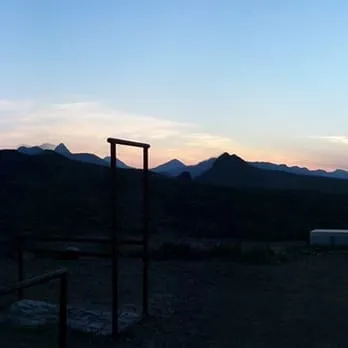
The environment of Terlingua plays a vital role in the potential success of a tarantula ranch. The hot, dry climate is perfect for mimicking the natural habitats of many tarantula species native to arid and semi-arid regions. The low humidity levels are crucial for preventing fungal and bacterial growth, which can be detrimental to tarantula health. Additionally, the sparse vegetation and rocky terrain provide a natural backdrop for the ranch, potentially reducing the need for extensive landscaping. The area’s remoteness also helps to minimize the risk of exposure to external factors, such as pollution or pesticides, that could negatively affect the tarantulas. Understanding and leveraging these environmental benefits is critical to creating a successful tarantula ranch in Terlingua.
Choosing the Right Location
Selecting the appropriate location within Terlingua is essential for the success of your tarantula ranch. It is important to choose a plot of land that offers the right environmental conditions. Consider factors such as sun exposure, wind patterns, and access to water and electricity. The land should be relatively level to simplify construction and maintenance, but some natural variations in terrain can provide a more natural habitat for your tarantulas. Also, assess the accessibility of the site for both staff and visitors. Ensure that there’s adequate road access and consider proximity to essential services like suppliers and veterinary care. Zoning regulations should be carefully reviewed to ensure that a tarantula ranch is permitted in your chosen area.
Evaluating Land Characteristics
When evaluating land, focus on several key characteristics. Soil composition is crucial, as it impacts drainage and the type of enclosures you can build. Conduct a soil test to understand its composition and pH levels. Assess the availability of natural resources such as water, which is essential for tarantula hydration and maintaining humidity. Check the existing vegetation and the presence of any potential hazards, such as poisonous plants or areas prone to flooding. Consider the presence of existing structures or infrastructure that can be utilized. The land’s overall aesthetic appeal and the potential for creating an attractive environment for both tarantulas and visitors also contribute to the ranch’s success.
Setting up Your Ranch
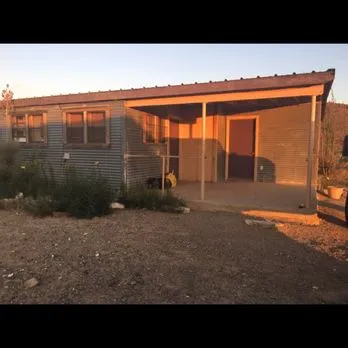
Setting up your tarantula ranch involves careful planning and execution. This includes constructing enclosures that mimic the natural habitat of tarantulas. You’ll also need to invest in essential equipment, such as temperature and humidity controls, feeding and watering systems, and safety gear. The layout should be designed to optimize space, facilitate maintenance, and provide a safe environment for both tarantulas and staff. Consider incorporating educational elements, such as display areas and informational signage, to enhance the visitor experience. Proper setup is crucial for the health and well-being of the tarantulas, ensuring a smooth operation and a positive impression on visitors.
Building and Enclosure
The design and construction of tarantula enclosures are critical to their health and well-being. Enclosures should be made of durable, non-toxic materials. Glass or clear acrylic tanks are the most common choices. The size of the enclosure should be appropriate for the size and species of the tarantulas being housed. It should provide ample space for movement, hiding, and burrowing. Enclosures must be secure, with tight-fitting lids or covers to prevent escape. Inside the enclosures, create a naturalistic environment with substrate like coconut fiber, peat moss, or a mix of both. Include hides such as cork bark, rocks, or artificial plants to provide security and simulate a natural habitat. Proper ventilation is also essential to maintain air quality and prevent the buildup of mold and bacteria.
Essential Equipment
Equipping your tarantula ranch with the right equipment is crucial for managing the environment and caring for the tarantulas. Temperature and humidity gauges are essential for monitoring conditions within the enclosures. Heating elements, such as heat lamps or pads, may be necessary to maintain the correct temperature for the species. Misting systems or water bowls help to maintain appropriate humidity levels. Invest in quality feeding and watering equipment, such as tongs, feeding dishes, and spray bottles. Proper safety equipment, including gloves and masks, is necessary for handling the tarantulas and maintaining the enclosures. Additionally, you may need equipment for cleaning, disinfecting, and maintaining the enclosures and the surrounding areas.
Tarantula Species Selection
Choosing the right tarantula species is an important aspect of planning your ranch. Consider the ease of care, temperament, and market demand when making your selection. Some species are more beginner-friendly than others, requiring less specific environmental conditions. Research species that are popular in the pet trade, as these will likely be easier to sell. Consider the size and growth rate of the tarantulas, as this will affect the enclosure size and space requirements. Start with a manageable number of species to reduce the complexity of care. As your ranch grows, you can expand to include a wider variety of species. Remember to comply with all local and federal regulations regarding the possession and breeding of different tarantula species.
Which Tarantula is Right for You
When choosing which tarantula species to raise, it’s essential to consider several factors. Beginner-friendly species such as the Mexican Red Knee (Brachypelma hamorii) are often popular due to their relatively docile temperament and hardiness. Other popular options include the Chilean Rose (Grammostola rosea), which is known for its longevity, and the Pinktoe tarantula (Avicularia avicularia), appreciated for its arboreal habits and striking appearance. For experienced keepers, species like the Cobalt Blue (Cyaneopubescens) or the Goliath Birdeater (Theraphosa blondi) can be considered, although these require more specialized care and handling due to their more aggressive nature. Research each species’ specific needs, including habitat requirements, diet, and potential health issues, to ensure you can provide the best possible care.
Sourcing Tarantulas
Sourcing tarantulas involves acquiring the initial stock for your ranch. There are several avenues to explore. You can purchase tarantulas from reputable breeders, who can often provide healthy specimens with known genetics. Attending reptile and exotic pet shows is another good way to find vendors. When buying, always assess the tarantulas for any signs of illness or injury. If you choose to capture wild specimens (where legal), be mindful of local regulations and ethical considerations, and be sure to have the proper permits. The health and origin of your tarantulas will greatly impact the success of your ranch, so it is important to do your research and choose your sources carefully.
Caring for Tarantulas

Proper care is the cornerstone of a successful tarantula ranch. This involves providing the right environment, nutrition, and handling practices. Daily or weekly maintenance routines may include cleaning the enclosure, providing fresh water, and adjusting environmental conditions. You should also monitor the tarantulas’ health, watching for any signs of illness or distress. A solid care routine helps ensure the well-being of your tarantulas and contributes to the profitability of your ranch. You will also need to know what to do in case of an emergency, such as a tarantula getting sick. Regular veterinary check-ups can help prevent common health issues.
Feeding and Hydration
Feeding tarantulas involves providing them with an appropriate diet. Insects like crickets, mealworms, and roaches are common choices. The size of the insects should be appropriate for the size of the tarantula. Feed juvenile tarantulas more frequently, while adults can be fed less often. Provide a source of fresh water at all times, such as a shallow water dish or a water-filled sponge. Ensure that the water is clean and free of contaminants. Removing uneaten food promptly will help to maintain a clean environment. A well-balanced diet and proper hydration are essential for the tarantulas’ overall health and growth.
Temperature and Humidity
Maintaining the correct temperature and humidity levels is crucial for tarantula health. Most tarantulas thrive in temperatures ranging from 75 to 85 degrees Fahrenheit. Humidity requirements vary depending on the species. Some species need higher humidity, while others prefer drier conditions. Monitor temperature and humidity using reliable gauges. Adjust the environment by using heat lamps or pads, misters, or by regulating ventilation. Avoid extreme fluctuations in temperature and humidity, which can cause stress and health problems. Research each species’ specific environmental requirements to ensure their comfort and well-being.
Breeding and Reproduction

Breeding tarantulas can be a complex but rewarding aspect of a ranch. Successful breeding requires careful planning and management. First, you need to have mature male and female tarantulas of the same species. Introduce the male to the female in a controlled environment, where you can observe their behavior. If the female is receptive, mating will occur. After mating, separate the male from the female to prevent cannibalism. The female will lay eggs in a silk egg sac. Maintain the egg sac at the appropriate temperature and humidity. Once the spiderlings hatch, you will need to provide a suitable environment for them, including small enclosures and appropriately sized food. Breeding can be a profitable part of the ranch, but it also requires a significant investment of time and resources.
Legal and Regulatory Considerations
Operating a tarantula ranch requires compliance with various legal and regulatory requirements. This includes obtaining the necessary permits and licenses, adhering to local regulations, and following ethical guidelines. Failure to comply with these regulations can result in fines or even the closure of your ranch. It is essential to understand the legal landscape before starting your business. Research all applicable laws and regulations. Consult with legal professionals to ensure compliance. Your commitment to legal and ethical practices will contribute to the long-term success of your ranch and protect the health and welfare of the tarantulas.
Permits and Licenses
You will likely need various permits and licenses to operate a tarantula ranch. These typically include a business license, which allows you to operate legally within the state. Depending on the species you plan to raise and the nature of your business, you may also require permits for handling and selling exotic animals. These permits are often issued by state wildlife agencies. Research all the permits and licenses required for your specific business activities. The application process often involves completing forms, paying fees, and undergoing inspections. Obtaining the necessary permits is critical to avoid legal issues. Renew your licenses and permits on time to maintain legal compliance and be prepared for inspections.
Local Regulations in Terlingua

In addition to state and federal regulations, you must comply with local ordinances in Terlingua. These may include zoning regulations that specify where you can operate your business. Research any specific restrictions on exotic animal ownership or business activities in the area. It is important to ensure that your ranch complies with all local ordinances. Failure to do so can result in penalties or limitations on your business operations. Contact local authorities to inquire about any specific regulations that apply to your tarantula ranch. Maintain open communication with local officials to ensure that you remain in compliance with local laws.
Marketing Your Tarantula Ranch
Marketing is essential to the success of your tarantula ranch. Developing a solid marketing strategy can attract visitors, build brand awareness, and generate sales. Employ a combination of online and offline marketing strategies to reach a broad audience. Effective marketing will not only generate revenue but also educate the public about tarantulas and the importance of conservation. The uniqueness of your business can be a major selling point, but you will need to convey that to prospective customers through effective marketing methods. Marketing requires a combination of creativity, consistency, and market research to ensure your ranch reaches its full potential.
Attracting Visitors
To attract visitors to your tarantula ranch, create an engaging and educational experience. Offer tours where visitors can learn about tarantulas and their care. Develop interactive exhibits that allow visitors to get a closer look at the tarantulas in a safe environment. Consider offering educational programs and workshops for children and adults. Partner with local businesses and tourism organizations to promote your ranch. Offer special events or themed days to draw in visitors. Display your business at local events and fairs. Ensure that your facilities are clean, well-maintained, and accessible. Providing a great visitor experience will lead to positive word-of-mouth and return visits.
Creating a Website and Social Media Presence
Creating a website and maintaining an active presence on social media is vital. Your website should provide information about your ranch, the tarantulas you have, and the services you offer. Include high-quality images and videos to showcase your tarantulas and facilities. Use search engine optimization (SEO) techniques to improve your website’s ranking in search results. Engage on social media platforms like Facebook, Instagram, and Twitter. Post regularly, sharing interesting facts about tarantulas, photos, and videos. Run targeted advertising campaigns to reach a wider audience. Respond to comments and messages promptly to build a strong online community. Encourage visitor reviews and testimonials to build trust and credibility.
Safety and Ethical Considerations
Safety and ethical considerations are paramount in operating a tarantula ranch. The well-being of the tarantulas and the safety of your staff and visitors must be your top priorities. Develop and enforce strict safety protocols for handling tarantulas and operating the ranch. Adherence to ethical practices ensures the humane treatment of the tarantulas and the sustainability of your business. You must always prioritize the health and welfare of the animals and operate your ranch in a responsible and sustainable manner. This will not only benefit your business but also the public’s perception of the tarantula ranching industry.
Handling Tarantulas Safely
Safe handling practices are essential for the safety of both the tarantulas and the handlers. Always handle tarantulas with care and respect, avoiding any actions that could cause them stress or injury. Use appropriate equipment, such as tongs, to move tarantulas. Learn to recognize signs of stress in the tarantulas, such as defensive postures or erratic behavior, and adjust your handling accordingly. Never handle tarantulas if you are unsure of their temperament or behavior. Ensure that all staff members receive comprehensive training in safe handling techniques. Provide appropriate safety equipment, such as gloves and eye protection, and enforce their use.
Ethical Practices in Tarantula Ranching
Ethical practices are critical to the long-term success and reputation of your tarantula ranch. Prioritize the health and well-being of the tarantulas at all times. Avoid practices that could harm the animals, such as overcrowding or inhumane handling. Ensure that the tarantulas are kept in appropriate environments, with adequate space, food, and water. Support conservation efforts and promote the responsible pet ownership of tarantulas. Be transparent about your practices and provide information about the tarantulas to visitors and customers. Operate with integrity and honesty in all your business dealings. Embrace ethical practices to build trust with your customers, protect the tarantulas, and promote sustainability in the industry.
Conclusion
Starting a tarantula ranch in Terlingua, TX, can be a unique and fulfilling business venture for those with a passion for arachnids and a commitment to their care. While it requires careful planning, adherence to regulations, and dedication, the potential rewards are significant. From the unique environment of Terlingua to the opportunities for education and conservation, a tarantula ranch can offer a valuable contribution to the community and a rewarding personal experience. By focusing on ethical practices, safety, and effective marketing, you can establish a successful and sustainable tarantula ranch, sharing your love of these fascinating creatures with the world. With proper planning and dedication, you can turn your passion for tarantulas into a successful business venture.