Choosing Your Pink Toe Tarantula
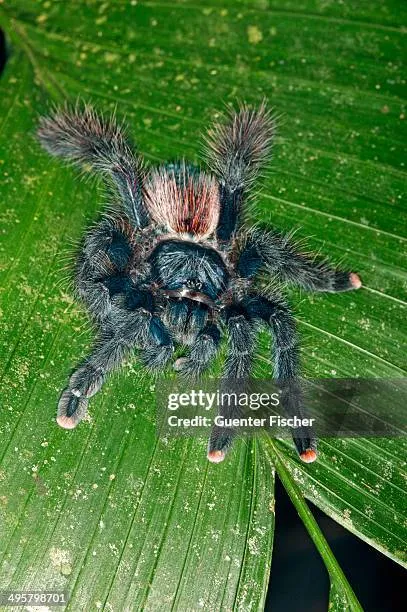
Bringing a Pink Toe Tarantula (Avicularia avicularia) into your home can be an exciting experience. These beautiful arboreal tarantulas, known for their pink-tipped toes and gentle demeanor, can make fascinating pets. However, before you welcome one, it’s crucial to understand their specific needs to ensure their well-being. This guide will walk you through the essential steps, from choosing a healthy tarantula to creating the perfect habitat and providing proper care. Careful consideration and preparation are key to a successful and rewarding experience with your new eight-legged friend. Remember, responsible pet ownership is about providing the best possible life for your pet, and with Pink Toe Tarantulas, this begins with informed choices.
Selecting a Healthy Pink Toe Tarantula
The health and vitality of your Pink Toe Tarantula is paramount to its longevity and your enjoyment of it. A healthy tarantula will be more active, exhibit normal feeding behaviors, and be less susceptible to common tarantula ailments. When choosing a Pink Toe Tarantula, it is essential to carefully inspect the spider for any signs of illness or distress. Buying from a reputable breeder or pet store that prioritizes animal welfare is always recommended. Avoid purchasing tarantulas that appear lethargic, have injuries, or exhibit abnormal behaviors. A healthy tarantula is a happy tarantula, and a healthy pet means a more fulfilling experience for both you and your new pet.
Identifying a Healthy Tarantula

When assessing a Pink Toe Tarantula, observe its overall appearance and behavior. A healthy tarantula should have a plump abdomen, indicating it is well-fed. Look for a shiny exoskeleton without any dents, bald spots, or injuries. The tarantula should be alert and responsive to its environment, not sluggish or unresponsive. Its legs should be intact and fully functional. Check for any signs of parasites, such as mites. The presence of these can indicate health issues. Finally, ask the breeder or seller about the tarantula’s feeding habits and molting history, as this information provides further insight into its health. This initial observation is a vital step in ensuring you are getting a thriving and healthy pet.
Understanding Pink Toe Tarantula Behavior
Pink Toe Tarantulas are known for their generally docile nature. However, like any animal, they can display various behaviors that reflect their well-being and needs. Understanding these behaviors is crucial for providing proper care and recognizing when something might be amiss. They are primarily nocturnal, so expect them to be more active at night. They are arboreal, meaning they like to climb, so ensure they have appropriate space to move around in their enclosure. When startled or threatened, they may flick urticating hairs (tiny irritating hairs), but this is uncommon with good care. Recognizing these behaviors allows you to create an enriching environment.
Setting Up the Perfect Pink Toe Tarantula Habitat
Creating a suitable habitat is fundamental to the health and happiness of your Pink Toe Tarantula. They are arboreal spiders, meaning they live in trees, so their enclosure should reflect their natural environment. The setup should provide adequate space for movement, climbing opportunities, and appropriate temperature and humidity levels. Proper habitat setup is key to preventing stress and promoting the spider’s natural behaviors. A well-designed habitat isn’t just about aesthetics; it’s about providing a safe, comfortable, and enriching environment that supports the tarantula’s physical and psychological needs. Consider all aspects before introducing your tarantula to its new home.
Enclosure Size and Type

The enclosure should be tall rather than wide, given their arboreal nature. A good starting size for an adult Pink Toe Tarantula is a 12x12x18 inch enclosure, but larger is always better. Ensure the enclosure is well-ventilated to prevent mold growth and provide fresh air. Acrylic or glass enclosures are both suitable, but make sure they have a secure, well-fitting lid to prevent escapes. The enclosure’s design should prioritize the tarantula’s need for climbing and hiding places. The correct enclosure setup ensures a comfortable environment for your tarantula.
Substrate Selection
The substrate is the flooring of your tarantula’s enclosure and serves several important functions, including maintaining humidity levels and providing a surface for the tarantula to grip. A good substrate choice for a Pink Toe Tarantula is a mixture of coco fiber and sphagnum moss. Coco fiber holds moisture well, helping to maintain humidity, while sphagnum moss can provide additional moisture retention and a natural look. Avoid substrates like sand or gravel, as they are not suitable for maintaining humidity and can be difficult for the tarantula to navigate. A properly chosen substrate will contribute greatly to the overall health of your pet.
Temperature and Humidity Control
Pink Toe Tarantulas thrive in specific temperature and humidity conditions. Maintain a temperature range of 75-85°F (24-29°C). Use a digital thermometer to monitor the temperature within the enclosure, ensuring it stays within the ideal range. Humidity levels should be kept around 70-80%. You can achieve this by misting the enclosure with dechlorinated water a few times a week or as needed to keep the substrate slightly moist. A hygrometer is recommended to accurately measure humidity levels. Proper temperature and humidity management ensures your tarantula’s health and well-being.
Providing the Right Environment

Creating a stimulating environment is important. Provide a piece of cork bark or a branch for climbing and hiding. Live or artificial plants can also enhance the enclosure and provide additional security for the tarantula. Ensure the enclosure is free from drafts and direct sunlight, as these can create unstable environmental conditions. Regular monitoring of the enclosure’s conditions and making any necessary adjustments will help maintain a healthy habitat for your Pink Toe Tarantula.
Feeding Your Pink Toe Tarantula
Feeding your Pink Toe Tarantula is a crucial part of its care. Proper nutrition ensures its growth, health, and overall well-being. The type, frequency, and amount of food provided will vary depending on the tarantula’s age and size. It’s important to research what to feed a Pink Toe Tarantula and to provide a balanced diet to support its health. This knowledge will help to avoid any health issues and ensures a long, happy life for your pet. Understanding the feeding requirements of your tarantula helps you to become a more knowledgeable and responsible pet owner.
Appropriate Food Items
The main diet for a Pink Toe Tarantula consists of insects. Crickets, roaches, mealworms, and other commercially available insects are all suitable. Ensure the insects you feed are gut-loaded before feeding them to your tarantula. Gut-loading involves feeding the insects a nutritious diet, which then transfers these nutrients to your tarantula. Avoid feeding your tarantula wild-caught insects, as they can carry parasites or pesticides. The size of the prey should be appropriate for the tarantula; the prey should be no larger than the tarantula’s body. Variety is key for a balanced diet.
Feeding Frequency and Amounts

The feeding frequency depends on the tarantula’s age and size. Spiderlings and juveniles should be fed more frequently, typically every other day. Adults can be fed once or twice a week. Offer the tarantula one or two appropriately sized insects at each feeding. Remove any uneaten food within 24 hours to prevent mold growth and potential health issues. Observe your tarantula’s feeding behavior; if it consistently refuses food, there may be a problem. Feeding schedules should be adjusted to suit the needs of your specific Pink Toe Tarantula.
Watering and Hydration
Fresh, clean water is essential for your tarantula’s survival. Provide a shallow water dish with fresh, dechlorinated water at all times. The dish should be shallow enough to prevent the tarantula from drowning. You can also mist the enclosure with dechlorinated water a few times a week, as Pink Toe Tarantulas also drink water droplets. Regularly clean the water dish to prevent bacterial growth and ensure the water remains fresh. Proper hydration is critical for your tarantula’s health and well-being. Water is life and this is also true for your Pink Toe Tarantula.
Maintaining Your Pink Toe Tarantula’s Habitat
Regular maintenance of your Pink Toe Tarantula’s habitat is essential for its health and longevity. This includes routine cleaning, monitoring environmental conditions, and ensuring that the enclosure remains a safe and comfortable place to live. A clean habitat helps to prevent the buildup of harmful bacteria, fungi, and parasites. It is an essential aspect of responsible tarantula ownership. With consistent care, you will be able to provide a thriving and healthy environment for your pet tarantula.
Cleaning and Maintenance Schedule

Create a cleaning schedule to maintain a healthy environment for your Pink Toe Tarantula. Spot-clean the enclosure weekly by removing any uneaten food, fecal matter, and dead insects. Replace the water in the water dish and wipe it clean. A partial substrate change should be performed every 1-3 months, depending on the size of the enclosure and the amount of waste. This involves removing a portion of the old substrate and replacing it with fresh material. A complete substrate change should be done every 6-12 months. Be sure to use appropriate cleaning products designed for terrariums, as household cleaners may be harmful to your tarantula. Remember to always be gentle with your tarantula, as handling it too much or causing unnecessary stress is bad for its health.
Monitoring for Health Issues
Regularly observe your Pink Toe Tarantula for any signs of illness or distress. Keep a close eye on its eating habits, activity levels, and overall appearance. Be vigilant in identifying potential health problems early on. The earlier you detect a problem, the better the chances of successful treatment. Document any changes in behavior or appearance and consult with a veterinarian experienced with invertebrates if you notice any concerning symptoms. Consistent monitoring allows for early detection of potential problems and ensures the long-term health of your pet.
Recognizing Signs of Illness
Familiarize yourself with the signs of potential health problems in Pink Toe Tarantulas. These include lethargy, loss of appetite, lack of coordination, unusual posture, or any visible injuries or parasites. If you notice any of these signs, it’s important to take action. Isolate the tarantula if necessary and consult with a veterinarian or experienced tarantula keeper immediately. Early intervention can prevent minor issues from becoming major health problems. A well-informed tarantula owner is the best defense against any potential illness that may arise.
Handling Your Pink Toe Tarantula

While Pink Toe Tarantulas are known for their docile nature, handling them should be done with care and consideration. Understanding the risks involved and practicing safe handling techniques is crucial for both the tarantula’s well-being and your own safety. Over-handling can stress the tarantula and potentially lead to injury. The main goal should be the health and safety of the tarantula. Handle your Pink Toe Tarantula only when necessary. This approach ensures a safe and positive interaction with your pet and contributes to a good relationship. The goal is to have a happy, healthy pet.
Safe Handling Practices
If you must handle your tarantula, do so in a secure and safe environment, such as close to the ground or over a soft surface to prevent injuries in case it falls. Always wash your hands before and after handling to prevent the spread of potential contaminants. Handle the tarantula gently and avoid sudden movements. Never squeeze or put pressure on the tarantula’s body. If the tarantula becomes agitated or tries to flee, gently return it to its enclosure. Observe the tarantula’s behavior and look for any signs of stress.
Understanding Their Temperament
Pink Toe Tarantulas, as mentioned, are generally calm and docile, but each tarantula has its own personality. Some may be more comfortable being handled than others. Observe your tarantula’s behavior over time to understand its individual temperament. If your tarantula is frequently defensive or displays aggressive behavior, it may be best to minimize handling. Handling should never be forced, and always respect the tarantula’s boundaries. Understanding your tarantula’s personality is vital for building trust and a positive relationship with your pet. Always respect your tarantula’s boundaries, and prioritize its well-being.
Common Pink Toe Tarantula Health Issues
While Pink Toe Tarantulas are relatively hardy, they are still susceptible to certain health issues. Being aware of these potential problems enables you to take preventative measures and respond quickly if a problem arises. Common health issues include parasites, injuries, and problems related to improper care, like insufficient humidity or incorrect temperature. Regular monitoring of your tarantula and its enclosure is crucial for early detection and prompt treatment. Being proactive and aware can make a significant difference in your tarantula’s health and lifespan. Knowing and watching for the common health issues can save your pet’s life.
Taking care of a Pink Toe Tarantula is a rewarding experience. By following this care guide, you can provide your pet with a healthy and fulfilling life. Remember to research, observe, and learn more about your tarantula’s specific needs. This guide gives you the essentials, but every tarantula is an individual. With proper care and attention, your Pink Toe Tarantula will thrive, providing you with years of enjoyment. Responsible pet ownership is key to a happy tarantula, so enjoy your new pet, and watch as it becomes a beautiful and interesting part of your life!