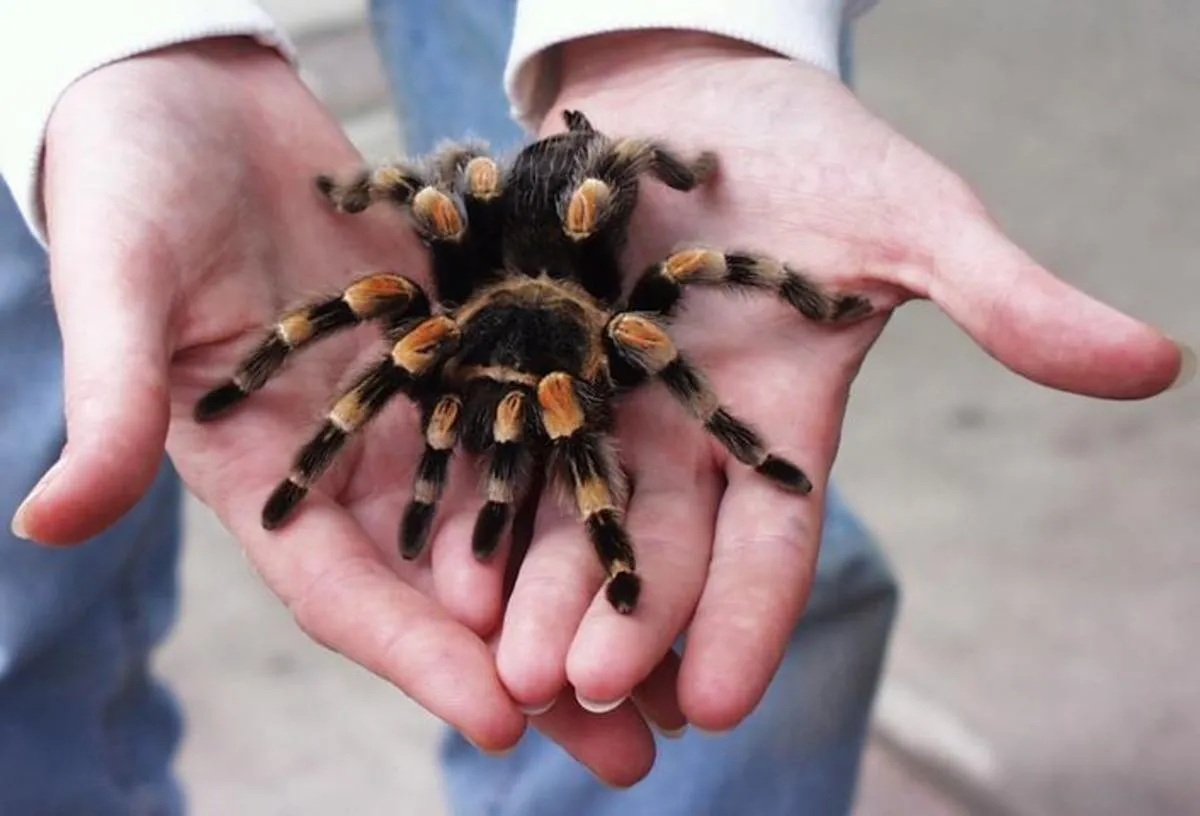
Understanding Lycosa Tarantula Bites
A bite from a Lycosa tarantula, while rarely life-threatening, can be a painful and unsettling experience. Understanding the nature of these bites is the first step towards effective treatment. These spiders, often found in various regions, possess fangs that inject venom into the skin. The effects of the venom vary depending on the spider’s size, the amount of venom injected, and the individual’s sensitivity. Most bites result in localized pain, redness, and swelling at the site of the bite. It’s important to differentiate a Lycosa tarantula bite from those of more dangerous spiders, as the treatment and potential complications can vary significantly. Knowledge about these spiders and their bites will equip you with the essential understanding for immediate action and effective treatment.
Identifying Lycosa Tarantula Bite Symptoms
Recognizing the symptoms of a Lycosa tarantula bite is crucial for prompt treatment. Common symptoms include immediate, sharp pain at the bite site, often described as a burning sensation. Redness and swelling usually appear within minutes and can spread around the affected area. Other symptoms may include itching, muscle cramps, and tenderness. In some cases, the bite can cause a small blister or a localized area of skin discoloration. While systemic symptoms are rare, some individuals may experience nausea, vomiting, or dizziness. Keeping track of these signs and symptoms will help you assess the severity of the bite and determine the required course of action, ensuring swift and appropriate treatment for the best possible outcome.
Immediate First Aid Steps

Immediate first aid is critical in managing a Lycosa tarantula bite and minimizing its effects. The primary goal is to reduce pain, prevent the spread of venom, and monitor the individual for any adverse reactions. Following these steps can significantly improve the outcome and reduce potential complications. It’s essential to remain calm and act quickly. Time is of the essence to mitigate the effects of the venom and prevent further complications. Remember, these actions are the first line of defense before seeking professional medical assistance. Remember to document the time and any initial symptoms to help the medical professionals better understand the situation.
Wash the Bite Area
Immediately wash the bite area thoroughly with soap and water. This helps to clean the wound, reducing the risk of infection. Use a gentle soap and avoid harsh scrubbing, as this can further irritate the skin. Washing also removes any residual venom on the skin surface. Make sure to remove any jewelry, such as rings or bracelets, from the affected limb, as swelling may occur. Proper cleaning is essential for minimizing the risk of secondary infections and promoting faster healing of the wound. Pat the area dry with a clean cloth after washing.
Apply a Cold Compress
Apply a cold compress, such as an ice pack wrapped in a cloth, to the bite area. This helps reduce pain, swelling, and inflammation. Apply the compress for 10-15 minutes at a time, several times a day. Avoid applying ice directly to the skin, as this can cause frostbite. The cold temperature constricts blood vessels, slowing the absorption of venom and reducing the inflammatory response. Using a cold compress is a simple yet effective measure to manage the immediate symptoms. This is a readily available and highly effective first-aid technique.
Elevate the Affected Limb

Elevate the affected limb above the heart level. This helps to reduce swelling and pain by promoting the drainage of fluid from the bite area. Gravity helps to decrease the accumulation of fluids. This is particularly important for bites on the arms or legs. Supporting the limb with pillows or cushions is an effective way to maintain elevation. Doing this simple act can greatly reduce the discomfort and swelling associated with the bite. This helps to control the swelling and reduce the pressure on the affected area, making it more comfortable.
When to Seek Medical Attention
While many Lycosa tarantula bites can be managed with basic first aid, it’s crucial to know when to seek medical attention. Severe symptoms, or the development of systemic reactions, necessitate immediate medical care. Additionally, if the pain is extreme, or if the bite area shows signs of increasing infection, such as pus or increasing redness, it is essential to consult a healthcare professional immediately. Medical professionals can assess the situation more comprehensively and provide appropriate treatment, which might involve pain management, antihistamines, or, in rare cases, antivenom. Timely medical intervention can prevent complications and ensure a faster recovery, safeguarding the individual from potentially serious health consequences.
Monitoring Bite Severity
Closely monitor the bite area for any changes in symptoms. This includes observing for increased pain, swelling, redness, or signs of infection. Note the time of the bite, as well as the progression of symptoms, as this information can be crucial for medical professionals. If symptoms worsen or if new symptoms appear, seek medical attention immediately. Accurate observation will provide the information needed to assess whether the bite requires additional medical care. It can indicate the need for more aggressive intervention, as well as help prevent potential complications. Keep a log of your observations to assist doctors in proper evaluation.
Recognizing Allergic Reactions

Be vigilant for signs of an allergic reaction, which can include difficulty breathing, swelling of the face or throat, hives, or dizziness. Allergic reactions can range from mild to severe and can occur within minutes or hours after the bite. Any indication of a severe allergic reaction requires immediate medical intervention. If you or someone you know experiences these symptoms, call emergency services immediately. Prompt medical care, including the administration of epinephrine (if available), is crucial in managing severe allergic reactions. Quick intervention is essential to prevent life-threatening complications.
Medical Treatments for Lycosa Tarantula Bites
When a Lycosa tarantula bite requires medical attention, various treatments may be employed to manage symptoms and prevent complications. The specific treatment approach depends on the severity of the bite, the symptoms experienced, and the individual’s overall health. Medical professionals are trained to assess and provide the most appropriate care based on the situation. Understanding the potential medical treatments will give you a clear overview of the options available and assist you in asking the right questions of your healthcare provider. Keep in mind, the best course of action is to consult a medical professional for the best treatment plan.
Pain Management
Pain management is a primary focus of medical treatment for Lycosa tarantula bites. Healthcare providers may recommend over-the-counter pain relievers, such as ibuprofen or acetaminophen, to reduce discomfort. For more severe pain, stronger prescription pain medications might be prescribed. Additionally, applying a cold compress to the bite area can help reduce pain and inflammation. The specific choice of medication depends on the level of pain and the patient’s medical history. Effective pain management improves the patient’s comfort and facilitates quicker healing. Pain management is important to make the patient feel better throughout the treatment.
Antivenom Administration

In cases where a Lycosa tarantula bite produces severe symptoms, an antivenom may be necessary. However, antivenoms are not always available for all types of spider bites, and their use depends on the specific spider and the severity of the reaction. Antivenom neutralizes the venom and can help to reduce the severity of symptoms. The administration of antivenom requires medical supervision. The effectiveness of antivenom is often time-dependent. Administering it as soon as possible can improve outcomes. After administering the antivenom, patients are monitored for allergic reactions and other side effects.
Secondary Infections Prevention
Preventing secondary infections is essential in treating a Lycosa tarantula bite. The bite area must be cleaned and dressed appropriately. Antibiotics might be prescribed if an infection develops. Medical professionals will monitor the bite site for any signs of infection, such as increasing redness, warmth, swelling, or the presence of pus. Keeping the wound clean, dry, and covered, as well as using the prescribed medications will help prevent the infection. If the infection becomes serious, additional medical interventions may be necessary to manage the infection and prevent further complications.
Recovery and Aftercare
After a Lycosa tarantula bite, proper recovery and aftercare are vital to promote healing and minimize complications. Taking appropriate care allows the wound to heal properly, reduces the risk of infection, and ensures a smooth recovery. Following the advice of medical professionals and adhering to the recommended aftercare plan is the key to successful recovery. This includes monitoring the bite area, practicing proper wound care, and managing any residual discomfort. Proper aftercare will aid in a complete recovery. It helps in returning to normal activities without complications or long-term issues.
Wound Care Tips

Keep the bite area clean and dry. Gently wash the wound with mild soap and water daily. Avoid using harsh chemicals or scrubbing the area. Apply a thin layer of antibiotic ointment if prescribed by a healthcare professional. Cover the wound with a clean bandage. Change the bandage daily, or more frequently if it becomes wet or dirty. Watch for signs of infection, such as increased redness, swelling, pus, or fever. Following these tips will facilitate the healing process and prevent any secondary infections.
Managing Discomfort
You can manage any residual discomfort with over-the-counter pain relievers as needed. Apply a cold compress to the bite area to help reduce pain and swelling. Elevate the affected limb to reduce swelling. Avoid scratching the bite area, as this can worsen irritation and increase the risk of infection. Wear loose-fitting clothing around the bite to prevent further irritation. Resting and avoiding strenuous activities can promote healing. These simple, yet effective measures will help manage discomfort and facilitate a more comfortable recovery.
Preventing Future Bites
Taking preventive measures is essential to reduce the risk of Lycosa tarantula bites. When you’re in areas where these spiders are common, wear long sleeves, pants, and gloves. Be cautious when reaching into dark or cluttered spaces where spiders may hide. Inspect and shake out clothing and shoes, especially those left outdoors, before wearing them. Use insect repellent and consider professional pest control services to eliminate spiders. Keep your home and surrounding areas clean and free of clutter, reducing potential hiding places for spiders. These preventive measures will help reduce the risk of bites. Being proactive about spider safety will lower your risk significantly.
In conclusion, understanding how to treat a Lycosa tarantula bite quickly and effectively is crucial for your health and safety. By identifying the symptoms, following the immediate first-aid steps, knowing when to seek medical attention, and understanding the medical treatments available, you can minimize the negative effects of these bites. Implementing preventive measures can significantly reduce your risk of encountering these spiders and their bites. Stay informed and proactive, and you’ll be well-equipped to handle any encounter with a Lycosa tarantula.