Mealworm Diet How To Feed Tarantulas
Keeping a tarantula as a pet can be a rewarding experience, but it comes with the responsibility of providing proper care, and a key aspect of that care is feeding. Mealworms are a popular and nutritious food source for tarantulas, but understanding how to feed them correctly is crucial for your pet’s health and well-being. This guide will walk you through everything you need to know about feeding your tarantula mealworms, from choosing the right mealworms to addressing common feeding issues. Whether you’re a seasoned tarantula keeper or a beginner, this information will help ensure your arachnid thrives.
Choosing the Right Mealworms
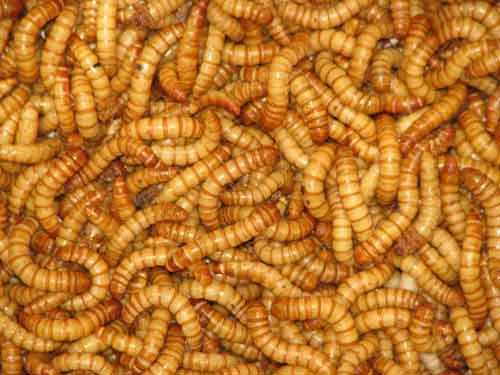
The quality of mealworms you feed your tarantula directly impacts its health. When selecting mealworms, look for those that are active, plump, and free from any unpleasant odors. Fresh mealworms should be a light tan color and should move readily. Avoid purchasing mealworms that appear dark, shriveled, or moldy, as these may not be healthy and could potentially harm your tarantula. Sourcing mealworms from a reputable pet store or online supplier is advisable to ensure you receive high-quality, healthy mealworms. Consider the size of the mealworms in relation to your tarantula – they should be no larger than the tarantula’s abdomen.
Understanding Mealworm Nutrition
Mealworms provide essential nutrients that are vital for a tarantula’s development, growth, and overall health. They are a good source of protein, which is critical for muscle development, and also contain fats and other nutrients. However, mealworms alone do not offer a completely balanced diet, which is why supplemental feeding with other insects and gut-loading (discussed later) is often recommended. A diet consisting solely of mealworms can sometimes be deficient in certain vitamins and minerals. Therefore, vary your tarantula’s diet to ensure it receives a wide range of nutrients to support its well-being.
Benefits of Mealworms for Tarantulas
Mealworms offer several advantages as a food source for tarantulas. They are relatively easy to obtain, store, and feed. Tarantulas generally find mealworms palatable, and the insects can stimulate the tarantula’s natural hunting instincts. Mealworms have a good protein content which is essential for growth and molting. Furthermore, mealworms have a chitinous exoskeleton that offers some fiber for the tarantula. They are also a convenient option for feeding, as they can be stored for a period of time, making them a practical choice for busy tarantula keepers who want to ensure their pets receive consistent meals. Ensure to offer them fresh water.
Preparing Mealworms for Feeding
Live vs. Dried Mealworms

There are two primary forms of mealworms: live and dried. Live mealworms are the preferred option, as they provide a more natural and stimulating feeding experience for the tarantula. Live mealworms are also generally more nutritious, as they have not undergone any processing that could diminish their nutrient content. Dried mealworms, on the other hand, are a convenient alternative and have a longer shelf life. However, they may not be as appealing to tarantulas and can have lower nutritional value. If you choose to feed dried mealworms, it’s best to supplement with other food sources to ensure your tarantula gets a complete and balanced diet. Always consider the health and the preferences of your tarantula when making this decision.
Gut-Loading Mealworms
Gut-loading is a crucial step in preparing mealworms to maximize their nutritional value for your tarantula. It involves feeding the mealworms a nutritious diet before offering them to your pet. This process enhances the nutrient content of the mealworms, making them a healthier food source. Before feeding mealworms to your tarantula, place them in a container with a food source such as fresh vegetables (carrots, sweet potatoes, or leafy greens), and a source of moisture, such as a piece of apple or potato. This diet enriches the mealworms with vitamins and minerals, which are then passed on to the tarantula when it eats the gut-loaded mealworm. This approach boosts the nutritional value and helps your tarantula thrive.
How to Offer Mealworms to Your Tarantula
Frequency of Feeding

The feeding frequency for tarantulas varies depending on their age and size. Spiderlings (young tarantulas) often need to be fed more frequently than adult tarantulas. Spiderlings may benefit from being fed every other day or every three days, while adult tarantulas can often be fed once or twice a week. Always observe your tarantula and adjust the feeding schedule accordingly. Overfeeding can lead to health problems, while underfeeding can hinder growth. Consider the tarantula’s abdomen size, too. If the abdomen is large and round, it’s probably well-fed, while a small abdomen might indicate a need for more food. Always have fresh water available.
Portion Control
Portion control is essential to prevent overfeeding, which can stress your tarantula. The number of mealworms to offer depends on the size of the tarantula and its appetite. A good rule of thumb is to offer a number of mealworms that your tarantula can consume within a few hours or overnight. For spiderlings, one or two mealworms may be sufficient, while larger tarantulas may eat several. Remove any uneaten mealworms after a certain period to prevent them from bothering the tarantula or causing issues in the enclosure. Regularly monitor your tarantula’s abdomen size to get a sense of how much it needs to eat. Always offer the right amount of food based on its size.
Observe Your Tarantula’s Eating Habits
Pay close attention to your tarantula’s eating habits. A healthy tarantula should readily accept mealworms, while a loss of appetite can indicate health problems or other issues. Watch for signs of interest when you introduce mealworms. A healthy tarantula will usually quickly notice and approach the mealworms. Take note of the time it takes for the tarantula to capture the mealworms and how actively it consumes them. Keep a record of your tarantula’s feeding schedule and how it responds to the mealworms, so you can track any changes in its eating behavior. This information will assist in early detection of any potential health problems or changes.
Addressing Refusal to Eat

Common Reasons for Refusal
Several factors can cause a tarantula to refuse mealworms. Molting is a common reason; tarantulas often stop eating a few weeks before molting. Environmental stressors, such as changes in temperature or humidity, can also lead to loss of appetite. Illness or parasites can also affect a tarantula’s willingness to eat, so monitor for other signs of illness, like lethargy or unusual behavior. Finally, the tarantula may simply not be hungry, especially if it has recently eaten a large meal. Understanding these possible reasons is essential for proper care. Assess the environment, including temperature and humidity levels. Also, examine the tarantula for any signs of illness or parasites. If the tarantula continues to refuse food for an extended period, consulting with a veterinarian specializing in exotic pets is essential.
Troubleshooting Feeding Issues
If your tarantula refuses to eat, several troubleshooting steps can be taken. First, ensure the enclosure’s environmental conditions are optimal. Check the temperature and humidity levels to ensure they are within the tarantula’s preferred range. Ensure the tarantula is not stressed by its environment, like vibrations or excessive light. If the tarantula is close to molting, you can try offering food again once the molting process is complete. Consider offering a different type of food, such as a different insect. If the refusal persists, it is crucial to determine the underlying cause. If there is a significant change in behavior or appearance, consult an experienced tarantula keeper or a veterinarian to rule out any health concerns.
Maintaining a Healthy Tarantula

Providing Fresh Water
Providing fresh, clean water is crucial for a tarantula’s health and well-being. Tarantulas require water to stay hydrated and to assist with molting. Always have a shallow water dish available in the enclosure. It should be shallow enough to prevent the tarantula from drowning, and the water should be changed frequently to prevent contamination and the growth of harmful bacteria. You can also mist the enclosure lightly to provide humidity and a secondary source of water. Regularly monitor the water dish for cleanliness, removing any debris or uneaten food. Ensure the water provided is always clean and accessible to maintain your tarantula’s health.
Maintaining Proper Humidity
Maintaining appropriate humidity levels is critical for a tarantula’s health, especially during molting. The ideal humidity range varies depending on the species, so it is essential to research the specific needs of your tarantula. Use a hygrometer to measure the humidity in the enclosure. Methods to increase humidity include misting the enclosure with water, using a substrate that retains moisture, and providing a water dish. Avoid excessive humidity, which can cause mold growth and respiratory problems for your tarantula. Regularly monitor and adjust the humidity levels to ensure they remain within the correct range. Maintaining proper humidity is essential for facilitating successful molting and supporting overall well-being.
Feeding your tarantula mealworms properly is a vital part of responsible tarantula care. By understanding the nutritional value of mealworms, how to prepare them correctly, and the frequency with which to feed your tarantula, you can help ensure your pet stays healthy and thrives. Remember to observe your tarantula’s eating habits, maintain the right environmental conditions, and seek veterinary advice if you notice any health concerns. With proper knowledge and care, you can enjoy the fascinating experience of keeping a tarantula as a pet.