Understanding the Mexican Blood Leg Tarantula
The Mexican Blood Leg Tarantula (Brachypelma boehmei) is a captivating species, highly sought after by tarantula enthusiasts. Known for its striking coloration and relatively docile temperament, this tarantula makes a fascinating pet for those willing to provide the proper care. Before you consider a Mexican Blood Leg Tarantula for sale, it’s crucial to understand its needs and characteristics. This guide will provide you with essential facts to ensure you are well-prepared to welcome this beautiful arachnid into your home. Proper research and preparation are key to a successful experience with these amazing creatures. So, let’s dive into the top 5 facts to know before acquiring a Mexican Blood Leg Tarantula.
Appearance and Identification
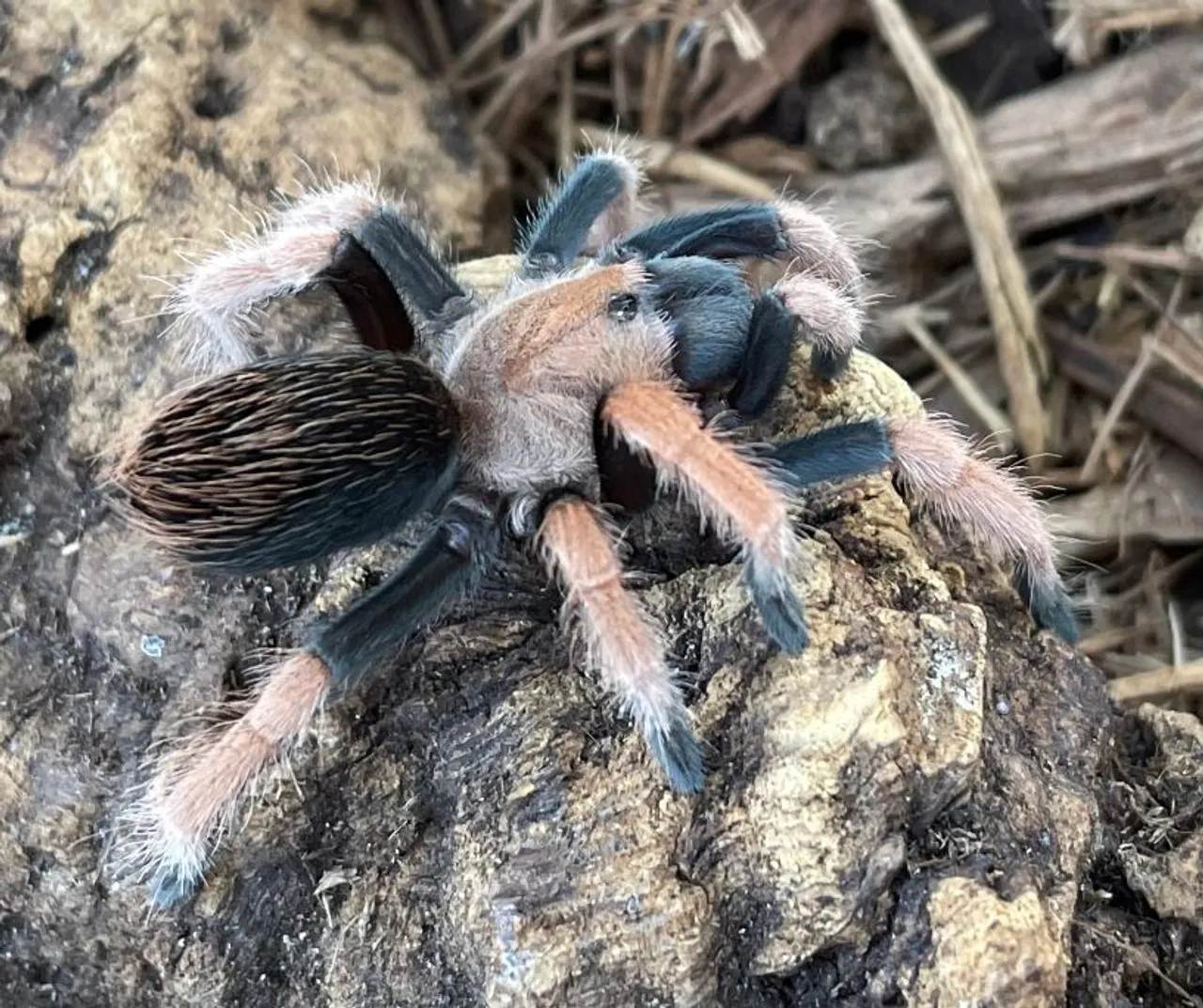
The Mexican Blood Leg Tarantula is renowned for its vivid coloration, making it one of the most visually appealing tarantula species. The carapace, or the top part of the cephalothorax, is a rich, dark brown color. The legs, however, are where this tarantula truly shines – they display striking bands of red-orange, giving rise to its common name, the ‘Blood Leg’. The abdomen is typically a dark brown or black, often covered in urticating hairs that serve as a defense mechanism. The combination of these colors makes it easily distinguishable and highly prized among collectors. Observing these unique characteristics can also help in identifying healthy specimens when you find a Mexican Blood Leg Tarantula for sale.
Size and Lifespan

These tarantulas are of a medium size, with females typically reaching a leg span of around 5-6 inches, while males are slightly smaller. The size of the tarantula can vary based on its diet, care, and genetics. In terms of lifespan, Mexican Blood Leg Tarantulas can live for a considerable time. Females can live for up to 20-25 years, making them a long-term commitment. Males, however, have a significantly shorter lifespan, often living only a few years after reaching maturity. This difference in lifespan is an important consideration for potential owners, especially those looking for a long-term pet. Careful observation will help you understand how to take care of your tarantula.
Habitat and Native Range
The Mexican Blood Leg Tarantula originates from the Pacific coast of Mexico, primarily found in the tropical deciduous forests. They are terrestrial tarantulas, meaning they live on the ground rather than in trees or burrows. In their natural habitat, they create burrows or find shelter under rocks, logs, and within the leaf litter. Replicating this environment in captivity is vital for their well-being. Understanding their natural environment is crucial for providing appropriate care, including temperature, humidity, and substrate. When considering a Mexican Blood Leg Tarantula for sale, make sure you are prepared to recreate its natural habitat in order to keep it healthy and happy.
Purchasing a Mexican Blood Leg Tarantula
Finding a healthy Mexican Blood Leg Tarantula for sale requires careful consideration and research. Purchasing from a reputable source is essential to ensure that you receive a healthy specimen and avoid potential issues. Many breeders specialize in tarantulas and can provide valuable information and support. Online forums, pet stores, and local reptile expos can be good places to start your search. When buying a Mexican Blood Leg Tarantula for sale, always inquire about its origin, age, and any health guarantees the seller offers. This proactive approach will increase your chances of a positive experience and a thriving pet.
Finding Reputable Breeders

Reputable breeders prioritize the health and well-being of their tarantulas. They typically maintain clean conditions, provide proper care, and are knowledgeable about their species. Check for breeder reviews and testimonials online. Look for breeders who are willing to answer your questions and provide information about the tarantula’s history. Avoid sellers who seem evasive or unwilling to provide detailed information. A good breeder will also be able to offer advice on the care and maintenance of your new pet. Researching breeders and their reputations is the first step in securing a healthy Mexican Blood Leg Tarantula for sale.
Checking for Healthy Tarantulas
When you find a Mexican Blood Leg Tarantula for sale, inspect it carefully. Look for signs of a healthy tarantula, such as a plump abdomen, clear eyes, and active behavior. Avoid tarantulas that appear thin, have a shriveled abdomen, or are sluggish. Check for any signs of mites, parasites, or other health issues. Ensure the tarantula is eating and molting properly. A healthy tarantula will have vibrant colors and move with confidence. If possible, ask to see the tarantula eat before you buy it, and inquire about its recent molting history. Healthy tarantulas are more likely to thrive in captivity, providing you with a rewarding pet experience.
Pricing and Availability
The price of a Mexican Blood Leg Tarantula for sale can vary based on its size, age, and the breeder’s reputation. Typically, juveniles or slings are more affordable than adult specimens. The availability of this species can also affect the price. It’s essential to compare prices from different sources before making a purchase. Be wary of prices that seem too good to be true, as they may indicate a lower quality or unhealthy tarantula. Consider the long-term costs of keeping a tarantula, including the cost of the enclosure, substrate, and food. Ensure that the price aligns with your budget and expectations. While you may find a Mexican Blood Leg Tarantula for sale at various prices, always prioritize health and quality over the lowest price.
Caring for Your Mexican Blood Leg Tarantula

Proper care is essential for the health and well-being of your Mexican Blood Leg Tarantula. This includes providing a suitable enclosure, maintaining the correct temperature and humidity levels, and offering a balanced diet. Careful attention to these factors will help your tarantula thrive. Understanding the specific needs of this species will allow you to create a comfortable and safe environment. Providing the right conditions will minimize stress and maximize the chances of your tarantula living a long and healthy life. When acquiring a Mexican Blood Leg Tarantula for sale, be sure you know how to care for it.
Creating the Ideal Enclosure
The enclosure should be appropriately sized for your tarantula, allowing it to move comfortably. For a juvenile, a 5-gallon tank can be suitable, while adults will need a 10-20 gallon tank. The enclosure should be well-ventilated but secure to prevent escape. The lid should be tight-fitting and made of a material that doesn’t allow the tarantula to escape. Ensure the enclosure is placed in a location away from direct sunlight and drafts. Choose an enclosure that provides easy access for cleaning and maintenance. A well-designed enclosure is a crucial element for creating a thriving environment. Keep in mind these factors when you acquire a Mexican Blood Leg Tarantula for sale.
Substrate and Decorations
The substrate should be several inches deep to allow the tarantula to burrow. Suitable substrate options include coconut fiber, peat moss, or a mix of both. The substrate should be kept slightly moist but not waterlogged. Adding decorations such as cork bark, artificial plants, and a water dish will enrich the enclosure and provide hiding places. These decorations should be non-toxic and safe for your tarantula. Regularly clean the enclosure and replace the substrate to maintain hygiene. This will make for a healthy and enriching environment for your pet. A good substrate setup is essential when considering a Mexican Blood Leg Tarantula for sale.
Temperature and Humidity

Maintaining the correct temperature and humidity levels is crucial for your tarantula’s health. The ideal temperature range is between 75-85°F (24-29°C). You can use a heat lamp or a heat mat to maintain the desired temperature, but be careful not to overheat the enclosure. The humidity level should be around 60-70%. Monitor humidity levels using a hygrometer. You can increase humidity by misting the enclosure with water or by providing a water dish. These factors are necessary to provide a comfortable environment for your tarantula. Keep in mind these conditions when you decide to acquire a Mexican Blood Leg Tarantula for sale.
Feeding Your Tarantula
A balanced diet is essential for your tarantula’s health and growth. The type of food you provide and the frequency of feeding are crucial for maintaining your pet’s wellbeing. Overfeeding can be as detrimental as underfeeding. The diet should be varied, and the frequency of feeding depends on the tarantula’s age and size. A well-fed tarantula will be active and healthy, and its care will be easier. Understanding the specific needs of your tarantula will help you feed it appropriately. Proper feeding is an essential part of the care when you purchase a Mexican Blood Leg Tarantula for sale.
What to Feed
Mexican Blood Leg Tarantulas are insectivores, primarily feeding on insects. Suitable food items include crickets, mealworms, roaches, and other commercially available insects. The size of the insects should be appropriate for the size of your tarantula. Avoid feeding wild-caught insects, as they may carry parasites or pesticides. Offer a variety of insects to provide a balanced diet. Always remove uneaten food items within 24 hours to prevent mold growth. Ensuring the insects you feed are healthy will ensure your pet is also healthy. Before a Mexican Blood Leg Tarantula for sale, be sure you know what to feed it.
Feeding Frequency

The feeding frequency depends on the tarantula’s age and size. Spiderlings should be fed several times a week, while adults can be fed once or twice a week. Adjust the feeding schedule based on the tarantula’s appetite and overall health. Overfeeding can lead to obesity, which can negatively affect the tarantula’s health. It is always better to slightly underfeed. Observe your tarantula’s abdomen; if it appears plump, reduce the feeding frequency. Adjust the feeding to keep your pet healthy. Keep in mind these factors when a Mexican Blood Leg Tarantula for sale is something you’re considering.
Handling and Safety
Handling a Mexican Blood Leg Tarantula should be approached with caution and respect. While they are known for their docile temperament, tarantulas can bite if they feel threatened. It’s also important to understand the potential health risks associated with their urticating hairs. Safe handling practices are essential to protect both you and your tarantula. Understanding the appropriate handling techniques can prevent any stress for your pet. The more you know, the safer and more enjoyable the process will be. Safety should always be a priority for both the owner and the tarantula. When you decide to purchase a Mexican Blood Leg Tarantula for sale, always be safe when handling.
Safe Handling Practices
Handling a tarantula is generally not recommended unless necessary, such as for enclosure maintenance or health checks. If you choose to handle your tarantula, do so cautiously. Avoid sudden movements or loud noises that could startle the tarantula. Handle the tarantula over a soft surface, such as a bed or a carpet, to minimize the risk of injury if it falls. Wash your hands thoroughly before and after handling to prevent the spread of bacteria. It’s crucial to maintain a calm and respectful approach when interacting with your pet. Understanding the risks will lead to better and safer experiences for you and your pet. Safe handling practices are essential if you find a Mexican Blood Leg Tarantula for sale.
Understanding Tarantula Venom

Tarantula venom is generally not considered life-threatening to humans, but it can cause localized pain, redness, and swelling. The severity of the reaction varies from person to person. If bitten, wash the area thoroughly with soap and water and monitor for any signs of an allergic reaction. Contact a doctor if you experience severe symptoms or are concerned. Although tarantulas don’t pose a significant health risk, it’s essential to be aware of the potential effects of a bite. Understanding the venom helps you respond appropriately if an incident occurs. Be prepared and informed about the risks before you find a Mexican Blood Leg Tarantula for sale.
Health and Common Issues
Like all animals, Mexican Blood Leg Tarantulas can be susceptible to certain health issues. Recognizing and addressing these issues promptly is essential for your tarantula’s well-being. Knowing the signs of illness can prevent minor issues from escalating into serious health problems. Regular observation and proper care are the cornerstones of maintaining a healthy tarantula. Being vigilant about your pet’s health will improve its quality of life. It’s essential to be aware of potential health issues before finding a Mexican Blood Leg Tarantula for sale.
Shedding
Shedding, or molting, is a natural process where the tarantula sheds its exoskeleton to allow for growth. During this time, the tarantula may become lethargic and refuse to eat. It’s crucial not to disturb your tarantula during molting. Provide a humid environment to aid in the process. After molting, the tarantula will be vulnerable, so avoid handling it for a few days. The new exoskeleton will be soft, and the tarantula needs time to harden. The shedding process is an integral part of a tarantula’s life cycle. This will ensure your pet’s health. Understanding this process is key to caring for your tarantula. Knowing about shedding is important for those considering a Mexican Blood Leg Tarantula for sale.
Parasites and Diseases
Tarantulas can be susceptible to parasites and diseases, although they are relatively hardy. Mites can be a common issue, appearing as tiny, moving specks on the tarantula or its enclosure. Prevent mites by maintaining clean conditions and quarantining new tarantulas. Fungal infections can also occur if the enclosure is too humid or not properly ventilated. Watch for signs of illness, such as loss of appetite, lethargy, or unusual behavior. Contact a veterinarian experienced with tarantulas if you have concerns about your tarantula’s health. Early detection and treatment are crucial for effective care. If you have a Mexican Blood Leg Tarantula for sale, it’s a good idea to know how to spot these issues.
Conclusion
Owning a Mexican Blood Leg Tarantula can be a rewarding experience for those who are prepared to provide the proper care. By understanding their needs, creating a suitable environment, and practicing safe handling, you can ensure that your tarantula thrives. From their striking appearance to their relatively docile nature, these tarantulas offer a fascinating glimpse into the world of arachnids. Before purchasing a Mexican Blood Leg Tarantula for sale, take the time to research and prepare. Your commitment to their well-being will provide you with a unique and enjoyable pet. With proper care and attention, your Mexican Blood Leg Tarantula can become a cherished member of your family. Owning a tarantula can be a fulfilling experience, provided you are prepared.