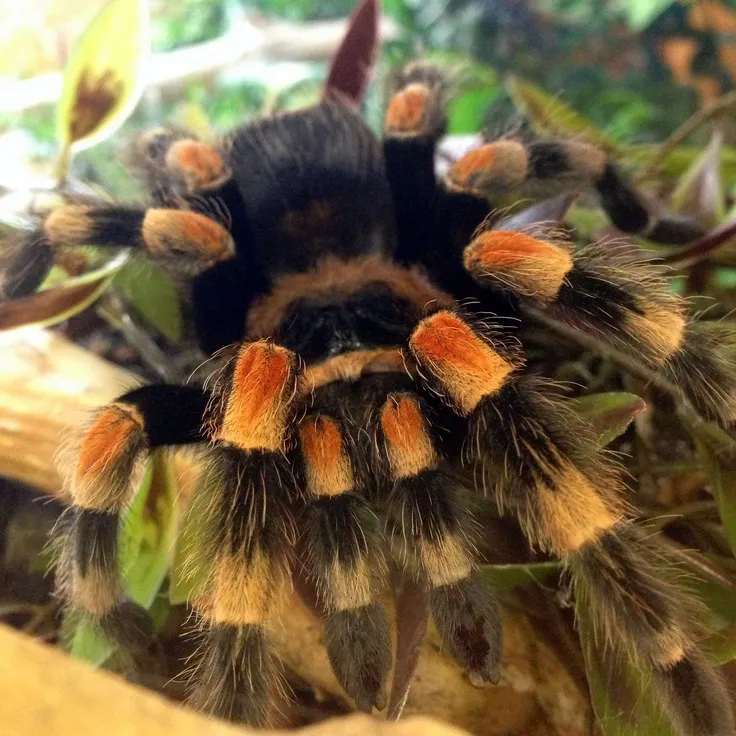
Choosing Your Mexican Red Knee Tarantula
Bringing a Mexican Red Knee Tarantula into your home is an exciting experience, but it requires careful consideration. These captivating creatures, known for their striking coloration and relatively docile nature, can make rewarding pets. However, responsible ownership starts before you even acquire your tarantula. This guide provides essential tips to help you understand the needs of these fascinating arachnids and ensure they thrive in your care. Remember, a healthy and happy tarantula is a result of informed decisions and dedicated care. Begin by researching reputable breeders or pet stores. Avoid purchasing tarantulas from sources that appear to prioritize profit over animal welfare. The health and longevity of your pet greatly depend on the source.
Selecting a Healthy Tarantula
When selecting your Mexican Red Knee Tarantula, observe its physical condition closely. A healthy tarantula should have a plump abdomen, indicating it’s well-fed and hydrated. Avoid tarantulas with a shriveled or wrinkled abdomen, as this could be a sign of dehydration or underlying health issues. The tarantula’s legs should be intact, with no missing limbs or deformities. Examine the fangs; they should be clean and free from any damage. Look for a tarantula that is alert and responsive to its environment. While these tarantulas are generally docile, they should still display some awareness of their surroundings. Avoid a tarantula that appears lethargic or unresponsive. Finally, observe the enclosure for signs of mites or other pests. A clean enclosure is an indicator of a responsible seller and a healthier environment for your future pet.
Understanding Tarantula Temperament

Mexican Red Knee Tarantulas are generally considered a good choice for beginner tarantula keepers due to their relatively docile temperament. However, it’s crucial to understand that individual tarantulas can vary in personality. Some may be more skittish than others. While bites are rare, it’s important to handle your tarantula with care and respect. Avoid sudden movements or loud noises that could startle it. These tarantulas may also flick urticating hairs as a defense mechanism. These hairs can cause skin irritation. Learning to read your tarantula’s body language is key to safe and enjoyable interaction. Recognize when it is feeling stressed and avoid handling it during molting, as they are particularly vulnerable during this process. Patience and observation are essential for building a positive relationship with your tarantula.
Setting Up the Perfect Habitat
Creating the right habitat is crucial for the health and well-being of your Mexican Red Knee Tarantula. The enclosure should provide a safe and stimulating environment that mimics their natural habitat. Consider the size of your tarantula when selecting an enclosure. As a general rule, the enclosure should be at least three times the tarantula’s leg span in width and length. The height of the enclosure is also important; ensure there is enough space for the tarantula to move around, and include enough substrate for burrowing. Ventilation is essential to prevent the buildup of moisture and mold. A secure lid is a must to prevent escapes. Avoid using glass or other materials that can reflect light and stress the tarantula.
Choosing the Right Enclosure
A well-ventilated enclosure is essential for the health of your Mexican Red Knee Tarantula. Acrylic or glass enclosures with screen tops are popular choices. Ensure the screen top is secure and allows for adequate airflow. Avoid enclosures with small, enclosed spaces that can trap moisture and lead to mold growth. The size of the enclosure should be appropriate for the tarantula’s size. A juvenile tarantula will do well in a smaller enclosure, while an adult will need a larger space. The enclosure should be escape-proof. Regularly inspect the enclosure and lid to ensure there are no gaps or openings. Consider the aesthetics of the enclosure. While the primary focus should be on the tarantula’s well-being, a visually appealing enclosure can enhance your enjoyment of the pet-keeping experience.
Substrate and Decor Considerations

The substrate is the foundation of your tarantula’s habitat. It provides a surface for the tarantula to walk on, burrow in, and helps maintain humidity levels. A good substrate for a Mexican Red Knee Tarantula should retain moisture but not become waterlogged. A mixture of coco fiber, peat moss, and a small amount of vermiculite or sphagnum moss is a popular choice. The substrate should be deep enough for the tarantula to burrow. Add decorations like a hide, such as a piece of cork bark, to provide a secure place for the tarantula to retreat. Avoid sharp or rough decorations that could injure the tarantula. Ensure that any decorations are clean and free from pesticides or other harmful substances. Regularly check the substrate for mold or excessive moisture, which could indicate a need for cleaning or adjustment of the enclosure’s ventilation.
Maintaining Optimal Temperature and Humidity
Mexican Red Knee Tarantulas thrive in a temperature range of 75-85°F (24-29°C). You can use a heat lamp or a heat mat to maintain this temperature range, but be careful not to overheat the enclosure. Place the heat source on one side of the enclosure to create a temperature gradient, allowing the tarantula to regulate its body temperature. Humidity levels should be maintained between 60-70%. Use a hygrometer to monitor the humidity levels. You can increase humidity by misting the enclosure with water a few times a week. Ensure proper ventilation to prevent mold growth. Avoid direct sunlight, which can overheat the enclosure and stress the tarantula. The temperature and humidity levels are very important for the health and molting process of the tarantula.
Feeding Your Mexican Red Knee
Proper feeding is essential for the health and growth of your Mexican Red Knee Tarantula. These tarantulas are opportunistic predators and will readily eat a variety of insects. The size and frequency of feedings will vary depending on the tarantula’s age and size. It’s important to provide a balanced diet and avoid overfeeding. Always remove uneaten food from the enclosure to prevent the build-up of mold and mites. Providing fresh water is also crucial for their health and well-being. Be mindful of your tarantula’s feeding habits and adjust your routine as needed to ensure it receives adequate nutrition.
Appropriate Food Choices

The primary food source for Mexican Red Knee Tarantulas should be live insects. Crickets, mealworms, and roaches are readily available and provide a good source of nutrients. The insects you feed your tarantula should be gut-loaded with nutritious food before being offered to your pet. This will improve the nutritional value of the insects and, in turn, the tarantula. Avoid feeding your tarantula insects from your garden, as they may have been exposed to pesticides. The size of the insects should be appropriate for the size of your tarantula. As a general rule, the prey should be no larger than the tarantula’s abdomen. A varied diet is best to ensure that your tarantula receives a wide range of essential nutrients. Occasionally, you can offer pre-killed insects, but live prey is generally preferred as it stimulates the tarantula’s natural hunting behavior.
Feeding Frequency and Portion Sizes
The feeding frequency for your Mexican Red Knee Tarantula will vary depending on its age. Spiderlings should be fed two to three times a week, while juveniles can be fed once or twice a week. Adult tarantulas can be fed once every week or two weeks, depending on their appetite and activity level. Overfeeding can lead to health problems, such as obesity and a shortened lifespan. Observe your tarantula’s abdomen; it should be plump but not overly distended. If the tarantula refuses to eat, it may be preparing to molt or may not be hungry. Remove any uneaten food within 24 hours to prevent mold growth. Adjust the portion size to match the tarantula’s appetite and the size of the prey. A good rule of thumb is to offer one or two appropriately sized insects per feeding.
Providing Fresh Water
Providing fresh water is essential for the health and well-being of your Mexican Red Knee Tarantula. Always ensure that a shallow water dish is available in the enclosure. The water dish should be shallow enough to prevent the tarantula from drowning. Use a non-toxic water dish. Regularly clean the water dish and replace the water to prevent the growth of bacteria and algae. Some keepers also mist the enclosure, which provides additional hydration and helps maintain the humidity levels. However, avoid over-misting, as this can lead to mold growth. Monitor your tarantula’s behavior. If it appears to be drinking frequently, it’s a sign that it needs more water. Always ensure there is a constant supply of fresh, clean water available.
Handling and Safety Precautions

While Mexican Red Knee Tarantulas are generally docile, it’s important to approach handling with caution. Bites, although rare, can occur, and the tarantula’s urticating hairs can cause skin irritation. Before handling your tarantula, it’s essential to assess its mood and behavior. A stressed tarantula is more likely to react defensively. If you choose to handle your tarantula, do so with care and respect. Never force the tarantula to be handled. The tarantula’s safety and well-being should always be the primary consideration. Familiarize yourself with safe handling techniques, and always supervise children when they are near the tarantula.
Safe Handling Practices
If you choose to handle your Mexican Red Knee Tarantula, do so carefully. Wash your hands before handling to remove any scents or chemicals that could agitate the tarantula. Approach the tarantula slowly and gently. Avoid making sudden movements or loud noises. Use a soft paintbrush or a similar tool to gently encourage the tarantula onto your hand. Support the tarantula with both hands. Never drop the tarantula or allow it to fall. Handle the tarantula over a soft surface, such as a bed or a couch, to minimize the risk of injury if it were to fall. Avoid handling the tarantula for extended periods. Observe the tarantula’s behavior during handling. If it appears stressed, return it to its enclosure. Always prioritize the tarantula’s safety and well-being when handling.
Recognizing Signs of Stress
It’s important to recognize the signs of stress in your Mexican Red Knee Tarantula. A stressed tarantula may exhibit defensive behaviors, such as raising its front legs or flicking urticating hairs. It may also attempt to flee or bite. Other signs of stress include a loss of appetite, lethargy, or a change in its normal behavior. If you notice any of these signs, it’s best to leave the tarantula alone and allow it to recover. Reduce any environmental stressors, such as loud noises or sudden movements. Ensure the enclosure is set up correctly with the appropriate temperature, humidity, and hiding places. Avoid handling the tarantula until it has calmed down. If the stress persists, consult with an experienced tarantula keeper or a veterinarian specializing in exotic animals.
Common Health Issues and Solutions

Like all pets, Mexican Red Knee Tarantulas can be susceptible to certain health issues. By being observant and proactive, you can help prevent these problems and ensure your tarantula lives a long and healthy life. Regular monitoring of the enclosure, feeding habits, and overall behavior of the tarantula will help you identify potential problems early on. Many common issues can be addressed with simple adjustments to the enclosure or care routine. However, it’s important to seek professional veterinary advice if you suspect a serious health problem. Early intervention can significantly improve the chances of a successful outcome and ensure the well-being of your pet.
Recognizing and Addressing Dehydration
Dehydration is a common problem in tarantulas. Signs of dehydration include a shriveled or wrinkled abdomen, lethargy, and a lack of appetite. To prevent dehydration, always provide a shallow water dish with fresh water. Mist the enclosure regularly to maintain appropriate humidity levels, especially during molting. If you suspect your tarantula is dehydrated, offer it a few drops of water directly. You can also increase the humidity in the enclosure temporarily. Dehydration can be a serious condition, so early intervention is critical. If the symptoms persist, consult an experienced tarantula keeper or a veterinarian. Ensure the enclosure’s ventilation is appropriate, as inadequate ventilation can lead to dehydration.
Molting and What to Expect
Molting is a natural process in which tarantulas shed their exoskeleton to grow. During molting, your tarantula will stop eating and may become inactive. It may also flip onto its back. This is a vulnerable time for the tarantula, so it’s important to avoid disturbing it. Provide a moist environment to help the tarantula shed its exoskeleton. Once the molt is complete, the tarantula will have a new, soft exoskeleton. It will take a few days for the new exoskeleton to harden. Do not feed your tarantula until its fangs have hardened. After molting, your tarantula’s colors may appear brighter and more vibrant. Always maintain a safe and stable environment during the molting process.
Conclusion
Caring for a Mexican Red Knee Tarantula can be a rewarding experience. By following these essential tips, you can create a safe, healthy, and stimulating environment for your pet. Remember that responsible ownership involves continuous learning and observation. Researching and consulting with experienced keepers will enhance your ability to provide the best care for your tarantula. With the right knowledge and dedication, you can enjoy many years of companionship with these fascinating creatures. Enjoy the unique experience of keeping a Mexican Red Knee Tarantula, and remember to prioritize their well-being above all else.