What is Molting and Why Do Baby Tarantulas Do It
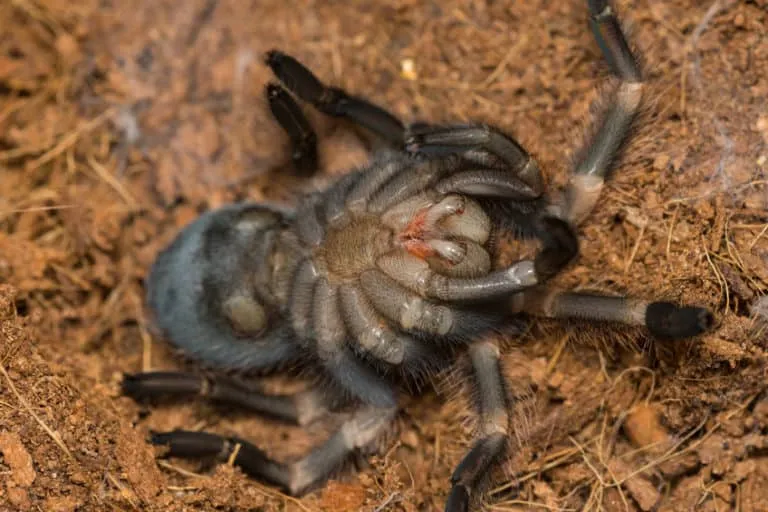
Molting is a natural and essential process for baby tarantulas, crucial for their growth and survival. Unlike mammals, tarantulas and other arthropods have an exoskeleton, a hard outer shell that protects their bodies. This exoskeleton, however, doesn’t grow. As a tarantula grows, it outgrows its exoskeleton. Molting is the process where the tarantula sheds its old exoskeleton and reveals a new, larger one underneath. This allows the tarantula to increase in size, repair any injuries, and replace lost limbs. Each molt is a significant event in a tarantula’s life, representing a step closer to adulthood and a healthy, thriving existence. Understanding the process and how to support your baby tarantula through it is key to successful tarantula care.
The Molting Process Step-by-Step
Pre-Molting Signs to Watch For

Recognizing the signs that a baby tarantula is about to molt is crucial for providing the right care and minimizing stress during this vulnerable time. Several behavioral and physical changes indicate the molting process is imminent, allowing you to prepare accordingly and ensure a safe environment. Paying close attention to your tarantula’s behavior and appearance helps you anticipate the molt and act proactively, ensuring a smooth and successful transition.
Changes in Coloration
One of the first noticeable signs is a change in the tarantula’s coloration. The colors of the exoskeleton may appear duller or more faded than usual. The abdomen might look darker or more translucent, revealing the new exoskeleton forming underneath. Sometimes, you might observe subtle color shifts, such as a deepening of existing hues or the appearance of new patterns or markings. These changes usually precede the molt by a few weeks, giving you time to prepare.
Loss of Appetite
As the molting process nears, baby tarantulas often stop eating. This is because they are preparing to shed their old exoskeleton and the new one is already forming, reducing their need for nutrients. Your tarantula might refuse food, even if it’s offered its favorite prey. This loss of appetite is a clear indication that molting is on the horizon. It’s important not to force-feed your tarantula during this time, as it can cause unnecessary stress and potentially harm the molting process.
Lethargy and Hiding

Baby tarantulas about to molt will often become lethargic and spend more time hiding. You might find your tarantula retreating to its burrow or hiding under decorations in its enclosure. This behavior is natural, as the tarantula is trying to protect itself during its most vulnerable phase. They will become less active than usual and might move slowly. The hiding behavior is a survival instinct, protecting them from potential predators while their new exoskeleton hardens. Creating a secure environment is paramount during this phase.
Creating the Molting Environment
Creating an optimal environment is crucial for a successful molt. The enclosure setup plays a vital role in minimizing stress and preventing complications during this sensitive time. By providing a safe space and the right conditions, you greatly improve the chances of a healthy molt and a happy, growing tarantula. Ensure the environment caters to the tarantula’s needs and reduces the potential for injury.
Providing a Safe Space
Ensure the enclosure is free of potential hazards. Remove any sharp objects, such as hard decorations or anything that could cause injury during the molting process. Provide a shallow water dish and ensure the substrate is appropriate for burrowing species, and deep enough to enable the tarantula to turn over during the molt. A secure, undisturbed environment with appropriate hiding places will help your tarantula feel safe as it undergoes this transformation.
Maintaining Humidity
Maintaining proper humidity levels is vital. Use a hygrometer to monitor the humidity, and adjust your misting schedule accordingly. Humidity helps the old exoskeleton separate and allows the new one to develop correctly. Low humidity can cause molting problems such as stuck molts. The correct humidity level varies depending on the tarantula species, so research the specific needs of your tarantula. You can usually maintain humidity through the use of a water dish and misting the enclosure.
The Molting Phase
The molting phase itself is a delicate process that requires patience and minimal intervention. The tarantula will typically lie on its back, a position that allows it to shed its exoskeleton. During this time, it’s crucial to avoid any disturbances. The process can take anywhere from a few minutes to several hours, depending on the tarantula’s size and species. It’s critical to observe from a distance, providing a stress-free environment.
Positioning and Flipping
The tarantula will position itself on its back to start the molting process. This position allows gravity to assist with the shedding. The tarantula’s body will start to pulsate as it works to separate itself from the old exoskeleton. It will often make slow movements, and the process can look quite dramatic, so remain patient, and understand the process is natural. The new exoskeleton is incredibly soft and vulnerable at this stage.
The Actual Shedding
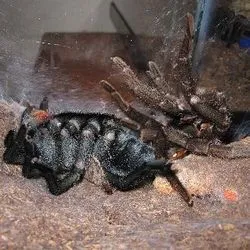
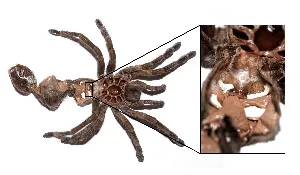
The tarantula will begin to shed its old exoskeleton. This often starts with the legs, pedipalps, and then the cephalothorax and abdomen. The process can appear slow and strenuous, but it is essential. Avoid any attempts to assist the tarantula. The new exoskeleton emerges underneath, and once it is free of the old one, the tarantula will need time to harden. The discarded exoskeleton will retain the form of the tarantula, providing a unique visual record of the molt.
Post-Molting Care
Post-molting care is just as important as the process itself. The tarantula is vulnerable immediately after molting, and specific steps are required to ensure it recovers and grows healthily. Proper care will help to prevent complications and allow the new exoskeleton to harden correctly. This recovery phase is crucial for your tarantula’s well-being and future growth.
Rehydrating the Tarantula
After molting, the tarantula will be in a state of dehydration. Providing fresh water is essential. Ensure the water dish is clean and readily accessible. Sometimes, the tarantula might drink directly from the water dish. You can also lightly mist the enclosure to provide additional moisture. This rehydration process aids in the hardening of the new exoskeleton and helps the tarantula recover its strength.
Feeding After Molting

Wait a few days before feeding your baby tarantula. The exoskeleton needs time to harden before the tarantula can successfully hunt and consume prey. Offer food appropriate to the tarantula’s size, such as small crickets or mealworms. Do not offer food until the fangs have fully hardened, this can take up to a week. Start with small prey items to ensure the tarantula can manage them without difficulty. Monitor the tarantula’s feeding behavior to ensure it is eating well.
Handling Precautions
Avoid handling your tarantula immediately after molting. The new exoskeleton is soft and vulnerable, making the tarantula susceptible to injury. Even gentle handling could damage the new exoskeleton or injure the tarantula. Allow the tarantula several days or a week to fully harden before attempting to handle it. Observe the tarantula’s behavior and watch for any signs of discomfort before handling.
Common Problems and Solutions
While molting is a natural process, complications can sometimes arise. Understanding these potential problems and knowing how to address them is crucial for ensuring your tarantula’s health and well-being. Quick action and appropriate care can often resolve issues and prevent serious harm.
Stuck Molts
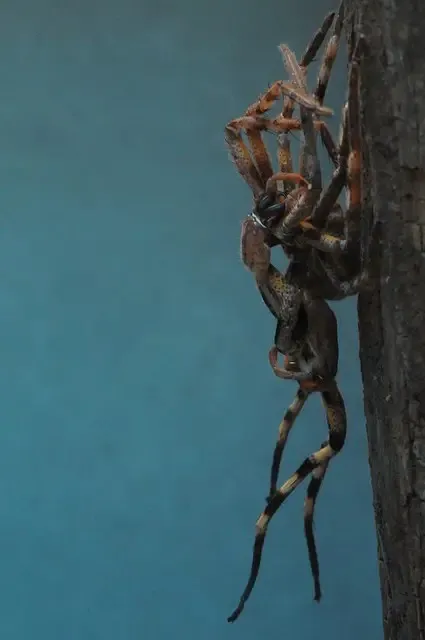
A stuck molt is when the tarantula is unable to completely shed its old exoskeleton. This can be caused by low humidity, injury, or other environmental factors. Look for areas where the old exoskeleton hasn’t separated from the new one. If you identify a stuck molt, try gently increasing the humidity in the enclosure. You can do this by misting more frequently or adding a damp sponge. Avoid pulling or attempting to remove the old exoskeleton; this could cause injury. If the problem persists, seek advice from a veterinarian or experienced tarantula keeper.
Dehydration
Dehydration can be a serious issue during and after molting. It can cause the exoskeleton to become brittle and can make molting difficult. Prevent dehydration by ensuring your tarantula has access to fresh water at all times and maintaining proper humidity levels. If you notice signs of dehydration, such as a wrinkled abdomen, increase the enclosure’s humidity and offer more water. Provide the correct humidity to help your tarantula stay hydrated. If dehydration is severe, consult with an expert.
Injury During Molting
Injuries during molting are rare but can occur if the enclosure is not properly set up or if the tarantula is disturbed. Ensure the enclosure is free of sharp objects and provide a stable environment. If your tarantula does get injured, carefully assess the damage. Minor injuries may heal on their own. For more severe injuries, it is best to consult a veterinarian specializing in exotic animals. Preventative care is crucial to avoid injuries during the molting process. Careful monitoring and observation will help to maintain a healthy tarantula.