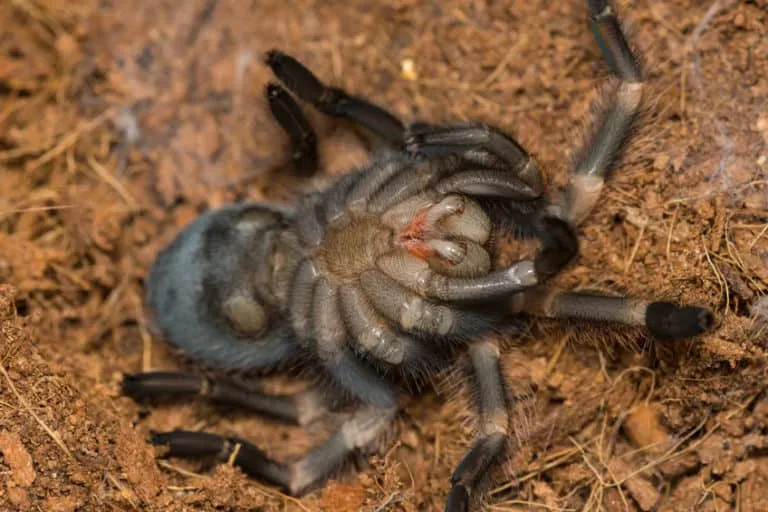
Top 5 Signs a Tarantula Is Molting
Owning a tarantula can be a fascinating experience, and one of the most intriguing aspects of tarantula care is the molting process. Molting is when a tarantula sheds its exoskeleton to grow. This is a vulnerable time for your pet. Recognizing the signs that your tarantula is about to molt is crucial for providing proper care and ensuring its well-being. This guide will explore the top 5 signs that indicate your tarantula is preparing to undergo this amazing transformation. Understanding these signs will help you provide a safe and comfortable environment for your tarantula during molting.
Lethargy and Reduced Activity
One of the earliest indicators that your tarantula is preparing to molt is a noticeable decrease in its activity level. Your typically active tarantula may become sluggish, spending more time in its burrow or a secluded corner of its enclosure. This behavior is a clear sign that the tarantula is conserving energy for the demanding process of molting. Keep a close eye on your pet’s movements, as a sudden change in activity is often the first clue.
Understanding Tarantula Behavior Changes

The reduced activity is a direct result of the physiological changes happening inside the tarantula. Molting requires a great deal of energy, and the tarantula will naturally slow down its movements to focus on this internal process. You might observe your tarantula spending more time in a single spot, with minimal movement, which can be concerning if you aren’t aware of the molting process. Understanding the cause of the change in behavior can ease your worries. During this period, it is important not to disturb your tarantula unless necessary and to ensure the enclosure is kept at the correct temperature and humidity levels.
What to do when you observe lethargy
When you observe lethargy, the primary concern is to avoid any disturbance. Stop offering food and ensure your tarantula has access to clean water. Avoid handling your tarantula, as it is highly vulnerable during this phase. Maintain the correct temperature and humidity levels in the enclosure. Observe your tarantula from a distance, taking note of any other signs of molting. Providing a stress-free environment can significantly contribute to a successful molt. Keep a close watch, and be patient as this process can take several days or weeks.
Color Changes and Dull Appearance
As your tarantula prepares to molt, you’ll notice changes in its color and overall appearance. The vibrant colors of your tarantula may start to appear dull or faded. This change is due to the new exoskeleton forming underneath the old one. The existing exoskeleton will begin to separate from the tarantula’s body, making it appear less shiny and vibrant than usual. The colors may also appear more muted, giving the tarantula a less lively appearance. This color change is a reliable indicator that molting is on the horizon.
How to recognize color variations in tarantulas
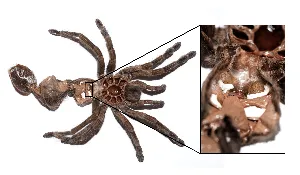
Different tarantula species have unique color patterns, and recognizing these variations will help you identify when a change is occurring. Pay close attention to the colors of the carapace (the top part of the cephalothorax), the legs, and the abdomen. Any significant change in the intensity or vibrancy of these colors is a strong indication that molting is approaching. Observing your tarantula regularly allows you to become familiar with its normal appearance and quickly spot any deviations.
Why do tarantulas’ colors change when molting
The color change is a direct result of the separation of the old exoskeleton from the tarantula’s body. The new, soft exoskeleton is forming underneath, and the older one appears duller because of the separation and the impending shed. The change in color is not always drastic but is usually noticeable to an attentive observer. This is a natural process and shouldn’t cause alarm. It simply means your tarantula is preparing to reveal its new, fresh exterior.
Abdomen Darkening or Thinning
Another key sign that your tarantula is getting ready to molt is the appearance of the abdomen. You might notice that the abdomen looks darker or thinner than usual. This darkening is due to the stretching of the old exoskeleton as the new one forms beneath it. It can also appear more translucent, revealing the internal organs. As the molting process continues, the abdomen may appear more fragile and delicate. These physical changes are a strong indicator that your tarantula is preparing to shed its exoskeleton.
The significance of abdomen appearance
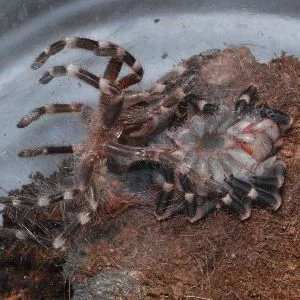
The abdomen is a critical part of the tarantula’s body, and its condition during the molting process provides vital clues. A darkened or thinned abdomen indicates that the tarantula’s new exoskeleton is developing. It is essential to avoid disturbing the tarantula during this time, as any pressure on the abdomen can be harmful. Proper enclosure conditions are crucial to assist the tarantula in a successful molt. The thinning of the abdomen is a result of the new exoskeleton taking up space under the old one, a clear sign that the molting process is underway.
How to ensure proper hydration during molting
Proper hydration is crucial during the molting process. Provide a shallow water dish in the enclosure. This will help maintain the correct humidity levels needed for the molt. Ensure the water dish is clean and refilled regularly. If your tarantula is in a drier environment, misting the enclosure lightly can help. This is a critical factor for a successful molt. Dehydration can make molting difficult and potentially fatal, so monitor the water source and enclosure humidity carefully.
Loss of Appetite and Refusal to Eat
A significant change in your tarantula’s eating habits is another primary sign of molting. Many tarantulas will stop eating in the weeks leading up to a molt. They may show little to no interest in food, even if they are usually voracious eaters. This behavior is common, as the tarantula’s body is focused on the internal process of shedding its exoskeleton. Refusing food is a natural part of the preparation for molting, and it is important to respect the tarantula’s lack of appetite during this time.
The impact of fasting on the molting process

Fasting is a natural behavior for tarantulas preparing to molt. The tarantula’s digestive system slows down, and it redirects its energy towards the molting process. Trying to force-feed a tarantula is not recommended, as it can stress the animal and potentially cause injury. You can offer food, but don’t be alarmed if it is refused. The tarantula will resume eating once the molting process is complete.
Feeding guidelines during and after molting
Do not offer food when you suspect your tarantula is molting. After the molt, wait several days to allow the tarantula’s new exoskeleton to harden. Begin by offering a small, manageable meal, such as a single cricket or a small dubia roach. Observe your tarantula closely to ensure it is eating well. The tarantula will often be very hungry post-molt and readily accept food. Gradually increase the size and frequency of feedings as the tarantula recovers its appetite and strength.
Appearance of a Bald Spot
One of the most easily recognizable signs of an approaching molt is the appearance of a bald spot on your tarantula’s abdomen. This bald spot is caused by the tarantula rubbing its abdomen against the substrate or the sides of its enclosure. It is a clear indication that the tarantula is preparing to shed its exoskeleton. The bald spot is a natural occurrence and shouldn’t be cause for concern. It is a telltale sign that the molting process is about to begin.
What causes the bald spot in tarantulas

The bald spot is a result of the tarantula’s behavior as it gets ready to molt. The tarantula will often rub its abdomen against the substrate or other surfaces to help loosen the old exoskeleton. This friction wears away the hairs (setae) on the abdomen, creating the bald spot. The bald spot is a normal part of the molting preparation and is more noticeable in certain species. It is not a sign of illness but a natural indication that a molt is coming.
How to handle the bald spot
There is no special handling required for a tarantula with a bald spot. Continue providing appropriate care, including proper temperature, humidity, and a clean water source. Avoid handling the tarantula during this time, as it is more vulnerable. The bald spot will disappear after the molt, as the tarantula’s new exoskeleton will have a fresh covering of hairs. Just be patient and observe your tarantula, as it goes through this normal process.
Conclusion
Molting is a natural and essential part of a tarantula’s life cycle. Recognizing the signs that your tarantula is preparing to molt is crucial for providing the proper care and ensuring its well-being. By understanding signs such as lethargy, color changes, a thinning abdomen, loss of appetite, and the appearance of a bald spot, you can be prepared to assist your pet through this remarkable transformation. With patience and proper care, you can help your tarantula thrive and enjoy a healthy life.