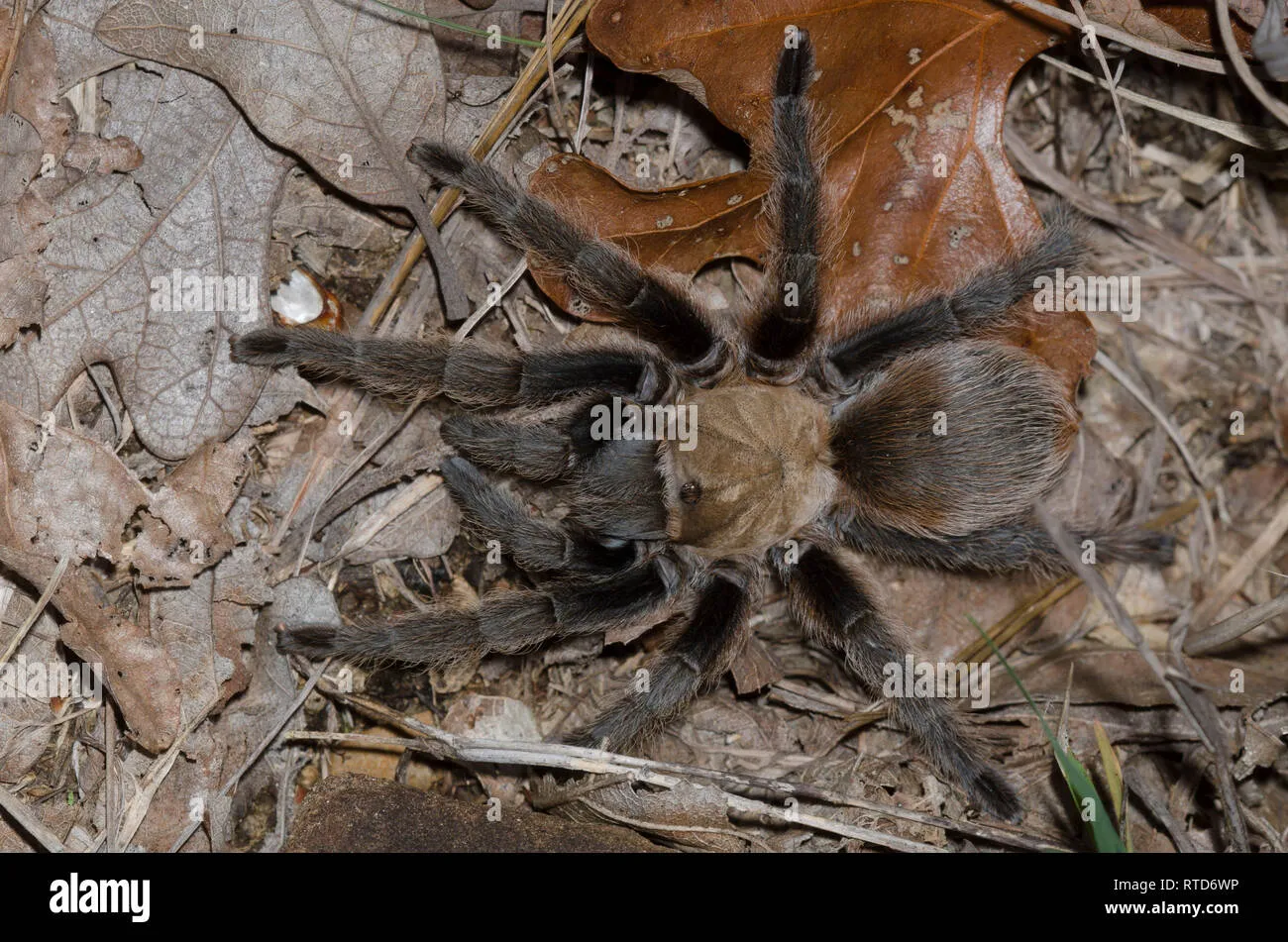
Oklahoma Tarantula Pet Guide Top 5 Tips
Bringing an Oklahoma tarantula into your home can be an exciting adventure. These fascinating creatures are relatively low-maintenance pets, but they require specific care to thrive. This guide provides the top 5 tips for successful Oklahoma tarantula ownership, covering everything from choosing the right tarantula to ensuring its health and well-being. With proper knowledge and preparation, you can enjoy the unique experience of keeping these amazing arachnids as pets. The following tips will help you provide a safe and enriching environment for your Oklahoma tarantula pet, ensuring a long and healthy life for your eight-legged companion. Whether you are a beginner or experienced, this guide will help you provide the best possible care for your tarantula.
Choosing the Right Oklahoma Tarantula
Selecting the right Oklahoma tarantula is crucial for both your safety and the tarantula’s well-being. Different species have varying temperaments, care requirements, and sizes. Understanding these differences will help you choose a tarantula that suits your lifestyle and experience level. Start by researching the different types of tarantulas available and consider their specific needs. A well-informed decision ensures a positive experience for both you and your new pet. It’s important to know which species are native to Oklahoma, and which ones are more suitable for captive environments. Researching the ideal pet will allow you to make the best choice.
Consider Your Experience Level

If you are new to tarantula keeping, it’s best to start with a species known for its docile temperament and relatively easy care requirements. Some species are more defensive and may be prone to biting or flicking urticating hairs, which can cause irritation. Begin with a species that is known to be more docile, such as the Chilean rose hair tarantula or the Mexican red knee tarantula. These species are generally more tolerant of handling and less likely to exhibit aggressive behaviors. Avoid fast or nervous species that can be challenging for beginners. Research the temperament of different tarantulas thoroughly before making your choice. This will help you choose a pet that fits your comfort level.
Research Different Species
Before acquiring a tarantula, research different species to understand their specific needs. Some tarantulas are terrestrial, meaning they live on the ground, while others are arboreal, meaning they live in trees. Their enclosure requirements and feeding habits will vary. Consider the tarantula’s size, lifespan, and potential growth to ensure you can provide appropriate housing and care throughout its life. Study the species’ natural habitat to understand their temperature and humidity requirements. Popular beginner species include the Chilean rose hair (Grammostola rosea) and the Mexican red knee (Brachypelma hamorii), which are known for their relatively calm temperaments and ease of care. Thorough research is the first step in responsible tarantula ownership (Image: oklahoma-tarantula-species.webp).
Acquire a Healthy Tarantula
When purchasing a tarantula, choose a reputable breeder or pet store to ensure you are getting a healthy specimen. Look for signs of good health, such as a plump abdomen (indicating it’s well-fed), bright coloration, and active behavior. Avoid tarantulas that appear lethargic, have a sunken abdomen (which could indicate dehydration or starvation), or have any visible injuries. Inspect the tarantula’s enclosure for cleanliness and proper setup. A healthy tarantula will have a strong, well-formed body and move with confidence. Check for any signs of mites or other parasites. Purchasing from a reputable source increases the likelihood of obtaining a healthy tarantula. Ensure the seller can answer your questions, and is knowledgeable (Image: tarantula-health.webp).
Setting Up the Perfect Oklahoma Tarantula Habitat
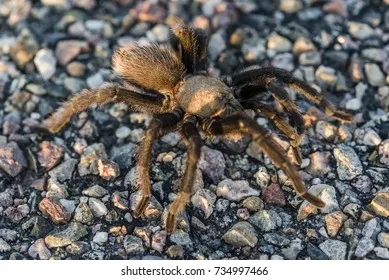
Creating the right habitat is essential for your Oklahoma tarantula’s well-being. The enclosure should provide a secure and comfortable environment that mimics its natural habitat. Proper setup includes appropriate size, substrate, temperature, humidity, and hiding places. A well-designed enclosure will not only keep your tarantula safe but also provide enrichment and reduce stress. Proper setup is key to a happy and healthy tarantula. Choose a suitable enclosure and prepare the substrate. Make sure the enclosure is secure and escape-proof, so your tarantula remains safe and contained. Following these guidelines can help you provide your tarantula with a comfortable, secure, and enriching environment (Image: tarantula-enclosure.webp).
Enclosure Size and Type
The size of the enclosure should be appropriate for the tarantula’s size and species. A general guideline is to provide an enclosure that is at least three times the tarantula’s leg span in width. Terrestrial species require more floor space, while arboreal species need more vertical space. The enclosure should have a secure lid to prevent escapes and provide proper ventilation to maintain airflow and prevent mold. Glass or acrylic tanks are common choices. Avoid enclosures with mesh tops, as they can be difficult to maintain humidity. The enclosure should be easy to clean and provide good visibility. Remember to choose an enclosure that is easy to access for feeding and maintenance.
Substrate Selection
The substrate is the bedding material in your tarantula’s enclosure. It serves as a comfortable surface, helps regulate humidity, and provides a place for the tarantula to burrow or hide. Good substrate choices include a mixture of peat moss, coconut fiber, or vermiculite. Avoid substrates that are toxic or have sharp edges. The substrate should be deep enough for the tarantula to burrow if it is a terrestrial species. Ensure that the substrate is kept clean by removing uneaten food and feces regularly. The substrate should be slightly moist, but not waterlogged, to maintain proper humidity levels. The substrate should be easy to maintain and change as needed (Image: tarantula-habitat.webp).
Temperature and Humidity Control

Tarantulas are ectothermic, meaning they rely on external sources to regulate their body temperature. Maintain the appropriate temperature range for your tarantula’s species. A heat lamp or heat mat can be used to provide warmth, but make sure the enclosure does not overheat. Humidity is also crucial. The ideal humidity levels vary by species. Use a hygrometer to monitor humidity levels. Mist the enclosure regularly, or provide a water dish, to maintain the appropriate humidity. Proper temperature and humidity are essential for your tarantula’s health, molting, and overall well-being. Regularly monitor temperature and humidity levels and make adjustments as necessary. This will help your tarantula thrive.
Feeding Your Oklahoma Tarantula Pet
Feeding your Oklahoma tarantula pet correctly is fundamental for its survival. Tarantulas are carnivores, and their diet primarily consists of insects. Understanding the right food choices, frequency, and amount ensures your tarantula receives the necessary nutrients for growth and overall health. It’s important to understand the dietary requirements of your specific tarantula species. Different tarantulas have varied preferences and appetites. A balanced diet and appropriate feeding schedule will contribute significantly to your tarantula’s well-being. Providing a varied and appropriate diet will contribute to your tarantula’s long and healthy life (Image: tarantula-feeding.webp).
Appropriate Food Choices
The most common food for tarantulas is insects, such as crickets, mealworms, roaches, and other commercially available feeders. Ensure the insects are gut-loaded with nutritious food before feeding them to your tarantula. This process ensures the insects are packed with nutrients. Avoid feeding your tarantula insects caught from outdoors, as they may contain pesticides or parasites. The size of the insects should be appropriate for your tarantula’s size. As a general rule, feed insects that are no larger than the tarantula’s body. Variety in the diet is beneficial, offering different insects to provide a balanced range of nutrients. Keep a constant supply of fresh, clean water accessible to the tarantula. Always provide your tarantula with a healthy and nutritious meal.
Feeding Frequency and Amounts

The feeding frequency depends on the tarantula’s age and species. Young tarantulas typically need to be fed more often than adults. Feed juveniles 2-3 times a week and adults once a week, or even less frequently. Observe your tarantula’s eating habits. If it consistently refuses food, this could indicate it is about to molt or is not feeling well. Remove any uneaten food within 24 hours to prevent mold growth. The amount of food provided depends on the tarantula’s size and appetite. Offer an appropriate number of insects per feeding. Overfeeding can lead to stress and health issues. Adjust the feeding schedule based on the tarantula’s condition and behavior. Monitor your tarantula’s abdomen, which should be full but not overly distended (Image: tarantula-feeding.webp).
Watering and Hydration
Providing fresh water is essential for your tarantula’s hydration. Always have a shallow water dish filled with clean water. Change the water regularly to prevent bacteria growth. Some tarantulas get sufficient hydration from the moisture in their food and enclosure. Ensure the substrate is properly moistened. For larger tarantulas, provide a larger water dish to prevent them from accidentally drowning. Monitor the tarantula’s behavior and environment for signs of dehydration. In arid environments, mist the enclosure occasionally to boost humidity. Providing clean water is a vital part of tarantula care (Image: tarantula-water.webp).
Handling and Safety Precautions
Handling a tarantula can be a rewarding experience, but it requires caution and respect for the animal. It’s important to understand your tarantula’s behavior and follow safe handling techniques to avoid injury to both yourself and the tarantula. Always prioritize the tarantula’s well-being and avoid unnecessary handling, especially if it appears stressed or agitated. By exercising caution and proper techniques, you can minimize risks and create a positive interaction. Remember, tarantulas are delicate creatures and can be easily injured. Respect their space and handle them gently. Take the time to understand their body language and the risks associated with handling (Image: tarantula-handling.webp).
Understanding Tarantula Behavior

Tarantulas exhibit various behaviors, which can indicate their mood and willingness to be handled. Familiarize yourself with signs of stress or aggression, such as raising their front legs, flicking urticating hairs (in some species), or a defensive posture. Learn to recognize the signals that indicate your tarantula is not receptive to being handled. Nervous behaviors such as excessive movement are a sign that the tarantula wants to be left alone. Some tarantulas may be more docile than others, but all tarantulas can bite if they feel threatened. Observe your tarantula for these signs before attempting to handle it. Recognizing these behaviors will help you to avoid potential problems. Understanding tarantula behavior is a crucial aspect of responsible ownership.
Safe Handling Techniques
If you decide to handle your tarantula, do so with extreme care. Always handle the tarantula over a soft surface, such as a bed or a carpet, to minimize the risk of injury if it falls. Gently coax the tarantula onto your hand, avoiding sudden movements. Move slowly and calmly, and never squeeze the tarantula. Allow the tarantula to walk across your hand at its own pace. Avoid handling the tarantula when it is about to molt, as they are more fragile and vulnerable during this period. Supervise children closely when they are interacting with the tarantula. Wash your hands thoroughly before and after handling the tarantula. Keep your handling sessions short and infrequent to minimize stress for your pet.
Avoiding Bites and Other Hazards
Tarantula bites are rare, but they can be painful. The venom is generally not life-threatening to humans, but the bite can cause local pain, redness, and swelling. If you are bitten, clean the wound thoroughly with soap and water and seek medical attention if symptoms worsen. Some tarantulas have urticating hairs, which they can flick off their abdomens as a defense mechanism. These hairs can cause skin irritation. Avoid touching your eyes or face after handling a tarantula. Avoid exposure to urticating hairs. When cleaning the enclosure or interacting with the tarantula, wear gloves to prevent direct contact. If you get urticating hairs on your skin, wash the area thoroughly with soap and water. With proper precautions, handling tarantulas can be done safely.
Health and Common Issues

Maintaining your Oklahoma tarantula’s health involves preventative care and prompt attention to any potential issues. Recognizing the signs of illness or distress is crucial for early intervention and ensuring your pet’s well-being. Regular observation and preventative measures will help you provide your tarantula with a long and healthy life. Tarantulas are generally robust creatures, but they can be susceptible to certain health problems. Proper care and a clean environment will help prevent many of these problems. The right care will allow the tarantula to live the best possible life.
Recognizing Signs of Illness
Learn to recognize the signs of illness in your tarantula. Common symptoms include lethargy, loss of appetite, a sunken abdomen, unusual posture, or difficulty moving. Watch for any discoloration or unusual growths. If your tarantula is not eating, this can be a sign of illness, stress, or an impending molt. A tarantula that is not molting properly may experience difficulties and can require intervention. Consult an experienced tarantula keeper or a veterinarian familiar with arachnids if you notice any concerning symptoms. Quarantine a sick tarantula to prevent the spread of any potential diseases. Early detection and prompt treatment are key to ensuring your tarantula’s health.
Preventative Care and Maintenance
Implement preventive care measures to keep your tarantula healthy. Maintain a clean enclosure and remove uneaten food to prevent the growth of mold and bacteria. Provide a varied and nutritious diet. Ensure that the enclosure has proper ventilation. Regularly monitor the temperature and humidity levels. Handle your tarantula only when necessary and avoid stressing it. Ensure that the enclosure is in a safe location, away from direct sunlight, drafts, and loud noises. Clean the enclosure regularly and replace the substrate as needed. Regularly inspect your tarantula for any signs of illness or parasites. By following these preventative measures, you can help ensure that your tarantula thrives in a healthy environment.