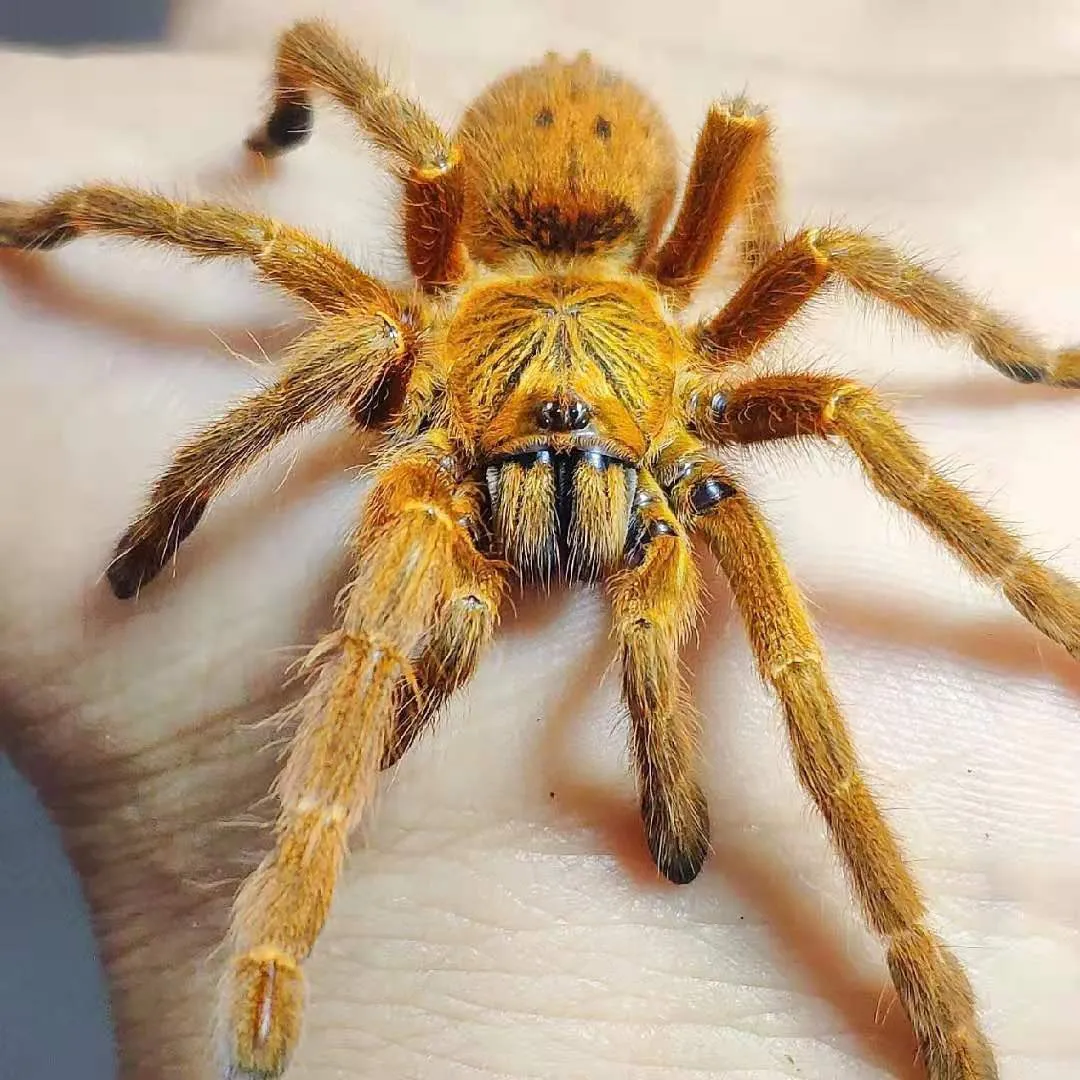
The Orange Baboon Tarantula: An Overview
The Orange Baboon Tarantula, scientifically known as Heteroscodra maculata, is a fascinating and often sought-after species in the tarantula hobby. Known for its striking coloration and relatively manageable size, it can be a rewarding pet for experienced keepers. However, prospective owners should be well-informed about its specific care requirements and temperament. This guide delves into essential aspects of caring for an Orange Baboon Tarantula, offering key facts to ensure its well-being and your enjoyment as a keeper.
What is the Orange Baboon Tarantula
The Orange Baboon Tarantula gets its name from its vibrant orange coloration, which can vary in intensity depending on the individual spider and its stage of life. They are arboreal tarantulas, meaning they primarily inhabit trees and other elevated structures in their natural environment. This species is characterized by its fast movements and defensive nature, making it a species best suited for keepers with some prior experience with tarantulas. The Orange Baboon Tarantula is not known for being particularly docile, and it is important to understand its potential for aggression and defensive behaviors before acquiring one.
Origin and Habitat

Native to West Africa, the Orange Baboon Tarantula thrives in warm and humid environments. Their natural habitat includes rainforests and wooded areas where they construct webs in trees, rock crevices, and under the bark. Mimicking their natural environment is crucial for their health and well-being in captivity. Understanding the environmental conditions they are accustomed to is essential to provide the optimal living space. This knowledge will help to replicate the conditions they need to thrive, promoting both a healthy and long lifespan.
In the wild, they are commonly found in areas with high humidity and temperatures. They are ambush predators, waiting patiently for prey to come within striking distance. The wild conditions are critical for understanding how to appropriately care for them in captivity. Mimicking the natural environment as closely as possible is the key to success for keeping them healthy.
Appearance and Color Forms
The Orange Baboon Tarantula is known for its distinctive orange and brown coloration. The carapace, legs, and abdomen exhibit a blend of these colors. Though the ‘red color form’ is a specific genetic mutation, the base colors may vary from a dark brown to vibrant orange. Juveniles often start with less vibrant colors that intensify as they mature. The striking appearance contributes significantly to their popularity among enthusiasts. The colors can be truly stunning, making them a highlight of any tarantula collection.
Top 5 Facts About Caring for Your Orange Baboon Tarantula
Fact 1: Enclosure Requirements

Creating a suitable enclosure is the first and most important step in caring for an Orange Baboon Tarantula. Given their arboreal nature, the enclosure should be taller than it is wide, allowing plenty of vertical space for climbing and web-building. A ten-gallon tank is often suitable for juveniles, while adults will require larger enclosures to accommodate their full size. The enclosure should also have a secure lid to prevent escapes, and good ventilation to prevent the buildup of humidity and stagnant air.
Substrate and Decoration
The substrate should be a mixture that can retain some humidity, such as coco fiber, peat moss, or a mix of both. This substrate helps to maintain the necessary humidity levels for the tarantula. Provide plenty of decorations, like cork bark, branches, and artificial plants, to offer hiding places and climbing opportunities. These decorations will help the tarantula feel safe and secure. Make sure decorations are stable and safe so there is no chance of the tarantula getting injured.
Temperature and Humidity
Maintain a temperature range between 75-85°F (24-29°C) using a heat mat or a heat lamp placed outside the enclosure. Regularly mist the enclosure to maintain humidity levels between 65-75%. Ensure the enclosure isn’t excessively humid, which can cause mold growth and health problems. The use of a hygrometer is essential to monitor the humidity level. Constant monitoring is crucial to ensure optimal conditions for your Orange Baboon Tarantula.
Fact 2: Feeding Your Tarantula

Feeding your Orange Baboon Tarantula is relatively straightforward, but it’s important to provide a balanced diet. The tarantula’s appetite can vary based on its age, size, and molting cycle. It’s crucial to avoid overfeeding, as this can lead to health issues.
Suitable Prey Items
The primary diet should consist of live insects such as crickets, roaches, and mealworms. These insects provide the necessary nutrients to support the tarantula’s growth and development. It’s best to offer a variety of insects to ensure a balanced diet. Ensure the insects are gut-loaded with nutritious food before feeding them to your tarantula. Avoid feeding wild-caught insects, as they may carry parasites or pesticides.
Feeding Frequency
Juvenile tarantulas should be fed more frequently, about two to three times a week. Adult Orange Baboon Tarantulas can be fed once a week or every other week, depending on their appetite and size. Remove any uneaten food within 24 hours to prevent mold and bacteria growth. Observe your tarantula’s abdomen; it should be appropriately sized, and not overly large, indicating a potential overfeeding issue.
Fact 3: Handling and Temperament

Handling Orange Baboon Tarantulas is generally not recommended due to their defensive nature and the potential for a painful bite. However, some keepers choose to handle their tarantulas, but they should be extremely cautious and understand the risks involved. Always prioritize the safety and well-being of both the tarantula and yourself. It’s best to admire them in their enclosures and avoid unnecessary interactions.
Safe Handling Practices
If you choose to handle your Orange Baboon Tarantula, do so with extreme caution. Use a soft, wide brush to gently coax the spider onto your hand, rather than grabbing it directly. Avoid sudden movements and loud noises that could startle the tarantula. Handle them over a soft surface, such as a bed or a low table, to minimize the risk of injury if it falls. Always wash your hands thoroughly before and after handling to prevent the spread of any potential contaminants.
Understanding Defensive Behaviors
Orange Baboon Tarantulas can exhibit a range of defensive behaviors, including raising their front legs in a threat posture, flicking urticating hairs, or biting. Recognizing these behaviors is crucial to avoiding injury. Be observant and learn the warning signs. Respect their space and understand that even a well-cared-for tarantula may bite if it feels threatened. They are generally not aggressive for no reason, but they can be skittish and easily startled.
Fact 4: Health and Common Issues

Like any pet, Orange Baboon Tarantulas are susceptible to certain health issues. Regular observation and preventative measures are critical to ensure their health and longevity. Providing the appropriate care is the first step in preventing illness. The more you observe them, the more likely you are to spot a potential problem early.
Signs of Illness
Look for signs of illness, such as lethargy, loss of appetite, unusual posture, or a swollen abdomen. These can be indicators of various issues, including parasites, bacterial infections, or improper molting. If you observe any of these symptoms, consult with an experienced tarantula keeper or a veterinarian familiar with arachnids. Prompt intervention can significantly improve the chances of recovery.
Preventative Measures
Maintain optimal environmental conditions (temperature, humidity, and cleanliness) to prevent health issues. Provide a varied diet and avoid overfeeding to prevent digestive problems. Ensure the enclosure is clean and free of waste and mold. Provide a fresh water source at all times. Regular cleaning and proper care contribute significantly to a tarantula’s overall health and wellbeing. Be proactive, and avoid issues before they start.
Fact 5: Lifespan and Growth

The lifespan of an Orange Baboon Tarantula varies, with females generally living longer than males. Understanding their growth process, which includes molting, will help you better care for your tarantula. The molting process is a critical part of their growth and development. Provide appropriate care during molting for a successful outcome.
Molting Process
Molting is the process by which tarantulas shed their exoskeletons to grow. Before molting, tarantulas often become inactive, stop eating, and may lie on their backs. Do not disturb them during this vulnerable time. After molting, the tarantula’s new exoskeleton will be soft and vulnerable, so avoid handling them until it hardens. Offer food about a week after molting.
Lifespan Expectations
Female Orange Baboon Tarantulas can live for 10-15 years or longer, while males typically have a shorter lifespan of 3-5 years. The lifespan is dependent on proper care. Proper care, including appropriate temperature, humidity, and diet, directly affects their overall health and lifespan. Providing them with optimal conditions will significantly contribute to a longer and healthier life.
Conclusion
Caring for an Orange Baboon Tarantula can be a rewarding experience for those who are prepared to meet its specific needs. By providing the right enclosure, diet, and environmental conditions, you can ensure that your tarantula thrives. Always prioritize safety and observe your tarantula for any signs of illness or stress. This guide provides the foundational knowledge required for responsible Orange Baboon Tarantula ownership. With proper care, these amazing creatures can bring years of fascination and enjoyment.