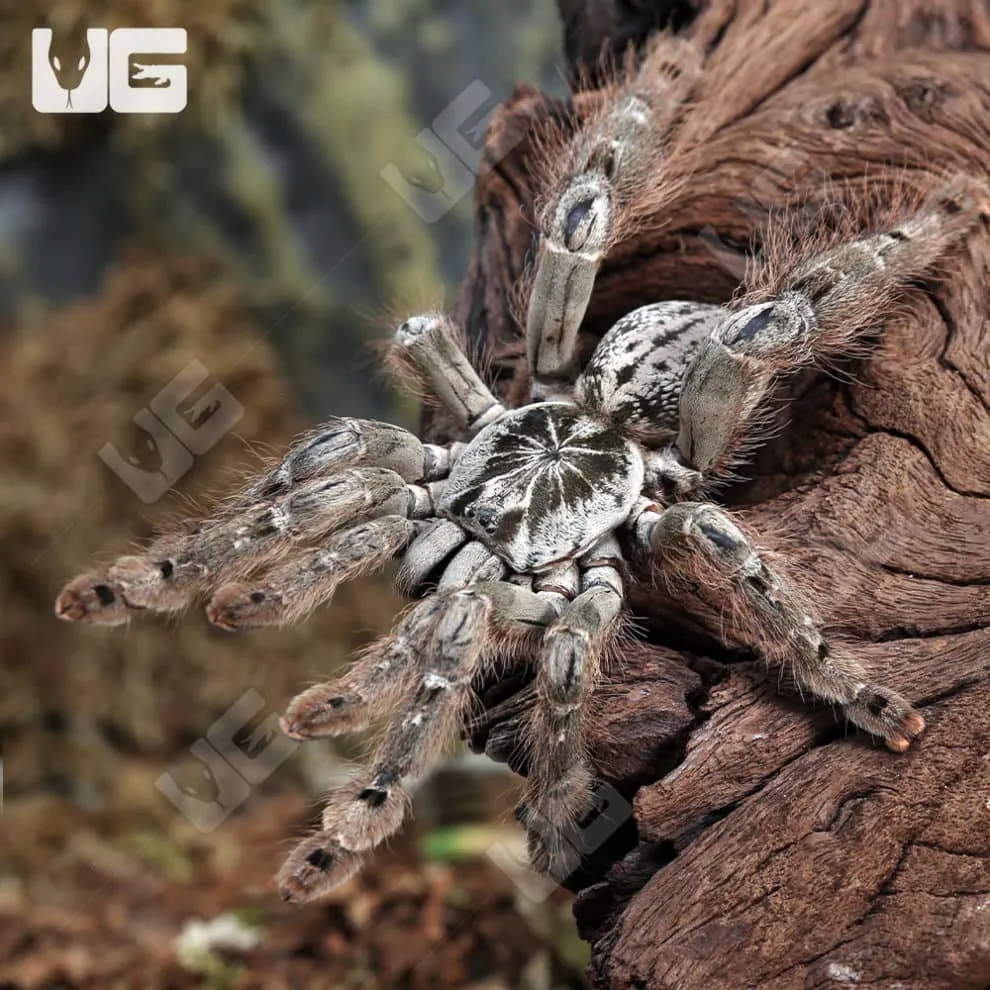
Ornamental Baboon Tarantula Care Basics
The Ornamental Baboon Tarantula (Genus: Heteroscodra) is a fascinating and often sought-after species in the tarantula hobby. Known for their striking appearance and relatively manageable care requirements, these spiders can be a rewarding experience for intermediate to advanced keepers. This guide delves into the essential aspects of ornamental baboon tarantula care, providing you with the knowledge needed to ensure a healthy and thriving pet. From understanding their habitat needs to mastering feeding and safety protocols, this comprehensive guide is designed to equip you with all the necessary information.
Choosing Your Ornamental Baboon Tarantula
Selecting a healthy Ornamental Baboon Tarantula is crucial for its long-term well-being. Several factors should be considered when choosing your new pet. Always source your tarantula from a reputable breeder or pet store that specializes in arachnids. This reduces the risk of obtaining a tarantula with pre-existing health problems or incorrect identification. Observe the tarantula’s behavior and physical condition before making a purchase, ensuring it is active, alert, and free from any visible signs of illness or injury.
Where to buy your tarantula

When purchasing an Ornamental Baboon Tarantula, the source is important. Reputable breeders and specialized pet stores offer several advantages. They generally have more experience in tarantula care and can provide accurate information about the species, its origin, and any specific care requirements. These sources are also more likely to offer healthy specimens that are well-acclimated to captivity and free from parasites or diseases. Furthermore, they can often provide support and advice throughout the tarantula’s life.
What to Look For
When examining a potential Ornamental Baboon Tarantula, inspect its overall condition. The tarantula should appear alert and responsive to its environment. Check for any missing limbs or signs of injury, such as open wounds or damaged exoskeletons. A healthy tarantula should have a plump abdomen, indicating it is well-fed and hydrated. The fangs should be intact and not damaged. Avoid tarantulas that appear lethargic, display uncoordinated movements, or have a sunken abdomen, as these could be signs of underlying health issues. Also look for any unusual growths or parasites.
Setting Up the Perfect Habitat
Creating a suitable habitat is essential for the health and well-being of your Ornamental Baboon Tarantula. The enclosure should mimic the spider’s natural environment, providing the appropriate temperature, humidity, and space for it to thrive. The right setup contributes significantly to your tarantula’s overall comfort and reduces stress, which can impact its lifespan. Here’s a guide to setting up the ideal home for your Ornamental Baboon Tarantula, ensuring its needs are met.
Enclosure Size and Type

The size of the enclosure is an important consideration. A juvenile Ornamental Baboon Tarantula can be housed in a smaller enclosure, such as a 5-gallon tank or a plastic container of similar dimensions. As the tarantula grows, it will need more space. For an adult, a 10-gallon or larger enclosure is generally recommended. The enclosure should provide ample floor space for the tarantula to move around and explore. Ensure the enclosure has a secure lid to prevent escapes, as Ornamental Baboon Tarantulas are skilled climbers. Ventilation is another key component.
Substrate and Decor
The substrate provides a comfortable surface for the tarantula to walk on, burrow in, and feel secure. A good substrate for Ornamental Baboon Tarantulas includes a mixture of coconut fiber, peat moss, and a small amount of vermiculite. This blend helps to retain humidity and provide a naturalistic environment. The substrate should be deep enough for the tarantula to burrow if it chooses to, typically 3-4 inches deep. Provide ample decor, such as cork bark, artificial plants, or branches, to offer hiding places and climbing opportunities. Avoid sharp or abrasive materials that could injure the tarantula.
Temperature and Humidity
Ornamental Baboon Tarantulas thrive in a temperature range of 75-85°F (24-29°C). Maintain this temperature using a heat mat or a heat lamp, ensuring the heat source does not directly contact the enclosure to prevent overheating. The humidity level should be kept between 65-75%. Achieve this by lightly misting the enclosure with water every few days or as needed, particularly if the substrate appears dry. Use a hygrometer to monitor humidity levels accurately. Proper ventilation is also essential to prevent the buildup of excessive moisture and mold.
Feeding Your Ornamental Baboon Tarantula

Feeding your Ornamental Baboon Tarantula the right diet is vital for its health and growth. These tarantulas are voracious eaters, and providing the appropriate food and feeding schedule is key to their well-being. The diet should be varied and nutritious, ensuring your tarantula receives all the necessary nutrients. Always handle live prey with care and remove any uneaten food to maintain a clean and healthy environment for your pet. Here’s a look at feeding guidelines and best practices.
What to Feed
The primary diet for Ornamental Baboon Tarantulas should consist of insects. Good food options include crickets, roaches, mealworms, and even small invertebrates. The size of the prey should be appropriate for the tarantula’s size. Generally, the prey should be no larger than the tarantula’s body length. Provide a variety of insects to ensure a balanced diet. Before feeding, it is advisable to gut-load the insects with nutritious food, such as fruits, vegetables, and commercial insect food, to increase their nutritional value for the tarantula.
Feeding Frequency
The feeding frequency depends on the tarantula’s age and size. Spiderlings and juveniles should be fed more frequently, usually 2-3 times a week. As the tarantula grows, the feeding frequency can be reduced. Adults can be fed once every 1-2 weeks, depending on their appetite and condition. Observe your tarantula’s abdomen. If it is plump and the tarantula is not actively seeking food, it is likely well-fed. If the abdomen appears shrunken, it may need more frequent feedings.
Watering and Hydration

Providing fresh water is critical for your Ornamental Baboon Tarantula’s hydration. Always have a shallow water dish with fresh, clean water available in the enclosure. The water dish should be small enough to prevent the tarantula from drowning. Change the water frequently, ideally every 1-2 days, to keep it clean. In addition to the water dish, misting the enclosure lightly can help to increase humidity and provide another source of hydration. Ensure you do not over-saturate the substrate to avoid mold growth.
Handling and Safety Tips
While Ornamental Baboon Tarantulas are fascinating, it’s crucial to prioritize safety when interacting with them. Their venom, although not usually life-threatening to humans, can cause painful bites. Their urticating hairs, which they can flick as a defense mechanism, can also cause skin irritation. Understanding safe handling practices and recognizing tarantula behavior are essential for both the keeper and the tarantula’s well-being. Always be cautious and respectful of these creatures to minimize the risk of harm.
Safe Handling Practices
Handling Ornamental Baboon Tarantulas is generally discouraged unless absolutely necessary, such as for health checks or enclosure maintenance. If handling is required, do so with caution and respect. Use long tongs to gently move the tarantula if needed, and avoid touching the spider directly. Always keep your hands and fingers away from the tarantula’s fangs and abdomen. Be mindful of its urticating hairs, which can cause irritation upon contact. If you must handle the tarantula directly, do so over a soft surface to minimize the risk of injury should it fall.
Understanding Tarantula Behavior

Observing your Ornamental Baboon Tarantula’s behavior is important for its care and safety. When a tarantula feels threatened, it may raise its front legs, adopt a defensive posture, or flick urticating hairs. These are warning signs that the tarantula is stressed or agitated. Avoid any sudden movements or loud noises that could startle the tarantula. Get to know the signs of a calm and comfortable tarantula. A relaxed tarantula will often be seen resting or exploring its enclosure without displaying defensive behaviors. Being attentive to these behavioral cues helps prevent bites and ensures you handle your tarantula with the utmost care.
Common Health Issues and Solutions
Like all pets, Ornamental Baboon Tarantulas can experience health problems. Recognizing and addressing these issues promptly is essential for their long-term health. Common health issues include problems with moulting, parasites, and illnesses caused by environmental factors. Keep a close eye on your tarantula and learn to recognize potential problems, as these can affect its overall well-being and can be stressful. Addressing any issues early is a key part of providing good care for your Ornamental Baboon Tarantula.
Moulting and What to Expect
Moulting is a natural process where tarantulas shed their exoskeletons to grow. During moulting, the tarantula becomes vulnerable. This is the process of shedding their outer layer. Before moulting, the tarantula may stop eating, become inactive, and sometimes flip onto its back. The process can take several hours to complete. After moulting, the tarantula’s new exoskeleton will be soft. It will need time to harden. Avoid disturbing your tarantula during this process and for several days afterward until its new exoskeleton has hardened. Provide fresh water and ensure the enclosure conditions are optimal.
Recognizing and Treating Illness

Monitor your Ornamental Baboon Tarantula for any signs of illness. These include a loss of appetite, lethargy, unusual behavior, or physical abnormalities. Other symptoms may include unusual discharge, changes in posture, or difficulty moving. If you suspect your tarantula is ill, consult a veterinarian or a tarantula expert immediately. Some issues, such as mites or fungal infections, can be treated with specific medications or adjustments to the enclosure’s environment. Providing a clean, stress-free environment and a balanced diet is the best way to prevent many health issues.
Conclusion
Caring for an Ornamental Baboon Tarantula is a rewarding experience that requires knowledge, dedication, and a commitment to providing the right environment. By following these guidelines and paying close attention to your tarantula’s needs, you can ensure that your pet lives a long, healthy, and fulfilling life. Enjoy the fascinating world of Ornamental Baboon Tarantulas and the unique joy they bring as pets. Remember that the effort you put into its care will be reflected in its health and well-being.