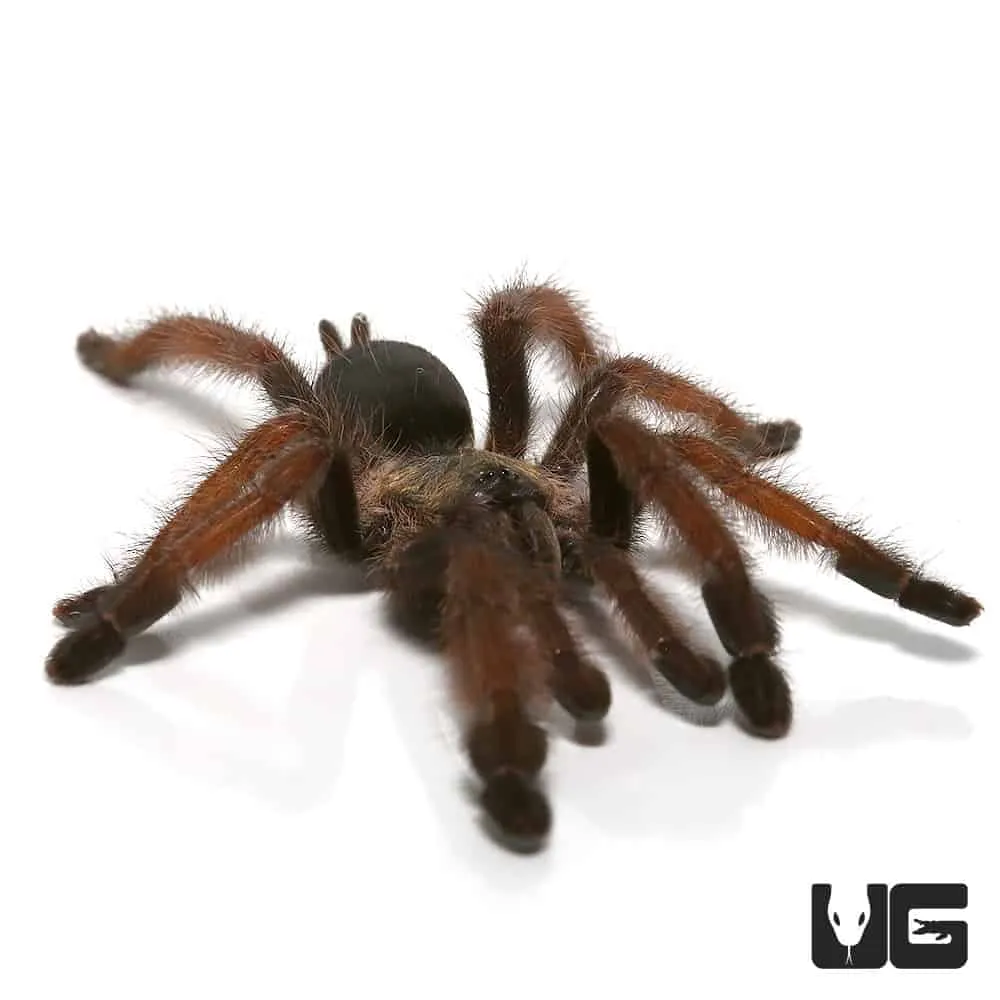
Panamanian Blonde Tarantula Amazing Facts
The Panamanian Blonde Tarantula (Tliltocatl albopilosus), also known as the Curly Hair Tarantula, is a captivating species that has gained immense popularity among arachnid enthusiasts. Known for its docile temperament and striking appearance, this tarantula offers a fascinating glimpse into the world of invertebrates. This article delves into seven amazing facts about the Panamanian Blonde Tarantula, providing insights into its characteristics, behavior, and care requirements. Whether you’re a seasoned tarantula keeper or a curious newcomer, these facts will undoubtedly enhance your appreciation for this remarkable creature.
Appearance and Characteristics
The Panamanian Blonde Tarantula is instantly recognizable for its stunning appearance. This tarantula typically boasts a dark brown to black body, adorned with long, golden or blonde hairs that give it a fuzzy, inviting look. These hairs, which are actually modified setae, cover the carapace, legs, and abdomen, creating a striking contrast against the darker base color. The overall effect is one of elegance and beauty, making it a favorite among tarantula keepers. The color of the hairs can vary slightly depending on the individual and its environment, but the overall aesthetic remains consistently appealing.
Size and Lifespan

One of the appealing aspects of the Panamanian Blonde Tarantula is its manageable size. Females are typically larger than males, reaching a leg span of up to 6 inches (15 cm). Males, on the other hand, are usually slightly smaller. In terms of lifespan, these tarantulas are known for their longevity. Females can live for up to 10 years or even longer in captivity, while males tend to have a shorter lifespan of around 3-5 years, primarily due to the stresses of mating. This long lifespan makes them a relatively low-maintenance pet for those willing to commit to their care.
Origin and Habitat
Understanding the natural habitat of the Panamanian Blonde Tarantula provides crucial insights into its care requirements. Knowing where they come from helps in replicating their ideal living conditions.
Where They Come From
Despite its common name, the Panamanian Blonde Tarantula is not native to Panama. The scientific name, however, does offer a clue as to its origins. This tarantula species is primarily found in the tropical rainforests of Central America, specifically in countries like Costa Rica and Nicaragua. The ‘blonde’ in its name refers to the characteristic blonde hairs, which are most prominent on the legs and carapace.
Natural Habitat

In their natural habitat, Panamanian Blonde Tarantulas are terrestrial creatures, meaning they live on the ground. They create burrows in the soil or seek shelter under rocks, logs, or fallen leaves to protect themselves from predators and the elements. These environments are typically humid and warm, providing the conditions necessary for the tarantula’s survival. Replicating these conditions in captivity is essential for their well-being.
Diet and Feeding Habits
The diet of the Panamanian Blonde Tarantula is another fascinating aspect of its biology. Understanding their feeding habits is crucial for ensuring their health and vitality.
What They Eat
Panamanian Blonde Tarantulas are primarily insectivores, meaning their diet consists mainly of insects. In the wild, they feed on a variety of insects, including crickets, grasshoppers, beetles, and other invertebrates. In captivity, they can be fed a diet of commercially available insects, such as crickets, mealworms, and roaches. It’s important to provide a varied diet to ensure they receive all the necessary nutrients. Occasional treats like small pinkie mice can be offered, but should be done sparingly.
Feeding Frequency

The feeding frequency of a Panamanian Blonde Tarantula varies depending on its age and size. Spiderlings (young tarantulas) require more frequent feedings, typically 2-3 times a week. As they mature, the feeding frequency can be reduced to once or twice a week. Overfeeding should be avoided, as it can lead to health problems. It’s essential to observe the tarantula’s abdomen; if it appears overly plump, it may be an indication of overfeeding. Always remove uneaten food within 24 hours to prevent mold and mites.
Temperament and Behavior
The temperament and behavior of the Panamanian Blonde Tarantula make it a popular choice for pet owners. Knowing their behavioral patterns will help in understanding their needs and interactions.
Handling and Interaction
Panamanian Blonde Tarantulas are generally known for their docile temperament, making them relatively easy to handle compared to some other tarantula species. However, it’s important to handle them with care and respect. They are not naturally social creatures and may become stressed by excessive handling. If you choose to handle your tarantula, do so in a safe environment, close to the ground. Avoid sudden movements and always support the tarantula’s body gently.
Defensive Mechanisms

While generally docile, Panamanian Blonde Tarantulas do possess defensive mechanisms. Their primary defense is their urticating hairs, which they can flick off their abdomen when threatened. These hairs are barbed and can cause skin irritation and discomfort if they come into contact with human skin or eyes. They may also bite if they feel threatened, although their venom is not considered medically significant to humans. Understanding these defense mechanisms is crucial for safe handling and care.
Molting Process
Molting is a vital process for tarantulas, as it allows them to grow and regenerate lost limbs. Understanding this process is essential for any tarantula keeper.
What to Expect
During the molting process, the tarantula sheds its exoskeleton. This can be a stressful time, and it’s important to provide a safe and undisturbed environment. The tarantula will typically become lethargic and may refuse to eat. You may notice the tarantula lying on its back, a sign that it is in the process of molting. The entire process can take several hours or even a day or two.
Post-Molting Care

After molting, the tarantula’s new exoskeleton will be soft and vulnerable. Avoid handling the tarantula for several days after molting, as it needs time for the new exoskeleton to harden. Provide plenty of water and maintain a humid environment. Offer food a week or so after the molt, as the tarantula will be hungry after this strenuous process. The colors may be brighter and more vibrant immediately following a molt.
Reproduction
Reproduction is another fascinating aspect of the Panamanian Blonde Tarantula’s life cycle. Witnessing this process can be a rewarding experience for experienced keepers.
Mating Rituals
Mating in tarantulas involves a complex series of rituals. The male tarantula will build a sperm web and then transfer the sperm to his pedipalps. He then seeks out a receptive female. If the female is willing, they will mate. The male needs to be careful, as the female may see him as a meal. The whole process is a delicate balance of courtship and survival.
Egg Sac and Spiderlings

After mating, the female will lay her eggs and wrap them in a silken egg sac. She will fiercely protect the egg sac, which can contain hundreds of eggs. After several weeks, the eggs will hatch into spiderlings. These spiderlings will go through several molts before they reach maturity. Raising spiderlings requires specialized knowledge and care, but it can be a rewarding experience for dedicated breeders.
Conclusion
The Panamanian Blonde Tarantula is a captivating species that offers a unique blend of beauty, docility, and intrigue. Its striking appearance, manageable size, and relatively easy care requirements make it a popular choice for both beginner and experienced tarantula keepers. By understanding its habitat, diet, behavior, and molting process, enthusiasts can provide the best possible care for their Panamanian Blonde Tarantula, ensuring its health and well-being for many years to come. From their amazing colors to their fascinating life cycle, these tarantulas continue to captivate and inspire.