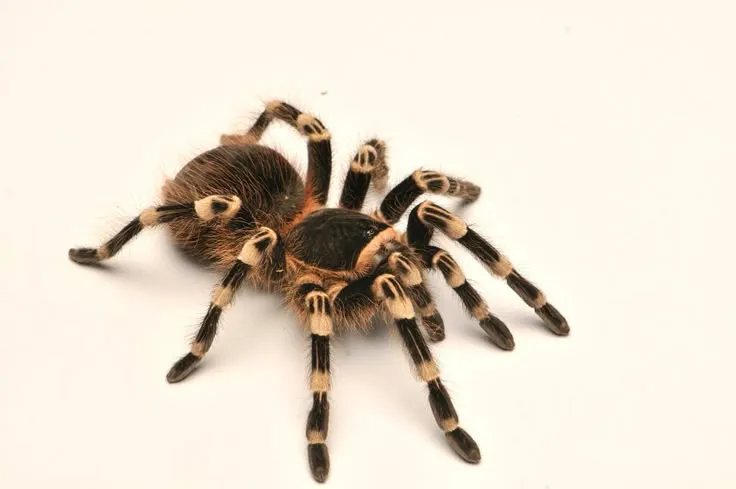
Choosing Your Pet Tarantula
Embarking on the journey of pet tarantula ownership in South Australia is an exciting venture. Before you bring home your eight-legged friend, careful consideration is paramount. This decision involves understanding the commitment required, the specific needs of the tarantula species, and the regulations in place within South Australia. Researching different species, their temperaments, and their suitability for a beginner is key. Factors such as size, venom potency, and ease of care should be carefully weighed. Preparing your home and setting up a proper enclosure before acquiring the tarantula is crucial to ensure a smooth transition and a healthy environment for your new pet. Educate yourself about the legal requirements for keeping exotic pets in South Australia, including any necessary permits or restrictions on specific species. This proactive approach will set you up for success and provide a rewarding experience of caring for a pet tarantula.
Selecting the Right Species for South Australia
South Australia’s climate and environment can influence the choice of tarantula species. Consider humidity levels and temperature fluctuations, which are vital for tarantula well-being. Certain species thrive in more humid environments, while others prefer drier conditions. The availability of the species in South Australia, the legality of owning them, and the ease of sourcing them from reputable breeders or pet shops should be assessed. Popular beginner-friendly species include the Chilean Rose Hair tarantula (Grammostola rosea), known for its docile nature and relative ease of care, or the Mexican Red Knee tarantula (Brachypelma hamorii), recognized for its striking appearance and manageable temperament. Research their specific requirements in terms of enclosure size, substrate, temperature, and humidity. Understanding the species’ natural habitat can also inform your setup choices, helping to create an environment that mimics its native environment as closely as possible. This ensures the tarantula’s comfort and reduces stress, leading to a healthier and happier pet.
Understanding Tarantula Temperament

Understanding tarantula temperament is critical for responsible ownership and safe interaction. Tarantulas are not inherently aggressive but are primarily defensive creatures. Their reactions depend on their species, age, and individual personality. Some tarantulas are more docile and tolerant of handling, while others are more skittish and prone to defensive behaviors. Recognizing the signs of stress or agitation, such as a raised stance, flicking of hairs (urticating hairs), or a threat display (showing fangs), is crucial to avoid triggering defensive responses, which can include biting or the release of urticating hairs. It is important to remember that each tarantula has its own unique personality. Observing your tarantula’s behavior over time can provide valuable insights into its individual temperament. Handling should be approached with caution and only when necessary. Always handle over a soft surface in case of a fall, which can seriously injure a tarantula. Always prioritize the tarantula’s well-being and avoid handling if it appears stressed or unwilling.
Setting Up the Perfect Tarantula Enclosure
Enclosure Size and Substrate
The enclosure size is paramount for the tarantula’s well-being. It should provide ample space for movement, exploration, and the ability to establish a comfortable environment. The enclosure should be significantly larger than the tarantula’s leg span. For terrestrial species, a larger horizontal space is preferred, while arboreal species require more vertical space. The substrate should mimic the tarantula’s natural habitat, providing a surface for burrowing, web-building, and maintaining appropriate humidity levels. Suitable substrate options include a mixture of coconut fiber, peat moss, and vermiculite. The depth of the substrate depends on the tarantula’s burrowing habits and size, generally ranging from 2 to 6 inches. Ensure the substrate is kept clean and replaced regularly to prevent the buildup of waste and mold.
Temperature, Humidity, and Ventilation

Maintaining the correct temperature and humidity levels is critical for the health of your pet tarantula. Most species thrive in temperatures between 75-85°F (24-29°C). Use a heat mat or a low-wattage incandescent bulb to maintain the desired temperature, ensuring it is placed outside the enclosure to prevent burns. Humidity requirements vary depending on the species. Use a hygrometer to monitor the humidity levels within the enclosure and adjust as needed. For humid-loving species, misting the enclosure regularly or providing a water dish can help maintain the correct humidity. Ventilation is also crucial, preventing the buildup of stale air and the growth of mold. Ensure the enclosure has adequate ventilation holes, but they should be small enough to prevent the tarantula from escaping. A well-ventilated enclosure helps to regulate humidity and reduce the risk of respiratory issues.
Feeding Your Pet Tarantula
Appropriate Diet and Feeding Schedule
Tarantulas are carnivorous creatures, primarily feeding on insects. A varied diet of appropriately sized insects is essential to provide the necessary nutrients for growth and health. Suitable food sources include crickets, mealworms, roaches, and appropriately sized spiders. The feeding schedule depends on the tarantula’s age and metabolism. Younger tarantulas require more frequent feeding, typically 2-3 times per week, while adults can be fed once a week or even less often. Avoid overfeeding, which can lead to obesity and health problems. Always remove uneaten prey within 24 hours to prevent the buildup of waste and potential harm to the tarantula. Before feeding, ensure the prey insects are gut-loaded with nutritious food to provide the tarantula with a well-rounded diet.
Watering and Hydration

Providing a constant source of fresh water is essential for your tarantula’s hydration and well-being. Use a shallow water dish or a bottle cap filled with clean water, ensuring it is easily accessible. The water should be changed regularly to prevent contamination. For smaller tarantulas, providing a water source like a small, damp sponge can be used to reduce the risk of drowning. Avoid placing the water dish directly under the heat source, which can cause the water to evaporate quickly. Monitor the tarantula’s behavior, as it will drink water when needed. During molting, tarantulas require more hydration; misting the enclosure can help create a humid environment that assists with molting and hydration.
Handling and Interaction
Safe Handling Practices
Handling your tarantula is not essential for its well-being, and should be approached with care. If you choose to handle your tarantula, do so with caution and only when necessary. Always handle over a soft surface, such as a bed or a carpet, to minimize the risk of injury in case of a fall. Gently coax the tarantula onto your hand, allowing it to move at its own pace. Avoid sudden movements and loud noises, as these can startle the tarantula and lead to defensive reactions. Never force the tarantula to move or grab it. Always wash your hands thoroughly before and after handling to prevent the spread of any potential contaminants. Observe the tarantula’s behavior closely, and if it shows any signs of stress or agitation, gently place it back into its enclosure.
Recognizing Stress and Defensive Behaviors

Understanding and recognizing signs of stress and defensive behavior in your tarantula is essential for their health and safety. Tarantulas are not social creatures and can become stressed by excessive handling or disturbances. Signs of stress include a raised posture, flicking of the hairs from their abdomen (urticating hairs), or a defensive threat display. If your tarantula displays these behaviors, it is best to leave it undisturbed. Other signs of distress include loss of appetite, lethargy, or hiding more than usual. Learn the typical behaviors of your tarantula, so any deviation can be detected. Providing a secure and enriching environment will help minimize stress and allow the tarantula to thrive. A healthy tarantula will usually be active, exploring its enclosure and feeding regularly. If you notice any unusual behavior or signs of stress, consult with a veterinarian or experienced tarantula keeper.
Health and Well-being
Common Health Issues
Like all pets, tarantulas can be susceptible to certain health issues. Common problems include parasitic mites, fungal infections, and injuries during molting. Mites are tiny parasites that can infest tarantulas, causing irritation and potentially transmitting diseases. Regularly inspect your tarantula for any signs of mites, such as small, moving spots on the body or legs. Fungal infections can occur if the enclosure is too humid or the substrate is not clean. Monitor the humidity levels and ensure proper ventilation to prevent fungal growth. During molting, tarantulas are vulnerable to injury. Providing a humid environment helps with the molting process. If you notice any health concerns, consult with a veterinarian or an experienced tarantula keeper.
Preventative Care

Preventative care is crucial for maintaining a healthy tarantula. The most important is maintaining a clean and appropriate environment. Regularly clean the enclosure by removing any uneaten food, shed exoskeletons, and waste products. Maintain the correct temperature and humidity levels. Provide a varied diet of healthy insects that are gut-loaded. Quarantine new tarantulas or insects before introducing them to existing setups to prevent the spread of diseases or parasites. Observe the tarantula’s behavior and appearance regularly, watching for any signs of illness or stress. Prompt attention to potential issues, like mites, and providing the appropriate environment can help minimize the risk of health problems, ensuring your pet tarantula lives a long and healthy life. Regular checks and a proactive approach to care can go a long way in preventing serious health issues and maintaining your tarantula’s well-being.
Where to Buy and Regulations
Local Pet Shops and Breeders
Finding a reputable source to acquire your pet tarantula is essential. Local pet shops and breeders specializing in exotic pets are good options. Research the breeder or shop’s reputation and experience before making a purchase. Ask about their tarantulas’ health and origins, and observe the conditions in which the tarantulas are kept. Look for a clean, well-maintained facility with knowledgeable staff who can answer your questions and provide care advice. Ensure the seller can provide information about the tarantula’s species, age, and any specific care requirements. Buying from a reputable source can reduce the risk of acquiring a tarantula with health issues or behavioral problems. Consider attending reptile or exotic pet shows to meet breeders and view different tarantula species.
South Australian Regulations and Permits

Before bringing a tarantula home in South Australia, familiarize yourself with the relevant regulations and permit requirements. South Australia has laws governing the keeping of exotic animals, and certain species may be restricted or require a permit. Research the specific species you are considering to see if it is permitted in the state and if any specific permits are needed. Check the South Australian government’s Department of Primary Industries and Regions (PIRSA) website or contact them directly to clarify the regulations. Failing to comply with these regulations can result in penalties. Ensure that you meet all the necessary requirements to keep your pet tarantula legally and responsibly. If a permit is required, carefully follow the application process, providing all the necessary information and documentation. Complying with regulations not only ensures that you are acting legally, but it also helps to protect the environment and prevent the introduction of invasive species.
Tips and Tricks for a Happy Tarantula
Creating a Thriving Environment
Creating a thriving environment is the key to a happy and healthy pet tarantula. The enclosure setup should mimic the tarantula’s natural habitat, providing appropriate temperature, humidity, and substrate. Offer a variety of enrichment opportunities. Providing hiding places, such as cork bark or artificial plants, will give the tarantula a sense of security and reduce stress. A shallow water dish should always be available, providing a constant source of fresh water. Maintain the enclosure. Regularly clean the enclosure, removing any waste or uneaten food, and replace the substrate as needed. Avoid overcrowding the enclosure and handle the tarantula gently and only when necessary. A well-designed environment, along with responsible care, will encourage the tarantula to thrive and exhibit its natural behaviors. Observing the tarantula’s behavior, and adjusting the environment accordingly, will ensure its well-being.
Long-term Care Considerations

Caring for a tarantula is a long-term commitment. Be prepared to provide ongoing care and maintenance. Consider the tarantula’s lifespan. Some species can live for many years, even decades. Make sure you are prepared for the long-term needs of the species. Ensure your care plan accounts for changing needs over the tarantula’s life, such as molting, changes in appetite, and any age-related health issues. Have a plan for emergencies. Know where to seek veterinary care or expert advice if your tarantula becomes ill or injured. Prepare to take care of your tarantula if you travel or if you are unable to care for it. By planning for the long term, you will ensure the health and happiness of your tarantula, and you’ll get the most enjoyment out of your time as a pet owner.