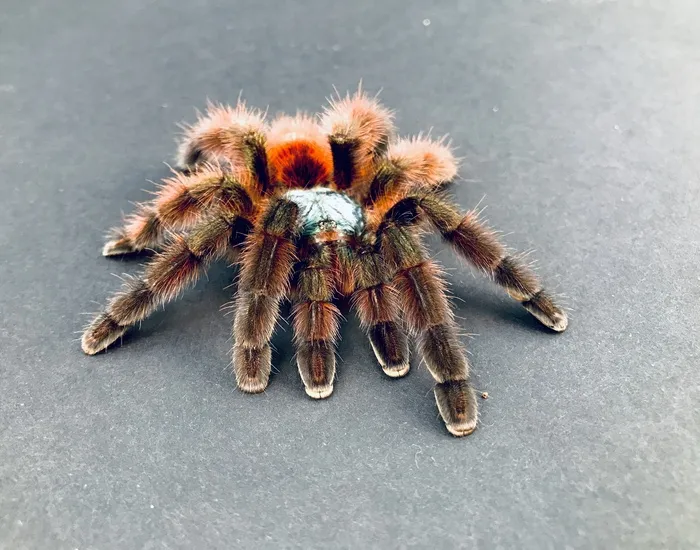
Understanding the Pink Toe Tarantula (Caribena versicolor)
The Pink Toe Tarantula, scientifically known as Caribena versicolor, is a captivating species that has gained popularity among tarantula enthusiasts. Native to the Caribbean islands, this arboreal tarantula is recognized for its stunning coloration, with pinkish-red hairs on its legs and vibrant green carapace. These spiders are relatively docile and known for their beauty, making them a great choice for both beginner and experienced keepers. Their manageable size, typically reaching 5-6 inches in leg span, and interesting behaviors add to their appeal. Understanding the specific needs of the Pink Toe Tarantula is crucial for providing a healthy and enriching environment where it can thrive, allowing owners to observe and appreciate their unique qualities.
Habitat and Enclosure Setup for Your Pink Toe Tarantula
Creating the ideal habitat is fundamental to the well-being of your Pink Toe Tarantula. As arboreal creatures, they require a vertically oriented enclosure. This setup should mimic their natural environment, ensuring both physical comfort and a sense of security. The right enclosure setup provides adequate space for movement, climbing, and establishing their territories. The ideal enclosure size for an adult Pink Toe Tarantula is around 12x12x18 inches or larger, allowing ample room for climbing and exploration. Proper ventilation is also essential to prevent the buildup of mold and maintain air quality.
Choosing the Right Enclosure

Select a secure enclosure made of glass or clear acrylic. Ensure the enclosure has a secure lid to prevent escapes, as tarantulas are skilled climbers. Consider enclosures with front-opening doors for easier access and maintenance. Make sure the enclosure has sufficient ventilation to prevent the buildup of humidity and potential mold growth. Avoid enclosures with sharp edges or features that could potentially harm your tarantula. Also, select an enclosure appropriate to the size of your tarantula, providing sufficient space for them to move and thrive.
Substrate Selection for Optimal Comfort
The substrate plays a vital role in maintaining the humidity levels and providing a comfortable environment for your Pink Toe Tarantula. A substrate mixture consisting of peat moss, coco fiber, and a bit of sphagnum moss is ideal. This combination provides excellent moisture retention while allowing for adequate drainage. The substrate should be deep enough to allow the tarantula to burrow if it chooses to, providing a sense of security. Ensure the substrate is free from any harmful chemicals or additives. Regularly monitor the substrate for mold and replace it as needed to maintain a healthy environment for your tarantula.
Essential Decor and Hiding Spots
Providing decor is crucial for enriching your tarantula’s environment. Include cork bark, branches, and artificial plants to replicate their natural habitat and provide climbing surfaces. These features not only enhance the aesthetic appeal but also give the tarantula opportunities for exploration and enrichment. Offer a secure hide, such as a piece of cork bark or a hollow log, where the tarantula can retreat and feel safe. Arrange the decor to create a visually appealing and stimulating environment for your Pink Toe Tarantula. Avoid using any decorations that might have sharp edges, which could potentially harm your tarantula.
Temperature and Humidity Requirements
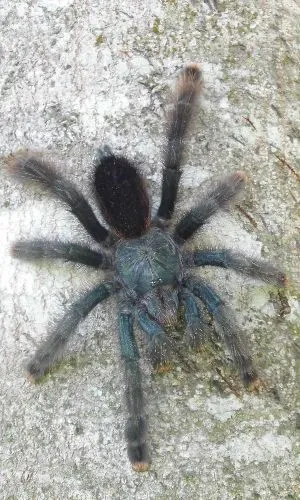
Maintaining appropriate temperature and humidity levels are critical aspects of Pink Toe Tarantula care, impacting their overall health and well-being. The right environment supports their natural behaviors and encourages healthy molting and feeding patterns. Both factors contribute to the tarantula’s ability to thrive in captivity, minimizing stress and maximizing their lifespan. Understanding the specific needs and how to create the ideal conditions is vital to providing a happy and healthy environment for your pet.
Maintaining the Ideal Temperature
Pink Toe Tarantulas thrive in a temperature range of 75-80°F (24-27°C). Use a reliable thermometer to monitor the temperature within the enclosure. Avoid placing the enclosure in direct sunlight or near heat sources, which can cause temperature fluctuations. A small heat mat placed on the side of the enclosure can help maintain the temperature, especially in cooler environments. Ensure proper ventilation to prevent overheating. Regularly monitor the temperature to ensure it remains within the desired range, ensuring your tarantula’s comfort and health.
Controlling Humidity Levels
Humidity levels should be maintained between 65-75% for Pink Toe Tarantulas. Monitor humidity using a hygrometer to ensure accuracy. Mist the enclosure with dechlorinated water once or twice a week to maintain the desired humidity. Ensure the enclosure has adequate ventilation to prevent excessive humidity, which can lead to mold growth. The substrate also helps regulate humidity; proper substrate selection and maintenance are essential. Avoid over-misting the enclosure, as excessive humidity can be harmful.
Feeding Your Pink Toe Tarantula

Proper feeding is essential for the health and growth of your Pink Toe Tarantula. Understanding their dietary needs, creating a regular feeding schedule, and providing the right food items will ensure your tarantula receives the necessary nutrition to flourish. Careful attention to feeding habits and the types of prey are vital for their overall well-being and vitality.
Dietary Needs and Feeding Schedule
Pink Toe Tarantulas are insectivores, primarily feeding on insects. Suitable food items include crickets, roaches, mealworms, and other commercially available insects. The size of the prey should be appropriate for the tarantula’s size; it should be no larger than the tarantula’s abdomen. Feed young tarantulas 2-3 times a week. Adult tarantulas can be fed once or twice a week. Remove any uneaten prey within 24 hours to prevent stress and potential injury to the tarantula. Provide a small, shallow water dish with fresh water at all times for hydration.
Watering and Hydration
Providing a clean water source is vital for your tarantula’s hydration. Use a shallow water dish filled with fresh, dechlorinated water. Place the water dish in a stable location within the enclosure to prevent spills. Regularly check and refill the water dish to ensure a constant water supply. In addition to the water dish, mist the enclosure with water once or twice a week to maintain humidity levels, providing additional moisture for your tarantula. Monitoring and maintaining proper hydration is essential for your tarantula’s health and helps it molt properly.
Handling and Safety Precautions

While Pink Toe Tarantulas are known for their relatively docile nature, it’s crucial to approach handling with caution and respect. Understanding their behaviors, potential defensive mechanisms, and safety protocols will ensure a positive interaction for both you and your tarantula. Prioritizing safety, knowing how to recognize stress signs, and applying best practices can prevent unnecessary stress for the tarantula and potential injuries to the handler.
Best Practices for Handling
Handle your Pink Toe Tarantula only when necessary. Avoid handling immediately after feeding or molting. Always approach the tarantula slowly and gently. Use a soft brush or a piece of paper to gently encourage the tarantula to move onto your hand. Avoid sudden movements or loud noises that could startle the tarantula. Handle the tarantula over a soft surface, such as a bed or a carpet, to minimize the risk of injury if it falls. Always wash your hands thoroughly before and after handling the tarantula.
Recognizing and Avoiding Potential Hazards
Be aware that Pink Toe Tarantulas may bite if they feel threatened. While their venom is not considered medically significant to humans, a bite can be painful. Avoid handling if the tarantula appears stressed, defensive, or is displaying threat postures. Never force a tarantula to be handled. Keep the enclosure secure to prevent escapes. If your tarantula escapes, remain calm and search carefully, starting in the immediate area. Ensure the enclosure environment is safe and appropriate, to prevent stress and potential defensive behaviors, reducing the chance of a bite.
Health and Common Issues

Maintaining a healthy environment and observing your Pink Toe Tarantula closely can help you prevent and address any health issues promptly. Understanding common diseases, recognizing signs of illness, and knowing how to respond appropriately are vital to ensuring your tarantula’s longevity and well-being. Early detection and prompt treatment can make a significant difference in your pet’s health and quality of life.
Identifying and Treating Common Diseases
Common health issues can include fungal infections, parasites, and dehydration. Regularly inspect your tarantula for any unusual signs, such as loss of appetite, lethargy, discoloration, or unusual behavior. Maintain a clean and appropriate enclosure to prevent fungal infections. If you suspect a health issue, consult a veterinarian specializing in exotic animals. Isolate the affected tarantula to prevent the spread of diseases. Provide appropriate treatment as recommended by the vet, which could include medication or changes to the enclosure conditions.
Molting Process
Molting is a natural and crucial process for Pink Toe Tarantulas, allowing them to grow and renew their bodies. The molting cycle involves shedding their exoskeleton, revealing a new, larger, and healthier body. Understanding the molting process is critical for providing proper care and minimizing stress during this vulnerable period. Knowing the signs of an upcoming molt and how to support them will improve the chances of successful molting.
How to Prepare for Molting

Before molting, the Pink Toe Tarantula will typically stop eating and become less active. The tarantula may also spend more time in its hide. Provide a stable environment with appropriate temperature and humidity levels. Avoid disturbing the tarantula during this time. Ensure the enclosure is free from potential hazards. Provide plenty of moisture to assist the molting process. Make sure the tarantula has access to water. Keep the enclosure clean and hygienic.
The Molting Process and What to Expect
During molting, the Pink Toe Tarantula will typically lie on its back. The process can take several hours or even days, depending on the tarantula’s size and age. Do not disturb the tarantula during molting. After molting, the tarantula will be very vulnerable, with its new exoskeleton soft. The tarantula will typically remain in its hide until its new exoskeleton hardens. Do not feed the tarantula for at least a week after molting, to allow its fangs to harden. Provide a clean and safe environment during and after molting to support a successful outcome.