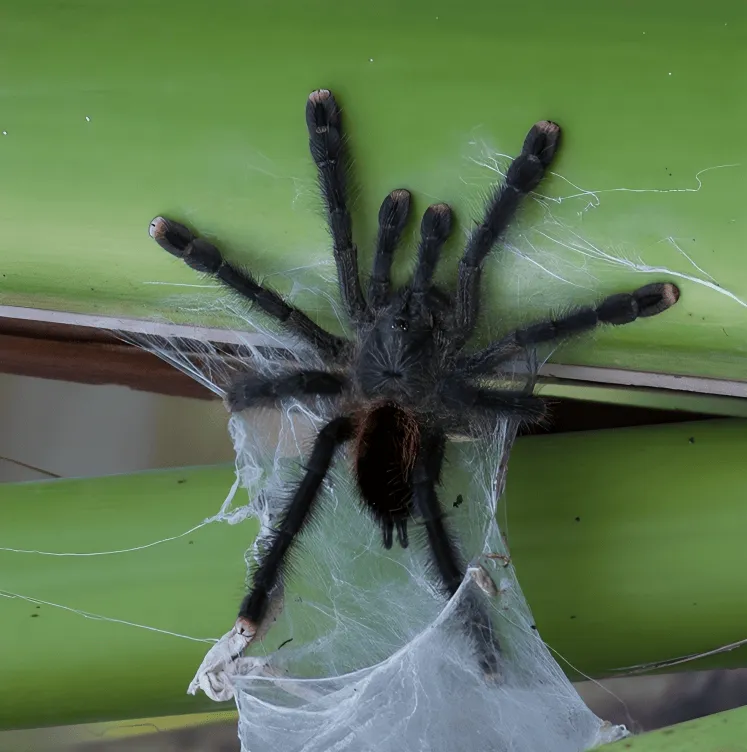
What is Pink Toe Tarantula Substrate?
Substrate for a Pink Toe Tarantula, or Caribena versicolor, is essentially the bedding material provided within its enclosure. It serves multiple crucial functions, significantly impacting the tarantula’s well-being. Think of it as the foundation of their home, a crucial element for their health and happiness. This material isn’t just for aesthetics; it’s integral for humidity regulation, burrowing (though pink toes are arboreal), and overall environmental enrichment. Understanding the role of substrate is the first step in providing excellent care.
Why Substrate Matters for Pink Toe Tarantulas
Choosing the right substrate is more than just a cosmetic consideration; it’s directly linked to the health and longevity of your pink toe tarantula. The proper substrate helps regulate humidity, a critical factor for these arboreal tarantulas. Maintaining the correct humidity level supports their molting process, preventing issues like failed molts that can be fatal. Moreover, the substrate provides a surface that mimics their natural habitat, reducing stress and encouraging natural behaviors. A suitable substrate also offers a degree of cushioning, protecting them from falls within their enclosure. Proper substrate selection is, therefore, vital for their overall health and well-being.
Humidity and Substrate’s Role
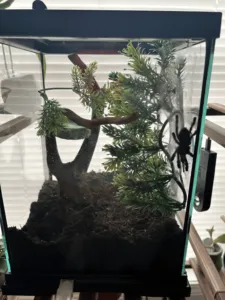
Humidity is a cornerstone of pink toe tarantula care, and the substrate plays a central role in its regulation. These tarantulas originate from humid environments, and their health depends on replicating these conditions in captivity. The substrate’s ability to absorb and release moisture is key to maintaining the correct humidity levels within the enclosure. By selecting a substrate with good moisture retention properties, you can help create the humid environment your pink toe tarantula needs to thrive. This prevents dehydration and supports healthy molting cycles. Regular misting of the enclosure, in conjunction with the right substrate, is essential for maintaining optimal humidity. Incorrect humidity can lead to several health problems.
Best Substrate Choices for Pink Toe Tarantulas
Several substrate options are suitable for pink toe tarantulas, each with its own advantages and disadvantages. The best choice depends on your specific setup, maintenance capabilities, and the tarantula’s needs. The ideal substrate balances moisture retention, drainage, and ease of maintenance. The selected substrate should be non-toxic and free from chemicals. Avoid substrates that can easily mold or decompose, as these can create unhealthy environments. Let’s examine some of the most popular and effective options for creating a healthy habitat for your pink toe tarantula.
Coconut Fiber for Pink Toe Tarantulas
Coconut fiber, often sold as coco coir, is a popular substrate choice for pink toe tarantulas. It’s made from the husk of coconuts and provides a good balance of moisture retention and drainage. Coconut fiber is a readily available, affordable, and relatively clean substrate, making it a great choice for both beginners and experienced tarantula keepers. It also tends to resist mold and is easily mixed with other materials to adjust humidity levels. Its texture is also suitable for pink toes, providing a stable surface to walk on.
Pros and Cons of Coconut Fiber

The advantages of using coconut fiber are numerous. It excels at retaining moisture, which is crucial for maintaining the required humidity levels. It’s also naturally resistant to mold and mildew, reducing the risk of unhealthy conditions in the enclosure. It’s generally safe for tarantulas and non-toxic. However, there are a few drawbacks to consider. Some keepers find that it can dry out relatively quickly, requiring more frequent misting. It can sometimes be dusty, so rinsing before use is recommended. Also, coconut fiber may not be the most visually appealing substrate compared to others. It might need to be replaced more frequently than other substrates.
Sphagnum Moss for Pink Toe Tarantulas
Sphagnum moss, a type of moss that is often used in horticulture, makes an excellent substrate component for pink toe tarantulas. It is known for its exceptional moisture-holding capacity, which is perfect for maintaining high humidity levels. It can also be used as a decorative element within the enclosure, adding a natural look. Because of its ability to retain moisture, it is often used in conjunction with other substrates, such as coconut fiber, to enhance their humidity-regulating properties. This gives the tarantula a moist, humid environment.
Pros and Cons of Sphagnum Moss
Sphagnum moss offers several benefits as a substrate component. Its outstanding moisture retention helps maintain the high humidity levels essential for pink toe tarantula health. It’s also naturally antimicrobial, reducing the risk of mold and fungal growth. However, sphagnum moss can sometimes be more challenging to manage. It can dry out quickly if not properly maintained, requiring regular misting. It also tends to compact over time, reducing airflow within the enclosure. In addition, purchasing high-quality sphagnum moss can sometimes be more expensive than other substrate options. Careful monitoring is needed.
Vermiculite & Perlite for Pink Toe Tarantulas

Vermiculite and perlite, although less common as primary substrates, can be added to the substrate mix for pink toe tarantulas to enhance drainage and aeration. Vermiculite is a mineral that helps retain moisture, while perlite is a volcanic glass that improves drainage. These materials are often used in combination with other substrates, such as coconut fiber, to create a more balanced and functional environment. They are also inert, meaning they won’t react chemically with the tarantula’s waste or other materials in the enclosure. Always use horticultural-grade products.
Pros and Cons of Vermiculite & Perlite
The addition of vermiculite and perlite to the substrate mix brings benefits such as improved drainage, preventing the substrate from becoming waterlogged. They also help aerate the substrate, ensuring adequate airflow, which reduces the risk of mold. On the downside, vermiculite and perlite may not be as effective at retaining moisture as other substrate options, and their use alone is generally not recommended. Moreover, they are typically added as a component rather than a primary substrate. Be sure to consider the proportions when mixing these materials with other substrates.
Substrate Depth and Tank Setup
While pink toe tarantulas are primarily arboreal, the substrate depth and overall tank setup still matter. Providing a shallow layer of substrate is generally sufficient. Excessively deep substrate isn’t necessary and can actually make it harder to regulate humidity. A depth of 1–2 inches is typically ideal, providing a base for humidity regulation. The tank setup should also include appropriate ventilation to prevent stagnant air and mold growth. Climbing branches and decorations are also crucial for an arboreal species. Creating the right environmental conditions is crucial for promoting natural behaviors and overall health.
How Deep Should the Substrate Be?

For pink toe tarantulas, a depth of substrate ranging from 1 to 2 inches is typically sufficient. Because they are arboreal, they do not require deep burrowing space. The main purpose of the substrate, in this case, is to maintain humidity and provide a safe, comfortable surface. Avoid using excessive amounts of substrate, as this can lead to complications. Deeper substrate can retain too much moisture, which can, in turn, promote mold and other problems. The right depth also allows for the right environmental gradients and better manageability. Careful consideration of the substrate’s role is critical for setting the optimal environment for your tarantula.
Setting Up the Tank Environment
A well-designed tank environment for a pink toe tarantula goes beyond just the substrate. Provide an enclosure with good ventilation, which is essential for preventing mold growth. Include branches, cork bark, or other climbing structures to allow the tarantula to feel comfortable and explore. Use a water dish, preferably one that is shallow and easily accessible. Maintain a consistent temperature between 75–85°F (24–29°C) and monitor the humidity levels regularly. Keep the enclosure secure to prevent escapes. Ensure that all elements work together to create a comfortable and secure environment.
Maintaining Your Pink Toe Tarantula’s Substrate
Proper substrate maintenance is critical for the health of your pink toe tarantula. This involves regular monitoring of humidity levels, appropriate cleaning, and timely substrate replacement. Regular maintenance ensures the substrate continues to serve its essential functions. Keeping the substrate clean and in good condition helps to prevent illness and ensures the well-being of your tarantula. By creating a maintenance schedule and sticking to it, you can provide a healthy and vibrant home.
Monitoring Humidity Levels

Monitoring humidity levels is a key aspect of pink toe tarantula care. Use a hygrometer to measure the humidity inside the enclosure. Ideally, the humidity should be between 70% and 80%. Adjust the ventilation and misting frequency to maintain the desired level. Watch for signs of excessive humidity, such as condensation on the enclosure walls, and adjust accordingly. Regular monitoring ensures the correct environment for your tarantula. Keeping close track of these levels is vital.
Cleaning and Replacing Substrate
Regular cleaning and replacement of the substrate are necessary to maintain a healthy environment. Remove any visible waste or uneaten food regularly. The frequency of substrate replacement depends on the substrate type and the overall conditions within the enclosure. Generally, you should replace the entire substrate every few months, or sooner if it appears moldy or excessively soiled. When replacing the substrate, clean and disinfect the enclosure thoroughly to remove any lingering bacteria. These steps help to maintain a clean, healthy, and comfortable environment for your pink toe tarantula.
In conclusion, the substrate you choose plays a very important role in the health and wellness of your pink toe tarantula. By selecting the right material, understanding its function, and following proper maintenance practices, you can ensure your tarantula’s environment is optimal. Prioritize the tarantula’s needs by selecting the proper materials and creating a well-maintained and enriching environment. Your pink toe tarantula will be healthy and happy for years to come.