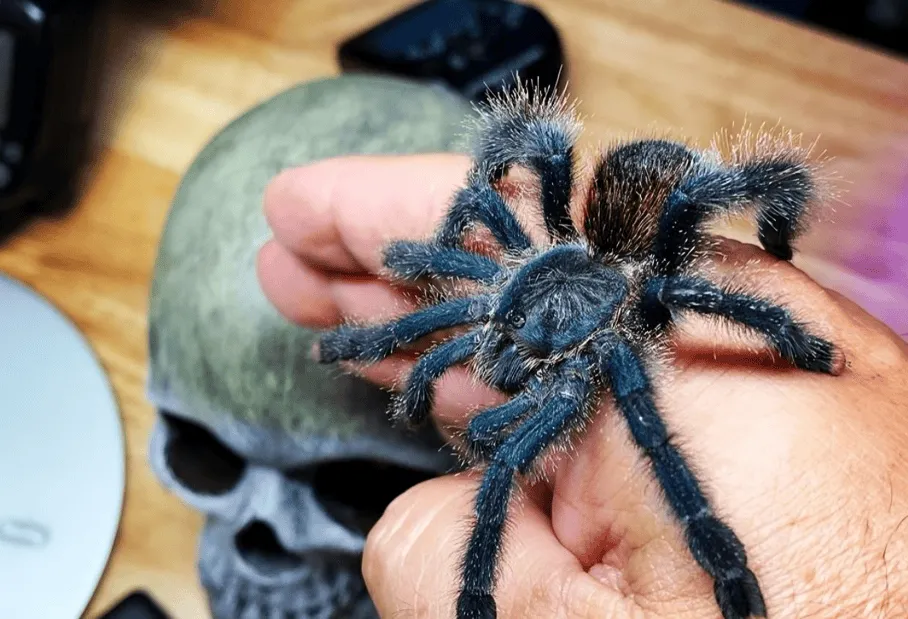
What is a Pink Toe Tarantula (PTT)
The Pink Toe Tarantula, scientifically known as Avicularia avicularia, is a captivating spider species gaining popularity as a pet. Native to the rainforests of South America and the Caribbean, these arboreal tarantulas are known for their vibrant colors and relatively docile temperament. Their striking appearance, characterized by their namesake pink tips on their feet, makes them a visually appealing addition to any invertebrate enthusiast’s collection. Unlike some other tarantula species, PTTs are generally considered to be beginner-friendly, provided their specific care requirements are met. This comprehensive guide will delve into the essential aspects of caring for these fascinating creatures, from setting up their habitat to understanding their behavior and health needs.
PTT Appearance and Characteristics
Pink Toe Tarantulas are easily recognizable due to their distinctive appearance. They typically have a dark body, ranging from a deep black to a charcoal grey, and a covering of fine hairs. The most defining feature, of course, is the vibrant pink coloration on the tips of their legs, giving them their common name. These tarantulas are relatively small compared to some other species, with females reaching a leg span of approximately 5-6 inches, while males are often slightly smaller. They also possess a unique characteristic: their arboreal lifestyle. Unlike terrestrial tarantulas that burrow or roam on the ground, PTTs live in trees and prefer to build webs in elevated locations, adding to their appeal as a pet that offers a different kind of observation experience.
Identifying a Healthy PTT

A healthy Pink Toe Tarantula exhibits several key characteristics. The spider should be active, exploring its enclosure and responding to stimuli. Its abdomen should be plump, not shrunken or wrinkled, indicating proper hydration and nutrition. The legs should be intact, with no missing limbs or signs of injury. The spider’s fangs should be present and appear clean. The presence of a well-constructed web is also a good sign, as it demonstrates the tarantula’s ability to create its habitat. Be vigilant for signs of illness, such as lethargy, loss of appetite, or unusual posture. Regular observation is crucial for detecting any potential health problems early, allowing for timely intervention and ensuring the well-being of your pet.
Setting Up Your Pink Toe Tarantula’s Enclosure
Creating a suitable enclosure is paramount to the health and happiness of your Pink Toe Tarantula. Since they are arboreal, vertical space is more important than floor space. The enclosure should provide ample room for the spider to move around, build webs, and feel secure. The setup should mimic their natural environment, providing the necessary conditions for them to thrive. A well-designed enclosure not only benefits the tarantula but also enhances the aesthetic appeal of your home, allowing you to observe and appreciate your pet in a comfortable and enriching environment. With proper planning and attention to detail, you can create a habitat that supports your PTT’s well-being and allows it to flourish.
Choosing the Right Tank Size
The size of the enclosure should be appropriate for the tarantula’s size. A general guideline is to provide an enclosure that is at least three times the tarantula’s leg span in height and twice its leg span in width. For a juvenile PTT, a small arboreal enclosure, such as a 10-gallon terrarium, may suffice. However, as the tarantula grows, it will need a larger space. For an adult female, a 20-gallon tall terrarium or a similar-sized enclosure is recommended. Ensure that the enclosure has a secure lid to prevent escapes. Consider the overall design and ventilation of the enclosure, ensuring that it meets the spider’s specific needs. A well-chosen tank size offers the tarantula enough room to move around and build its web without feeling cramped.
Substrate Selection

The substrate is the material that covers the bottom of the enclosure and serves several important functions. It provides a base for the tarantula to walk on, helps to maintain humidity, and can offer a place for the tarantula to burrow or hide if desired. For Pink Toe Tarantulas, a substrate that retains humidity but also allows for good ventilation is essential. Suitable options include a mixture of coco fiber, sphagnum moss, and a small amount of vermiculite. Avoid substrates that are too dusty or can easily mold. The substrate should be deep enough to allow the tarantula to burrow slightly, and it should be replaced periodically to prevent the buildup of waste and bacteria. Ensuring a clean and appropriate substrate is essential for maintaining the tarantula’s health and comfort.
Decorating the Enclosure
Decorating the enclosure not only enhances its aesthetic appeal but also provides enrichment for the tarantula. Since Pink Toe Tarantulas are arboreal, they need vertical elements in their habitat. Cork bark, branches, and artificial plants are excellent choices. They offer climbing opportunities and places for the tarantula to build its web and hide. Secure the decorations properly to prevent them from falling and potentially injuring the tarantula. A water dish should also be included, preferably shallow to prevent the tarantula from drowning. Ensure the decorations are non-toxic and free of sharp edges. The addition of appropriate decor creates a more natural and stimulating environment for your Pink Toe Tarantula, promoting its well-being and allowing you to enjoy observing its behaviors.
Temperature and Humidity
Maintaining the correct temperature and humidity levels is crucial for the health of your Pink Toe Tarantula. The ideal temperature range is between 75-85°F (24-29°C). Use a thermometer to monitor the temperature inside the enclosure. In most cases, room temperature is sufficient, but a heat lamp or mat may be necessary if the room is consistently cooler. Humidity levels should be kept between 70-80%. This can be achieved by misting the enclosure with water a few times a week, depending on the ventilation and the substrate used. Use a hygrometer to monitor the humidity levels. Proper temperature and humidity are essential for the tarantula’s molting process and overall health. Regular monitoring and adjustments, as needed, will ensure the comfort and well-being of your PTT.
Feeding Your Pink Toe Tarantula

Proper nutrition is critical for the growth, development, and overall health of your Pink Toe Tarantula. These tarantulas are carnivores, primarily feeding on insects. Providing a varied diet of appropriate-sized prey items is essential. Avoid feeding the tarantula anything that has been exposed to pesticides or other harmful chemicals. Regular feeding schedules, coupled with careful observation of your pet’s eating habits, will help you maintain a healthy PTT.
What to Feed Your PTT
The diet of a Pink Toe Tarantula should primarily consist of insects. Good options include crickets, roaches (such as dubia roaches), mealworms, and occasionally, small moths. The size of the prey should be appropriate for the tarantula’s size. As a general rule, the prey should be no larger than the tarantula’s body. Avoid feeding wild-caught insects, as they may carry parasites or diseases. It is also important to gut-load the insects before feeding them to the tarantula. This involves feeding the insects a nutritious diet, such as fruits, vegetables, and commercial cricket food, a few hours before they are offered to the tarantula. This provides the tarantula with added vitamins and minerals.
Feeding Frequency
The feeding frequency will depend on the age and size of the tarantula. Spiderlings (young tarantulas) should be fed more frequently, typically every other day. As the tarantula grows, the feeding frequency can be reduced. Adult Pink Toe Tarantulas can be fed once or twice a week. Remove any uneaten prey items within 24 hours to prevent the buildup of waste and the potential for the tarantula to be stressed. Observe the tarantula’s feeding habits. If it refuses food, it could be an indication that it is about to molt or that the prey is too large. Adjust the feeding schedule accordingly. A well-fed tarantula is more likely to thrive and display its natural behaviors.
Watering Your Tarantula

Providing a clean water source is essential for the Pink Toe Tarantula’s hydration. A shallow water dish should always be available. The dish should be small enough to prevent the tarantula from drowning. Fill the water dish with clean, dechlorinated water. Regularly check the water dish and refill it as needed. Alternatively, misting the enclosure a few times a week can provide additional hydration, especially if the humidity levels are on the lower side. The tarantula will drink the water droplets from the leaves and sides of the enclosure. Always ensure that the water source is clean and free from any contaminants. Maintaining proper hydration is critical for the tarantula’s health, particularly during the molting process.
Handling and Interaction
While Pink Toe Tarantulas are relatively docile, handling them is generally not recommended unless necessary. They are not naturally inclined to enjoy being handled and can become stressed. However, there may be times when handling is unavoidable, such as when cleaning the enclosure or examining the tarantula for health issues. If you choose to handle your tarantula, it is important to do so with caution and respect for its well-being. Always prioritize the tarantula’s safety and avoid unnecessary handling.
When to Handle
Handling should be kept to a minimum. Only handle your Pink Toe Tarantula if it is absolutely necessary. Reasons to handle your tarantula may include cleaning the enclosure, moving it to a new enclosure, or examining it for any signs of illness or injury. Avoid handling your tarantula during or shortly before molting, as they are particularly vulnerable during this period. It’s important to remember that each tarantula has its own personality. Some may appear more docile than others, but it’s always best to prioritize the tarantula’s safety and avoid handling if it seems stressed or agitated.
How to Handle Safely

If you must handle your Pink Toe Tarantula, there are specific precautions you should take. Approach the tarantula calmly and slowly. Avoid sudden movements that could startle it. Encourage the tarantula to walk onto your hand by gently nudging it from behind with a soft brush or piece of cardboard. Always handle the tarantula over a soft surface, such as a bed or a table covered with a blanket, to minimize the risk of injury if it falls. Never squeeze or apply pressure to the tarantula’s body. Wash your hands thoroughly before and after handling your tarantula. If the tarantula shows signs of stress, such as raising its front legs or flicking hairs, gently place it back in its enclosure. Observe your tarantula’s body language and respect its boundaries.
Common Health Issues and How to Address Them
Like all pets, Pink Toe Tarantulas can be susceptible to certain health issues. Familiarizing yourself with these potential problems and knowing how to address them is essential for providing proper care. Regular observation of your tarantula is crucial for detecting any signs of illness or injury. Prompt action can often prevent minor issues from escalating into more serious health problems. A healthy tarantula is more likely to live a long and fulfilling life.
Moulting Process
Moulting is a natural process in which the tarantula sheds its exoskeleton to allow for growth. It is a crucial part of the tarantula’s life cycle. Before moulting, the tarantula may become lethargic and refuse to eat. It will usually lay on its back. During the moulting process, the tarantula is particularly vulnerable. Avoid disturbing the tarantula during this time, as it could be easily injured. The entire process can take several hours or even days. After moulting, the tarantula will be soft and its new exoskeleton will need time to harden. Provide the tarantula with a humid environment during and after the moult. Do not feed the tarantula until its fangs have hardened, typically a week or two after moulting. The old exoskeleton is usually a complete mold of the tarantula. Leave it in the enclosure; the tarantula will often eat it for nutrients. Watch the enclosure for signs of molting.
Recognizing and Treating Common Ailments

There are a few potential health issues to be aware of. Parasites are rare in captive tarantulas, but can sometimes occur. If you suspect a parasite, consult with a veterinarian experienced in exotic pets. Bacterial or fungal infections can occur if the enclosure is not kept clean and the humidity is too high. Symptoms may include lethargy, loss of appetite, and discoloration of the abdomen. Isolate the tarantula, improve ventilation, and seek veterinary advice. Dehydration can occur if the tarantula does not have access to a water source or if the humidity is too low. Ensure that the tarantula has a constant supply of fresh water, and maintain the correct humidity levels. If a tarantula suffers an injury, such as a lost leg, do not panic. The tarantula will regenerate the leg with the next moult. Always consult an experienced veterinarian if you are concerned about your tarantula’s health.
Pink Toe Tarantula Lifespan and Breeding
Understanding the lifespan and breeding habits of Pink Toe Tarantulas is helpful for those interested in keeping them as pets. This knowledge will inform your decisions about the care and potential future of your tarantula. Proper care contributes to a longer and healthier life for these captivating arachnids. If you are interested in breeding Pink Toe Tarantulas, it is important to conduct thorough research and prepare the necessary environment and conditions.
Understanding Their Life Cycle
Pink Toe Tarantulas have a relatively long lifespan. Females can live for 10-12 years or even longer with proper care. Males, however, typically have a shorter lifespan, usually only living for a few years after reaching maturity. The tarantula’s life cycle consists of various stages, including eggs, spiderlings, juveniles, and adults. The tarantula will grow and molt throughout its life. The frequency of moulting decreases as the tarantula ages. Understanding the different stages of the life cycle can help you to provide the appropriate care for your tarantula at each stage. During the moulting process, the tarantula sheds its exoskeleton, allowing it to grow and regenerate lost limbs.
Breeding Pink Toe Tarantulas
Breeding Pink Toe Tarantulas can be a rewarding but also challenging endeavor. It requires a thorough understanding of the species’ mating behavior and specific environmental requirements. Start by ensuring that you have a mature male and female tarantula. The female should be well-fed and healthy. Introduce the male into the female’s enclosure. The male will often drum on the ground to attract the female’s attention. If the female is receptive, she will allow the male to mate with her. After mating, the female may lay an egg sac, which can contain hundreds of eggs. The egg sac should be incubated at the appropriate temperature and humidity levels. The spiderlings will emerge after several weeks. Raising spiderlings requires a great deal of expertise, including providing small, frequent meals and maintaining a suitable environment. It’s very important to understand that tarantulas can eat each other, so separate the spiderlings quickly after they emerge.
In conclusion, Pink Toe Tarantulas are captivating pets that can bring joy and fascination to any enthusiast. By following the care guidelines outlined in this article, you can ensure your tarantula lives a long, healthy, and fulfilling life. Remember to always prioritize the tarantula’s well-being, provide a suitable environment, and offer proper nutrition. Regular observation and responsible ownership are key to successfully keeping these beautiful creatures. Enjoy the journey of caring for your Pink Toe Tarantula and appreciate the unique beauty of this amazing species. With dedication and care, you can create a thriving habitat where your tarantula can flourish.