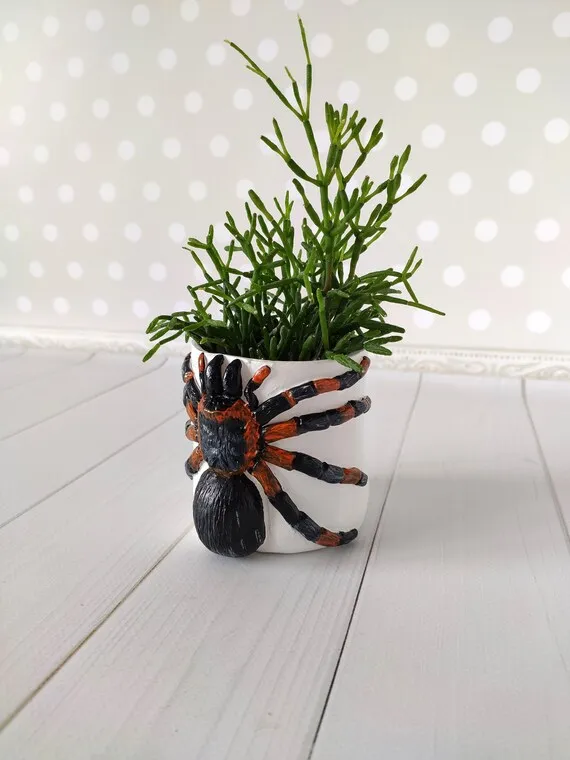
What is a Pot Tarantula?
The term ‘Pot Tarantula’ is a fascinating one, often sparking curiosity and intrigue. While not a formally recognized species or common name in the arachnid world, the concept can refer to various tarantula species kept as pets, emphasizing the unique characteristics and care these spiders require. These arachnids have gained popularity in recent years, attracting enthusiasts who appreciate their beauty and relatively low-maintenance needs. The phrase can also be used to refer to the particular lifestyle and needs of a tarantula living in a contained environment. Understanding this term is the first step in appreciating the amazing facts about these creatures.
Origin and Habitat
Tarantulas, in general, are found in diverse habitats around the globe, from the tropical rainforests of South America to the deserts of North America. Their origins are as varied as their appearances, with different species adapted to specific environments. The ‘Pot Tarantula’, a hypothetical term, would apply to any tarantula in a contained environment. In their natural habitats, these spiders typically live in burrows, under rocks, or in the crevices of trees, depending on the species. The understanding of the natural environment of the tarantula is essential to provide adequate care.
Appearance and Characteristics

Tarantulas exhibit a wide array of appearances, with variations in size, color, and hair patterns. They possess eight legs, two pedipalps (used for sensing and manipulating food), and two body segments: the cephalothorax (head and thorax combined) and the abdomen. Colors range from vibrant blues and oranges to subtle browns and blacks, with some species displaying iridescent hairs. Their size can vary dramatically, from small, ground-dwelling species to larger, arboreal (tree-dwelling) ones. These arachnids are covered in sensory hairs that detect vibrations in the environment, helping them locate prey and avoid predators. Some species also have urticating hairs, which they can flick off their abdomens as a defense mechanism.
Fact 1 Size and Lifespan
One of the most interesting facts about pot tarantulas is the variation in size and lifespan across different species. Some species, like the dwarf tarantulas, are relatively small, with a leg span of only a few inches, while others, like the Goliath birdeater, can reach a leg span of over 10 inches, making them one of the largest spiders in the world. The lifespan of a tarantula is also remarkable. Females typically live much longer than males, with some species living for 20 years or more in captivity, while males often live only a few years after reaching maturity. This long lifespan makes them an intriguing and long-term commitment for pet owners.
Fact 2 Diet and Feeding Habits
Tarantulas are primarily insectivores, meaning their diet consists mainly of insects. In the wild, their diet can include crickets, grasshoppers, beetles, and even small vertebrates like lizards and small rodents, depending on the size of the tarantula and the availability of prey. As ‘Pot Tarantulas’ in a contained environment, they are usually fed a diet of commercially available crickets, roaches, or other feeder insects. They have a unique way of feeding, injecting venom to paralyze their prey before they start to eat, and using their chelicerae (fangs) to grind up their food. Proper feeding is essential for their health and growth, and the frequency of feeding depends on their age and size.
Fact 3 Unique Behavior

Tarantulas exhibit a range of fascinating behaviors. Many species are nocturnal, becoming most active at night, while others are diurnal or crepuscular. Some tarantulas are burrowers, constructing elaborate underground tunnels, while others are arboreal, living in trees. They molt periodically throughout their lives, shedding their exoskeletons to grow. This process leaves them vulnerable, and they often hide during molting. They use silk to create webs for various purposes, including lining their burrows, trapping prey, and protecting their eggs. The molting process is the key for growth and evolution.
Fact 4 Interaction with Humans
Tarantulas are becoming increasingly popular pets, and their interaction with humans is a crucial aspect of their care. While they are generally not aggressive, they can bite if they feel threatened, so handling should be done with caution and respect. Many tarantulas have urticating hairs, which can cause skin irritation upon contact. Responsible pet ownership includes understanding their needs, providing a safe and appropriate environment, and observing their behavior. They are fascinating creatures to observe, and many owners enjoy watching their tarantulas hunt, explore their enclosures, and simply exist in their unique way. It’s important to do thorough research before getting one.
Fact 5 Conservation Status
Although many tarantula species are relatively common, some are facing threats in their natural habitats due to habitat loss, climate change, and the pet trade. Conservation efforts are focused on protecting their habitats and regulating the collection of wild tarantulas for the pet trade. Understanding their conservation status and the threats they face is crucial for responsible pet ownership. Supporting organizations that work to protect tarantula habitats and promote sustainable practices is an important step in ensuring the survival of these fascinating creatures. Some species are under protection, so research is important before getting one.
Caring for a Pot Tarantula

Caring for a ‘Pot Tarantula’ involves creating a suitable environment that mimics their natural habitat as closely as possible. It includes providing a safe enclosure, maintaining appropriate temperature and humidity levels, feeding a proper diet, and handling the spider safely. Understanding their specific needs and providing the right care is crucial to ensuring their well-being and longevity. Careful attention to these details will help ensure the tarantula thrives in captivity.
Creating the Right Environment
A suitable environment is essential for the health and happiness of your tarantula. This includes the proper enclosure and maintaining the right temperature and humidity levels. Creating a well-designed habitat is very important for a pot tarantula. The enclosure should be escape-proof, with proper ventilation to prevent mold growth. The substrate, which is the material used to cover the bottom of the enclosure, should be appropriate for the tarantula’s species, providing a place for burrowing or hiding. Providing a water dish for hydration and decorations like branches, rocks, and artificial plants can enrich the environment and provide enrichment. Proper habitat and enrichment is essential.
Choosing the Right Enclosure
The enclosure should be appropriately sized for the tarantula, allowing enough space for movement and exploration. The size will vary depending on the species and size of the spider. Glass or acrylic enclosures are commonly used, with secure lids to prevent escape. Ventilation is crucial to prevent the buildup of excessive humidity, which can lead to health issues. The enclosure should also be easy to clean and maintain. The type of enclosure can depend on whether it is an arboreal or terrestrial tarantula. Selecting the correct one is key for your pot tarantula.
Maintaining Temperature and Humidity

Maintaining the correct temperature and humidity levels is crucial for the tarantula’s health. Different species have different requirements, so research the specific needs of your tarantula. Temperature can be controlled with a heat lamp or a heat mat, and a thermometer should be used to monitor the temperature accurately. Humidity can be maintained by misting the enclosure with water regularly and by providing a water dish. A hygrometer is useful for monitoring humidity levels. Proper temperature and humidity is essential for the molting process and the overall health.
Feeding and Hydration
Feeding your tarantula a proper diet is essential for its health and growth. The diet should consist mainly of insects, such as crickets, roaches, or mealworms. The size and frequency of feeding depend on the tarantula’s age and size. Young tarantulas need to be fed more frequently than adults. Always remove any uneaten food to prevent the buildup of mold and bacteria. Provide a shallow water dish with fresh water at all times. Hydration is key for tarantulas. Feeding and hydration are essential for a thriving tarantula.
Handling and Safety
Handling a tarantula should be done with caution and respect. Tarantulas are generally not aggressive but can bite if they feel threatened. Wash your hands before and after handling your tarantula. Always handle your tarantula over a soft surface. Urticating hairs can cause skin irritation, so it’s best to avoid direct contact with the abdomen. Handle them as little as possible as they are not very fond of human contact. Handling should be done with care for the safety of both the owner and the pet. Always supervise children when around them.