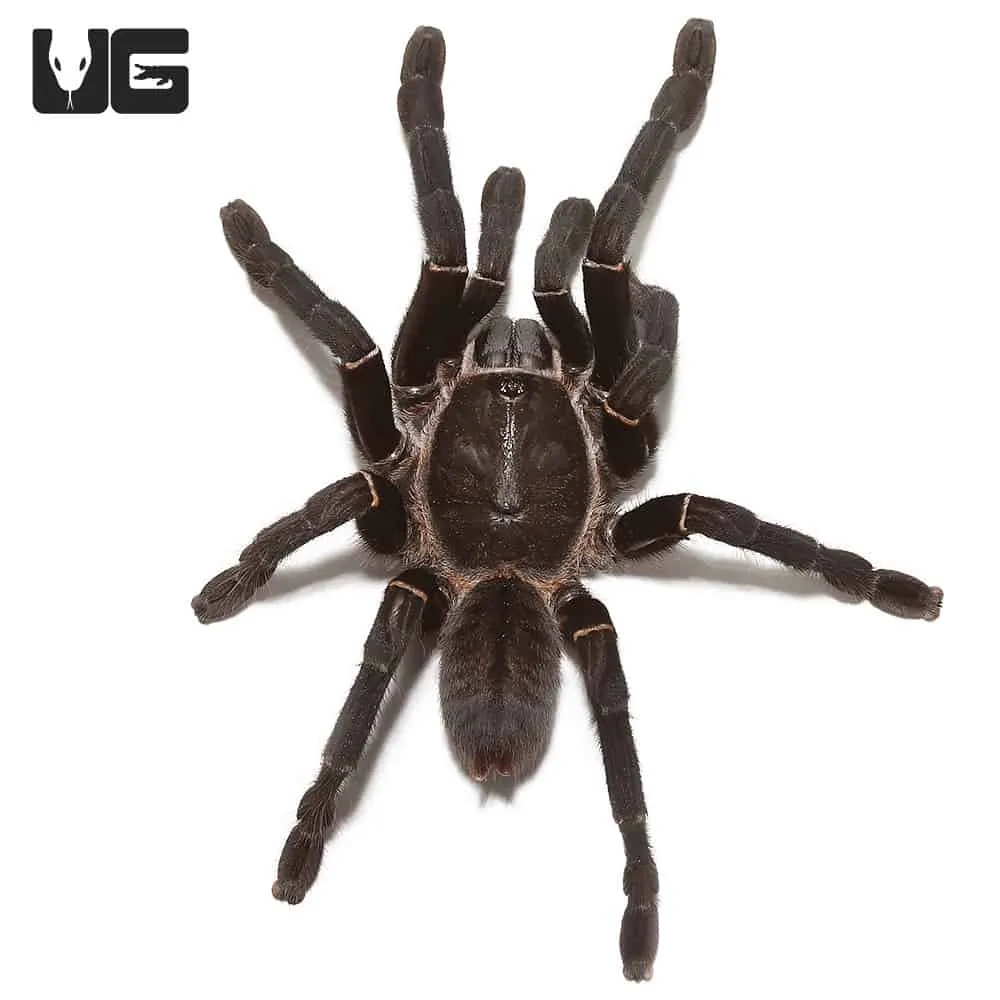
Black Tarantula Spider Price The Top 5 Facts
The allure of owning a black tarantula spider often begins with a fascinating blend of curiosity and fascination. These arachnids, with their striking appearance and intriguing behaviors, have become increasingly popular as pets. But before you decide to welcome one of these eight-legged creatures into your home, understanding the black tarantula spider price is crucial. Several factors influence the cost, and it’s important to be well-informed to make a responsible and satisfying purchase. This article will delve into the top 5 facts that shape the price of black tarantula spiders, ensuring you are prepared to provide a suitable environment for your new pet and manage its care effectively. From the species and age of the spider to where you buy it, these facts will guide you through the essential aspects of the financial investment required, and help you understand what to expect when searching for the perfect black tarantula.
Factors Influencing Black Tarantula Spider Price
Several key factors significantly influence the price of a black tarantula spider, making it essential for potential owners to understand these variables. The species of the tarantula is one of the most important factors. Different species have varying price points based on their rarity, size, and the demand from hobbyists. For instance, rarer species or those with unique colorations tend to be more expensive than common varieties. Another key factor is the spider’s age and size. Juvenile spiders, often referred to as slings, are typically cheaper than adults. However, they require more care and a longer commitment. Adult tarantulas, while more expensive, offer the advantage of being fully grown, allowing owners to appreciate their full size and coloration. Furthermore, the spider’s health and overall appearance play a vital role in determining its price. A healthy tarantula with no visible deformities or signs of disease will command a higher price. This ensures the buyer is getting a robust and thriving pet.
Species and Availability of Black Tarantulas

The species of black tarantula you choose significantly impacts the price and availability. Some species are more common and easier to breed in captivity, making them more affordable. The Mexican Black Tarantula (Brachypelma hamorii), for example, is a popular choice due to its relatively low price and docile temperament. Other species, such as the Costa Rican Black Tarantula or those with unique coloration, can be significantly more expensive due to their rarity and higher demand. Availability also plays a crucial role; the more readily available a species is, the lower its price tends to be. Species that are in high demand but are difficult to breed or rare in their natural habitat will naturally have a higher price point. When researching, consider the legal status of the species in your area, as some species are protected by conservation laws, which can affect both availability and price. Therefore, prior to purchasing, research the specific species you are interested in to understand its price range and ease of access.
Size and Age Impact on Price
The size and age of a black tarantula are critical determinants of its price. As previously mentioned, spiderlings (young spiders) are typically less expensive than adults. This is because spiderlings are smaller, less developed, and require a more specific and often intensive care routine. They are also more vulnerable to environmental changes and require more diligent monitoring. As tarantulas mature, their price increases. Adult tarantulas are fully grown, have established feeding patterns, and their coloration is at its most vibrant. They also offer the advantage of their sex being easily identifiable, which is beneficial for those interested in breeding. The price difference also reflects the time and resources invested by the breeder or seller in raising the spider to adulthood. Mature specimens command a higher price because they represent a lower-risk investment for the buyer. Thus, the price reflects the developmental stage, the ease of care, and the aesthetic appeal of the spider.
Origin and Rarity Affecting Black Tarantula Price
The origin of a black tarantula and its rarity significantly influence its price. Tarantulas collected from the wild are often more expensive than those bred in captivity, due to the ethical and conservation considerations. Wild-caught specimens may also carry parasites or diseases, posing potential risks to both the spider and the owner. Captive-bred tarantulas are generally healthier and have a known lineage, making them a safer choice. Rarity is a major driver of price. Species that are naturally rare or have restricted geographical distributions are often more expensive. This is because the supply is limited, and demand is high. Some color morphs or variations within a species can also increase the price, as these unique traits are highly sought after by collectors. Before purchasing, it is crucial to understand the origin of the spider and to ensure that it is ethically sourced from a reputable breeder. Purchasing from ethical breeders not only supports the conservation of these fascinating creatures, but it also ensures that you are getting a healthy and well-cared-for pet.
Health and Appearance Considerations

When evaluating the price of a black tarantula, the health and appearance are paramount. A healthy tarantula will have a robust build, vibrant coloration, and be alert and active. Examine the spider for any signs of illness or injury, such as missing limbs, lesions, or unusual behavior. Ensure the tarantula is feeding well and has a clean, well-maintained enclosure. The appearance of the tarantula, including its size relative to its age and species-specific characteristics, also plays a crucial role in determining its value. The presence of any abnormalities, such as deformities or unusual markings, can impact the price. Thoroughly inspect the spider before purchase. A healthy tarantula suggests proper care, and is less likely to require costly veterinary treatment. Moreover, a healthy specimen is more likely to thrive in its new environment, leading to a more rewarding pet ownership experience. This assessment protects your investment and ensures you are bringing a thriving animal into your home.
Where to Buy Black Tarantula Spiders
The location you purchase your black tarantula spider from directly affects the price, quality, and overall experience. There are several avenues available, each with its own pros and cons. Reputable breeders and suppliers are generally the best option. These sources often specialize in tarantulas, providing expertise, a wide selection, and healthy specimens. They can offer detailed information about the spider’s lineage, care requirements, and health history. Online marketplaces and auction sites are other options; however, exercise caution here. While you may find lower prices, the quality and health of the tarantula are not always guaranteed. It’s essential to research the seller thoroughly, read reviews, and confirm that the seller adheres to responsible breeding and shipping practices. When selecting a source, factor in the convenience, the seller’s reputation, and the availability of after-sales support. Choosing the right source ensures the best chance of acquiring a healthy tarantula at a fair price.
Reputable Breeders and Suppliers
Purchasing from reputable breeders and suppliers is often the most reliable way to acquire a healthy black tarantula spider. These professionals typically specialize in tarantula care and breeding, offering a wealth of knowledge and expertise. They can provide detailed information about the specific species, its origin, care requirements, and health history. Reputable breeders prioritize the well-being of their tarantulas, ensuring they are housed in optimal conditions, fed a proper diet, and receive regular health checks. When selecting a breeder or supplier, check for positive reviews, certifications, and a willingness to answer your questions. A reputable source will also be transparent about their breeding practices and offer guarantees regarding the health of the spider. These breeders understand the importance of responsible pet ownership and often provide ongoing support to their customers. Their commitment to quality and care will justify the price and contribute to the health and longevity of your tarantula.
Online Marketplaces and Auction Sites

Online marketplaces and auction sites provide an alternative way to acquire a black tarantula, but they come with inherent risks and require careful consideration. These platforms often offer a wide selection of tarantulas at varying prices, potentially presenting attractive deals. However, the lack of direct interaction with the seller makes it crucial to thoroughly investigate the seller’s reputation and the quality of the spider. Always read seller reviews, and look for established sellers with positive feedback. Request clear photos and videos of the tarantula to assess its health and appearance. Inquire about the spider’s origin, age, and care history. Verify that the seller adheres to responsible shipping practices to ensure the spider arrives in good condition. Be prepared to pay for shipping and understand the return policies in case the spider arrives in poor health. Consider the risks associated with these platforms, and weigh them against the potential cost savings. While online marketplaces can offer variety and potentially lower prices, they require a higher degree of due diligence to ensure a satisfactory and healthy purchase.
Average Price Range for Black Tarantulas
The average price range for black tarantulas varies widely depending on the species, age, origin, and other factors discussed above. Common species like the Mexican Black Tarantula (Brachypelma hamorii) can range from $30 to $100, with juveniles being at the lower end and adults towards the higher end. Rarer or more exotic species can fetch significantly higher prices, potentially reaching several hundred dollars or more. For instance, certain color morphs or species with restricted availability can be exceptionally expensive. Always consider the cost of the spider in relation to its species, age, health, and the reputation of the seller. When setting a budget, factor in the costs of the enclosure, substrate, heating, and other essential supplies needed for the spider’s care. Researching the specific species you are interested in is crucial to understand its typical price range. This helps you to avoid overpaying and ensures that you are getting a fair deal. Ultimately, understanding the average price range will help you make an informed decision and find a healthy, suitable black tarantula within your budget.
The Cost of Setting Up a Black Tarantula Habitat
Beyond the initial price of the spider, the cost of setting up a proper habitat for a black tarantula is a significant consideration. The setup ensures the spider’s well-being, provides a comfortable environment, and promotes its overall health. Essential equipment includes an appropriately sized enclosure, the dimensions of which depend on the tarantula’s size and species. This could range from a small terrarium for spiderlings to a larger tank for adult specimens. Substrate, such as coconut fiber or peat moss, is necessary to maintain humidity levels and provide a suitable surface for the spider to burrow. Heating elements, such as a heat mat or ceramic heat emitter, may be required to maintain the proper temperature, especially in cooler climates. Other necessary items include a water dish, a hide or shelter for the spider to retreat, and possibly plants or decorations to enhance its environment. The cost of these items can vary, but it’s crucial to budget for a complete and appropriate habitat to ensure the spider’s health and comfort. Remember that providing the right setup is an investment in your pet’s well-being.
Essential Equipment and Supplies

Setting up a black tarantula’s habitat involves essential equipment and supplies that contribute to its health and happiness. The enclosure itself must be appropriately sized, well-ventilated, and escape-proof. Glass or plastic terrariums are popular choices. Substrate, such as coconut fiber, peat moss, or a mix, is vital for maintaining humidity and providing a natural burrowing environment. A water dish is essential to provide a constant source of fresh water, and it should be shallow enough to prevent the tarantula from drowning. A hide or shelter, such as a piece of cork bark or a pre-made hide, provides the spider with a secure place to retreat. Heating elements, such as a heat mat or a ceramic heat emitter, are often necessary to maintain the correct temperature range. Other optional items, such as hygrometers to monitor humidity, thermometers to check the temperature, and plants or decorations, can enhance the habitat. The cost of these essential supplies varies, but investing in the right equipment ensures a suitable environment for the tarantula, which promotes its well-being.
Long-Term Care Expenses
Owning a black tarantula also comes with long-term care expenses that should be factored into your budget. One of the most significant ongoing costs is the feeding of the spider. Tarantulas are carnivorous and require a diet of insects, such as crickets, mealworms, roaches, or other appropriate prey items. The cost of these insects can vary depending on the source and the quantity purchased. Other expenses include substrate replacement, as the substrate will need to be changed periodically to maintain hygiene and humidity. Regular cleaning of the enclosure is essential, which may involve the cost of cleaning supplies. While tarantulas generally have minimal veterinary needs, unexpected health issues can arise, leading to potential veterinary bills. Additionally, you may need to replace equipment, such as water dishes or heating elements, over time. Budgeting for these recurring expenses helps to ensure you can provide continuous care and maintain a healthy and thriving environment for your black tarantula. Thoroughly planning these ongoing expenses ensures you can meet your pet’s needs without compromising its well-being.
Tips for Saving on Black Tarantula Prices
While the price of a black tarantula can vary, there are several strategies for saving money. One of the most effective is to purchase a juvenile spider, often referred to as a spiderling. Spiderlings are generally less expensive than adults. Although they require more care, this can result in significant savings. Consider buying from reputable breeders or suppliers who offer fair prices and may have sales or promotions. Compare prices from different sources before making a purchase. Look for online marketplaces, but always research the seller’s reputation and ensure that they are offering healthy specimens. Be patient, as prices may fluctuate depending on the species and availability. Purchasing supplies in bulk can also lead to cost savings, especially for substrate, food, and other consumables. Another strategy is to build your own enclosure, which can be a more affordable option than purchasing a pre-made terrarium. By researching, planning, and comparing prices, you can acquire a black tarantula without exceeding your budget.
In conclusion, understanding the price of black tarantula spiders is critical for anyone considering adding one to their household. This guide has covered essential factors, from species and age to the importance of reputable sources and long-term care expenses. Knowing the typical price range, potential savings strategies, and essential setup costs empowers potential owners to make responsible decisions. By researching and preparing, you can provide a suitable environment for your spider and enjoy the rewarding experience of owning a black tarantula without breaking the bank. Remember that investing in a healthy and well-cared-for tarantula is essential for a fulfilling pet-owning experience.