Pulchra Tarantula Facts Unveiled
The Pulchra Tarantula, scientifically known as Grammostola pulchra, is a captivating arachnid that has become increasingly popular among tarantula enthusiasts. Its striking appearance and relatively docile temperament make it a sought-after pet. But beyond its beauty, lies a world of fascinating facts. This article delves into the top 7 amazing facts about the Pulchra Tarantula, exploring its characteristics, habitat, behavior, and conservation status. Prepare to be amazed by the intricacies of this incredible creature, and gain a deeper appreciation for the beauty and complexity of the natural world, from its physical attributes and origin, and even to the aspects of their care.
Appearance and Characteristics
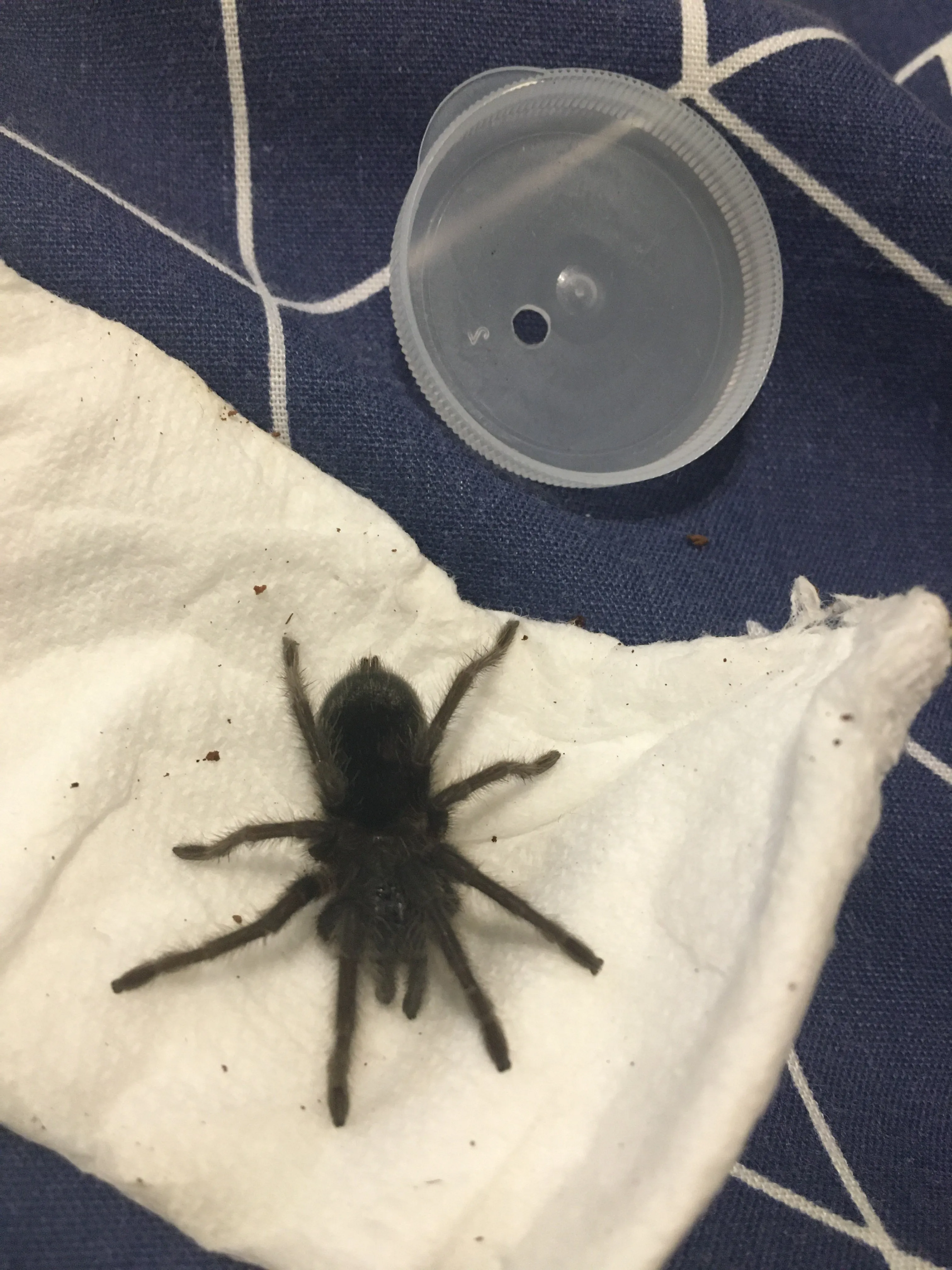
The Pulchra Tarantula is renowned for its striking appearance, which significantly contributes to its appeal. This species is a terrestrial tarantula, meaning it primarily lives on the ground. Their bodies are covered in fine hairs called setae, which contribute to their overall look and can also be used for defense. These setae can be urticating, meaning they can cause irritation if they come into contact with skin. The Pulchra Tarantula’s beauty is a testament to the diversity of the animal kingdom. They are a perfect example of how nature can create such unique and eye-catching creatures. Moreover, the beauty of a Pulchra Tarantula is further amplified by the careful observation and appreciation of those who admire these creatures.
Size and Physical Traits

Adult Pulchra Tarantulas typically reach a leg span of 5 to 7 inches (13 to 18 cm). Their bodies are robust, with a rounded cephalothorax (the combined head and thorax) and a large abdomen. They possess eight legs, each covered in fine hairs and claws at the tips for gripping surfaces. Their chelicerae, the mouthparts used for biting, are relatively large and strong. These physical characteristics are crucial for their survival, as they enable them to navigate their environment, capture prey, and defend themselves against threats. The size and structure of the Pulchra Tarantula are not just about aesthetics; they are vital for their survival and adaptation to their natural environment.
Coloration and Markings
One of the most striking features of the Pulchra Tarantula is its coloration. They are predominantly black, with a velvety sheen that gives them an elegant appearance. The carapace, the upper shell of the cephalothorax, often has a slightly lighter hue, sometimes with hints of brown or bronze. The legs are a deep black, with fine hairs adding to their velvety texture. Their overall appearance is one of sleekness and sophistication. The color of these tarantulas serves a purpose beyond aesthetics, helping them blend into their environment. The coloration allows them to camouflage effectively against the forest floor. The Pulchra Tarantula’s coloration is a masterpiece of natural design.
Origin and Habitat
Understanding the Pulchra Tarantula’s origin and natural habitat provides essential insights into its care and behavior. Native to the grasslands and forests of Southern Brazil, this tarantula has adapted to a specific environment. The details of their origin are important to the understanding of its needs and in the replication of the natural environment for a captive tarantula. Knowing the habitat requirements of the Pulchra Tarantula is crucial for replicating those conditions in a captive environment.
Native Region and Ecosystem

Pulchra Tarantulas are endemic to the grasslands and forests of Southern Brazil. They are well-adapted to the humid subtropical climate of this region. They play a role in their ecosystem, acting as both predators and prey. Understanding the native ecosystem is important for appreciating the Pulchra Tarantula’s place in the natural world. The Pulchra tarantula’s role in its native environment is crucial to understanding and preserving the balance of its ecosystem. Conserving their native habitats is key to ensuring the survival of the species.
Preferred Environment
In their natural habitat, Pulchra Tarantulas prefer to live in burrows, either self-dug or found under rocks and fallen logs. These burrows provide shelter from the sun and predators. They thrive in a humid environment with temperatures ranging from 75 to 85°F (24 to 29°C). The substrate, or bedding, in their environment is usually composed of soil and leaf litter, which helps to retain moisture and allows them to create their burrows. The Pulchra Tarantula has evolved to thrive in its environment. Recreating their natural habitat in captivity is key to their wellbeing.
Behavior and Temperament
The Pulchra Tarantula is known for its relatively docile temperament, making it a popular choice for tarantula enthusiasts. They are generally not aggressive, but like all tarantulas, they will defend themselves if they feel threatened. Their behavior is a fascinating aspect of their biology, and it provides insight into their adaptation to the environment. Understanding their behavior is important for providing proper care and for handling them safely. Recognizing signs of stress or potential aggression is crucial.
Defensive Mechanisms

The Pulchra Tarantula, while generally docile, has several defensive mechanisms. They may flick urticating hairs from their abdomen as a deterrent. They can also raise their front legs and display their fangs as a warning. If provoked, they may bite, though this is rare. Understanding the defensive mechanisms of a Pulchra Tarantula is crucial for safe handling and interaction. These mechanisms are essential for its survival in the wild, protecting it from potential predators and threats. Being aware of these defense mechanisms is key to creating a safe environment for both the tarantula and the handler.
Activity Levels
Pulchra Tarantulas are generally nocturnal creatures, meaning they are most active during the night. They spend most of their time in their burrows or hiding spots, emerging to hunt for food. During the day, they tend to stay hidden, conserving energy and avoiding predators. Their activity levels can vary depending on factors like temperature and humidity. They are crepuscular, meaning they become active during twilight, both at dawn and dusk. Providing an environment that caters to their natural activity patterns ensures their wellbeing.
Diet and Feeding Habits
The Pulchra Tarantula is a carnivore, and its diet consists primarily of insects and other invertebrates. Their feeding habits are a crucial aspect of their care. They are voracious eaters, and their diet plays a vital role in their overall health and growth. Understanding their dietary needs is fundamental to the proper care of a Pulchra Tarantula. By providing the right food, in the correct quantity, and at the appropriate intervals, you can ensure that your tarantula thrives.
Food Preferences

In the wild, Pulchra Tarantulas feed on a variety of insects, including crickets, beetles, and other invertebrates. In captivity, they readily accept a diet of commercially available insects. Crickets and roaches are standard feeder insects. Mealworms and superworms can also be offered as supplementary food. The food provided to a Pulchra Tarantula should be varied to ensure they get the nutrients they need. Supplementing the diet with calcium and vitamins is also a good practice.
Feeding Frequency
The feeding frequency of a Pulchra Tarantula depends on its age and size. Spiderlings (young tarantulas) need to be fed more frequently, typically 2-3 times a week. Adults can be fed every 1-2 weeks, or even less often. Overfeeding can lead to health issues, so it’s important to monitor the tarantula’s abdomen. A well-fed tarantula will have a round abdomen. Remove any uneaten food within 24 hours to prevent the buildup of mold and mites.
Lifespan and Growth
Pulchra Tarantulas have a relatively long lifespan, particularly the females. Their growth involves several stages, each playing a role in the tarantula’s development. The growth and lifespan of a Pulchra Tarantula are essential factors to consider. Understanding the growth stages helps in providing appropriate care, and knowing the lifespan helps set realistic expectations for ownership.
Growth Stages

Pulchra Tarantulas grow by molting, shedding their exoskeleton to accommodate their growth. Spiderlings molt frequently, sometimes every few weeks. As they mature, the molting frequency decreases. Before molting, the tarantula will usually stop eating and may appear lethargic. After molting, they are very vulnerable, as their new exoskeleton is still soft. The molting process is a critical part of the Pulchra Tarantula’s life cycle, allowing them to grow and develop. Providing a suitable environment during molting is critical for their health.
Longevity
Female Pulchra Tarantulas can live for 15 to 20 years or even longer in captivity. Males, however, have a much shorter lifespan, typically living for only 3 to 5 years. The lifespan is affected by several factors, including diet, environment, and genetics. The longevity of a Pulchra Tarantula makes it a long-term commitment, requiring a significant investment of time and resources. The longevity of the Pulchra Tarantula is one of the reasons they make such appealing pets.
Conservation Status
While not currently classified as endangered, the Pulchra Tarantula faces threats to its populations. Understanding its conservation status is critical to preserving this species. The conservation status of the Pulchra Tarantula, like that of other tarantulas, can be affected by habitat loss, the pet trade, and other factors.
Threats and Conservation Efforts

The primary threats to Pulchra Tarantulas include habitat destruction due to deforestation and agricultural expansion. The pet trade can also pose a threat if the collection is unsustainable. Conservation efforts involve habitat preservation and sustainable pet trade practices. Some organizations are dedicated to protecting tarantulas. Protecting their natural habitats is crucial for their survival. Supporting conservation initiatives is one of the best ways to ensure the long-term health and viability of the Pulchra Tarantula population.
Protecting the Pulchra Tarantula
You can contribute to the protection of the Pulchra Tarantula by supporting responsible pet ownership and advocating for habitat conservation. Purchasing captive-bred tarantulas from reputable breeders helps to reduce the pressure on wild populations. Educating yourself and others about tarantula care and conservation efforts is another way to make a difference. Understanding and promoting sustainable practices in the pet trade is also a way to ensure that future generations can enjoy the beauty of the Pulchra Tarantula. By taking these steps, you can play a part in preserving this captivating species.