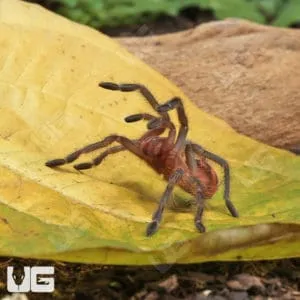
Understanding the Purple Starburst Birdeater Tarantula
The Purple Starburst Birdeater Tarantula (Pamphobeteus antinous) is a captivating and sought-after species among tarantula enthusiasts. Known for its striking purple coloration and impressive size, this tarantula can be a rewarding pet for those willing to provide the proper care. This comprehensive guide will delve into every aspect of caring for a Purple Starburst Birdeater, from setting up its habitat to understanding its behavior and health needs. This guide will allow you to have a basic understanding of this tarantula.
Origin and Habitat
Native to South America, specifically found in countries like Colombia and Ecuador, the Purple Starburst Birdeater tarantula inhabits humid, tropical environments. In the wild, these tarantulas live in burrows or under rocks and logs, providing shelter from the elements and predators. Understanding their natural habitat is crucial for replicating these conditions in captivity, ensuring your tarantula thrives. The specific environment they require is tropical and humid. The correct habitat is paramount to ensure the health of your tarantula.
Appearance and Characteristics

The Purple Starburst Birdeater is renowned for its stunning appearance. Juveniles typically exhibit a more muted coloration, but as they mature, they develop vibrant purple hues on their legs, carapace, and abdomen. The size of this tarantula can vary, with females often reaching a leg span of up to 8-10 inches, making them a substantial and impressive pet. Males tend to be smaller and have a shorter lifespan. Their impressive size and vibrant colors make them an eye-catching addition to any collection. Proper care will also ensure the tarantula maintains its vibrant colors.
Setting Up the Perfect Purple Starburst Tarantula Habitat
Creating a suitable habitat is essential for the health and well-being of your Purple Starburst Birdeater. The enclosure should mimic its natural environment, providing security, comfort, and opportunities for natural behaviors. Correct enclosure size, substrate, temperature, and humidity all contribute to the overall health and longevity of your tarantula. This requires attention to detail, as the tarantula’s health and safety are the priority.
Choosing the Right Enclosure
For adult Purple Starburst Birdeaters, a terrarium or enclosure that is at least 18x18x12 inches is recommended, though larger is always better. The enclosure should be well-ventilated but escape-proof, with a secure lid. Consider the tarantula’s burrowing behavior; a deep substrate layer is essential. Glass or acrylic enclosures are suitable, provided they allow for proper ventilation and easy access for maintenance. Make sure the enclosure is always kept clean and free of debris. A safe enclosure is always the priority.
Substrate and Decor

The substrate should be deep, allowing the tarantula to burrow if it chooses. A mix of coco fiber, peat moss, and a bit of vermiculite works well, providing good moisture retention and allowing for burrowing. Add a hide, such as a piece of cork bark or a hollow log, for the tarantula to retreat to and feel secure. Include some artificial or live plants to further replicate its natural habitat. A well-decorated enclosure not only looks better but also provides environmental enrichment for your pet. The substrate should be kept at a suitable depth to ensure burrowing is possible.
Temperature and Humidity
Maintaining the correct temperature and humidity levels is crucial for your tarantula’s health. The ideal temperature range is between 75-85°F (24-29°C). Use a heat mat or a low-wattage ceramic heat emitter to provide supplemental heat if necessary, but avoid placing the heat source directly under the enclosure. Humidity levels should be kept between 60-70%. This can be achieved by lightly misting the enclosure once or twice a week, or by providing a large water dish. Monitoring both temperature and humidity with a reliable gauge is essential. The use of a hygrometer is highly recommended.
Feeding Your Purple Starburst Tarantula
Providing the right diet is essential for the health and growth of your Purple Starburst Birdeater. These tarantulas are voracious eaters, and their diet should consist of insects appropriate for their size. Providing a balanced diet is vital for their overall well-being. This section will cover what to feed your tarantula, how often, and how to ensure proper hydration. It is important to provide the correct diet.
What to Feed Your Tarantula

The primary diet for your Purple Starburst Birdeater should consist of live insects. Suitable choices include crickets, cockroaches, mealworms, and occasionally, small pinky mice for adult tarantulas. The size of the prey should be appropriate for the tarantula’s size; a good rule of thumb is to offer insects that are no larger than the tarantula’s body. Avoid feeding wild-caught insects, as they may carry parasites or pesticides. Always ensure the food is safe and appropriate.
Feeding Frequency and Schedule
Feeding frequency depends on the tarantula’s age and size. Spiderlings and juveniles should be fed two to three times a week, while adults can be fed once every week or two. Observe your tarantula’s behavior and adjust the feeding schedule accordingly. If the tarantula refuses food, it may be preparing to molt or not hungry. Always remove any uneaten prey within 24 hours to prevent stress and potential harm to the tarantula. The feeding schedule should be consistent.
Watering and Hydration
Provide a shallow water dish with fresh, clean water at all times. The water dish should be easily accessible, but not so deep that the tarantula could drown. For spiderlings, use a bottle cap filled with water or provide a small, damp sponge. Misting the enclosure lightly once or twice a week also helps maintain humidity and provides a source of water. Always ensure your tarantula has access to clean water. Water is an essential element.
Handling and Safety

While Purple Starburst Birdeaters are generally not considered highly aggressive, it is essential to approach handling with caution and respect. Their venom is not typically life-threatening to humans, but their bite can be painful. Furthermore, improper handling can lead to stress and potential injury to the tarantula. This section covers safe handling practices and how to recognize signs of aggression. Safe handling is the priority.
Safe Handling Practices
Handling should be kept to a minimum and only done when necessary, such as for enclosure maintenance. If you must handle your tarantula, do so gently and slowly. Use a soft, wide brush or your hand to encourage the tarantula to walk onto it. Avoid quick movements or sudden noises, as these can startle the tarantula. Handle the tarantula close to the ground to minimize the risk of injury if it falls. Always wash your hands before and after handling your tarantula. Handling should be kept to a minimum.
Recognizing and Handling Aggression
Tarantulas display certain behaviors when they feel threatened. These can include raising their front legs, showing their fangs, or flicking urticating hairs (small, irritating hairs) from their abdomen. If your tarantula exhibits these behaviors, it’s best to leave it alone and avoid handling it. Respect your tarantula’s signals and never force interaction. Learn the signs of aggression. Respect the tarantula’s signals.
Common Health Issues and Solutions

Like all living creatures, Purple Starburst Birdeater tarantulas can experience health issues. Understanding the common ailments and how to address them is critical for providing proper care. This includes recognizing the moulting process and identifying signs of illness. The health of the tarantula is paramount. This section will cover common health issues.
Moulting Process
Moulting, or shedding their exoskeleton, is a natural and essential process for tarantulas. Before moulting, the tarantula will typically become less active and may refuse food. It may also flip onto its back. Do not disturb the tarantula during this process, and provide adequate humidity. After moulting, the tarantula will be vulnerable and should be left undisturbed for a few days until its new exoskeleton hardens. The moulting process is very important for tarantula health.
Identifying and Treating Diseases
Common health issues include parasites, fungal infections, and dehydration. Signs of illness include lethargy, loss of appetite, unusual behavior, or discoloration. If you suspect your tarantula is sick, consult with a veterinarian experienced in exotic animals. Maintain proper hygiene in the enclosure, provide a balanced diet, and maintain optimal humidity and temperature to prevent many health problems. Early detection and treatment are key to successful management of health problems. It is recommended that a vet is consulted for severe issues.
Breeding and Reproduction

Breeding Purple Starburst Birdeaters can be a rewarding experience for experienced tarantula keepers. However, it requires careful planning, proper knowledge, and a suitable environment. This section covers sexing tarantulas and the process of mating and caring for egg sacs. Breeding is more complex and only advised for experienced keepers.
Sexing Your Tarantula
Determining the sex of your tarantula is crucial for breeding. The most common method is to examine the tarantula’s shed exoskeleton. Males have a modified pair of pedipalps that resemble boxing gloves, while females have a spermatheca, a receptacle for storing sperm. Additionally, the presence of a slit-like structure on the underside of the abdomen indicates a female. This is an important process for successful breeding.
Mating and Egg Sac Care
Mating involves introducing a mature male to a receptive female. Monitor the pair closely during mating, as the female may become aggressive towards the male. If mating is successful, the female will lay an egg sac containing hundreds of eggs. The egg sac should be carefully monitored, maintaining proper humidity and temperature. The female often guards the egg sac, but sometimes the keeper will need to remove and incubate the sac. Proper care is necessary for successful breeding.
Conclusion
Caring for a Purple Starburst Birdeater tarantula can be an immensely fulfilling experience. With proper knowledge, dedication, and attention to detail, you can provide a thriving environment for your tarantula, allowing it to live a long and healthy life. Remember to research thoroughly, observe your tarantula’s behavior, and always prioritize its well-being. This guide provides a strong foundation, but continuous learning is key to being a successful tarantula keeper. Enjoy the journey of caring for this amazing species!