Quintana Roo Tarantulas Top 5 Facts
Quintana Roo, a vibrant state located on the Yucatán Peninsula in Mexico, is not only famous for its stunning beaches and ancient Mayan ruins but also for its fascinating wildlife, including the captivating Quintana Roo tarantula. These impressive arachnids, often misunderstood, play a crucial role in the local ecosystem. This article delves into the world of the Quintana Roo tarantula, offering you five key facts to appreciate these creatures. From their habitat to their behavior, we’ll explore what makes these spiders unique and why they deserve our respect and understanding. Prepare to be amazed by the hidden life of these eight-legged wonders and discover the secrets they hold within their intricate lives. These facts will provide a foundation for understanding and appreciating these fascinating animals, highlighting their place in the biodiversity of the region.
What Are Quintana Roo Tarantulas
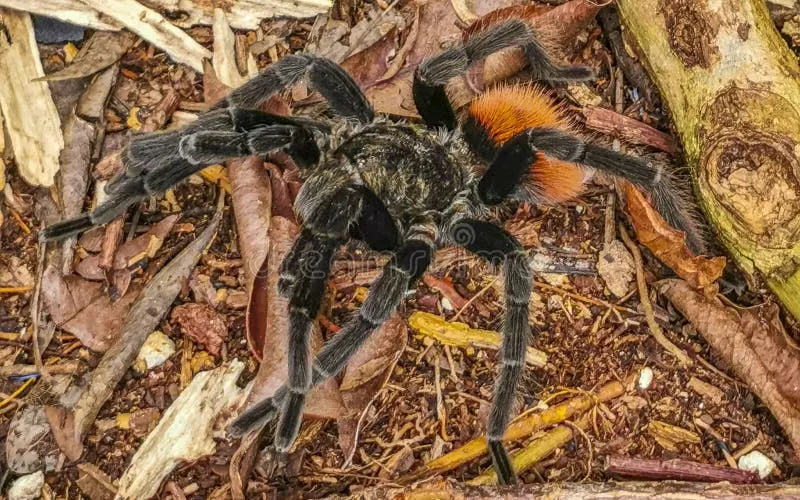
Quintana Roo tarantulas are a species of tarantula native to the Quintana Roo region of Mexico. They are large, hairy spiders, belonging to the Theraphosidae family, known for their impressive size and striking appearance. Unlike some other tarantula species, the Quintana Roo tarantula is not well-defined and is often used as a general term to describe any tarantula found within the geographical area. These spiders are primarily nocturnal predators, playing a significant role in the local ecosystem by controlling insect populations. Their presence is an indicator of a healthy environment. They are fascinating creatures that have adapted to thrive in the tropical conditions of the Yucatán Peninsula.
Where Do They Live

Habitat and Environment
Quintana Roo tarantulas thrive in the warm, humid climate of the Yucatán Peninsula. They typically inhabit tropical forests, grasslands, and even suburban areas with suitable vegetation. These tarantulas are terrestrial, meaning they live on the ground, often creating burrows or utilizing natural shelters like under rocks, logs, and among the roots of trees. The environment is critical for their survival, as they need a consistent temperature and humidity level. The presence of decaying organic matter, which supports insect populations, is another key factor in their habitat. These areas provide the necessary cover and ample food sources that allow them to flourish. They are well-adapted to their environment, displaying characteristics such as their coloration and behavior that help them survive in this habitat.
Identifying Characteristics of Quintana Roo Tarantulas
Size and Appearance

Quintana Roo tarantulas are known for their large size, with some specimens reaching a leg span of up to 6 inches or more. Their bodies are covered in dense hairs, which vary in color depending on the species and individual variation. The females are generally larger and heavier than the males. Their overall appearance is designed for camouflage and predatory efficiency. The tarantulas have eight legs, two pedipalps (used for sensing and manipulating prey), and two chelicerae (fangs). They are built to blend with their surroundings and to effectively capture their prey. Their size makes them a striking presence, and their appearance is both fascinating and, for some, intimidating.
Coloration and Markings
The coloration of Quintana Roo tarantulas can vary but typically includes shades of brown, black, and sometimes reddish hues. These colors help them blend in with their surroundings, providing camouflage in their natural habitat. Some individuals may display unique markings or patterns on their bodies, which can help distinguish them from others. The hairs covering their bodies are often lighter in color, adding to the overall camouflage effect. The combination of their size and coloration makes them effective ambush predators, perfectly adapted to their environment. The specific patterns can vary among different species and even within the same species. The vibrant colors are essential to the tarantulas’ survival.
Diet and Feeding Habits
What They Eat

Quintana Roo tarantulas are primarily carnivores, feeding on a variety of insects, other arthropods, and sometimes even small vertebrates. Their diet in the wild typically consists of crickets, cockroaches, beetles, and other invertebrates. They are opportunistic feeders, meaning they will eat whatever prey they can capture. The size of the prey often depends on the size of the tarantula. Larger tarantulas may consume small lizards, rodents, or birds. They have powerful chelicerae, which they use to inject venom into their prey, immobilizing them before they begin to feed. This varied diet is essential for their growth and health. The local environment dictates the availability of food, influencing their behavior.
How They Hunt
Quintana Roo tarantulas are ambush predators, patiently waiting for prey to come within striking distance. They often sit in their burrows or hidden locations, using their sensory hairs to detect the vibrations of approaching prey. Once the prey is close enough, they swiftly pounce, injecting venom through their fangs. The venom paralyzes the prey, after which the tarantula uses its chelicerae to crush and consume it. They do not actively chase their prey, relying instead on their patience and stealth. Their hunting techniques are highly efficient, helping them to thrive in their environment. Their ability to sense vibrations, coupled with their speed and venom, makes them formidable hunters.
Behavior and Temperament
Defensive Mechanisms

Quintana Roo tarantulas, like all tarantulas, have several defensive mechanisms to protect themselves from predators. One common defense is the use of urticating hairs, which are fine, irritating hairs on their abdomen. When threatened, they flick these hairs towards the perceived threat, causing skin irritation and discomfort. They may also bite as a last resort, though their venom is generally not considered dangerous to humans. Their first line of defense is typically to flee or hide, but if cornered, they will use their other mechanisms. Their coloration, size, and ability to quickly retreat also serve as essential components of their defensive strategy. Understanding their defensive mechanisms is critical for safe interaction with these fascinating creatures.
Lifespan and Reproduction
Mating and Egg Laying
The lifespan of Quintana Roo tarantulas varies, but females typically live much longer than males. Females can live for 10 to 20 years or more, while males typically live only a few years after reaching maturity. During the mating season, male tarantulas actively search for females, often traveling long distances. After mating, the female will lay eggs in a silken egg sac, which she carefully guards. The number of eggs can vary, but it can range from hundreds to over a thousand. The spiderlings, once hatched, go through several molting stages as they grow. The process of mating and reproduction is a complex one, ensuring the survival of the species in its natural habitat. Both the male and female tarantulas play a vital role in this process.
Conservation Status

The conservation status of Quintana Roo tarantulas is not well-defined, partly due to the lack of specific species identification and the broader use of the term. However, habitat loss and the pet trade may pose threats to these tarantulas. The ongoing deforestation in the region reduces their natural habitat. It is crucial to monitor their populations and take conservation measures to protect their natural environment. More research is needed to fully understand the threats they face and to implement effective conservation strategies. Raising awareness about their importance in the ecosystem is crucial for their long-term survival and that of the ecosystem.
In conclusion, the Quintana Roo tarantula is a captivating creature that plays a vital role in its ecosystem. From its habitat in the tropical forests to its unique hunting techniques, the tarantula is a testament to the wonders of nature. By understanding their behavior, diet, and the challenges they face, we can better appreciate and protect these fascinating spiders. Let us continue to explore and learn about the natural world, ensuring the survival of all creatures, including the remarkable Quintana Roo tarantula.