10 Facts About the Rangoon Mustard Tarantula
The Rangoon Mustard Tarantula, scientifically known as Chilobrachys natans, is a fascinating arachnid that has captured the attention of both tarantula enthusiasts and scientists alike. These spiders, with their striking coloration and intriguing behaviors, offer a unique glimpse into the world of exotic pets. This article delves into ten captivating facts about the Rangoon Mustard Tarantula, providing you with comprehensive insights into its life, characteristics, and care. From its physical attributes to its natural habitat and captive requirements, we aim to give you a complete understanding of this amazing creature. Get ready to discover the secrets of the Rangoon Mustard Tarantula and appreciate the beauty of this remarkable species. The following facts will explore the fascinating world of the Rangoon Mustard Tarantula, offering valuable insights into its biology, behavior, and the considerations for responsible care.
Appearance and Identification
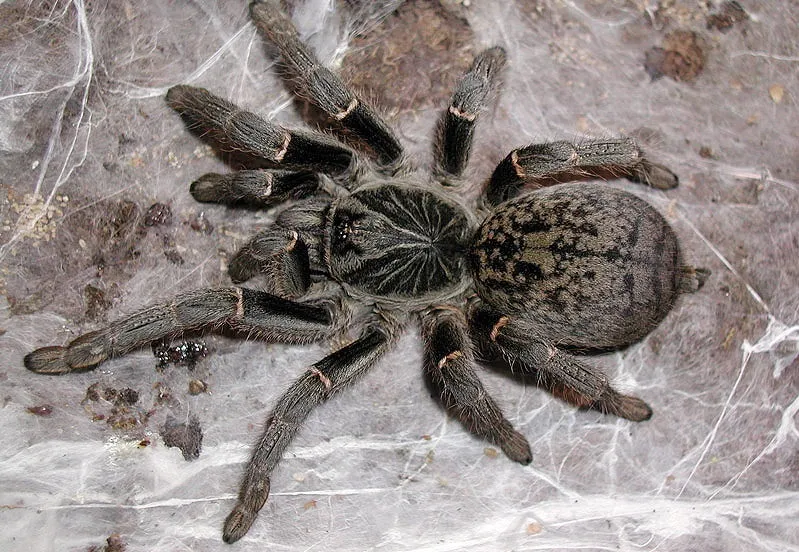
Identifying the Rangoon Mustard Tarantula is a rewarding experience. Understanding its unique physical traits is essential for proper identification. They are medium-sized tarantulas, their appearance distinct from many other species. The combination of size, color, and specific markings enables enthusiasts to quickly distinguish them from others. Recognizing these features will enable you to correctly identify and appreciate the beauty of this tarantula. These features are essential for the correct identification and appreciation of this stunning tarantula.
Size and Characteristics

The Rangoon Mustard Tarantula typically reaches a leg span of about 5-6 inches, making them a medium-sized tarantula. Their bodies are compact, and their legs are proportionate, allowing for agile movements. These physical characteristics define their overall presence and contribute to their distinctive appeal. Their size makes them a good choice for hobbyists, providing a balance between visual impact and manageable care requirements. These characteristics are key to understanding this tarantula’s physical traits.
Coloration and Markings
The most striking feature of this tarantula is its vibrant coloration. The carapace (the top part of the cephalothorax) is typically a rich mustard or golden yellow, from which it gets its name. The legs often exhibit a similar hue, sometimes with darker markings, adding to their visual appeal. The abdomen can range in color, often displaying a darker shade, and may have patterns that enhance their overall unique appearance. The color patterns are a key aspect of their allure, making them visually appealing to enthusiasts.
Habitat and Native Range
Understanding the natural habitat of the Rangoon Mustard Tarantula is critical for its care. Knowing where they come from gives valuable insights into how to best replicate their environment in captivity. The tarantula thrives in specific conditions, which highlights the importance of providing the correct setup. This directly affects their health, behavior, and overall well-being. Knowledge of their native range enables better husbandry practices for these wonderful spiders.
Where They Live

The Rangoon Mustard Tarantula is native to Southeast Asia, specifically found in regions of Myanmar (Burma) and possibly neighboring countries. They are terrestrial spiders, meaning they primarily live on the ground. They build burrows or utilize existing shelters like rocks or crevices to establish their homes. The native habitat of this tarantula significantly influences its behavior and care needs. This knowledge is important for those who want to care for it properly.
Typical Environment
The Rangoon Mustard Tarantula thrives in a warm, humid environment that mimics its native habitat. They prefer areas with plenty of substrate, such as coco fiber or peat moss, in which they can burrow and create their retreats. Providing appropriate temperature gradients and humidity levels is essential for their well-being. They also require access to fresh water and the occasional spray of water to maintain humidity levels. Maintaining these environmental conditions is key to ensuring a healthy and happy Rangoon Mustard Tarantula.
Diet and Feeding Habits
The diet and feeding habits of the Rangoon Mustard Tarantula are straightforward. Providing the correct nutrition is vital for their health, growth, and longevity. It is crucial to offer a diet that meets their nutritional requirements and provides them with opportunities to display their natural behaviors. Proper feeding practices are essential for the well-being of this species, ensuring they thrive in captivity.
What They Eat

Rangoon Mustard Tarantulas are primarily insectivores, with a diet largely composed of insects. Crickets, mealworms, and roaches are common food sources for this species in captivity. The size of the prey should be appropriate for the size of the tarantula; younger spiders need smaller prey. It is crucial to provide a varied diet to ensure they get all the nutrients they need. Always ensure that the insects are healthy and free from pesticides to safeguard your tarantula’s health. Regularly feeding your tarantula the proper food is a vital aspect of their care.
Feeding Frequency
The frequency of feeding depends on the age and size of the tarantula. Spiderlings (young tarantulas) should be fed more often, usually every other day or every day. Adult tarantulas can be fed less frequently, approximately once or twice a week. It’s essential to monitor your tarantula’s abdomen; a well-fed tarantula will have a plump abdomen. Avoid overfeeding, as it can lead to health issues. Adjust the feeding schedule based on your tarantula’s eating habits and molting cycle. Feeding regularly, according to their needs, is key to their health.
Behavior and Temperament
The Rangoon Mustard Tarantula’s behavior and temperament can be quite interesting to observe. This aspect is a crucial part of responsible tarantula ownership. Knowing the disposition of this species allows you to prepare for interactions and create a safe environment. Understanding their behaviors helps enhance the experience of keeping this species. Learning about its temperament is essential for any enthusiast, providing valuable insights.
General Disposition

Rangoon Mustard Tarantulas are generally considered to be a defensive species. They may display skittish behavior, especially when they feel threatened or startled. They are not typically aggressive but will defend themselves if provoked. It is always important to handle them with care and respect their space. Observing their behavior in their enclosure is key to understanding their personality and preferences.
Defensive Behaviors
When threatened, the Rangoon Mustard Tarantula may exhibit several defensive behaviors. They may raise their front legs, display their fangs, or flick urticating hairs from their abdomen as a warning. Some may also attempt to flee. It is important to avoid provoking your tarantula. Always handle them calmly and with a gentle approach. Recognizing these defensive postures can help you to avoid being bitten or having urticating hairs come into contact with your skin.
Lifespan and Growth
Understanding the lifespan and growth stages of the Rangoon Mustard Tarantula is vital for long-term care. Knowing how they grow and develop, and the time they live, enables you to be aware of their life cycle stages. The length of their life and the way they grow also influences husbandry and informs the expectations of owning one of these creatures. This information is valuable for anyone who wants to be a responsible keeper.
Average Lifespan

Female Rangoon Mustard Tarantulas can live for a significant amount of time, often up to 10-15 years or even longer under optimal conditions. Males, however, have a shorter lifespan, typically living for 2-3 years after reaching maturity. Providing the correct care, including proper nutrition, suitable environmental conditions, and minimal stress, is key to maximizing their lifespan. Understanding the average lifespan enables enthusiasts to provide the best long-term care for these tarantulas.
Growth Stages
Tarantulas grow by molting, shedding their exoskeleton to allow for growth. The frequency of molting depends on the age and size of the tarantula. Spiderlings molt more often than adults. During the molting process, the tarantula is vulnerable and should be left undisturbed. After molting, the tarantula’s new exoskeleton is soft, so it’s important to avoid handling the spider until the new exoskeleton hardens. Observing the molting process is a fascinating part of owning a tarantula, and shows their growth.
Breeding and Reproduction
Breeding the Rangoon Mustard Tarantula is a more advanced aspect of their care. Understanding the steps involved in breeding will help you to grasp their reproductive cycle and potentially contribute to their population. It requires careful planning and understanding of the spider’s needs to ensure the process is carried out ethically and safely. Learning about this side is important for those who want to take their passion for tarantulas to the next level.
Mating Process

Breeding Rangoon Mustard Tarantulas involves introducing a mature male to a mature female. The process is carefully managed to prevent harm to either spider. The male often taps on the female’s enclosure or web to initiate the mating ritual. Once the mating is complete, the male should be removed to prevent the female from viewing him as a meal. Success requires careful observation and environmental control to encourage mating.
Egg Sac and Spiderlings
After successful mating, the female will lay eggs and create an egg sac to protect them. The female will fiercely guard the egg sac until the spiderlings hatch. Spiderlings are tiny and must be cared for properly. This includes providing them with small prey items and suitable living conditions. Raising spiderlings requires dedication and a good knowledge of their needs. The process is both challenging and rewarding for any breeder.
Common Health Issues
Knowing about the common health issues of the Rangoon Mustard Tarantula will enable you to recognize any signs of sickness and provide appropriate care. This knowledge is important for maintaining a healthy tarantula. Being able to spot and address these problems will improve your tarantula’s overall well-being. This preparation is an essential part of responsible tarantula ownership.
Common Diseases
Rangoon Mustard Tarantulas, like all tarantulas, can be affected by various health issues. Bacterial or fungal infections can occur due to poor enclosure hygiene or unsuitable environmental conditions. Parasites, while less common, may be a threat as well. Injuries sustained during molting or handling are another potential concern. Regular observation and maintaining a clean environment are key to preventing many of these issues. It is very important to pay attention to the health of your tarantula on a regular basis.
Preventative Care
Preventative care is essential for maintaining the health of your Rangoon Mustard Tarantula. This includes keeping their enclosure clean, providing proper temperature and humidity levels, and offering a balanced diet. Regular inspections of the tarantula can reveal any signs of illness or injury early. Quarantine any new tarantulas before introducing them to the rest of your collection. By following these measures, you can minimize health risks and keep your tarantula happy and healthy.
Conservation Status
Understanding the conservation status of the Rangoon Mustard Tarantula is crucial for responsible pet ownership. Knowing their status allows you to support conservation efforts and make educated choices about keeping them. This will help you appreciate the value of this species in the wild, ensuring their long-term survival. Learning about their situation is also an important part of being an ethical owner.
Current Status
The Rangoon Mustard Tarantula’s conservation status may vary depending on different factors and regional assessments. It is important to stay updated on their status through reputable sources, such as the IUCN (International Union for Conservation of Nature). The species faces various threats in the wild, including habitat loss and the pet trade. Knowing the most recent assessments helps promote informed decisions and ethical practices.
Conservation Efforts
Supporting conservation efforts is vital for protecting the Rangoon Mustard Tarantula and other species. Educating yourself and others about their conservation needs is valuable. You can support conservation by responsibly sourcing tarantulas from reputable breeders and avoiding the purchase of wild-caught specimens. Supporting organizations committed to habitat preservation and species protection is another way to contribute to conservation. These efforts are essential for protecting this species.
The Rangoon Mustard Tarantula in Captivity
Caring for a Rangoon Mustard Tarantula in captivity is a rewarding but responsible endeavor. Providing the right housing, environmental conditions, and handling practices is vital for their health and well-being. This aspect is essential for any potential owner of this species. Preparing an environment for these tarantulas involves a number of considerations.
Housing Requirements
The housing requirements for a Rangoon Mustard Tarantula include a suitable enclosure. An enclosure of appropriate size, with ventilation, is required. The enclosure should be furnished with a substrate (such as coco fiber), a water dish, and a hide. Maintaining the correct temperature and humidity levels is essential. Regular cleaning and maintenance are also necessary. Providing a well-designed enclosure ensures your tarantula feels safe and secure.
Handling and Interaction
Handling the Rangoon Mustard Tarantula should be kept to a minimum. They can be skittish and may bite if they feel threatened. It is best to observe and admire them from a distance. If handling is necessary, do so cautiously and gently, using a soft brush or your hands. Wash your hands before and after handling. Never handle them if you are unsure or uncomfortable. Always respect their space and be aware of their behavior to ensure a safe interaction. Prioritizing their safety is key.
In conclusion, the Rangoon Mustard Tarantula is a captivating species with a unique appearance and intriguing behaviors. This article provided a glimpse into their world, including their physical traits, native habitat, diet, and care requirements. By understanding their needs, respecting their space, and supporting conservation efforts, you can contribute to their well-being and appreciate the beauty of these magnificent creatures. The Rangoon Mustard Tarantula offers a fascinating look at the diversity of the natural world, reminding us of the importance of wildlife conservation.