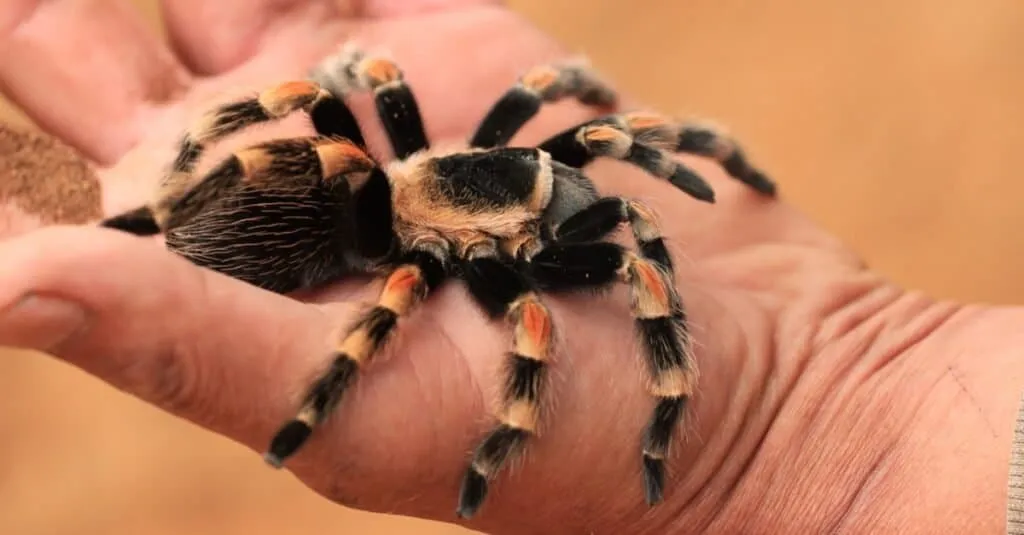
What is a Red Knee Tarantula Baby (Spiderling)?
The red knee tarantula ( Brachypelma hamorii) is a popular pet, and the journey from egg to adult is a fascinating one. A baby red knee tarantula, often called a spiderling, is a miniature version of its adult counterpart. Spiderlings are incredibly delicate and require specific care to ensure their survival and healthy development. Understanding what a spiderling is and the various stages of its growth is crucial for anyone considering keeping one as a pet. The spiderling stage is a critical period, demanding careful attention to environmental conditions, feeding, and overall well-being. They are tiny, with bright colors and often exhibit behaviors that are similar to their adult forms, such as hiding or web-spinning. Their initial size makes them vulnerable, but with the right care, they will grow into the stunning adults we all admire.
Understanding the Life Cycle of a Red Knee Tarantula
The life cycle of a red knee tarantula is an intriguing process that begins with the female laying eggs, which she encloses in an egg sac. From egg to adult, these creatures undergo a series of molts and growth phases, making it an exciting pet to observe. Understanding each stage will help you provide optimal care and ensure your tarantula thrives. This knowledge is key to providing the right environment and care at each step of their life.
The Egg Sac and Hatching

The female red knee tarantula lays her eggs, which she then carefully packages in a silken egg sac. The egg sac is crucial for protecting the eggs from environmental hazards and maintaining the ideal humidity levels. After a gestation period that can last several weeks to months, depending on the conditions, the eggs hatch inside the sac, giving rise to tiny spiderlings. The hatching process is a delicate event, and the newly hatched spiderlings, which are often translucent, are very vulnerable.
Spiderling Development
Once hatched, the spiderlings remain within the egg sac for a short time, absorbing their yolk sacs. Then, they begin to molt, shedding their exoskeletons to grow. During this phase, they look even more like tiny versions of the adults. This initial molting helps them grow and prepare for the next phase. Their development is rapid, and frequent molting is a clear indication of their growth. These spiderlings are still extremely delicate and require carefully controlled environments.
Growth Stages and Molting
As spiderlings grow, they undergo multiple molts. Molting is the process of shedding their exoskeleton to accommodate their growth. Each molt is a significant event where the tarantula becomes vulnerable. The frequency of molting decreases as the tarantula matures. During a molt, the tarantula will often stop eating and may appear sluggish. After molting, the tarantula’s new exoskeleton is soft, and they are very sensitive, so it is vital to keep the environment undisturbed. The growth stages are marked by each molt, revealing the increasing size and vibrant colors of the tarantula.
Feeding Your Red Knee Tarantula Baby

Feeding is a crucial aspect of caring for a red knee tarantula baby. Spiderlings have high metabolic rates and need a regular supply of food to support their rapid growth. The food you provide must be the right size and nutritional value. It is essential to observe the feeding habits of your spiderling and adjust your methods to their individual needs. Feeding plays a central role in the overall health and development of a red knee tarantula baby.
Choosing the Right Food
Spiderlings require appropriately sized prey. Flightless fruit flies and pinhead crickets are common food choices for young spiderlings because they are small and easy to catch. You might also consider using pre-killed prey to avoid any risk of your spiderling being injured by the food. Ensure the food items are gut-loaded with nutritious foods before feeding. This will improve the overall nutritional value for your spiderling. Always remove any uneaten prey to prevent stress or potential injury to your spiderling.
Feeding Frequency and Quantity
The frequency of feeding depends on the spiderling’s age, size, and growth rate. Generally, spiderlings should be fed every other day or every three days. As they grow and molt, you can adjust the feeding schedule to meet their needs. The quantity of food should be enough for the spiderling to consume in a short period. Overfeeding can cause stress, so it’s better to offer smaller portions more frequently. Always observe the spiderling’s behavior and appetite to determine the correct feeding amount. Be sure to provide fresh water alongside the food source.
Watering Your Red Knee Tarantula Baby

Providing adequate hydration is critical for a red knee tarantula baby’s survival. Dehydration can quickly lead to serious health problems. Keeping the humidity at an appropriate level and ensuring a constant water source are essential. The environment plays a vital role in the spiderling’s well-being.
Humidity Requirements
Red knee tarantula spiderlings thrive in a slightly humid environment. The humidity level should be between 60% and 70%. You can maintain this level by misting the enclosure with distilled water a few times a week, avoiding direct spraying on the spiderling. Regularly monitor humidity levels with a hygrometer to ensure they are within the recommended range. Proper humidity helps facilitate molting and overall health, preventing dehydration. Maintaining humidity is key to their development and growth.
Water Source
A shallow water dish or a small, water-filled bottle cap is essential for providing your spiderling with a water source. Use distilled or spring water to avoid any harmful chemicals. The water source should be readily accessible and shallow enough to prevent the spiderling from drowning. Change the water regularly to keep it fresh and prevent the growth of bacteria. Make sure it is always available.
Housing Your Red Knee Tarantula Baby

Housing a red knee tarantula baby involves providing a safe and suitable environment that mimics its natural habitat. The enclosure setup directly impacts the spiderling’s health, growth, and well-being. The right housing ensures the spiderling can thrive.
Enclosure Size and Type
Spiderlings require smaller enclosures than adults, as they can become stressed in large, open spaces. A clear plastic container or a small terrarium is ideal. Make sure the enclosure has good ventilation to prevent mold and maintain proper air circulation. As the spiderling grows, you will need to upgrade the enclosure size. The enclosure must be secure to prevent escape and have a secure lid. Consider a container that is easy to clean and maintain.
Substrate and Decor
The substrate is the material at the bottom of the enclosure. For spiderlings, use a substrate that retains moisture well, such as coco fiber or a mix of peat moss and vermiculite. The substrate should be deep enough for the spiderling to burrow. Add some decorations, such as a small hide or a piece of cork bark, to provide a place for the spiderling to hide and feel secure. Avoid sharp objects or materials that could harm the spiderling. Choose substrate and decor that can create a natural and enriching environment.
Temperature and Lighting

Red knee tarantula spiderlings prefer temperatures between 75°F and 85°F (24°C to 29°C). Maintain a consistent temperature using a heat mat or a low-wattage heat lamp. Avoid direct sunlight, as it can overheat the enclosure. Natural or artificial lighting is fine for a day and night cycle. Ensure the enclosure is not exposed to extreme temperature fluctuations. Using a thermometer to monitor the temperature is crucial for a healthy environment.
Common Problems and Solutions for Baby Tarantulas
Even with the best care, spiderlings can face health issues. Recognizing and addressing these issues promptly can be vital for their survival. Be vigilant in your observations and prepared to act if any problems arise.
Dehydration
Dehydration is a common problem, often caused by low humidity or insufficient water. Symptoms include a wrinkled abdomen, sluggish behavior, and lack of appetite. To prevent dehydration, ensure the humidity is within the correct range and that fresh water is always available. If you notice dehydration, gently mist the enclosure and provide a shallow water dish. Regular monitoring of the environment and behavior can help you catch and solve these problems early. Addressing dehydration promptly is very important.
Molting Issues

Molting can be stressful for spiderlings, and problems can arise. Difficulty molting, or a failed molt, can be caused by low humidity, poor health, or other environmental factors. If you see issues, ensure humidity levels are correct. If the spiderling has trouble, never attempt to remove the old exoskeleton. Provide a safe, humid environment and allow the process to occur naturally. The spiderling should be left undisturbed as it attempts to molt. Be patient, and consult with an experienced tarantula keeper if you see serious problems.
Aggression and Handling
Red knee tarantulas are generally docile, but spiderlings can be unpredictable. Handling should be kept to a minimum, as it can cause stress. If you must handle your spiderling, do so carefully and slowly. It is best to admire them from a distance. Always be aware of the tarantula’s posture and behavior. Avoid sudden movements and always be prepared for a defensive reaction. Prioritize the spiderling’s safety and well-being above all else.
Caring for a red knee tarantula baby is a rewarding experience. Providing the correct environment, consistent feeding, and careful attention to the spiderling’s needs will help it grow into a healthy adult. Remember that patience and observation are key to success. By following these guidelines, you can give your red knee tarantula baby the best possible start in life.