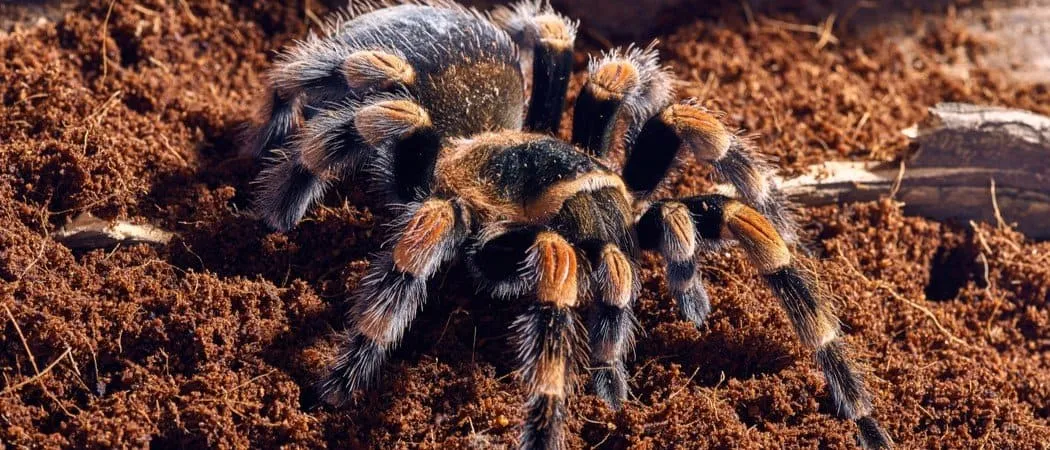
Red Knee Tarantula Temperament: An Overview
The red knee tarantula (Brachypelma hamorii), is one of the most popular pet tarantulas, and much of its appeal stems from its generally docile temperament. Understanding the temperament of a red knee tarantula is crucial for any potential or current owner. It allows for safer handling, more enjoyable observation, and a better overall experience. While individual personalities can vary, the species as a whole is known for being relatively calm and not prone to aggressive behaviors. This guide delves into the key aspects of the red knee tarantula’s temperament, providing valuable insights into its behavior and how to interact with these fascinating creatures. This overview includes factors like environment, handling, and defensive behaviors.
Docile Nature of Red Knee Tarantulas
The red knee tarantula’s reputation for docility is well-earned. Unlike some other tarantula species, they are generally not quick to display aggressive behaviors like biting or attacking. They often prefer to retreat and hide rather than confront a perceived threat. Their calm nature makes them a popular choice for beginners. This doesn’t mean they are cuddly pets; it means they are less likely to react negatively if you are careful and respectful. This inherent calmness contributes to their suitability for those new to tarantula ownership, as it reduces the risk of stressful encounters.
Factors Influencing Temperament

While red knee tarantulas are generally docile, several factors can influence their temperament. Understanding these factors is essential for responsible ownership and ensuring the well-being of your pet. These elements can affect how your tarantula behaves and its overall disposition. The overall well-being of your tarantula will significantly affect its demeanor. A healthy and happy tarantula is far more likely to exhibit its calm and docile nature.
Size and Age
Size and age play a role in temperament. Younger tarantulas, or spiderlings, can be more skittish due to their vulnerability. As they mature, they often become more accustomed to their environment and develop a more relaxed demeanor. Adult red knees are generally the most predictable and calm in terms of temperament. Larger, more mature tarantulas have also developed the necessary experience to gauge a situation.
Environmental Conditions
The environment also plays a crucial role. A stressed tarantula is more likely to exhibit defensive behaviors. Proper housing, including appropriate temperature, humidity, and hiding places, is vital. Providing a secure and comfortable habitat reduces stress and promotes a calmer temperament. A well-maintained enclosure, free from disturbances and with appropriate hiding spots, will contribute to a more relaxed tarantula. Regularly check that the tarantula has enough space to move and hunt, to keep it comfortable.
Handling and Interaction

Handling a red knee tarantula should be approached with caution and respect. While they are generally docile, improper handling can lead to stress and defensive reactions. Observing your tarantula is often more rewarding than handling. It provides a unique opportunity to learn about its behavior in a non-intrusive manner. Always prioritize the tarantula’s well-being and avoid handling unless necessary. Respect their space to promote a calm disposition.
How to Handle a Red Knee Tarantula Safely
If you choose to handle your tarantula, do so with extreme care. Handling should be done close to the ground, in case it falls. Gently coax the tarantula onto your hand, allowing it to walk rather than grabbing it. Avoid sudden movements, as they can startle the tarantula. Never force interaction. Always wash your hands before and after handling to avoid transferring any substances. Observe the tarantula’s behavior closely for any signs of stress and always be ready to gently place it back into its enclosure.
Signs of Stress in Your Tarantula
Recognizing signs of stress is crucial for responsible ownership. These can indicate that the tarantula feels threatened or uncomfortable. A stressed tarantula will not exhibit its usual docile nature. Watch for specific behaviors that can indicate stress and take appropriate steps to remedy the situation, such as providing a more secure environment or leaving it undisturbed for a while. If you see stress signs, allow your tarantula to retreat back to its enclosure or burrow, and leave it alone.
Defensive Behaviors and What They Mean

Even though red knee tarantulas are known for their calm temperaments, they have defensive behaviors to protect themselves. Understanding these behaviors is important for interpreting their actions and ensuring their safety. These defenses are natural responses to perceived threats, and recognizing these behaviors allows for safer interactions.
Flicking Hairs
Flicking urticating hairs from the abdomen is a common defense mechanism. Red knee tarantulas have these hairs, which cause irritation upon contact with skin or eyes. If you notice your tarantula flicking hairs, it’s a sign that it feels threatened. The hairs are a mild irritant, but they are still best avoided by giving the tarantula space and avoiding handling when they are behaving like this.
Biting
Biting is rare in red knee tarantulas, but they will bite if they feel threatened or are mishandled. A bite can be painful, but it is not typically medically significant. Always handle the tarantula with care to avoid a bite. If a bite occurs, clean the wound thoroughly and monitor for any signs of infection. It is extremely rare, however, for red knee tarantulas to bite unless provoked.
Hissing

Some red knee tarantulas may hiss, a sound produced by rubbing their legs together, as a warning. This is usually a sign that the tarantula feels threatened and wants to be left alone. It’s a clear indicator that it is best to leave it undisturbed. This action is a clear warning to back off and respect their space. The sound produced is a sign of stress.
Top 5 Temperament Facts
Docility and Calmness
As mentioned, the red knee tarantula is generally docile. Their calm nature makes them less likely to exhibit aggressive behaviors like biting. They are more inclined to retreat or hide, making them a good choice for beginners.
Suitable for Beginners

Their calm temperament and relatively low maintenance make them suitable for novice tarantula keepers. They are less prone to the unpredictable behaviors seen in some other species, simplifying the caretaking experience. This is the main reason why they are so popular with beginner spider owners.
Not Aggressive
Red knee tarantulas are not typically aggressive. They are less likely to bite or attack compared to other species. Their non-aggressive nature is a significant reason for their popularity in the pet trade.
Slow-Moving
They are typically slow-moving, making them easier to observe and handle carefully. This characteristic contributes to the overall ease of care, as it makes interactions less risky for the owner. Their slow pace reduces the likelihood of accidental injury during handling and is part of their docile temperament.
Defensive, not Offensive

Their defensive behaviors, such as flicking hairs, are a reaction to perceived threats, not an attempt to attack. This behavior is part of their natural defense mechanisms and is not an indication of an aggressive personality. Their reaction is purely defensive in nature, prioritizing safety over aggression.
Conclusion
Understanding the temperament of the red knee tarantula is vital for providing proper care and fostering a positive experience. Their generally docile nature, coupled with their defensive behaviors, makes them a relatively easy pet. By providing a suitable environment, handling with care, and respecting their space, owners can enjoy the fascinating presence of these beautiful creatures. Observing their behavior and learning their cues will ensure a happy and safe coexistence, allowing you to appreciate their unique charm and contribute to their well-being. With a little knowledge and respect, you can enjoy a fulfilling experience with your red knee tarantula.