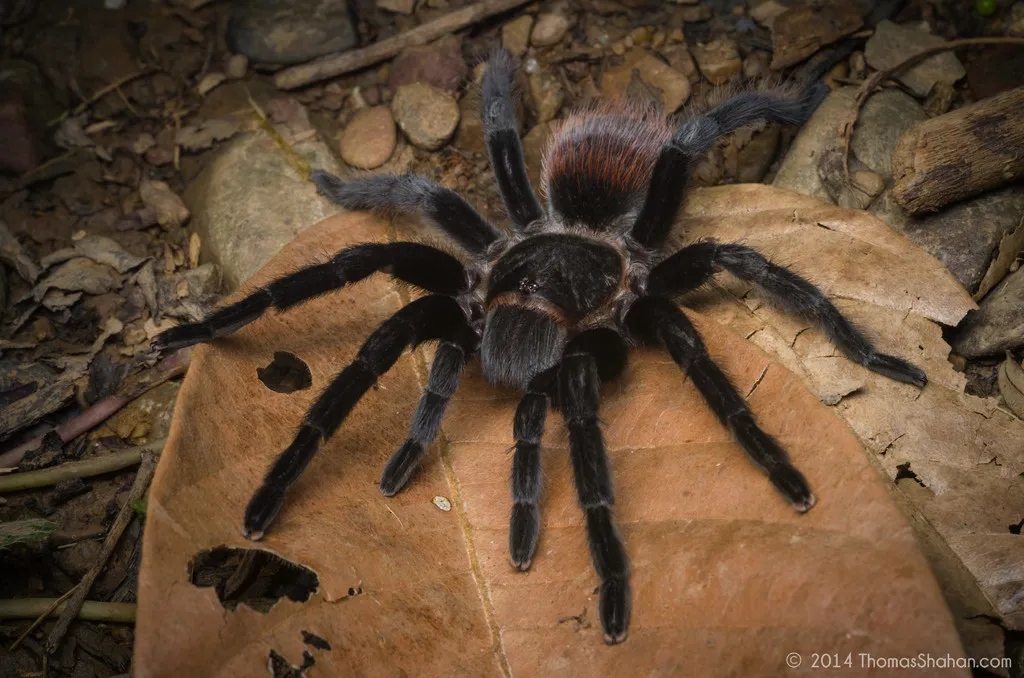
Caring for a Red Rump Tarantula (Brachypelma vagans) can be a rewarding experience, offering a fascinating glimpse into the world of arachnids. This guide provides a comprehensive overview of Red Rump Tarantula care, from choosing your new pet to understanding its specific needs. By following these steps, you can ensure your tarantula thrives in a healthy and enriching environment. Red Rump Tarantulas are known for their relatively docile temperament and striking appearance, making them popular among tarantula enthusiasts. This guide covers all aspects of their care, so you can be well-prepared to welcome a Red Rump Tarantula into your home. Remember that proper care is essential for the longevity and well-being of your tarantula.
Choosing Your Red Rump Tarantula
The first step in Red Rump Tarantula care is selecting a healthy specimen. Choosing a healthy tarantula is critical for its long-term well-being. A healthy tarantula is more likely to thrive and provide you with years of enjoyment. Take your time to observe several tarantulas before making your final choice. This initial selection process sets the stage for successful tarantula ownership. When purchasing from a breeder or pet store, carefully evaluate the spider’s condition to ensure you’re getting a healthy animal. The tarantula’s overall appearance and behavior will give you clues about its health.
Selecting a Healthy Tarantula
Checking for Activity and Appearance

Look for a tarantula that is alert and active. A healthy Red Rump Tarantula should respond to stimuli, such as a gentle tap on the enclosure. Avoid tarantulas that appear lethargic or unresponsive. The tarantula’s body should be plump, not shriveled or emaciated. A healthy abdomen indicates proper hydration and feeding. Check for any visible injuries or abnormalities, such as missing legs or damaged fangs. The tarantula’s body should be free of parasites or mites. The overall appearance should be clean and well-maintained. Observing these aspects will help you select a robust and healthy tarantula. A healthy tarantula is more likely to adapt well to its new environment.
Quarantine for New Arrivals
Upon bringing your Red Rump Tarantula home, quarantine it for a few weeks. Quarantine is a crucial step in Red Rump Tarantula care. This isolation period helps prevent the spread of potential illnesses or parasites to other pets you may own. Set up a separate enclosure, away from other animals, to house your new tarantula during this time. Observe the tarantula closely for any signs of illness, such as loss of appetite, lethargy, or unusual behavior. Monitor the tarantula’s eating habits and overall activity levels. This allows you to identify any health issues early on. If you notice any problems during the quarantine period, seek veterinary advice immediately. This precautionary measure helps ensure the health of your new pet and prevents the potential spread of any diseases.
Setting Up the Perfect Habitat
Creating the perfect habitat is essential for your Red Rump Tarantula’s well-being. The enclosure should mimic the tarantula’s natural environment as closely as possible. A well-designed habitat provides your tarantula with the space and resources it needs to thrive. Proper setup can significantly reduce stress and improve the tarantula’s overall quality of life. Proper enclosure design is a cornerstone of Red Rump Tarantula care. This section will explore the key elements necessary to build an optimal environment for your pet tarantula. Your goal is to create a comfortable, secure, and stimulating habitat.
Choosing the Right Enclosure

The size of the enclosure is crucial for Red Rump Tarantula care. Choose an enclosure that is appropriately sized for your tarantula. A juvenile tarantula can start in a smaller enclosure, but it will need to be upgraded as it grows. The enclosure should be large enough to allow for movement and exploration, but not so large that the tarantula feels overwhelmed. The enclosure should be secure, with a tight-fitting lid to prevent escape. The enclosure material should be non-toxic and easy to clean. Ensure that there is adequate ventilation to maintain air quality and prevent mold growth. Choose an enclosure that is easy for you to observe the tarantula’s behavior. Consider factors such as ease of access for feeding and maintenance.
Glass or Acrylic Terrariums
Both glass and acrylic terrariums are suitable choices for Red Rump Tarantula care. Glass terrariums are durable and provide excellent visibility, allowing for clear observation of your tarantula. They are also relatively easy to clean and maintain. Acrylic terrariums are lighter and less prone to breakage than glass, making them a safer option, especially if you have children or pets. Acrylic also offers good insulation, helping to regulate temperature and humidity. Both types of terrariums come in a variety of sizes and styles, so you can choose one that fits your needs and aesthetic preferences. The choice between glass and acrylic often comes down to personal preference and specific needs. Consider factors like durability, visibility, and ease of maintenance when making your decision. Either option can provide a secure and comfortable home for your Red Rump Tarantula.
Appropriate Substrate Options
Substrate is a critical component of Red Rump Tarantula care. The substrate serves as the tarantula’s bedding, providing a place to burrow, hide, and feel secure. It also helps to maintain the proper humidity levels within the enclosure. Suitable substrates include a mixture of coco fiber, peat moss, and vermiculite. These materials retain moisture well, which is essential for the tarantula’s health. Avoid using substrates that are too dusty or contain harmful chemicals. The substrate should be deep enough for the tarantula to burrow comfortably. Regularly replace the substrate to maintain cleanliness and prevent the buildup of mold or bacteria. The proper substrate will help create a healthy and comfortable environment for your Red Rump Tarantula.
Maintaining Humidity Levels

Maintaining the correct humidity is a vital part of Red Rump Tarantula care. Red Rump Tarantulas require a moderate humidity level to thrive. Use a hygrometer to monitor the humidity within the enclosure. The humidity level should be maintained between 60% and 70%. Mist the enclosure with dechlorinated water as needed to increase humidity. Avoid over-misting, as this can lead to mold growth. Ensure that the enclosure has adequate ventilation to prevent excessive humidity. Proper humidity levels help the tarantula to molt properly and prevent dehydration. Regularly check and adjust the humidity to ensure your tarantula’s well-being. A healthy humidity level is crucial for the tarantula’s overall health and successful molting.
Providing Essential Accessories
Water Dish and Hiding Spots
Providing a water dish is a fundamental aspect of Red Rump Tarantula care. A shallow water dish should always be available, filled with fresh, clean water. The water dish allows the tarantula to drink and stay hydrated. Make sure the water dish is shallow enough to prevent drowning. Providing hiding spots is another important consideration in Red Rump Tarantula care. Offer at least one or two hiding spots, such as cork bark, half logs, or artificial plants. Hiding spots provide the tarantula with a sense of security, reducing stress and promoting natural behaviors. Place the hiding spots strategically within the enclosure to provide a comfortable environment for your tarantula. A well-equipped habitat, complete with a water dish and hiding spots, will greatly enhance the quality of life for your Red Rump Tarantula.
Feeding Your Red Rump Tarantula

Feeding your Red Rump Tarantula appropriately is critical for its health and growth. Proper feeding practices ensure that your tarantula receives the necessary nutrients to thrive. Understanding the tarantula’s feeding habits and requirements is crucial for their long-term health. This section delves into the specifics of feeding your Red Rump Tarantula. The goal is to provide a balanced diet that meets the tarantula’s nutritional needs.
Understanding Feeding Frequency
The feeding frequency for Red Rump Tarantulas varies depending on their age and size. Spiderlings (young tarantulas) need to be fed more frequently than adults. Spiderlings should be fed two to three times per week. Sub-adults can be fed once or twice a week. Adult Red Rump Tarantulas typically only need to be fed once a week, or even less often. Monitor your tarantula’s abdomen size; a plump abdomen indicates adequate feeding. Avoid overfeeding, as this can lead to health problems. Adjust the feeding frequency as needed based on your tarantula’s individual needs. It’s important to note that tarantulas can go for extended periods without food, especially adults. Always offer food, but do not force your tarantula to eat.
Suitable Food Options for Growth
A balanced diet is key in Red Rump Tarantula care. The primary food source for Red Rump Tarantulas is live insects. Crickets, mealworms, and roaches are common choices. These insects provide the necessary protein and nutrients. Ensure that the insects are gut-loaded before feeding them to your tarantula. Gut-loading involves feeding the insects nutritious foods to enhance their nutritional value. Offer a variety of insects to provide a well-rounded diet. Avoid feeding wild-caught insects, as they may carry parasites or pesticides. Remove uneaten food within 24 hours to prevent mold and maintain enclosure hygiene. Providing a diverse and nutritious diet is fundamental to Red Rump Tarantula care.
Dealing with Refusal to Eat

It’s not uncommon for Red Rump Tarantulas to refuse food, particularly before molting. If your tarantula refuses to eat, don’t immediately panic. Observe your tarantula for other signs of molting, such as a darkening of the abdomen or a lack of activity. Ensure the enclosure conditions are optimal, as environmental factors can influence feeding behavior. Check for any potential health issues, such as parasites or illness. If the tarantula continues to refuse food for an extended period, consult a veterinarian or experienced tarantula keeper. Provide fresh water and monitor the tarantula’s condition. Patience and observation are key. Most tarantulas will eventually resume eating. A temporary lack of appetite isn’t usually a cause for concern. Understanding these behaviors will enhance your Red Rump Tarantula care skills.
Handling Your Red Rump Tarantula
Handling your Red Rump Tarantula should be approached with caution and respect. While Red Rump Tarantulas are generally docile, they can still bite if they feel threatened. Handling should only be done when necessary and with careful consideration. Proper handling minimizes stress for both you and the tarantula. This section will focus on the safety precautions and best practices for handling your Red Rump Tarantula.
Safety Precautions
Always handle your Red Rump Tarantula over a soft surface, such as a bed or carpet, in case it falls. This reduces the risk of injury. Avoid sudden movements or loud noises that could startle the tarantula. Never handle a tarantula if you are feeling rushed or distracted. Wash your hands thoroughly before and after handling to prevent the spread of germs. Be aware of the tarantula’s behavior. If it appears agitated or defensive, do not attempt to handle it. Keep children and other pets away while handling. Always supervise any handling sessions. Following these precautions is crucial for a safe and positive experience. Prioritize the safety of yourself and the tarantula. Careful and considerate handling contributes to a positive experience for both you and your pet.
Minimizing Stress for the Tarantula

Minimize stress during handling to ensure the well-being of your Red Rump Tarantula. Avoid handling your tarantula frequently. Handle your tarantula only when necessary, such as for enclosure maintenance or health checks. Use a gentle approach, avoiding any sudden movements. Let the tarantula walk onto your hand rather than trying to pick it up. Allow the tarantula to explore at its own pace. Provide a comfortable environment and minimize any potential threats. Ensure the enclosure is set up correctly to help the tarantula feel secure and reduce stress. Providing a stress-free environment will promote a healthier and happier tarantula. Reducing stress will contribute to the overall well-being of your pet.
Identifying Potential Health Issues
Being able to recognize potential health issues is a critical skill in Red Rump Tarantula care. Regular observation of your tarantula allows you to detect any problems early on. This will enable you to take prompt action and provide the necessary care. This section focuses on the common illnesses and signs that could indicate health problems in your Red Rump Tarantula. Understanding the signs of illness is essential to provide effective care.
Recognizing Common Illnesses
Watch for signs of illness, such as lethargy, loss of appetite, or unusual behavior. Look for any physical abnormalities, such as missing limbs, deformities, or parasites. Check for any signs of injury or wounds. Monitor the tarantula’s abdomen for any changes in size or appearance. Be alert for any unusual secretions or discharges. Some common illnesses in Red Rump Tarantulas include parasites, fungal infections, and bacterial infections. If you notice any of these symptoms, it’s crucial to take prompt action. Early detection significantly increases the chances of successful treatment and recovery. Regular observation allows you to recognize any deviations from the norm. Early detection is vital for the well-being of your tarantula.
Seeking Veterinary Assistance
If you suspect your Red Rump Tarantula is ill, seek veterinary assistance immediately. Not all veterinarians are experienced in treating tarantulas, so it’s essential to find one who specializes in exotic animals. Research and locate a qualified veterinarian in your area before your tarantula becomes ill. Be prepared to provide detailed information about your tarantula’s care, including its diet, habitat, and any observed symptoms. The veterinarian may perform tests to diagnose the illness and recommend appropriate treatment. Follow the veterinarian’s instructions carefully to ensure the tarantula’s recovery. Early veterinary intervention significantly improves the chances of a successful outcome. A proactive approach to healthcare will contribute to your tarantula’s overall well-being. Consulting a veterinarian can provide the best care.
Understanding Molting Process
Molting is a natural process for Red Rump Tarantulas, where they shed their exoskeleton to grow. Understanding the molting process is a crucial part of Red Rump Tarantula care. It is essential to ensure the tarantula’s successful molting. Providing the proper environment and avoiding disturbances during this critical time is essential. This section explains what to expect during molting and how to support your tarantula through this natural process. Proper care during molting ensures the health and growth of your tarantula.
In conclusion, Red Rump Tarantula care involves a combination of understanding, patience, and consistent attention to detail. From setting up the perfect habitat to providing a balanced diet and recognizing potential health issues, each aspect plays a crucial role in ensuring the well-being of your pet. By following the guidelines outlined in this guide, you can create a thriving environment for your Red Rump Tarantula and enjoy the rewarding experience of caring for these fascinating creatures.