What is a Redleg Tarantula
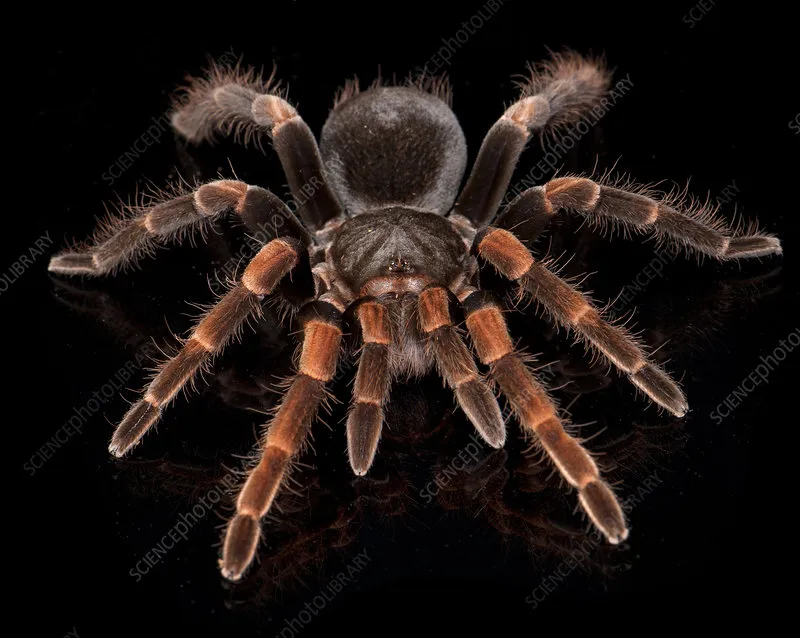
The Redleg Tarantula, scientifically known as Brachypelma emilia, is a captivating species within the tarantula family, highly sought after by arachnid enthusiasts. Originating from the arid and semi-arid regions of Mexico, particularly the states of Jalisco and Colima, these spiders are admired for their striking appearance and relatively docile temperament. Their common name stems from the vibrant reddish-orange coloration of their legs, contrasting beautifully with their dark body. As a terrestrial species, they spend most of their time on the ground, creating burrows or utilizing existing shelters. Understanding the basics of this fascinating creature is the first step to appreciating its life cycle and, importantly, its lifespan.
Appearance and Characteristics of Redleg Tarantulas
Redleg Tarantulas are easily recognizable due to their distinctive appearance. Their bodies, including the carapace and abdomen, are typically dark brown or black, providing a stark contrast to their vividly colored legs. The legs themselves boast a striking reddish-orange hue, which intensifies with age. These spiders exhibit the typical tarantula body structure, comprising two main body segments: the cephalothorax (fused head and thorax) and the abdomen. They possess eight eyes, though their vision is relatively poor, relying more on sensory hairs (setae) covering their bodies to detect vibrations and changes in air currents. Redleg Tarantulas are also equipped with chelicerae, which are the mouthparts containing fangs used for capturing prey and injecting venom. The size of a Redleg Tarantula can vary, with females generally being larger than males, and their size is a factor affecting redleg tarantula lifespan.
The Redleg Tarantula’s Native Habitat

In their natural habitat, Redleg Tarantulas thrive in specific environmental conditions. They primarily inhabit dry scrublands and semi-desert regions of western Mexico. These spiders construct burrows in the ground, often utilizing pre-existing holes or digging their own, providing shelter from the harsh sun and predators. The substrate in their natural environment is typically a mixture of soil, rocks, and sparse vegetation. The temperature in these regions fluctuates throughout the year, with warm summers and mild winters, conditions that influence the spider’s activity and metabolism. Humidity levels are generally low, which the tarantulas are adapted to, requiring specific care when kept in captivity to replicate these conditions for optimal health and lifespan. The native habitat is crucial as it forms the basis for understanding their needs, thus contributing to a proper redleg tarantula lifespan.
Factors Influencing Redleg Tarantula Lifespan
Several factors significantly influence the redleg tarantula lifespan. Diet plays a crucial role, as a balanced diet of appropriately sized insects is essential for growth and overall health. Environmental conditions, including temperature and humidity, also impact lifespan. Maintaining the correct temperature gradient and humidity levels is critical for molting and preventing health issues. Proper housing, providing ample space and suitable substrate, is another key factor. Stress reduction is paramount; avoiding frequent handling and providing a secure environment minimize stress, leading to a longer lifespan. Genetics also influence lifespan, with some individuals naturally predisposed to live longer. Finally, the level of care provided by the owner, including regular health checks and prompt treatment of any illnesses or injuries, is critical for the overall well-being and longevity of the tarantula.
Diet and Nutrition for a Long Lifespan
A well-balanced diet is fundamental to achieving a long redleg tarantula lifespan. In the wild, Redleg Tarantulas are opportunistic predators, feeding on insects such as crickets, cockroaches, and other invertebrates. In captivity, providing a variety of food sources is essential to ensure they receive all necessary nutrients. Crickets and mealworms are common staples, but it’s beneficial to supplement with roaches, locusts, and even small lizards or mice (for adult females) to vary the diet. The size of the prey should be appropriate for the tarantula’s size; juveniles should be offered smaller insects, while adults can consume larger prey. It’s crucial to gut-load the insects before feeding them to the tarantula, which involves feeding the feeder insects nutritious food (such as vegetables and commercial insect food) to enhance their nutritional value. Also, provide a shallow water dish with fresh water, as hydration is essential for molting and overall health.
Environmental Conditions and Lifespan

The environmental conditions within a Redleg Tarantula’s enclosure greatly impact their lifespan. Temperature and humidity are the two primary factors. Redleg Tarantulas thrive in temperatures ranging from 75°F to 85°F (24°C to 29°C). It’s important to maintain a consistent temperature, as fluctuations can stress the spider and affect its health. Humidity levels should be kept relatively low, typically around 60-70%. Excessive humidity can lead to fungal infections and other health problems, while too little can cause difficulties during molting. Proper ventilation is also essential to prevent the buildup of stagnant air and reduce the risk of respiratory issues. The enclosure should be spacious enough for the tarantula to move around and, if possible, include a hide or burrow for security. Substrate plays a role in maintaining humidity and providing a natural environment; a mixture of coco fiber, peat moss, and vermiculite is often recommended. By carefully managing these environmental factors, you can significantly contribute to a long and healthy redleg tarantula lifespan.
Impact of Gender on Lifespan
Gender significantly affects the redleg tarantula lifespan. Female Redleg Tarantulas generally live much longer than males. This difference is primarily due to the male’s role in reproduction and their subsequent decline. The life cycle and the behaviors associated with reproduction contribute to the shorter lifespan of males. Male tarantulas typically mature faster than females, and after reaching maturity, their primary goal is to find a mate. This process can be stressful and energy-consuming. After mating, males often die shortly thereafter, sometimes even within a few months. Females, on the other hand, can live for many years, even decades, if properly cared for. This marked difference in lifespan is a key consideration for anyone interested in owning a Redleg Tarantula, as it affects long-term care and expectations.
Female Redleg Tarantulas
Female Redleg Tarantulas have a remarkable lifespan, often living for 15 to 20 years, and sometimes even longer. This extended lifespan is a significant advantage for pet owners who are looking for a long-term companion. Females invest considerable energy into molting, growing, and producing eggs, particularly after mating. The female’s longer lifespan necessitates a commitment to providing high-quality, consistent care throughout their life. A well-maintained enclosure, balanced diet, and a stress-free environment are crucial for ensuring that a female Redleg Tarantula can live out its full lifespan. The females are typically larger than males, and their calm temperament makes them easier to manage. The key to a long, healthy life for a female Redleg Tarantula is to create an environment that caters to their specific needs and reduces stressors.
Male Redleg Tarantulas
Male Redleg Tarantulas have a significantly shorter lifespan compared to females, typically living only for a few years after reaching maturity. This is primarily due to their reproductive role. Once a male tarantula reaches maturity, it undergoes a final molt, after which it develops sexual characteristics, including the presence of tibial hooks on their front legs, used to hold the female’s fangs during mating. Males then actively seek out females, often traveling long distances, which increases their exposure to danger. After mating, a male’s survival is often short-lived, as they are sometimes cannibalized by the female or simply succumb to exhaustion. The shorter lifespan highlights the importance of understanding the natural lifecycle of Redleg Tarantulas and the specific care requirements of each gender. The male’s shorter life is a natural part of the species’ reproductive strategy, meaning owners should prepare themselves for a shorter time of companionship.
Common Health Issues and Lifespan
Several health issues can impact the redleg tarantula lifespan if left unaddressed. Parasites are a potential threat, although less common in captive tarantulas than in their wild counterparts. Mites, for example, can infest the spider, causing irritation and potentially leading to secondary infections. Bacterial and fungal infections can arise from improper environmental conditions, particularly high humidity. Injuries sustained during molting or due to falls can also affect the tarantula’s health. Nutritional deficiencies can weaken the spider’s immune system and make it more susceptible to illnesses. Recognizing the signs of these health problems is essential for early intervention. Changes in behavior, such as loss of appetite, lethargy, or abnormal posture, can indicate that the tarantula is unwell. Regular inspections, a balanced diet, and maintaining optimal environmental conditions are vital in preventing and managing potential health problems, which ultimately contributes to a longer redleg tarantula lifespan.
Recognizing and Treating Illness
Early detection and treatment are critical in mitigating the impact of health issues on a Redleg Tarantula’s lifespan. Regular observation is essential to monitor the spider’s behavior, eating habits, and overall appearance. If you notice any unusual signs, such as lethargy, loss of appetite, or changes in posture, it’s crucial to investigate the cause. Consult a veterinarian specializing in exotic pets, who can diagnose the problem and recommend appropriate treatment. For mites, treatment usually involves improving the enclosure’s hygiene and using acaricides, if necessary. Fungal infections often require adjustments to the environmental conditions, such as reducing humidity and improving ventilation, along with antifungal medications. Injuries may need professional attention; carefully clean and disinfect the wound. Nutritional deficiencies can be addressed by improving the diet and ensuring the tarantula is receiving all the necessary nutrients. Early intervention can often prevent minor issues from escalating into life-threatening conditions, thus contributing to a better redleg tarantula lifespan.
Preventative Care for Redleg Tarantulas

Proactive preventative care is key to increasing the redleg tarantula lifespan. Maintaining a clean and well-ventilated enclosure is paramount in preventing health issues. Regular cleaning to remove uneaten food and waste is essential. Providing a varied and balanced diet, enriched with necessary vitamins and minerals, will boost the tarantula’s immune system. Avoid overhandling the tarantula, as stress can weaken its defenses. Regularly check the spider for any signs of illness or injury. Ensuring that the enclosure’s temperature and humidity are within the appropriate range prevents respiratory infections and facilitates healthy molting. Provide a suitable substrate that maintains the correct humidity levels and offers a hiding place for the tarantula to feel secure. Quarantining new tarantulas before introducing them to existing collections helps prevent the spread of diseases or parasites. By consistently implementing these preventative measures, owners can significantly enhance the health and longevity of their Redleg Tarantula, potentially extending the lifespan.
Comparing Redleg Tarantula Lifespan to Other Species
The redleg tarantula lifespan can be compared to other tarantula species, which vary significantly. Many New World tarantulas, like the Redleg, have a longer lifespan compared to Old World species. For example, some species of the genus Grammostola can live for over 20 years, similar to the Redleg. Other species like the Chilean Rose Hair tarantula (Grammostola rosea) can also live for a very long time, often exceeding 20 years in females. In contrast, certain species of Old World tarantulas, such as the Asian species, typically have shorter lifespans, often less than 10 years. Factors such as genetics, environmental conditions, and care influence the lifespan. Understanding these comparative lifespans helps potential owners make informed decisions and manage their tarantulas effectively. Knowing the typical lifespan for different species also puts the care requirements of the Redleg Tarantula into perspective.
Unique Aspects of Redleg Tarantula Lifespan
The Redleg Tarantula’s lifespan has some unique aspects. They are known for their relatively docile temperament, which, when combined with proper care, can extend their life. Molting is a critical process influencing lifespan. The frequency of molting decreases as the tarantula matures, but each molt is essential for growth and overall health. The Redleg Tarantula’s habitat preference, which involves constructing burrows, also affects their lifespan. Providing a suitable substrate and environment that mimics their natural habitat contributes to their health and longevity. The Redleg’s coloration is another factor, as it can be an indicator of health and age, with brighter colors often associated with younger and healthier individuals. The females’ ability to live for an extended period makes them a rewarding companion for arachnid enthusiasts. These specific attributes, combined with attentive care, contribute to the Redleg Tarantula’s overall lifespan and unique appeal as a pet.
Myths and Misconceptions About Lifespan

There are various myths and misconceptions surrounding the redleg tarantula lifespan. One common myth is that all tarantulas live for a very long time, regardless of care. While female Redlegs can live for many years, proper care is crucial, and the males have a shorter lifespan. Another misconception is that these tarantulas are low-maintenance pets. In reality, they require careful attention to their environmental conditions, diet, and overall health. Another myth suggests that all tarantulas are dangerous. While they do possess venom, the Redleg Tarantula is generally docile and not considered highly venomous to humans. Understanding and dispelling these myths are essential for potential owners, helping them to provide informed and appropriate care, which, in turn, impacts the redleg tarantula lifespan. Education about realistic lifespans, the importance of proper care, and the true nature of the species promotes responsible pet ownership and ensures the well-being of these fascinating creatures.
In conclusion, the redleg tarantula lifespan is influenced by a variety of factors, with females living significantly longer than males. By providing a balanced diet, maintaining optimal environmental conditions, and practicing preventative care, owners can significantly contribute to their pet’s health and longevity. Addressing any health issues promptly is also crucial. Understanding the myths and misconceptions surrounding lifespan and the unique aspects of the species will help owners make informed decisions and provide the best care possible, ensuring that their Redleg Tarantula thrives for years to come. Ultimately, responsible pet ownership is key to maximizing the redleg tarantula lifespan and enjoying the companionship of these amazing creatures.