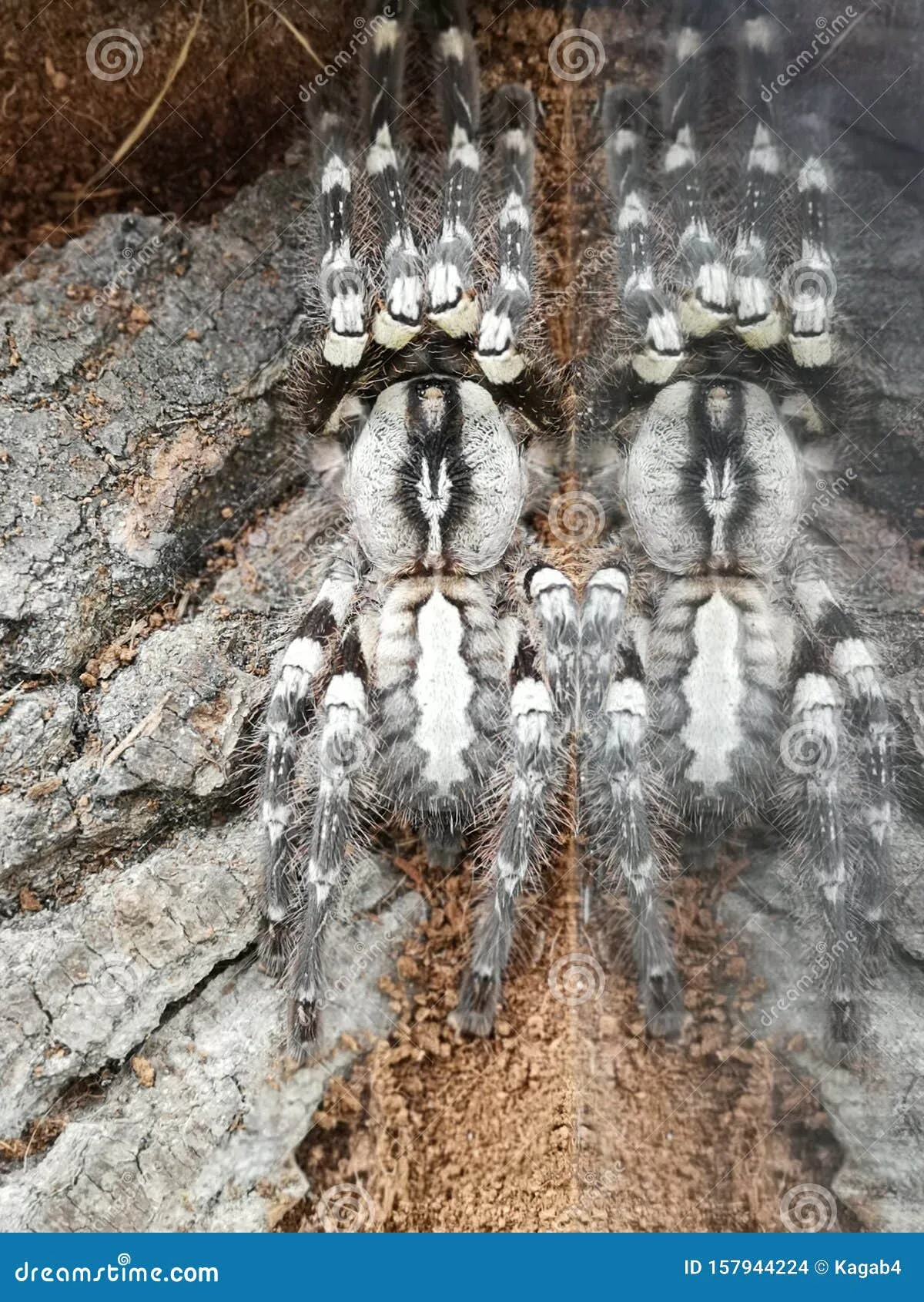
Regalis Tarantula: Top 5 Care Tips
The P regalis, also known as the Ornamental Tarantula, is a stunning and popular species among tarantula enthusiasts. Their vibrant colors and relatively manageable size make them a fascinating addition to any collection. However, like all exotic pets, they require specific care to thrive. This guide provides the top 5 essential care tips to ensure your Regalis Tarantula lives a long, healthy, and fulfilling life. From habitat setup to feeding practices, we’ll cover everything you need to know to provide optimal care for your eight-legged friend. Keeping a tarantula is a rewarding experience, but it’s important to be well-informed and prepared. Let’s dive into the essential aspects of caring for your Regalis Tarantula.
Choosing the Right Enclosure for Your Regalis Tarantula
The enclosure is the foundation of your Regalis Tarantula’s well-being. Selecting the right size and type of enclosure is crucial for their comfort and safety. A well-designed enclosure provides the necessary space, ventilation, and security, replicating their natural environment as closely as possible. Consider both the spider’s size and its arboreal nature (living in trees) when choosing the enclosure. An appropriate enclosure not only provides a suitable environment but also facilitates easier observation and maintenance. Make sure the enclosure provides a secure and stimulating environment for your Regalis Tarantula to flourish.
Size and Type of Enclosure

For adult Regalis Tarantulas, a terrarium that is at least 12x12x18 inches is recommended, although a larger size is always preferable. Since they are arboreal, height is more important than floor space. Ensure the enclosure is made of clear, durable material such as glass or acrylic, allowing for easy viewing. The enclosure should have a secure lid that prevents escape. The enclosure should have proper ventilation to prevent the buildup of humidity and harmful gases. A well-chosen enclosure ensures your tarantula has plenty of space to move around and is protected from external threats.
Ventilation and Security
Adequate ventilation is essential to prevent mold and mildew growth within the enclosure, which can be harmful to your tarantula. Cross-ventilation, with vents on opposite sides of the enclosure, is ideal. The lid should be secure to prevent escapes, which can be a safety hazard. Make sure the lid is tight-fitting and preferably has a locking mechanism. Regularly inspect the enclosure for any signs of damage that could compromise security. Check the ventilation regularly to make sure there is no blockage or damage. A secure and well-ventilated enclosure contributes significantly to the health and safety of your Regalis Tarantula, allowing it to thrive in a stable environment.
Creating the Ideal Habitat
Creating a suitable habitat goes beyond just providing an enclosure; it involves replicating the natural environment of the Regalis Tarantula as closely as possible. This includes selecting the right substrate, maintaining the appropriate humidity and temperature levels, and providing suitable decor for climbing and hiding. A well-designed habitat provides the necessary comfort and stimulation, contributing to the spider’s overall well-being. Mimicking their natural environment makes the tarantula feel safe and secure, reducing stress and promoting healthy behaviors. The habitat setup directly influences the tarantula’s health, activity levels, and longevity.
Substrate Selection

The substrate serves multiple purposes, including absorbing waste, maintaining humidity, and providing a comfortable surface for your tarantula. A mixture of peat moss, coco fiber, and vermiculite is a good choice. This combination retains moisture well, allows for burrowing, and offers a natural look. Avoid substrates that are too dusty or prone to mold. Ensure the substrate is deep enough to allow for burrowing. Regularly monitor the substrate for cleanliness and replace it as needed to prevent the buildup of bacteria and waste. Substrate is the most important thing when creating a perfect environment for your tarantula.
Humidity and Temperature
Regalis Tarantulas thrive in a moderately humid environment with temperatures between 75-85°F (24-29°C). Use a hygrometer to monitor humidity levels, and adjust ventilation and misting as needed to maintain the correct range (60-70% humidity). A heat source, such as a low-wattage heat lamp or a heat mat attached to the side of the enclosure, can help maintain the appropriate temperature. Avoid placing the heat source directly under the enclosure, as this can cause the substrate to dry out too quickly. Temperature and humidity levels are critical to ensuring your tarantula’s overall health and facilitating successful molting. Regularly monitor and adjust these conditions to ensure your Regalis Tarantula feels comfortable.
Providing Proper Nutrition
Proper nutrition is fundamental to the health, growth, and development of your Regalis Tarantula. This involves providing the right type of food at the appropriate frequency and ensuring access to fresh water. A well-fed tarantula is more likely to molt successfully and display its vibrant colors. Understanding the dietary needs of your tarantula is essential for its longevity and overall health. Poor nutrition can lead to health problems and affect its activity levels. It is very important to provide an adequate diet to your tarantula.
Feeding Frequency and Prey Size

Juvenile Regalis Tarantulas should be fed 2-3 times per week, while adults can be fed once a week or every other week. The frequency depends on factors such as the spider’s size, age, and metabolism. Appropriate prey includes crickets, roaches, mealworms, and other insects that are readily available at pet stores. The prey size should be appropriate to the size of the tarantula; the insect should be no larger than the spider’s abdomen. Remove any uneaten prey within 24 hours to prevent them from stressing or harming the tarantula. Always ensure that the prey is pesticide-free. Feed your tarantula the correct amounts of prey to ensure it maintains its health.
Water and Hydration
Fresh water is essential for hydration. Provide a shallow water dish filled with clean water. Ensure the water dish is shallow enough to prevent drowning. Change the water regularly, at least once or twice a week, to keep it clean and prevent bacterial growth. You can also mist the enclosure lightly, especially during molting, to increase humidity and provide additional hydration. Make sure your tarantula always has access to fresh, clean water to stay healthy and hydrated.
Handling and Safety
Handling a Regalis Tarantula should be approached with caution and respect for the spider’s well-being. While these tarantulas are generally considered less defensive than some other species, they can still bite, and their urticating hairs can cause irritation. Proper handling techniques and understanding their behavior are essential to ensure both your safety and the spider’s comfort. Safe handling minimizes the risk of injury to both you and your pet. By approaching handling with care and respect, you can enjoy interactions with your Regalis Tarantula while minimizing potential risks.
Avoiding Bites and Falls

Avoid handling your tarantula unless necessary, such as for enclosure maintenance or health checks. If handling is required, do so over a soft surface, such as a bed or the floor, to prevent injury from falls. Always keep your hands and fingers away from the fangs. Do not make sudden movements or try to grab the spider; instead, gently coax it onto your hand or a soft surface. If the tarantula displays defensive behavior, such as raising its front legs or flicking hairs, leave it alone and do not attempt to handle it. Be extremely cautious and respect your tarantula, and it will respect you. Always wash your hands before and after handling your tarantula.
Understanding Regalis Tarantula Behavior
Observe your tarantula’s behavior to understand its mood and overall well-being. This includes noting its posture, feeding habits, and activity levels. Changes in behavior can indicate stress, illness, or an upcoming molt. A healthy Regalis Tarantula is usually active, eats regularly, and has a good appetite. Defensive behaviors, such as raising its front legs or flicking hairs, are signs of stress or a warning to back off. By paying attention to the tarantula’s actions and demeanor, you can detect early signs of problems and take appropriate action, ensuring its comfort and safety. Understanding their behavior patterns is crucial for providing the best possible care.
Recognizing Signs of Stress or Illness
Identifying signs of stress or illness is crucial for timely intervention and maintaining your Regalis Tarantula’s health. Changes in behavior, such as loss of appetite, lethargy, or unusual posture, can be indicators of underlying issues. Observing the tarantula closely and knowing its typical behavior will help you to catch any problems early on. Early detection allows you to address problems promptly, increasing the chances of a full recovery. Recognizing signs of stress and illness can prevent minor issues from developing into serious health concerns. Take any abnormal behavior seriously and consult with an experienced tarantula keeper or veterinarian familiar with exotic animals.
Recognizing Signs of Stress or Illness
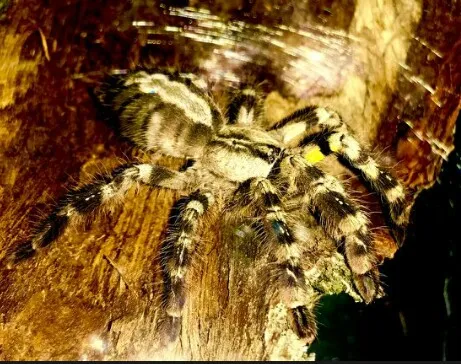
Recognizing signs of stress or illness involves knowing what is typical and what is not. Common signs include a loss of appetite, lethargy, tremors, and changes in posture. Check the enclosure for any environmental issues. If the tarantula stops eating for an extended period, it might be a sign of a problem. If your tarantula is displaying any of these symptoms, it’s important to isolate it from other spiders and seek advice from an experienced tarantula keeper or veterinarian. Proper care involves being vigilant in observing and responding to any warning signs to ensure your Regalis Tarantula lives a long, healthy life.
Regular Cleaning and Maintenance
Regular cleaning and maintenance are essential for maintaining a healthy and hygienic environment for your Regalis Tarantula. This involves removing waste, cleaning the enclosure, and ensuring the substrate is in good condition. A clean environment minimizes the risk of disease and supports your tarantula’s overall health. Regular maintenance prevents the buildup of harmful bacteria and ensures the enclosure remains a comfortable and safe place to live. Routine cleaning makes the enclosure aesthetically pleasing and promotes a healthy habitat. Maintaining a clean environment is an essential component of good tarantula care.
By following these top 5 care tips, you can ensure your Regalis Tarantula thrives in a healthy and stimulating environment. Remember that proper care is an ongoing process that requires observation, attention, and a commitment to your pet’s well-being. With consistent care and a focus on these key aspects, you can enjoy the fascinating world of these incredible creatures and provide them with the best possible life.