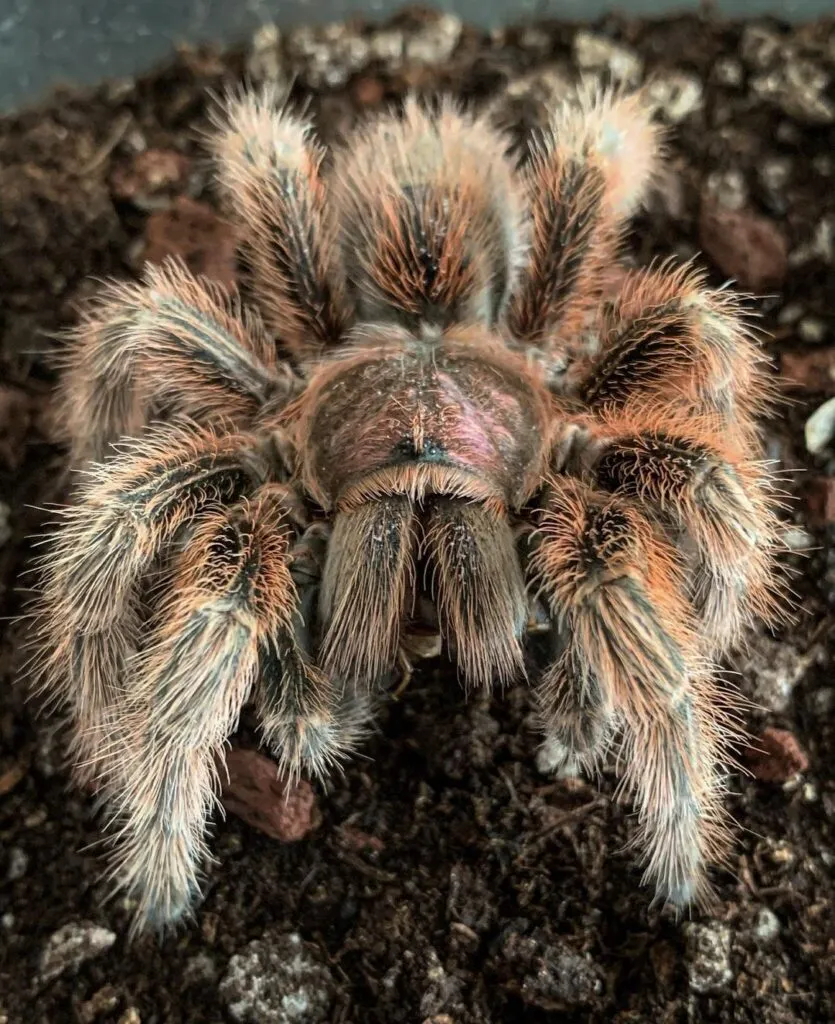
Understanding Rose Hair Tarantulas Habitat Needs
Rose Hair Tarantulas, known for their gentle nature and striking appearance, are popular pets. Replicating their natural habitat is crucial for their well-being. They originate from the arid and semi-arid regions of South America, primarily Chile. Providing an environment that mimics these conditions ensures your tarantula thrives. This includes controlling temperature, humidity, and, most importantly, the size of their enclosure. A well-designed habitat reduces stress, promotes healthy molting, and encourages natural behaviors. Careful consideration of these factors creates a comfortable and safe haven for your rose hair tarantula, allowing it to live a long and healthy life.
The Importance of Correct Cage Size for Rose Hair Tarantulas
The appropriate cage size is fundamental to the health and happiness of your Rose Hair Tarantula. A cage that is too small can severely restrict the tarantula’s movement, leading to stress and behavioral issues. A cramped environment can make it difficult for the tarantula to thermoregulate, as they may not have enough space to move to areas of different temperatures. A properly sized cage, on the other hand, provides ample space for the tarantula to explore, hunt, and establish a territory, reducing stress and increasing their overall quality of life. It also facilitates essential activities like molting, which requires space and a secure environment. Ensuring the right cage size is a cornerstone of responsible tarantula ownership, contributing significantly to their well-being and longevity.
Minimum Cage Size Requirements for Rose Hair Tarantulas

While Rose Hair Tarantulas are not particularly active, providing an appropriately sized enclosure is still critical. A good starting point for a juvenile Rose Hair Tarantula is a terrarium that is at least 5 gallons. As your tarantula grows, the enclosure size will need to increase. For an adult Rose Hair Tarantula, a 10-gallon tank is generally considered the minimum. The ideal dimensions for an adult enclosure are about 12x12x12 inches or slightly larger. These dimensions provide enough floor space for the tarantula to move around, establish a burrow, and comfortably molt. Remember that these are minimum requirements; providing more space is generally better as it gives the tarantula more room to roam and express natural behaviors.
Determining the Cage Size Based on Tarantula Size
The cage size should always correlate with the size of your tarantula. As a general rule, the enclosure should be at least two to three times the tarantula’s leg span in width. This provides sufficient space for movement and reduces the likelihood of the tarantula feeling confined. The height of the enclosure is also important, particularly for arboreal species; however, Rose Hair Tarantulas are terrestrial, so the height doesn’t need to be excessive. The floor space is the most critical factor. When the tarantula is young, a smaller enclosure is adequate, making it easier for them to find food. However, as they grow, a larger enclosure is crucial for their well-being. Regularly monitor your tarantula’s size and behavior to determine if it’s time to upgrade the enclosure. It is best to upgrade to the enclosure to prevent any kind of stress or discomfort.
Factors Affecting Cage Size for Rose Hair Tarantulas
Several factors influence the ideal cage size for your Rose Hair Tarantula beyond its size. Consider the amount of substrate you plan to use. Rose Hair Tarantulas are burrowers, and they need a substrate deep enough to dig and create a comfortable living space. This will affect the height of the enclosure. The type and number of decorations, such as hides, plants, and water dishes, also impact space. A cage that is too cluttered can be just as problematic as one that is too small. Ventilation also plays a role. A well-ventilated enclosure may require more open space. Make sure all these elements are accommodated to create a healthy environment for your tarantula. By carefully considering these factors, you can select an enclosure that meets the tarantula’s needs and promotes its overall health.
Substrate and its Impact on Cage Size

Substrate choice significantly affects the cage size. Rose Hair Tarantulas appreciate a substrate that allows them to burrow. A deep layer of substrate, typically 3-6 inches, provides this opportunity. The substrate should be a blend of materials like peat moss, coconut fiber, and vermiculite. The depth of the substrate directly impacts the required height of the enclosure. Ensure there is enough space between the top of the substrate and the enclosure’s lid to prevent the tarantula from escaping. Also, the substrate affects humidity levels. The right substrate helps maintain the correct humidity, which is crucial for molting. Always ensure the substrate is clean and free from harmful chemicals. A well-chosen substrate not only enhances the tarantula’s comfort but also contributes to its overall health and well-being.
Ventilation Considerations for Rose Hair Tarantula Enclosures
Proper ventilation is essential for the health of your Rose Hair Tarantula and affects enclosure design. Good ventilation prevents the build-up of harmful mold and bacteria, which can lead to respiratory problems and other health issues. The enclosure should have cross-ventilation, allowing air to circulate. This usually involves vents on both the top and sides of the enclosure. Avoid enclosures with solid lids, which can trap moisture and hinder airflow. Ensure the ventilation is secure enough to prevent escapes while still allowing for adequate air exchange. Consider the climate you live in; in humid environments, more ventilation may be needed to prevent excessive humidity. Monitor the enclosure’s humidity levels and adjust the ventilation accordingly. Ventilation contributes significantly to the overall health of your Rose Hair Tarantula.
Essential Cage Features for Rose Hair Tarantulas
Several features are essential in a Rose Hair Tarantula enclosure to provide a comfortable and stimulating environment. A secure lid is paramount to prevent escapes. The lid should fit tightly and be made of a material that doesn’t allow the tarantula to squeeze through. A water dish is another necessity, providing a constant source of fresh water. The dish should be shallow enough to prevent drowning. Substrate that allows burrowing and creates a natural environment. Decorations like cork bark, artificial plants, and sturdy hides provide places for the tarantula to feel secure and reduce stress. The enclosure should also be easy to clean and maintain, with access for feeding and water replenishment. The right features reduce stress, and promote natural behaviors to keep your tarantula happy and healthy.
Water Dish and its Placement in the Cage

A water dish is an essential element of your Rose Hair Tarantula’s enclosure, providing a vital source of hydration. The water dish should be shallow enough to prevent the tarantula from drowning, ensuring the safety of the pet. Place the dish in a location that is easily accessible to the tarantula, preferably near the substrate or a hide. The size of the water dish should be appropriate for the size of your tarantula; a small, stable dish is generally sufficient. Regularly refill the dish with fresh, clean water to maintain the water quality. Keeping the water dish clean helps prevent the growth of bacteria and algae. Make sure the water dish is stable and won’t tip over, potentially causing the substrate to become overly wet. A well-placed and maintained water dish is an indispensable part of a healthy Rose Hair Tarantula habitat.
Hiding Places and Enrichment for Rose Hair Tarantulas
Providing hiding places and enrichment is crucial for the psychological well-being of your Rose Hair Tarantula. In the wild, these tarantulas spend most of their time in burrows or under rocks, and they feel most secure when they have a place to retreat. Include several hides in the enclosure, such as cork bark, half logs, or commercially available tarantula hides. These hides should be appropriately sized for the tarantula. Adding artificial plants or other decorations can create a more natural environment and offer additional hiding spots. While Rose Hair Tarantulas are not highly active, enrichment can reduce stress and stimulate natural behaviors. Varying the layout of the enclosure and adding new elements periodically can prevent boredom. A well-enriched enclosure makes the tarantula feel safe and adds interest to its environment, contributing to its overall happiness.
Preventing Escapes Choosing the Right Lid
Preventing escapes is a top priority when setting up your Rose Hair Tarantula’s enclosure. Tarantulas are surprisingly adept at escaping if given the opportunity. The lid must fit securely and be constructed of a material the tarantula cannot climb or squeeze through. A glass or acrylic enclosure with a secure screen or solid lid is recommended. Ensure the lid has a tight seal and cannot be easily dislodged. Check the lid regularly to ensure it is still secure, especially after cleaning or maintenance. Avoid any gaps or openings where the tarantula could potentially escape. Keeping the lid fastened will minimize any risk of escape and the associated stress. A secure lid is a fundamental element of responsible tarantula care and prevents potential hazards.
Maintaining Optimal Humidity Levels in the Cage

Maintaining the correct humidity levels is crucial for the health of your Rose Hair Tarantula, particularly to aid in molting. The ideal humidity level for these tarantulas is around 60-70%. Use a hygrometer to monitor the humidity levels. To increase humidity, mist the enclosure with dechlorinated water, ensuring the substrate remains slightly moist but not waterlogged. Good ventilation prevents the growth of mold and helps regulate humidity levels. Adjust the amount of misting based on the enclosure’s ventilation and the ambient humidity. Providing a water dish also contributes to the humidity. Monitoring the humidity regularly helps maintain the proper environment. Keeping the humidity within the appropriate range is essential for your tarantula’s health and well-being, especially during molting, and is a vital aspect of tarantula care.
Temperature Regulation within the Cage
Proper temperature regulation is essential for the health of your Rose Hair Tarantula. These tarantulas thrive in a temperature range of 70-80°F (21-27°C). Use a thermometer to monitor the temperature within the enclosure. Avoid placing the enclosure in direct sunlight or near a heat source that could cause overheating. In most cases, room temperature is sufficient. If additional heating is needed, use a low-wattage heat mat placed on the side of the enclosure, never directly under it. This will create a gentle heat gradient. Avoid using heat lamps, as these can be too intense and dry out the enclosure. Make sure that the temperature remains stable and within the recommended range. A suitable temperature is critical for metabolism, digestion, and overall health of your tarantula. Maintaining the appropriate temperature provides a stable environment to keep the tarantula safe and healthy.
Cleaning and Maintaining Your Rose Hair Tarantula’s Cage
Regular cleaning and maintenance of your Rose Hair Tarantula’s cage are essential for maintaining a healthy environment. This includes spot cleaning the substrate to remove waste and uneaten food. The frequency of cleaning depends on the amount of waste produced and the size of the tarantula, but it should be done at least every few weeks. Replace the substrate entirely every few months or when it becomes heavily soiled or damaged. Clean the water dish regularly to prevent algae growth. The enclosure should be cleaned with a mild disinfectant specifically designed for reptile habitats. Remove decorations during cleaning and rinse them thoroughly. Proper maintenance not only keeps the enclosure looking clean but also prevents the build-up of harmful bacteria and pathogens. Routine cleaning and maintenance are key to keeping your tarantula’s environment clean and free of potential health hazards, promoting the overall well-being of your pet.
Regular Cleaning and Waste Removal

Regular cleaning and waste removal are important parts of maintaining your Rose Hair Tarantula’s enclosure. Rose Hair Tarantulas produce waste which can contaminate the substrate and cause health issues if left uncleaned. Spot cleaning the substrate weekly or bi-weekly is ideal, which involves removing any visible waste or uneaten food. Use a pair of tongs or a small scoop to remove the waste, being careful not to disturb the tarantula too much. Regularly inspect the enclosure for mold, which can be an indicator of too much moisture or poor ventilation. If mold appears, remove the affected substrate and improve ventilation. A complete substrate change should be performed every few months. Keeping the enclosure clean and free of waste helps maintain a healthy environment for your tarantula, promoting overall health and preventing potential disease or illness.
Choosing the Right Cage Material
Choosing the right material for your Rose Hair Tarantula’s enclosure affects the long-term health and safety of your pet. Glass and acrylic enclosures are the most common choices. Glass enclosures are durable, easy to clean, and provide good visibility. However, they can be heavier and may not insulate as well as acrylic. Acrylic enclosures are lightweight, offer excellent insulation, and are often more affordable. Acrylic is also less likely to shatter than glass. Both materials provide clear visibility, allowing you to observe your tarantula. The key considerations when choosing a material are durability, ease of cleaning, and the ability to maintain a stable temperature and humidity. Ensure whatever material you choose has good ventilation and is secure. By selecting the right material, you create a safe and suitable habitat for your Rose Hair Tarantula.
Glass vs. Acrylic Enclosures
When choosing between glass and acrylic enclosures for your Rose Hair Tarantula, there are several factors to consider. Glass enclosures offer excellent visibility and are scratch-resistant, ensuring a clear view of your tarantula. They are readily available and relatively easy to find. Acrylic enclosures are lighter than glass, making them easier to move and handle. They also provide superior insulation, helping to maintain stable temperatures. Acrylic is less prone to shattering than glass, making it a safer option. However, acrylic can scratch more easily than glass, which may affect visibility over time. Both glass and acrylic enclosures are suitable for Rose Hair Tarantulas, but the ideal choice depends on your priorities. Consider factors like durability, cost, weight, and ease of maintenance to make the best decision for you and your pet. Both options offer benefits and drawbacks.
Upgrading Your Tarantula’s Cage as it Grows
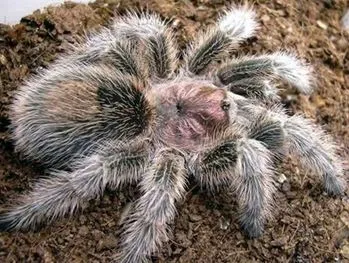
As your Rose Hair Tarantula grows, upgrading its cage becomes necessary to ensure its well-being. Juvenile tarantulas can start in smaller enclosures, but as they molt and grow, they’ll need more space. Watch your tarantula for signs that it needs a larger enclosure, such as restlessness or a lack of space to move and explore. When upgrading, choose an enclosure that provides sufficient floor space for your tarantula’s size. Avoid making the new enclosure too large, as it may make it harder for your tarantula to find food. Transfer your tarantula carefully to its new enclosure, including the substrate and decorations. This helps reduce stress. Proper cage size changes with growth, providing the tarantula with the space it needs to thrive. Regular monitoring of your tarantula’s size is crucial for determining when an upgrade is required. This ensures your pet lives in an environment that supports its healthy growth and natural behaviors.
Signs that Your Tarantula Needs a Larger Cage
Recognizing the signs that your Rose Hair Tarantula needs a larger enclosure is essential for its welfare. One of the most common indicators is a noticeable increase in activity or restlessness. If your tarantula frequently paces the enclosure or appears to be trying to escape, it may be feeling cramped. Observe its behavior closely for changes. Another sign is difficulty molting; if your tarantula struggles to molt properly, it may be because the enclosure is too small. Additionally, if the tarantula’s leg span has increased significantly and it appears to be crowded in its current enclosure, an upgrade is likely needed. If you observe the tarantula spending a lot of time in the same spot. These signs indicate that the enclosure is no longer adequate for its needs. Providing your tarantula with a larger enclosure is critical for its health and well-being.
Conclusion
Providing the right cage size for your Rose Hair Tarantula is one of the most important aspects of responsible pet ownership. From the minimum size requirements to the impact of substrate and ventilation, every detail matters in creating a suitable habitat for your tarantula. Regularly monitoring your tarantula’s size and behavior is essential to ensure it’s not outgrowing its enclosure. Remember to always prioritize the health and well-being of your pet. By understanding the needs of your Rose Hair Tarantula, you can create an environment where it can thrive, live a long, healthy, and fulfilling life. A well-designed and maintained enclosure is the foundation for a happy, healthy Rose Hair Tarantula, providing a safe and stimulating environment.