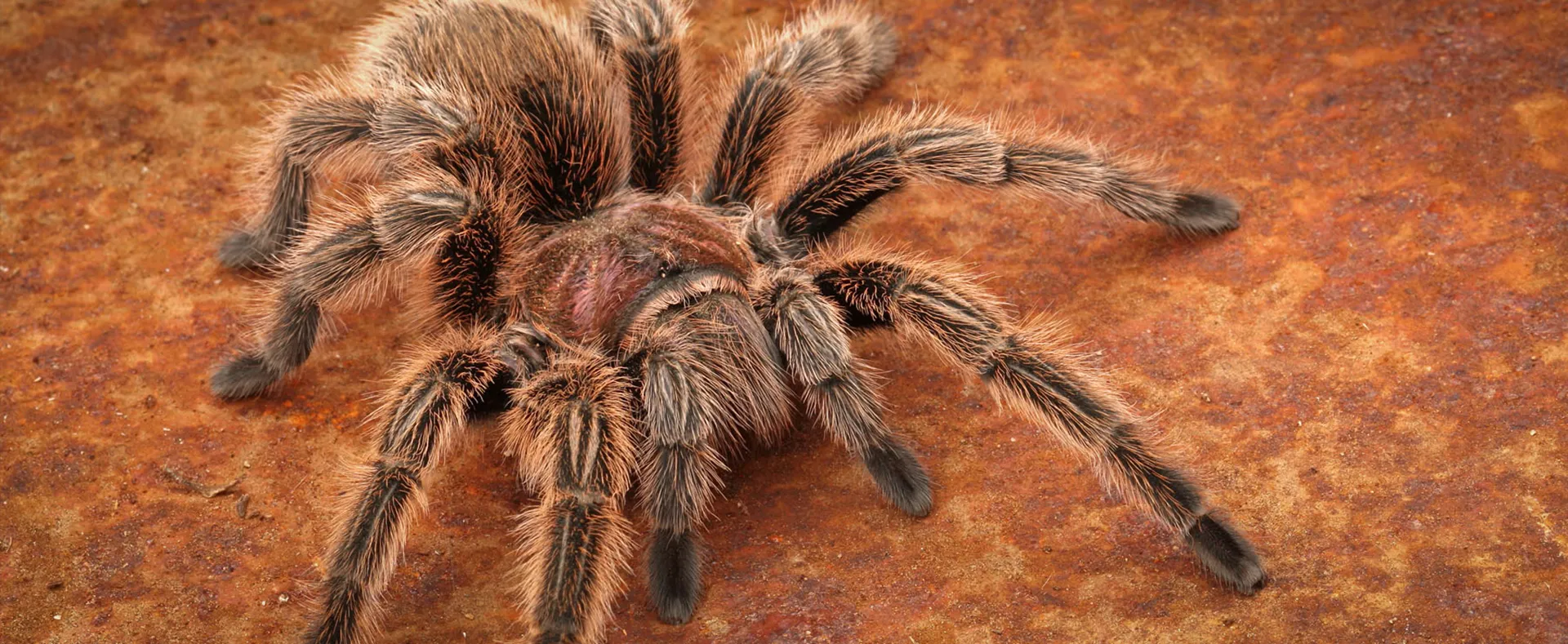
What’s a Rose Hair Tarantula?
The Rose Hair Tarantula (Grammostola rosea), native to the deserts of South America, is a popular choice for beginner arachnid enthusiasts. Known for their docile temperament and relatively easy care requirements, these spiders can make fascinating pets. However, providing the correct diet is crucial to their health, longevity, and overall well-being. Understanding their dietary needs is the first step in ensuring your Rose Hair Tarantula thrives in captivity. This comprehensive guide will explore everything you need to know about feeding your Rose Hair Tarantula, from the types of food they eat to how often they should be fed and how to avoid common feeding mistakes. Properly feeding your tarantula ensures it lives a long and healthy life.
Understanding the Rose Hair Tarantula’s Natural Diet
In their natural habitat, Rose Hair Tarantulas are opportunistic predators, meaning they’ll eat whatever they can catch. Their diet primarily consists of insects, but they will also consume small vertebrates if the opportunity arises. Understanding their natural diet is critical to replicating it in captivity as closely as possible. This ensures that your tarantula receives the necessary nutrients and vitamins to thrive. The Rose Hair Tarantula’s diet is largely dictated by what is available in its environment, and mimicking this as best as possible in a controlled setting is key to its health.
What Do Rose Hair Tarantulas Eat in the Wild?

In the wild, Rose Hair Tarantulas feed primarily on insects such as crickets, beetles, grasshoppers, and other invertebrates. They are ambush predators, patiently waiting for prey to come within striking distance. They may occasionally consume small vertebrates, like lizards or small rodents, if available, but insects are their primary food source. This diet provides them with the protein and other essential nutrients they need to grow and thrive. Because of this diet, it is important to feed them a diet similar in captivity.
How to Replicate the Natural Diet in Captivity
Replicating the Rose Hair Tarantula’s natural diet in captivity involves providing a variety of live insects. The goal is to offer a diet that is as close as possible to what they would eat in the wild, ensuring they receive all the necessary nutrients for optimal health. A diverse diet is crucial for a healthy tarantula. This includes varying the types of insects offered to ensure a broad range of nutrients. Gut-loading your feeder insects before offering them to your tarantula can also significantly improve the nutritional value of their diet. Gut-loading is the practice of feeding the insects nutritious food, so they can pass those nutrients to your tarantula.
Choosing the Right Food for Your Tarantula
The best foods for a Rose Hair Tarantula are live insects that are readily available at pet stores or online suppliers. These insects should be appropriately sized for your tarantula. You don’t want to offer insects that are too large or too small. Furthermore, it’s crucial to ensure that the insects you choose are healthy and have been properly cared for. Always source your feeder insects from a reputable supplier to minimize the risk of introducing parasites or diseases to your tarantula’s enclosure. Remember, a healthy insect translates to a healthy tarantula.
Live Insects as a Staple

Live insects form the cornerstone of a Rose Hair Tarantula’s diet. These provide the necessary protein, fats, and other essential nutrients that the tarantula requires. Variety is key here, offering different types of insects to ensure a balanced diet. Some of the most common and readily available live insects include crickets, mealworms, and roaches. Providing a combination of these can help ensure that your tarantula receives a wide array of nutrients and avoids nutritional deficiencies. Choosing the right insects to feed your tarantula is critical for its health and vitality.
Crickets
Crickets are a popular and readily available food source for Rose Hair Tarantulas. They are relatively easy to keep and breed, making them a convenient option for many pet owners. When choosing crickets, select ones that are appropriately sized for your tarantula. It’s also essential to gut-load the crickets before feeding them to your tarantula. This involves feeding the crickets nutritious foods, such as fresh vegetables and commercial cricket food, to increase their nutritional value. This practice helps to ensure that your tarantula receives the most benefit from its meals. Also, it’s a good idea to remove any uneaten crickets from the enclosure, as they can stress or even harm your tarantula.
Mealworms
Mealworms are another common and convenient food source for Rose Hair Tarantulas, although they are often less nutritious than crickets. They are easy to store and breed, making them a practical option. However, mealworms have a relatively low nutritional value compared to other insects, so they should be fed in moderation. It’s important to supplement your tarantula’s diet with other insects, such as crickets or roaches, to ensure it receives a balanced intake of nutrients. If you choose to feed your tarantula mealworms, offer them in small quantities and consider gut-loading them with nutritious foods to improve their nutritional content.
Roaches

Roaches, such as Dubia roaches, are an excellent food source for Rose Hair Tarantulas due to their high nutritional value. They are a good source of protein and other essential nutrients. Roaches are also less likely to escape and hide in the enclosure compared to crickets. They are also easy to breed and maintain, making them a sustainable option. Many tarantula keepers find roaches to be a cleaner and more convenient food source. When feeding roaches, ensure they are appropriately sized for your tarantula and that you remove any uneaten ones from the enclosure to prevent stress or injury to your pet. Roaches are an excellent food choice, but ensure they are properly maintained.
How to Determine the Right Insect Size
The size of the insects you feed your Rose Hair Tarantula is crucial. The general rule of thumb is to offer insects that are no larger than the tarantula’s body size. This ensures that the tarantula can easily capture and consume the prey without any difficulty. Feeding insects that are too large can stress your tarantula, make it difficult to eat, and potentially injure it. For juvenile tarantulas, start with smaller insects, such as pinhead crickets or small mealworms, and gradually increase the size as they grow. Regularly assess your tarantula’s size and adjust the insect size accordingly to ensure that it can eat them comfortably.
Supplementing the Diet with Vitamins and Minerals
While live insects provide most of the necessary nutrients, supplementing your Rose Hair Tarantula’s diet with vitamins and minerals can be beneficial. This is especially true if you are feeding a limited variety of insects. You can dust the insects with a calcium and vitamin D3 supplement before feeding them to your tarantula. This helps ensure that your tarantula receives enough calcium for proper growth and molting. Vitamin D3 aids in the absorption of calcium. There are also complete vitamin supplements available designed for reptiles and arachnids. Remember to use supplements sparingly, following the instructions on the product label, as overuse can be harmful.
How Often to Feed Your Rose Hair Tarantula

The frequency of feeding depends on the age and size of your Rose Hair Tarantula. Young, growing tarantulas need more frequent feedings than adults. Generally, spiderlings should be fed two to three times a week, while juveniles can be fed once or twice a week. Adult Rose Hair Tarantulas can be fed once every one to two weeks. It’s important to monitor your tarantula’s abdomen size. A well-fed tarantula will have a rounded abdomen. If the abdomen appears too thin, increase the feeding frequency slightly. Always remove any uneaten food within 24 hours to maintain a clean enclosure and prevent any potential issues.
Feeding Schedule Based on Age and Size
Establishing a feeding schedule based on the age and size of your Rose Hair Tarantula is essential for proper growth and health. Spiderlings, or baby tarantulas, should be fed more frequently than adults. As they grow, their metabolism increases and they require more food to fuel their growth. Young tarantulas, up to an inch in size, should be fed about two to three times a week. As they get older, reduce the frequency to once or twice a week. Adult Rose Hair Tarantulas typically only need to be fed every one to two weeks, as they have a slower metabolism. Always adjust the feeding schedule based on your tarantula’s individual needs and activity level.
Recognizing and Addressing Overfeeding
Overfeeding a Rose Hair Tarantula can lead to various health problems, including obesity and a shortened lifespan. It is essential to recognize the signs of overfeeding and adjust the feeding schedule accordingly. A well-fed tarantula will have a rounded abdomen, but an overfed tarantula may have an extremely large or distended abdomen. If you notice that your tarantula is not eating the food you offer, this could be a sign that it’s already full. Reduce the frequency of feeding and offer smaller portions. Remember that tarantulas can go for extended periods without food, especially adults. It is always better to underfeed than to overfeed your pet.
Water and Hydration for Your Tarantula

Proper hydration is crucial for the health and well-being of your Rose Hair Tarantula. These spiders need access to fresh, clean water at all times to maintain their hydration levels and facilitate molting. Dehydration can lead to serious health issues, so it’s essential to provide your tarantula with an adequate water source. Keep the water source clean and accessible. Regular water changes prevent the buildup of bacteria and other pathogens. Water is crucial for the tarantula’s health.
Providing Fresh Water
Always provide your Rose Hair Tarantula with a shallow water dish or a water source that is easily accessible. The water dish should be shallow enough to prevent the tarantula from drowning. You can use a small, flat dish or a bottle cap. Ensure the dish is placed in a stable location within the enclosure to prevent it from tipping over. Change the water at least once or twice a week, or more frequently if necessary, to keep it clean and free from contaminants. Regularly check the water dish for any debris or waste. Clean water is essential for your tarantula’s hydration and overall health.
Humidity and Hydration
Maintaining appropriate humidity levels in your Rose Hair Tarantula’s enclosure is crucial for its health. Rose Hair Tarantulas are relatively adaptable, but they still require a moderate level of humidity to thrive. You can maintain humidity by misting the enclosure with a spray bottle, especially during molting. Ensure that the substrate is slightly moist, but not overly wet. Overly wet conditions can lead to mold and bacterial growth, which can be harmful to your tarantula. Monitoring the humidity levels with a hygrometer can help you ensure that you are providing the correct environment for your tarantula. Proper humidity, combined with a water source, ensures your tarantula stays hydrated and healthy.
Common Feeding Mistakes to Avoid
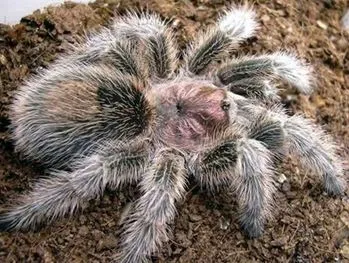
Several common feeding mistakes can negatively impact your Rose Hair Tarantula’s health. One is overfeeding. Overfeeding, as mentioned earlier, can lead to obesity. Another common mistake is feeding insects that are too large for the tarantula to consume. Also, providing insects from unknown sources. It is essential to source your feeder insects from a reputable supplier to avoid introducing parasites or diseases. Finally, failing to remove uneaten food can cause stress to your tarantula and lead to the growth of mold. By avoiding these common feeding mistakes, you can ensure that your Rose Hair Tarantula remains healthy and thrives in its environment.
Handling Live Prey
When introducing live prey to your Rose Hair Tarantula’s enclosure, use caution. Avoid placing your hand directly in the enclosure, as this could expose you to a bite. Instead, gently drop the insect into the enclosure using tongs or tweezers. This helps minimize stress for your tarantula and reduces the risk of accidental bites. Monitor the tarantula while it is feeding and remove uneaten insects within 24 hours. This prevents the insect from stressing your tarantula. Be cautious and patient, allowing the tarantula to hunt at its own pace.
Removing Uneaten Food
Removing uneaten food is a vital part of caring for your Rose Hair Tarantula. Uneaten insects can cause stress to your tarantula, and they can also introduce mold or bacterial growth into the enclosure. After feeding your tarantula, monitor the enclosure for uneaten food. If any insects remain after 24 hours, remove them promptly. Use tongs or tweezers to remove the uneaten insects. Removing uneaten food helps to keep the enclosure clean and hygienic, supporting a healthy environment for your tarantula. This practice is essential for the overall health of your Rose Hair Tarantula.
Conclusion
Providing the proper diet is one of the most critical aspects of caring for a Rose Hair Tarantula. By understanding their natural dietary needs, choosing the right food, and following a consistent feeding schedule, you can ensure that your tarantula lives a long, healthy, and fulfilling life. Remember to provide fresh water, maintain appropriate humidity levels, and avoid common feeding mistakes. The Rose Hair Tarantula is a rewarding pet, and with the right care, you can enjoy watching these fascinating creatures thrive in your home. Following these guidelines will contribute significantly to the well-being of your Rose Hair Tarantula, allowing you to enjoy this unique pet for many years to come. Remember to always observe your tarantula and adjust your care based on its individual needs.