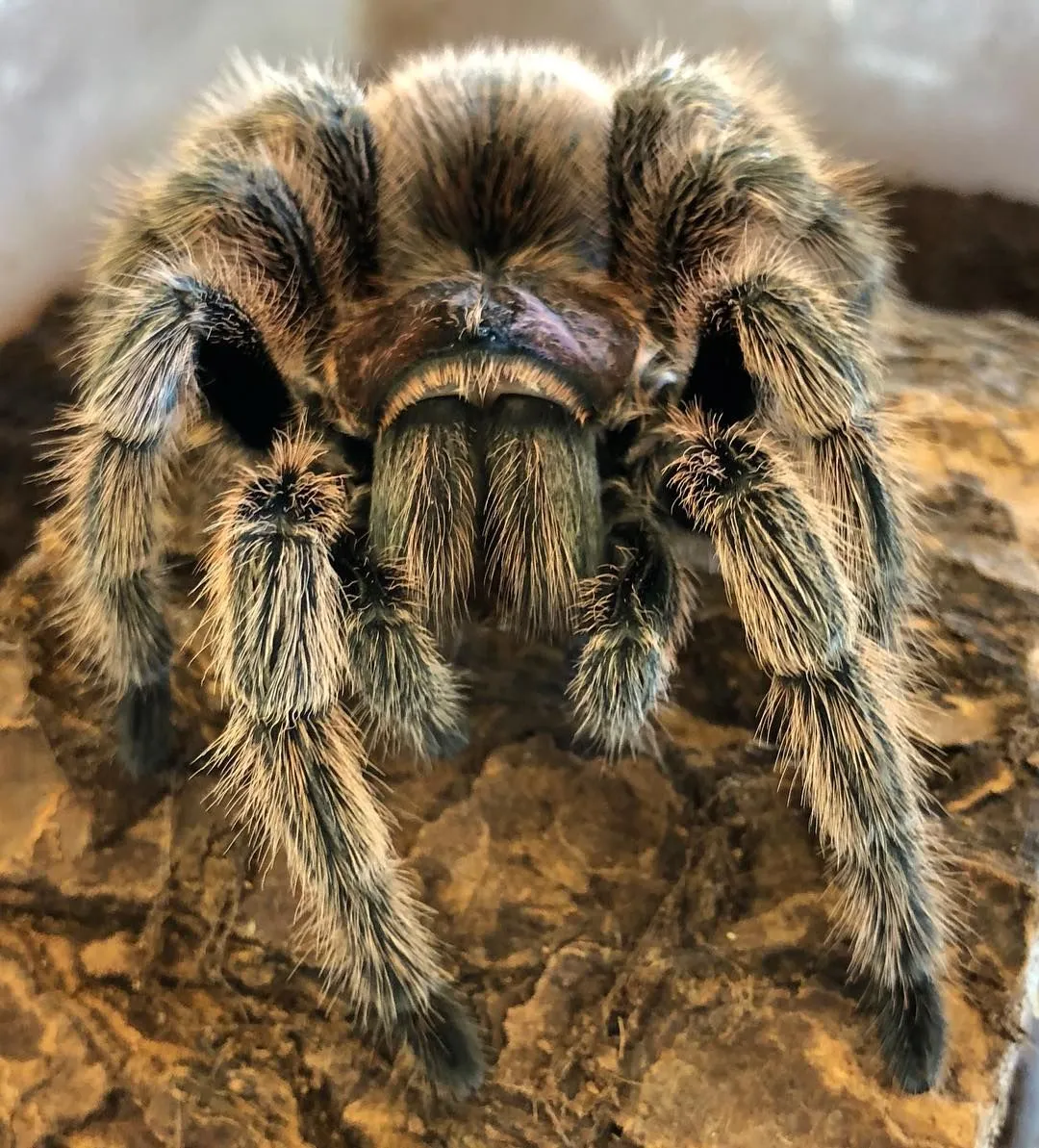
What is Rose Hair Tarantula Habitat?
The Rose Hair Tarantula (Grammostola rosea), a popular pet tarantula, originates from the arid and semi-arid regions of South America. Understanding its natural habitat is crucial for providing proper care in captivity. This species thrives in environments that closely mimic its native surroundings. The Rose Hair Tarantula’s habitat provides shelter, regulates temperature and humidity, and offers opportunities for natural behaviors such as burrowing and hunting. The specific elements that constitute its habitat, including the climate, terrain, and available resources, heavily influence the tarantula’s health, behavior, and overall well-being. Replicating these conditions in a captive environment is key to a happy and healthy Rose Hair Tarantula.
Geographic Location & Distribution
Rose Hair Tarantulas are primarily found in the dry scrublands and deserts of Chile, Bolivia, and Argentina. They have adapted to survive in areas with minimal rainfall and fluctuating temperatures. Their geographical distribution is a testament to their resilience and ability to thrive in challenging conditions. They are not typically found in dense forests or humid environments, as these conditions do not suit their needs. When considering a Rose Hair Tarantula as a pet, it’s important to remember their origins and aim to replicate the environmental conditions of their natural habitat. The specifics of their geographic location provides insights into their needs.
Rose Hair Tarantula Natural Habitat Environment

In its natural habitat, the Rose Hair Tarantula experiences a diurnal cycle, with warm days and cooler nights. The terrain is often rocky or sandy, with sparse vegetation. The habitat typically includes low-lying shrubs, cacti, and other plants that provide shade and cover. These tarantulas are well-adapted to the dry climate and can survive for extended periods without access to water. They often create burrows under rocks, within the soil, or beneath plant roots to escape the heat and find shelter. The dry, arid environment is a key component of their survival strategy.
Temperature and Humidity Requirements
The Rose Hair Tarantula prefers a temperature range between 75°F and 85°F (24°C and 29°C). Maintaining this temperature is vital for their metabolism and overall health. Humidity levels should be kept relatively low, around 60-70%, to prevent fungal infections and other health problems. While they can tolerate brief periods of higher humidity, prolonged exposure can be detrimental. In captivity, these conditions are generally achieved through the use of a heat source, such as a heat lamp or a heat mat, and careful monitoring of humidity levels using a hygrometer. Proper ventilation is also critical to prevent the build-up of moisture.
Substrate and Enclosure Setup
The substrate, or bedding, in a Rose Hair Tarantula’s enclosure should mimic its natural habitat. A mix of peat moss, coconut fiber, and a small amount of sand is often recommended. This combination allows for burrowing and helps maintain the desired humidity level. The depth of the substrate should be sufficient to allow the tarantula to create a burrow, typically around 4-6 inches. The enclosure itself should be appropriately sized for the tarantula’s size, with ample space for movement and exploration. Providing a hide, such as a piece of cork bark or a small cave, is also essential for security and stress reduction. The enclosure should be well-ventilated to avoid the build-up of excess moisture.
Burrowing and Hiding Behaviors
Burrowing is a natural behavior for Rose Hair Tarantulas. In their natural habitat, they construct burrows to regulate their body temperature, avoid predators, and conserve moisture. Captive environments should accommodate this behavior by providing a substrate that allows for digging. Providing a hide, such as a cork bark or a half-log, can also encourage hiding and make the tarantula feel more secure. The presence of a hide and the ability to burrow reduces stress and helps the tarantula feel safe in its surroundings. Observe the tarantula’s behavior and adjust the enclosure setup accordingly to meet its needs.
Diet and Feeding Habits Impact Habitat
In their natural environment, Rose Hair Tarantulas are opportunistic predators, feeding on insects, small invertebrates, and occasionally, small vertebrates. The availability of food in their habitat influences their activity levels and overall health. In captivity, the diet typically consists of crickets, mealworms, roaches, and other commercially available insects. It is important to avoid overfeeding and to remove any uneaten food from the enclosure to prevent the build-up of bacteria and mold. The tarantula’s feeding habits are directly related to their habitat. A balanced diet ensures a healthy and thriving Rose Hair Tarantula.
Conservation Status of Rose Hair Tarantula
Rose Hair Tarantulas are not currently listed as endangered. However, habitat loss and the pet trade can pose threats to their populations. Sustainable practices in the pet trade, such as responsible sourcing and providing proper care, are crucial for their conservation. Supporting conservation efforts and being mindful of the tarantula’s origin and habitat are important. Learning about the natural habitat and implementing the knowledge in captivity is essential for their well-being. Continued monitoring of wild populations and the promotion of responsible pet ownership will help to ensure the long-term survival of the Rose Hair Tarantula.