Understanding Rose Hair Tarantula Molting
The rose hair tarantula (Grammostola rosea), a popular pet among arachnid enthusiasts, undergoes a fascinating process known as molting. This essential biological function allows these creatures to grow and replace their exoskeleton. Understanding the intricacies of molting is vital for any rose hair tarantula owner, ensuring the well-being and longevity of their pet. This guide will delve into the various aspects of molting, providing essential insights into recognizing the signs, preparing for the process, and offering care during and after the molt. By following these guidelines, you can help your rose hair tarantula thrive and enjoy a long, healthy life.
What is Molting?
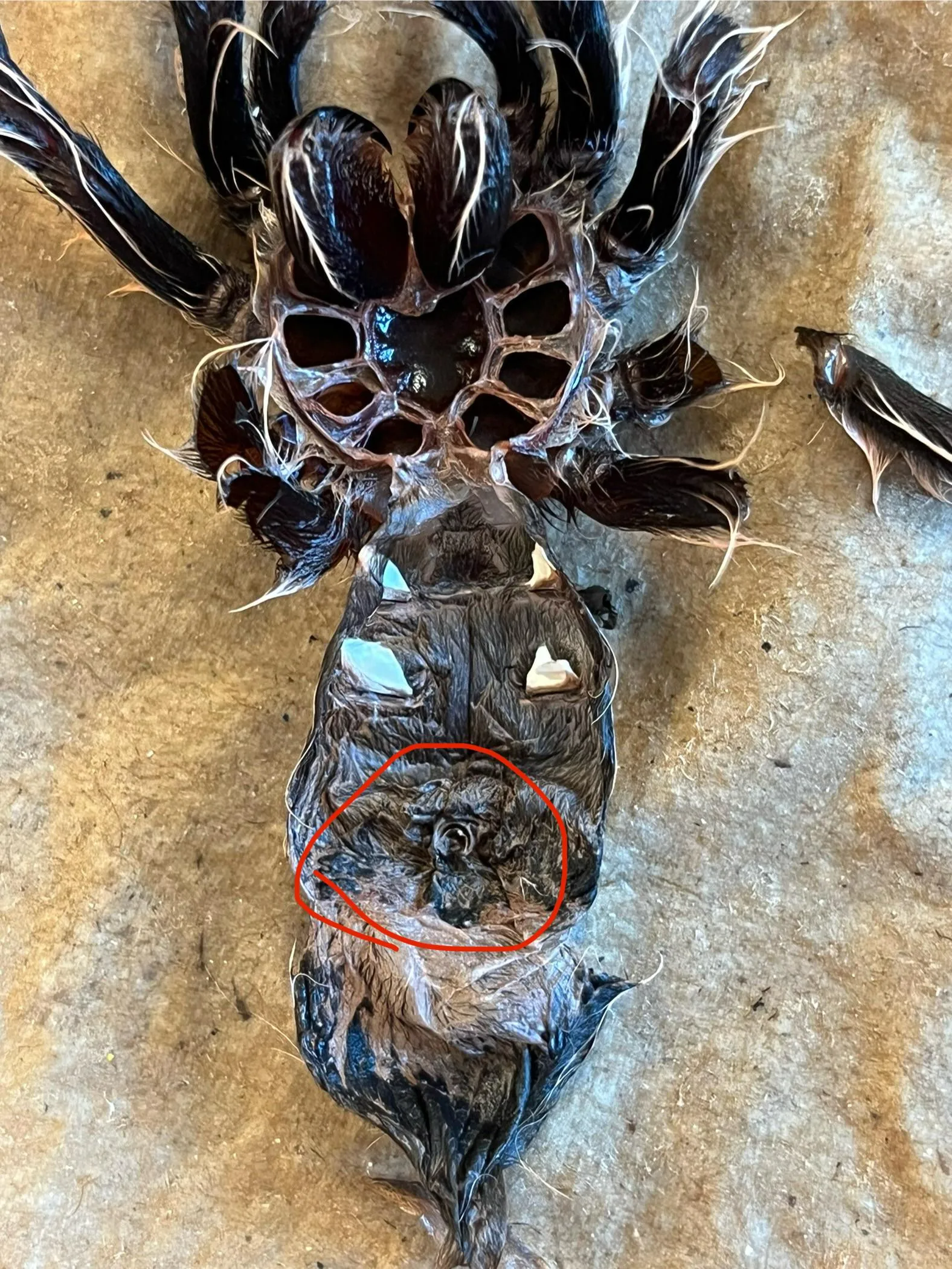
Molting, or ecdysis, is the process by which a tarantula sheds its old exoskeleton, or cuticle. The exoskeleton, made of chitin, is a rigid outer layer that provides protection and support but does not grow. As the tarantula grows, it must shed this restrictive shell to accommodate its increasing size. The new exoskeleton, which develops underneath the old one, is soft and pliable immediately after molting, allowing the tarantula to expand. This process also allows the tarantula to regenerate lost limbs and repair any damage to its body. Molting is a vulnerable time for tarantulas, as they are soft and defenseless during the process.
Why Do Tarantulas Molt?

Tarantulas molt for several critical reasons, primarily to grow. The rigid exoskeleton prevents continuous growth. As the tarantula matures, it needs to shed its exoskeleton to create space for expansion. Molting also allows tarantulas to replace damaged or lost body parts, such as legs or pedipalps. In addition, molting helps to remove parasites and other external debris that may have accumulated on the exoskeleton. The frequency of molting decreases as a tarantula ages. Spiderlings molt frequently, sometimes every few weeks, while adult tarantulas may molt only once a year or even less often. This is a natural and necessary part of their life cycle.
Recognizing the Signs of an Impending Molt
Identifying the signs of an impending molt is crucial for providing the right care. Recognizing these indicators allows you to create a safe and stress-free environment for your tarantula during this vulnerable period. Several physical and behavioral changes indicate that a molt is approaching. These signs often become more pronounced as the molt gets closer, so it’s essential to pay close attention to your tarantula’s behavior and appearance to ensure a successful molt.
Changes in Appearance
One of the first visible signs of an impending molt is a change in the tarantula’s appearance. The abdomen may appear darker, as the new exoskeleton develops beneath the old one. You might also notice a bald spot on the abdomen, a dark area where the old hairs are being shed. The tarantula’s coloration may also appear duller. Additionally, the tarantula may look plumper than usual, as it prepares to shed its old shell. These physical changes are usually clear indicators that a molt is on the horizon.
Behavioral Changes
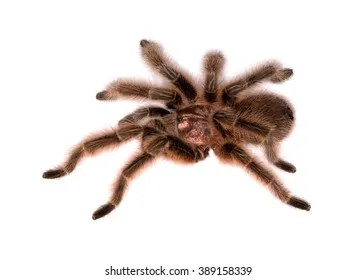
In addition to physical changes, behavioral changes can also signal an impending molt. Your rose hair tarantula may become less active, spending more time hiding or burrowing. It might also refuse food for several weeks or even months leading up to the molt. Some tarantulas will seal themselves off in their burrow, creating a web barrier. Increased irritability or defensiveness is also common. Recognizing these behavioral changes allows you to anticipate the molt and provide the necessary care to support your tarantula during this critical time.
Preparing for the Molt
Proper preparation is key to ensuring a successful molt for your rose hair tarantula. Creating a safe and stable environment can significantly reduce stress and minimize the risk of complications. There are several steps you can take to prepare for the molt, each playing a crucial role in the overall well-being of your tarantula. This preparation involves maintaining the right environmental conditions and creating an undisturbed space.
Maintaining Optimal Humidity
Maintaining the correct humidity levels is essential for a successful molt. Proper humidity helps the tarantula shed its old exoskeleton. Use a hygrometer to monitor humidity levels. The ideal humidity range for rose hair tarantulas is typically between 60% and 70%. If the humidity is too low, the exoskeleton may dry out and become difficult to shed. You can increase humidity by misting the enclosure with dechlorinated water or providing a shallow water dish. Be careful not to over-saturate the substrate. The humidity should always be monitored and maintained.
Providing a Safe Molting Environment

Ensure your tarantula’s enclosure provides a safe and undisturbed environment. Remove any potential hazards, such as heavy decorations or objects that could fall and injure the tarantula during the molt. Provide plenty of substrate, such as coconut fiber or peat moss, which allows the tarantula to create a burrow. Avoid handling or disturbing the tarantula during this time. A quiet and stress-free environment is crucial for a successful molt. The tarantula will need to feel safe and secure while shedding its exoskeleton.
Top 5 Secrets for a Successful Molt
Ensuring a successful molt for your rose hair tarantula involves more than just preparation; it also requires specific actions and precautions. These five secrets can significantly improve the chances of a healthy molt and reduce the risk of complications. By following these guidelines, you can provide your tarantula with the best possible conditions during this crucial period.
Secret 1 Avoid Disturbing Your Tarantula
One of the most important secrets is to avoid disturbing your tarantula during the molting process. Keep the enclosure in a quiet area, away from loud noises and sudden movements. Do not handle the tarantula or open the enclosure unnecessarily. Excessive stress can disrupt the molting process, leading to complications. Let the tarantula have its space and allow nature to take its course. This simple step is crucial for a healthy molt.
Secret 2 Ensure Proper Humidity

As mentioned earlier, maintaining the correct humidity levels is essential for a successful molt. The environment should be humid enough to allow the old exoskeleton to loosen and shed easily. Regularly mist the enclosure with dechlorinated water, but avoid saturating the substrate. Use a hygrometer to monitor the humidity levels, ensuring they remain within the ideal range of 60% to 70%. Proper humidity prevents the exoskeleton from drying out and becoming difficult to remove.
Secret 3 Do Not Feed Before Molt
Avoid feeding your tarantula in the weeks leading up to a molt. The tarantula will usually refuse food, indicating that it is preparing to molt. Feeding a tarantula close to molting can put undue stress on the process. If the tarantula has a full stomach, it may have difficulty molting. Observe your tarantula’s behavior and avoid offering food if it shows signs of an impending molt. This precaution ensures a smoother and less stressful molting experience.
Secret 4 Leave the Exoskeleton
After the molt is complete, resist the urge to remove the old exoskeleton immediately. The tarantula will be soft and vulnerable for several days after molting, and it may need time to reabsorb nutrients from the discarded exoskeleton. Leave the exoskeleton in the enclosure for a few days, allowing the tarantula to consume it. This practice provides important nutrients and minerals. Once the tarantula has hardened, you can remove any remaining pieces of the old exoskeleton.
Secret 5 Maintain a Clean Habitat
A clean habitat is important for the overall health of your tarantula, especially during the molting period. Remove any uneaten food and droppings regularly to prevent the buildup of bacteria and mold. A clean environment reduces the risk of infection during and after the molt. Regularly clean the enclosure and replace the substrate to ensure a healthy and hygienic environment for your tarantula to thrive.
Post-Molt Care and Feeding
Once the molt is complete, proper care and feeding are essential to help your rose hair tarantula recover and thrive. The tarantula will be vulnerable after molting, so it’s important to provide the right environment and nutrition. This period is also an opportunity to monitor your pet’s health and ensure it is recovering well. Following these guidelines will help your tarantula regain its strength and resume its normal activities.
Reintroducing Food
After the molt, wait a few days for the tarantula’s new exoskeleton to harden before reintroducing food. The tarantula will be very soft and vulnerable right after molting, and attempting to eat too early could injure it. Offer small, easily manageable prey items, such as small crickets or mealworms, to start. Increase the size and quantity of food gradually as the tarantula’s appetite returns. Observe the tarantula’s behavior to ensure it is eating and digesting its food properly.
Monitoring Your Tarantula’s Health

Monitor your rose hair tarantula’s health closely after a molt. Look for any signs of injury or abnormalities. Ensure that the tarantula is moving and behaving normally. Check for any issues with the legs or other body parts. Observe the tarantula’s eating habits and overall activity levels. If you notice any problems, consult with a veterinarian or an experienced tarantula keeper. Early detection of any health issues is crucial for providing timely and effective care.
Common Molting Problems and Solutions
While molting is a natural process, sometimes complications can arise. Understanding potential molting problems and their solutions can help you provide the best care for your rose hair tarantula. These problems can range from difficulty shedding the old exoskeleton to injuries sustained during the molt. Recognizing and addressing these issues quickly can improve the chances of a successful outcome and prevent serious harm to your pet.
Molting Issues
One common issue is a failed molt, where the tarantula cannot fully shed its old exoskeleton. This can be caused by several factors, including low humidity, injuries, or health problems. Another problem is limb loss, where the tarantula loses a leg or other body part during the molting process. This can happen if the tarantula gets stuck in its old exoskeleton or if there are underlying health issues. In some cases, the tarantula may experience dehydration or stress during the molt, leading to various complications.
Solutions for Molting Problems
If your tarantula experiences molting problems, there are steps you can take to help. For a failed molt, carefully increase the humidity in the enclosure. If the tarantula is stuck, you can gently assist by moistening the old exoskeleton with water. If your tarantula loses a limb during the molt, provide proper care, and the limb may regenerate over time during subsequent molts. If your tarantula appears dehydrated, ensure it has access to a water dish. If you are concerned about your tarantula’s health, consult with a veterinarian or experienced tarantula keeper. Early intervention is key to resolving molting problems and ensuring your tarantula’s well-being.