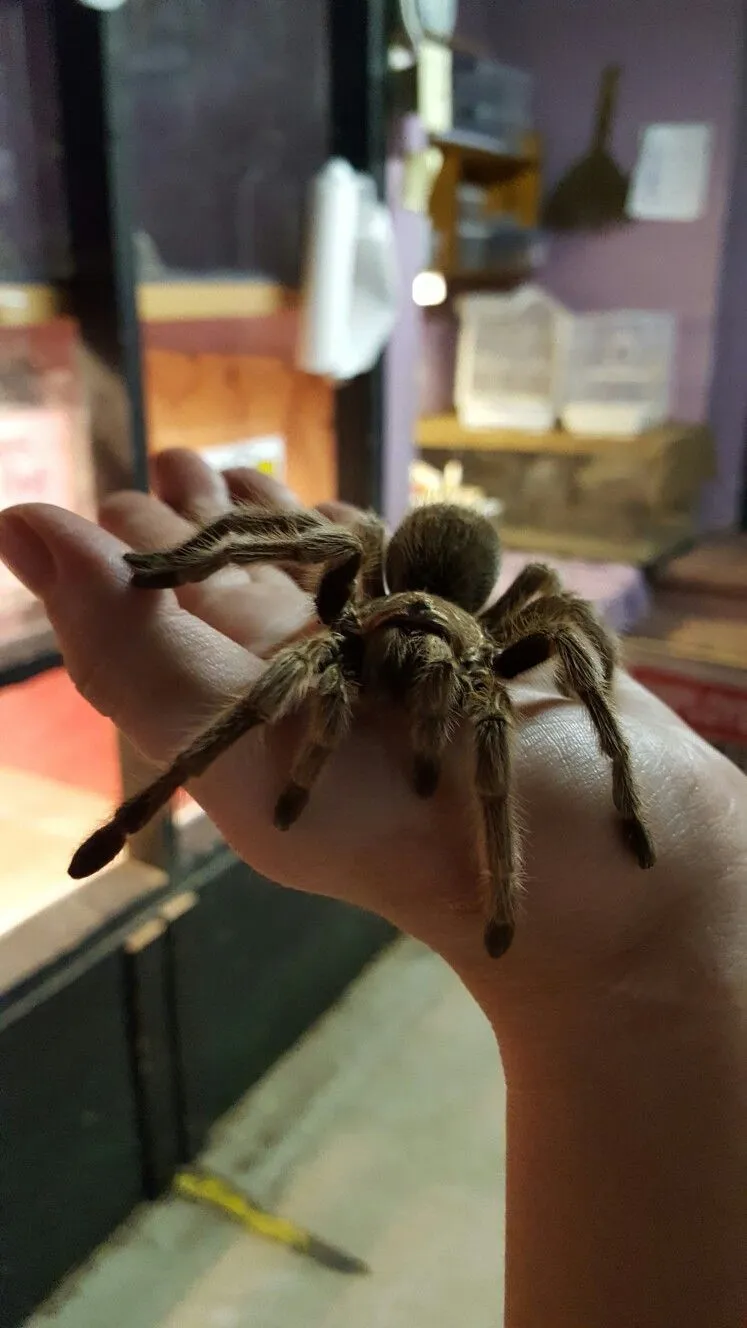
Rose Hair Tarantula Molting Unveiled
Molting is a fundamental biological process for rose hair tarantulas (Grammostola rosea), similar to how snakes shed their skin. It’s the way these fascinating creatures grow and replace their old exoskeletons with new ones. This process isn’t just about shedding an outer layer; it’s a complete overhaul, allowing the tarantula to increase in size, repair injuries, and replace lost appendages. Understanding the molting cycle is crucial for responsible tarantula care, as it dictates everything from feeding schedules to environmental adjustments. The frequency of molting varies significantly based on several factors, which we’ll explore in detail. This article provides a comprehensive guide to all aspects of molting in rose hair tarantulas, from the influences on molting to the steps involved and how to care for your pet during and after the process.
Factors Influencing Molting Frequency
Several key factors influence how often a rose hair tarantula molts. Recognizing these factors helps you understand your tarantula’s molting cycle and anticipate its needs. The most important variables include the tarantula’s age, size, diet, and the environment it lives in. Adjustments in these areas can sometimes even be used to optimize the health and frequency of molting. Therefore, keeping track of your tarantula’s molting history and behavior alongside environmental observations is an essential element of its care. Being proactive in these ways often leads to the ability to solve or prevent problems that can occur during this critical period for your pet tarantula.
Age and Molting

Age is a primary determinant of molting frequency. Spiderlings and juvenile tarantulas molt much more frequently than adults. Young tarantulas may molt every few months as they grow rapidly. This rapid growth phase often tapers off, and as the tarantula matures, the molting intervals become significantly longer. Adult rose hair tarantulas, especially mature females, can molt only once a year, or even less frequently. It’s not uncommon for adult males to molt even less often, sometimes only molting a few times in their adult lifespan. Therefore, monitoring age is one of the first steps to gauging molting frequency and understanding what to expect with your tarantula’s molting schedule. This is also why keeping records is so important.
Size and Molting
Size is intimately linked to molting frequency. As a tarantula grows, it needs to shed its exoskeleton to accommodate its increasing size. Larger tarantulas generally have longer molting intervals because they are closer to their ultimate size. Young tarantulas, needing to increase their size significantly, molt more often. Therefore, the larger the tarantula, the less it needs to molt until it reaches its full size. This is something to keep in mind as you assess the rate and frequency of molting for your rose hair tarantula. Size is one of the primary indicators to track when trying to gauge what to expect. This is also helpful when determining if your pet is growing properly.
Diet and Molting
A well-balanced diet is crucial for successful molting. Rose hair tarantulas require sufficient nutrients to build a new exoskeleton. A diet lacking essential nutrients can lead to molting problems. Feeding your tarantula appropriately-sized prey items, such as crickets or roaches, ensures it receives the necessary nutrients. Overfeeding can also be detrimental, potentially leading to a ruptured abdomen during molting. So, the diet needs to have both the right components and appropriate portions. When the diet is not right, molting is often a problem. Diet is one of the easiest factors to manage for optimal tarantula health.
Environmental Factors and Molting

The environmental conditions in your tarantula’s enclosure significantly impact molting. Maintaining optimal humidity and temperature levels is vital. Extremes can disrupt the molting process. Proper environmental conditions support the tarantula’s overall health, which in turn affects molting frequency and success. So the environment plays a critical role in molting success and frequency. It is therefore important to monitor the environment and adjust it as necessary to provide the best care.
Humidity’s Impact
Humidity plays a critical role during molting. Insufficient humidity can make the old exoskeleton difficult to shed, leading to a stuck molt. Providing the appropriate humidity levels, generally between 60% and 70%, helps to soften the old exoskeleton and facilitate the molting process. This can be achieved by misting the enclosure or providing a water dish. Inadequate humidity can make molting a very difficult process for your tarantula. Monitoring and adjusting the humidity level is a simple step that can make a significant difference.
Temperature’s Role
Temperature also affects the molting process. Maintaining a consistent temperature within the enclosure, ideally between 75°F and 80°F (24°C and 27°C), supports the tarantula’s metabolism. Extreme temperatures can stress the tarantula and negatively impact molting. Make sure that you use a reliable thermometer and take steps to maintain consistent temperatures within the recommended range. Temperature considerations also play a role in how often a tarantula might molt. Therefore, monitoring and maintaining temperature consistency is a key part of the best care for your tarantula.
Recognizing Molting Signs

Recognizing the signs of an upcoming molt is crucial. This allows you to provide the necessary support and avoid disturbing your tarantula. Pre-molt behavior often includes a change in appetite, lethargy, and the darkening of the abdomen. The tarantula may also start to create a web mat in preparation for the molt. Recognizing the signs of molting helps you to provide the best care for your tarantula during this sensitive process and ensure the best possible outcome. It can be a good idea to keep a log of your tarantula’s behavior to quickly notice changes and know when a molt is coming.
Pre-Molting Behavior
During the pre-molt phase, your rose hair tarantula’s behavior often changes. One of the most noticeable signs is a loss of appetite, where the tarantula may refuse food for several weeks leading up to the molt. They may also become less active, spending more time in their hide or burrow. The abdomen will darken, indicating the new exoskeleton is forming beneath the old one. You might also observe the tarantula creating a web mat. Recognizing these behavioral changes is key to knowing when the molt is approaching, and to provide the appropriate support.
The Molting Process
The molting process itself is a delicate and energy-intensive event. The tarantula typically lies on its back, and the old exoskeleton splits open. The tarantula then slowly wriggles out of its old shell, revealing a soft, vulnerable new exoskeleton. This process can take anywhere from a few minutes to several hours, depending on the size and health of the tarantula. During this time, it’s crucial not to disturb the tarantula, as any interference could harm it. Avoid touching the tarantula and maintain the appropriate environmental conditions to ensure a successful molt.
Post-Molting Care

Post-molting care is just as important as the pre-molting phase. The new exoskeleton is soft and vulnerable, so the tarantula needs time to harden. It’s crucial to avoid handling the tarantula during this period, as it could easily be injured. Provide the tarantula with a safe, undisturbed environment and maintain proper humidity and temperature. Proper post-molting care significantly impacts your tarantula’s health and longevity.
Feeding After Molting
After molting, wait until the tarantula’s fangs have fully hardened before offering food. This usually takes about a week or two, depending on the tarantula’s size and the environmental conditions. Start with a small, easily manageable prey item. The tarantula may be hesitant to eat at first, but should regain its appetite as the new exoskeleton hardens. Keep a close eye on the tarantula’s feeding habits to ensure it’s eating properly and not showing any signs of distress. With the proper post-molt care, your tarantula will be back to eating normally in no time.
Handling Precautions
Avoid handling your rose hair tarantula immediately after molting. The new exoskeleton is soft, and the tarantula is vulnerable to injury. Even after the exoskeleton hardens, handle your tarantula with care. Avoid dropping the tarantula, as it can sustain serious injuries. If you must handle the tarantula, do so over a soft surface. With the right precautions, handling can be done safely. But generally, try to avoid this practice, especially after molting, until the exoskeleton is completely hardened.
Troubleshooting Molting Issues

While molting is a natural process, complications can arise. The most common issues are stuck molts and abnormal molting signs. Knowing how to address these problems is essential for responsible tarantula care. Early intervention can often save your tarantula from serious health complications. Familiarizing yourself with these issues provides a better understanding of tarantula health and improves your skills in caring for your pet tarantula.
Stuck Molt Solutions
A stuck molt occurs when the tarantula is unable to fully shed its old exoskeleton. This can be caused by low humidity, injury, or nutritional deficiencies. If you notice a stuck molt, gently mist the enclosure to increase humidity. Avoid pulling or attempting to remove the old exoskeleton. If the problem persists, consult with a veterinarian or experienced tarantula keeper. Stuck molts can be dangerous. Therefore, it’s important to try to prevent them by managing humidity and other important aspects of care.
Abnormal Molting Signs
Be aware of any abnormal molting signs, such as difficulty molting, injuries during the process, or incomplete molts. These signs may indicate underlying health issues or environmental problems. If you observe these signs, consult with an expert in tarantula care. Addressing these issues promptly increases the chances of a successful outcome. Being aware of the molting process, the signs of molting, and potential problems will give you the best chance of properly caring for your pet.
In conclusion, understanding how often rose hair tarantulas molt is a key part of responsible care. The frequency of molting depends on factors such as age, size, diet, and environment. By providing the right conditions and recognizing the signs of an upcoming molt, you can ensure your tarantula’s well-being and enjoy watching this amazing process. Always remain vigilant and ready to seek expert advice if any issues arise. With the correct knowledge and care, you can help your rose hair tarantula thrive.