Understanding Rufilata Tarantulas
The Rufilata tarantula, scientifically known as Brachypelma boehmei, is a captivating species popular among tarantula enthusiasts. Known for their striking coloration and relatively docile nature, these spiders make fascinating pets. Understanding their needs is the first step in providing proper care and ensuring a long, healthy life for your Rufilata tarantula. This comprehensive guide will cover everything from their natural habitat and enclosure setup to feeding, handling, and health concerns. With the right knowledge and care, you can enjoy the unique experience of keeping these amazing creatures.
Origin and Habitat of Rufilata Tarantulas
Rufilata tarantulas are native to the Pacific slopes of Mexico, primarily found in the states of Guerrero and Michoacán. In their natural habitat, they inhabit arid and semi-arid environments, often taking refuge in burrows they dig themselves or utilizing existing crevices and shelters. The climate in these regions is characterized by distinct wet and dry seasons, which influences the tarantula’s activity and behavior. Understanding their natural environment is crucial for replicating suitable conditions in captivity, ensuring your Rufilata thrives. Mimicking their natural habitat helps in promoting natural behaviors and overall well-being, ensuring the tarantula feels safe and comfortable in its environment.
Characteristics of Rufilata Tarantulas

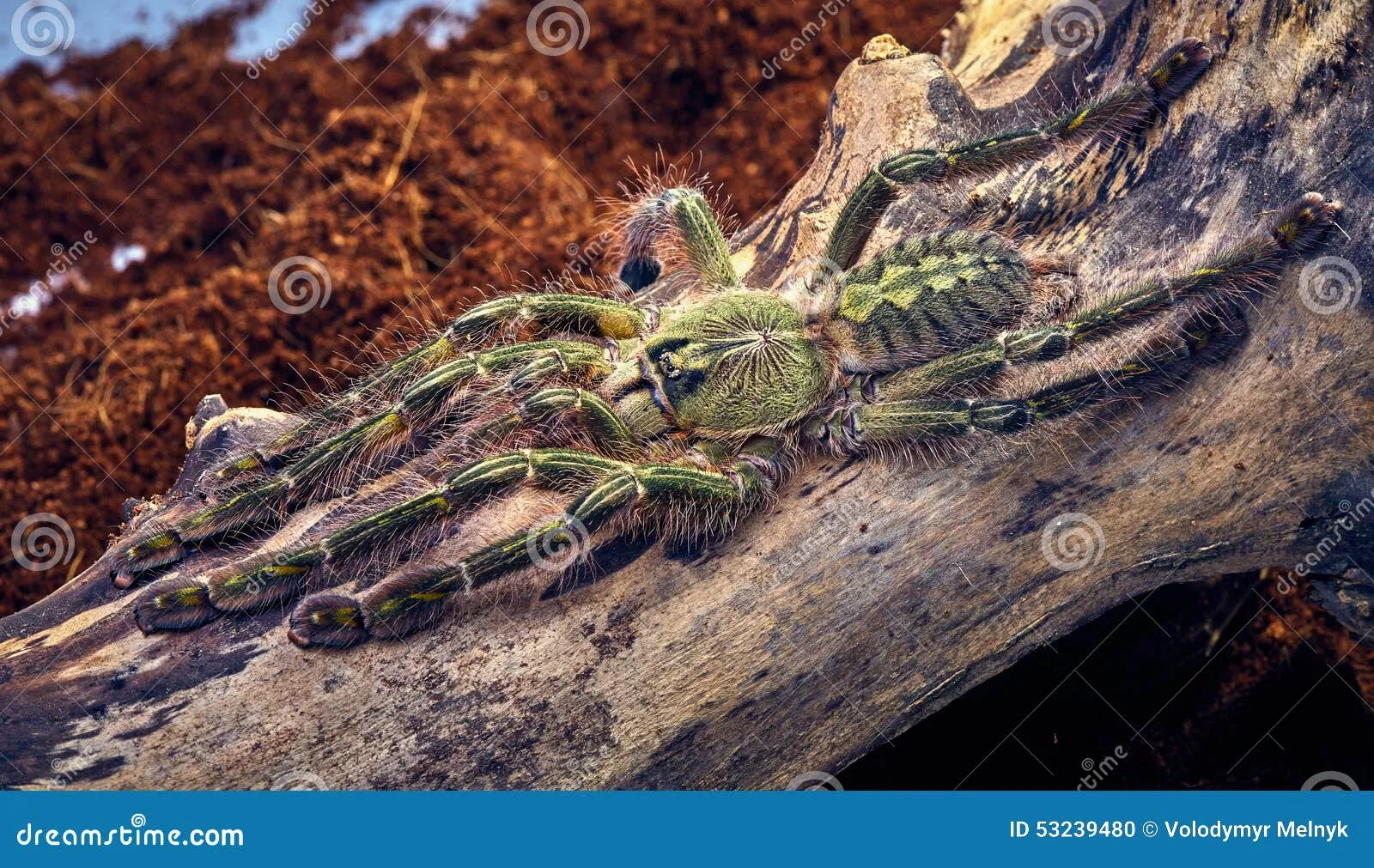
Rufilata tarantulas are known for their stunning appearance. They feature a combination of black and orange coloration, with vibrant orange hairs on their legs and carapace, contrasting against a dark body. Their overall size typically ranges from 5 to 6 inches in leg span, with females generally being larger than males. They are relatively slow-moving tarantulas, making them easier to observe and handle (with caution). Their docile temperament, coupled with their striking appearance, makes them a popular choice for both beginner and experienced tarantula keepers. The beauty and gentle nature of these creatures are key reasons they’re often sought after as pets, with the proper understanding and care, they’re truly rewarding to keep.
Setting Up Your Rufilata Tarantula’s Enclosure
Creating a suitable enclosure is essential for the health and happiness of your Rufilata tarantula. The setup should replicate its natural habitat and provide a safe and comfortable environment. This involves choosing the right enclosure size, providing appropriate substrate and decor, and maintaining optimal temperature and humidity levels. A well-designed enclosure not only supports the tarantula’s physical needs but also encourages natural behaviors such as burrowing and hunting. Providing the right environment reduces stress and allows you to observe these fascinating creatures in a habitat that closely resembles their natural environment. Investing time in proper setup is crucial for their overall well-being.
Choosing the Right Enclosure
For a Rufilata tarantula, a glass or clear plastic terrarium is ideal. The size of the enclosure should be appropriate for the tarantula’s size, with dimensions that allow for adequate space to move around and burrow. A good starting point is a terrarium that is 10 gallons or larger for a juvenile and 20 gallons or larger for an adult. Ensure the enclosure has a secure, well-ventilated lid to prevent escapes. The enclosure should be easy to clean and provide good visibility, allowing you to observe your tarantula. Consider the layout and the addition of hides, plants, and substrate that replicate the natural environment, and it provides enrichment for the spider. The proper enclosure is the foundation for your pet’s health and enjoyment.
Substrate and Decor

The substrate should be a mixture that allows burrowing while retaining some humidity. A combination of peat moss, coconut fiber, and a bit of vermiculite works well. The substrate should be deep enough for the tarantula to burrow comfortably, typically 4-6 inches deep. Decorate the enclosure with a hide, such as a cork bark or half log, to provide a safe retreat. Artificial or live plants can also be added to enhance the environment, but ensure they are non-toxic and safe for the spider. Providing a naturalistic environment enriches the tarantula’s life and supports its behavioral needs, making the enclosure more stimulating and comfortable for the spider. Proper setup is key.
Temperature and Humidity
Maintain a temperature between 75-85°F (24-29°C). Use a heat mat on the side of the enclosure, not the bottom, to provide gentle warmth. Avoid direct sunlight, which can overheat the enclosure. Humidity levels should be kept between 60-70%. This can be achieved by lightly misting the enclosure once or twice a week, especially during dry periods. Use a hygrometer to monitor humidity levels. Adequate ventilation is also important to prevent mold growth. Proper temperature and humidity are crucial for the Rufilata’s health, supporting their molting process and overall well-being, so monitoring and adjusting conditions are important.
Feeding Your Rufilata Tarantula
Proper nutrition is vital for a Rufilata tarantula’s growth and health. The diet should consist primarily of live insects, and the feeding frequency and amount should be adjusted based on the tarantula’s age and size. Providing fresh water at all times is also essential for hydration. Understanding their dietary requirements and feeding habits will help you keep your tarantula healthy and thriving. Paying attention to their feeding habits and the condition of your tarantula will help you understand if there are any issues.
What to Feed Rufilata Tarantulas

The primary diet for Rufilata tarantulas consists of live insects. Suitable options include crickets, dubia roaches, mealworms, and superworms. Ensure the insects are gut-loaded before feeding them to your tarantula to provide the spider with essential nutrients. The size of the prey should be appropriate for the tarantula’s size; a general rule is to feed insects that are no larger than the tarantula’s body. Avoid feeding wild-caught insects, as they may carry parasites or pesticides. Provide a varied diet to ensure your tarantula receives a wide range of nutrients. Always ensure the insects are alive when given and that the tarantula is able to easily capture and consume the food.
Feeding Frequency and Amount
Juvenile Rufilata tarantulas should be fed 2-3 times a week, while adults can be fed once a week or every other week. The feeding amount should be adjusted based on the tarantula’s appetite and condition. A tarantula that refuses food may be preparing to molt. Remove any uneaten prey within 24 hours to prevent stress and potential injury to the tarantula. Overfeeding can lead to health problems, so it’s better to slightly underfeed than overfeed. Observe the tarantula’s abdomen; it should be slightly rounded but not overly plump. Feeding at the right times and in the right amounts is crucial for health.
Watering and Hydration
Provide a shallow water dish with fresh, clean water at all times. Ensure the water dish is shallow enough to prevent drowning. You can also mist the enclosure lightly once or twice a week, especially during molting or in drier environments. Always use dechlorinated water. Monitoring the water level and keeping it clean will ensure your tarantula stays hydrated. Proper hydration is essential for your tarantula’s health and well-being, supporting molting and overall bodily functions.
Handling and Interaction

While Rufilata tarantulas are generally docile, handling should be approached with caution. Understanding when and how to handle your tarantula is important for both your safety and the tarantula’s well-being. Overhandling can stress the tarantula, so it is best avoided unless necessary. Always approach handling with respect for the tarantula’s natural behaviors, and be aware of potential hazards. The best practice is to observe your tarantula in its habitat, so you can learn about their natural behaviors and reduce the need for handling.
When to Handle
Handling should be minimized and reserved for necessary situations, such as moving the tarantula for enclosure cleaning or health checks. Avoid handling during or shortly after molting, as the tarantula is particularly vulnerable. If handling is necessary, do so when the tarantula is calm and appears comfortable. Never handle a tarantula that is displaying defensive behavior, such as raising its front legs or flicking urticating hairs. Always observe the tarantula’s behavior before attempting to handle it. It is often best to leave the tarantula in peace to thrive.
Proper Handling Techniques
If you choose to handle your Rufilata tarantula, do so close to the ground or a soft surface to minimize the risk of injury from a fall. Gently coax the tarantula onto your hand, allowing it to walk onto your palm. Avoid sudden movements or loud noises, which can startle the tarantula. Support the tarantula’s body with your other hand. Always wash your hands thoroughly before and after handling to remove any potential contaminants. Approach handling with patience and respect for the tarantula’s comfort. If the tarantula shows signs of stress, gently place it back in its enclosure.
Potential Hazards

Rufilata tarantulas have urticating hairs on their abdomen, which they can flick off as a defense mechanism. These hairs can cause skin irritation and itching if they come into contact with your skin or eyes. Avoid touching your face or eyes after handling your tarantula. The tarantula can also bite, although this is rare with this species. While their bite is not considered medically significant, it can be painful. Always be mindful of your tarantula’s behavior and avoid handling if it appears agitated. Prevention is the best way to minimize problems when caring for your tarantula.
Common Health Issues and Care
Like all pets, Rufilata tarantulas can experience health issues. Recognizing potential problems early and providing appropriate care is crucial for their well-being. Understanding the molting process, identifying health issues, and implementing preventative care measures will help you keep your tarantula healthy and happy. Regular observation, a clean enclosure, and a proper diet are key to preventing many health problems. Learning to identify signs of illness is essential for timely intervention and ensuring your tarantula receives the care it needs.
Moulting Process
Molting is a natural process where the tarantula sheds its exoskeleton to grow. During this time, the tarantula will stop eating and may become more reclusive. The process can take several hours to days, depending on the tarantula’s size. Provide a humid environment during molting to prevent the exoskeleton from drying out. Do not disturb the tarantula during molting. After molting, the tarantula will be vulnerable; avoid handling and offer food only after its fangs have hardened (usually a week or two). This is a natural process and a sign that your tarantula is growing.
Identifying Health Problems

Common signs of illness include loss of appetite, lethargy, and changes in behavior. Look for a lack of coordination, tremors, or the inability to right itself. Check for injuries, such as damage to the fangs or legs. A bloated abdomen could indicate overfeeding or a medical issue. Parasites can also be a problem, so inspect the tarantula regularly. If you notice any unusual symptoms, consult with a veterinarian experienced in exotic animals. Early detection and intervention are crucial to improve the tarantula’s chances of a full recovery. Observing your tarantula regularly helps you detect any changes in its behavior.
Preventative Care
Maintain a clean and well-ventilated enclosure. Provide a balanced diet and fresh water at all times. Avoid overfeeding, which can lead to health issues. Regularly inspect the enclosure and the tarantula for any signs of illness or injury. Quarantine new tarantulas before introducing them to your existing collection. Handle your tarantula with care and minimize stress. Following these preventative measures will keep your tarantula happy and healthy. Preventative care minimizes the likelihood of serious health problems.
Breeding Rufilata Tarantulas
Breeding Rufilata tarantulas can be a rewarding experience for experienced keepers. It requires careful planning and knowledge of the tarantula’s mating behavior. Understanding the process of sexing your tarantula, facilitating mating, and caring for the egg sac and spiderlings is essential. Breeding can be challenging, but the experience of seeing new spiderlings is very rewarding. It’s important to be prepared for the challenges involved and have a good understanding of the breeding process. Thorough preparation and a commitment to proper care are crucial to successfully breeding Rufilata tarantulas.
Sexing Your Tarantula
Sexing a tarantula involves determining its sex. This can be done by examining the underside of the tarantula, specifically looking at the presence of spermathecae in females. The easiest method is to examine the molt. In mature females, you can see the spermathecae in the shed exoskeleton. In mature males, the pedipalps will have bulbous structures called emboli. It is best to wait until the tarantula is mature before sexing it accurately. You can use these methods to determine the sex of the tarantula and prepare for breeding.
Mating and Egg Sacs
Once you have a male and female, introduce them to each other in the female’s enclosure. Monitor their interactions closely. If the female is receptive, they will mate. After mating, remove the male from the enclosure to prevent the female from eating him. The female will then produce an egg sac. The egg sac will contain multiple eggs. Carefully monitor the egg sac and maintain the correct temperature and humidity. If the breeding is successful, the female will care for the egg sac, which will hatch into spiderlings. Be sure to monitor and give a safe environment for the eggs.
Raising Spiderlings
Once the spiderlings hatch, they will remain in the egg sac for a period before dispersing. When the spiderlings emerge, separate them into individual enclosures to prevent cannibalism. Provide small enclosures with appropriate substrate and a hide. Feed the spiderlings small insects, such as fruit flies or pinhead crickets. Provide a shallow water dish. The spiderlings will grow slowly. Regular monitoring and care are essential. Patience is needed when raising spiderlings. With proper care, the spiderlings will grow and eventually reach maturity. Raising spiderlings can be a rewarding endeavor for experienced tarantula keepers.
In conclusion, caring for a Rufilata tarantula can be a fascinating and rewarding experience. By understanding their needs, providing a suitable environment, and practicing responsible care, you can ensure your tarantula thrives. Remember to research, observe, and adapt your care to the individual needs of your tarantula. With dedication and patience, you can enjoy the unique beauty and behavior of these amazing creatures for years to come.