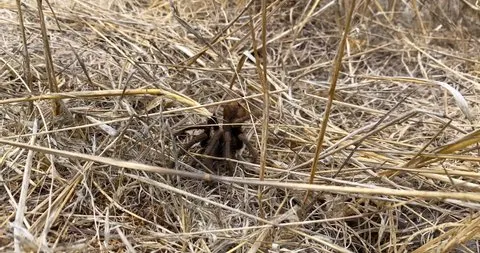
What is Tarantula Migration?
Tarantula migration is a fascinating natural phenomenon where these often-feared spiders embark on a journey, typically during a specific time of year. This migration is primarily driven by the need to mate, with mature male tarantulas setting out to find females. The scale of the migration can vary, but in areas like Santa Barbara, California, it’s a noticeable event that draws the attention of nature enthusiasts and curious onlookers. The spiders traverse various terrains, often moving across roads, trails, and open spaces, making their presence quite evident to anyone in the vicinity. Understanding this behavior provides valuable insight into the tarantulas’ lifecycle and their role in the local ecosystem.
Understanding the Tarantula Lifecycle
The tarantula lifecycle is a remarkable process, crucial to understanding the migration. Tarantulas go through several stages, starting as eggs laid by the female. These eggs hatch into spiderlings, which then go through a series of molts as they grow. The molting process involves shedding their exoskeleton to allow for growth. Male tarantulas reach maturity relatively quickly, often in a few years, while females can live for decades, continuing to molt and grow. The migration is closely tied to the mating season, as mature males actively seek out females, embarking on their journey to fulfill their reproductive duties. This lifecycle highlights the importance of conservation efforts to protect tarantula populations and their habitats, ensuring the continuation of this unique biological process.
The Mating Ritual of Tarantulas

The mating ritual of tarantulas is a delicate dance of courtship, a display of nature’s intricate balance. Male tarantulas, during the migration, actively search for mature females, following pheromone trails left by the females. When a male finds a female, he approaches cautiously, often tapping on her burrow to signal his presence. If the female is receptive, the male will proceed with the mating process, which involves a complex series of behaviors designed to ensure successful reproduction. It is important to understand this process, as it provides a glimpse into the behavior and reproductive strategies of these remarkable creatures. Understanding the mating rituals also helps in appreciating the role of each tarantula in their ecosystem, and highlights the need for conservation efforts.
When and Where to See the Migration in Santa Barbara
In Santa Barbara, the tarantula migration usually occurs during the late summer and early fall months, typically from September to November. The specific timing can vary slightly depending on weather conditions and other environmental factors. Key areas to observe this phenomenon include open spaces, grasslands, and foothills where tarantulas commonly reside. Popular spots include areas near the Santa Ynez Mountains, along hiking trails, and in parks. It’s essential to stay informed about the local conditions and any alerts or advisories. Observing the migration in Santa Barbara offers a chance to witness an extraordinary natural event and deepen one’s appreciation for local wildlife. Remember that tarantulas, although often feared, play a critical role in the local ecosystem.
Best Spots for Tarantula Spotting
Identifying the best locations is key to successfully spotting tarantulas during their migration. In Santa Barbara, several areas are renowned for their tarantula activity. Hiking trails along the foothills and in the Santa Ynez Mountains are prime locations, with trails near Elings Park and the Douglas Family Preserve often providing good viewing opportunities. Open spaces like grasslands and undeveloped areas also serve as common migration routes. It’s important to note that the presence of tarantulas can vary year to year, and their movement patterns can be unpredictable. Therefore, it is a good idea to check local wildlife reports. Remember that while observing, caution is advised, and respect for the tarantulas’ habitat is essential. Never try to handle or disturb the tarantulas, and maintain a safe distance to avoid any potential encounters.
What Time of Year is Best to See Tarantulas?

The prime time to witness the Santa Barbara tarantula migration is during the late summer and early fall, particularly from September to November. This period aligns with the mating season when mature male tarantulas actively seek out females. The exact timing can vary depending on weather patterns and environmental conditions. The migration often peaks on warm, sunny days following a period of rain, as these conditions encourage the tarantulas to emerge from their burrows and embark on their journeys. Checking local weather forecasts can provide valuable insights, as these factors can influence tarantula activity. Keep in mind that patience is key, as spotting these fascinating creatures requires a bit of luck and persistence. Visiting during the peak migration period maximizes your chances of witnessing this incredible natural spectacle.
How to Identify Tarantulas
Identifying tarantulas during the migration can be an exciting experience. Most of the tarantulas you’ll encounter in Santa Barbara are the California Ebony Tarantula. These spiders are relatively large, with females reaching up to 6 inches in body length and males slightly smaller. They have a dark, often black or dark brown, coloration, and are covered in fine hairs. When observing, be mindful of the differences between male and female tarantulas. Males, being the ones actively migrating, are typically more slender and have long legs, whereas females have a more robust body structure. Observing their behavior can also help in identification, males are usually more active as they are on the move, whereas females may be found near their burrows. Being able to identify tarantulas allows for a better appreciation of their behavior and helps in the conservation of these amazing creatures.
Safety Precautions during Tarantula Migration
When observing the Santa Barbara tarantula migration, it’s essential to take certain safety precautions to ensure a positive experience. Tarantulas are not typically aggressive, but they can bite if they feel threatened. Therefore, it is important to maintain a safe distance, and never attempt to handle or provoke them. Avoid walking barefoot or wearing sandals, especially in areas where tarantulas are known to be present. It’s a good idea to wear closed-toe shoes and long pants for protection. Keep children and pets under close supervision, and advise them not to touch or approach any tarantulas they may come across. If you get bitten, clean the bite with soap and water, and seek medical attention if you experience any severe symptoms. Practicing caution is an important part of wildlife observation, ensuring the safety of both yourself and the tarantulas.
Do not Disturb their Habitat

Respecting the tarantulas’ habitat is vital to preserving the natural environment. When observing the migration, it’s crucial to avoid disturbing or damaging their burrows and surrounding habitats. This includes not removing any vegetation, rocks, or other elements of their natural environment. Stick to marked trails and paths to minimize your impact on their habitat. Refrain from littering and always pack out anything you bring in. Avoid using flash photography or bright lights, as these can disrupt the tarantulas’ behavior. By practicing responsible observation and leaving the environment as you found it, you contribute to the preservation of tarantula habitats and the broader ecosystem. Supporting conservation efforts and educating others about the importance of protecting wildlife habitats promotes their survival and helps to maintain biodiversity.
Why is Tarantula Migration Important?
The tarantula migration plays a vital role in the ecosystem and is essential for several reasons. First, it is a crucial part of the tarantulas’ reproductive cycle, allowing them to mate and reproduce, ensuring the continuation of their species. Second, tarantulas are important predators, helping to control populations of insects and other small animals, contributing to the balance of the local ecosystem. Third, observing the migration allows for scientific research, giving insights into tarantula behavior, life cycles, and how they interact with the environment. Furthermore, the migration is an important indicator of environmental health, and changes in their behavior can signal shifts in their ecosystem. Appreciating the value of the migration helps to highlight the need for conservation and habitat protection, and the important role that these amazing creatures play in their surroundings.
In conclusion, the Santa Barbara tarantula migration is a remarkable natural spectacle that highlights the fascinating world of spiders and their critical role in our environment. From understanding the lifecycle of tarantulas and the reasons behind their migration to taking essential safety precautions and appreciating the importance of habitat preservation, this guide has covered the most important aspects of this unique event. By observing responsibly and educating ourselves and others, we can ensure that future generations have the opportunity to witness and appreciate the wonders of the Santa Barbara tarantula migration. This thrilling journey offers a unique opportunity to connect with nature and to gain a deeper understanding of the intricate balance of life in Santa Barbara’s beautiful landscapes.