Sazimai Blue Tarantula Temperament: An Overview
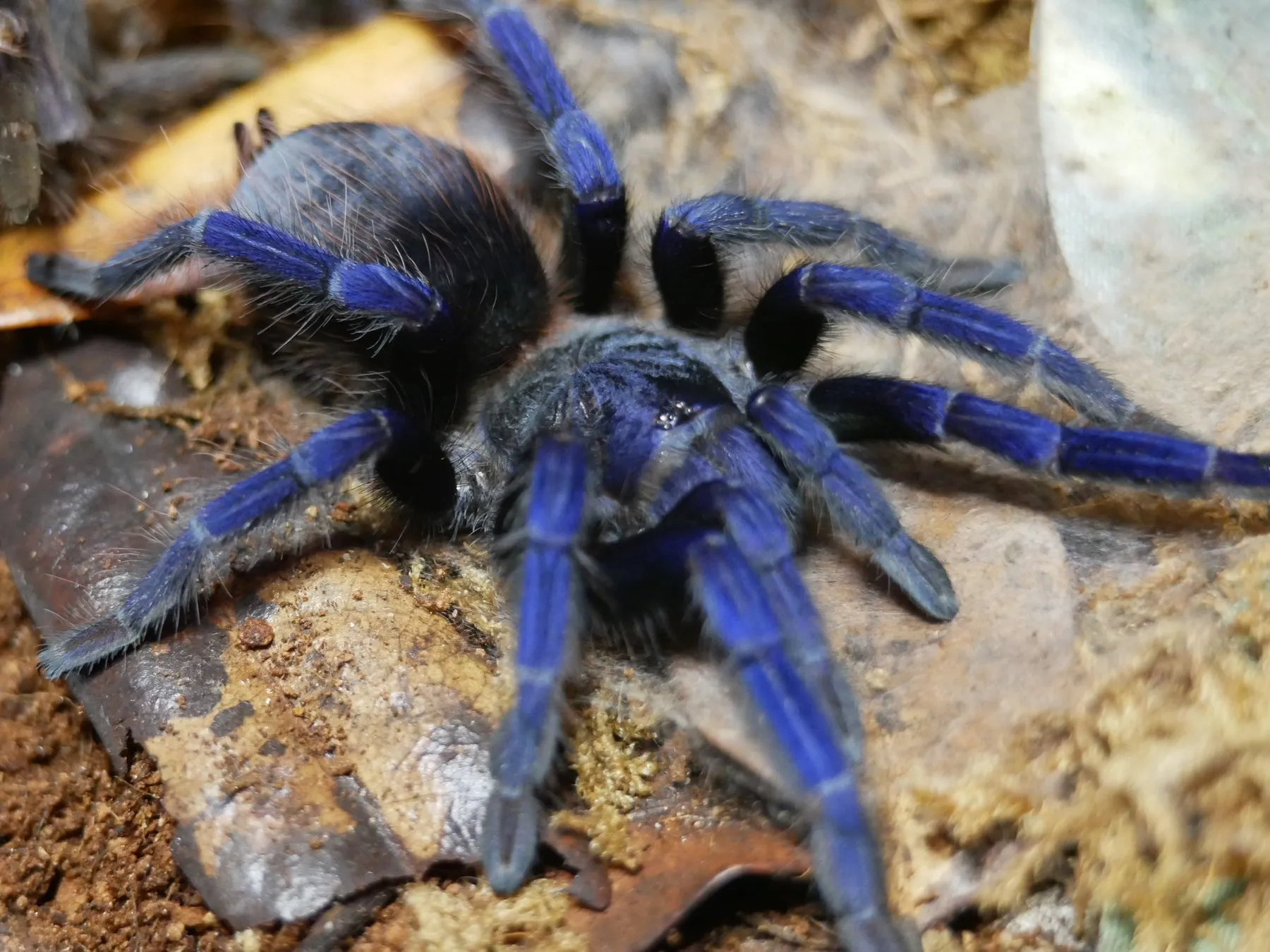
The Sazimai Blue Tarantula, scientifically known as Typhochlaena seladonia, is a captivating species renowned for its striking blue coloration and, importantly, its temperament. Understanding the temperament of a Sazimai Blue is crucial for potential owners to ensure a safe and enjoyable experience. While often described as a relatively docile tarantula, it’s essential to remember that all arachnids are individuals. Their behavior can vary depending on various factors, including their age, environmental conditions, and individual personality. This article will explore the key aspects of the Sazimai Blue’s temperament, offering valuable insights for both novice and experienced tarantula keepers. Knowing these traits can help you build a good relationship with your pet. Considering their beauty, they have grown in popularity over recent years as a pet.
Docile Nature
Generally, Sazimai Blue Tarantulas are known for their docile nature, which makes them a more appealing option for tarantula keepers compared to some other, more aggressive species. They are less likely to display aggressive behaviors such as threatening poses or biting. However, this doesn’t mean they are completely harmless. It is important to remember that all tarantulas possess the potential to bite, particularly if they feel threatened or provoked. It’s also worth pointing out that temperament can change depending on the spider’s environment, so providing a safe and stress-free environment is critical to maintaining this gentle nature. Proper care includes providing appropriate temperatures, humidity, and hiding places so that your pet feels safe and secure.
Gentle Behavior

Compared to many other tarantula species, the Sazimai Blue tends to exhibit relatively gentle behavior. They are less likely to display overt signs of aggression such as rearing up or hissing. This calmness contributes to their popularity among tarantula enthusiasts. A calm approach to handling, when necessary, is crucial. Always move slowly and avoid sudden movements that could startle the spider. Observing your tarantula’s behavior carefully will help you understand its individual personality and preferences, making it easier to interact with it safely and respectfully. Remember that patience and a gentle approach are key when interacting with any tarantula.
Low Aggression Levels
The aggression levels in Sazimai Blue tarantulas are generally considered to be low. This doesn’t mean they are completely non-aggressive, as any tarantula can become defensive if it feels threatened. However, compared to species known for their quick aggression, the Sazimai Blue is often more inclined to retreat or display warning behaviors before resorting to a bite. This makes them a potentially better choice for keepers who are new to tarantulas, as their tendency to avoid conflict reduces the risk of being bitten. Proper handling techniques and understanding your tarantula’s body language are essential to maintaining a safe and positive relationship.
Defensive Posture
While Sazimai Blues are generally docile, they will exhibit defensive postures when they feel threatened. This can include raising their front legs, exposing their fangs, or flicking urticating hairs. These behaviors serve as warning signals, indicating that the tarantula feels unsafe and is ready to defend itself. Recognizing these postures is important for any keeper, as it’s a clear sign to back off and avoid any further interaction that might provoke a bite. Always respect the tarantula’s space and avoid handling it when it displays defensive behaviors. Allowing them to retreat to their hideout is always the best course of action.
Urticating Hairs

Sazimai Blue Tarantulas, like many New World tarantulas, possess urticating hairs. These are specialized hairs on their abdomen that the tarantula can flick off as a defense mechanism. These hairs are barbed and cause intense itching and irritation if they come into contact with skin or eyes. This is a significant factor to consider when handling or cleaning the enclosure. It is highly recommended to avoid direct skin contact. Always wear gloves, eye protection, and a dust mask when handling the tarantula or working within its enclosure. Washing your hands thoroughly after any interaction with the enclosure is also essential.
Bite Risk
The bite risk associated with Sazimai Blue Tarantulas is generally considered to be low, but it is always present. While they are less prone to biting than some other species, a bite can still occur if the tarantula feels threatened or provoked. The bite itself is not usually life-threatening but can be painful. The effects of the venom can vary depending on the individual tarantula and the person bitten, but typically result in localized pain, swelling, and muscle cramps. If bitten, wash the area with soap and water. Seek medical attention if symptoms become severe or if any allergic reactions occur. Handling the tarantula should be done with extreme care and consideration to its environment.
Fast Movements
Sazimai Blue Tarantulas are known for their speed and agility, particularly when they feel threatened. They can move surprisingly quickly, which can make handling a bit more challenging. It’s important to be aware of this and to always handle them over a soft surface, such as a bed or a container, in case they escape. Sudden movements or loud noises can startle them, causing them to dart away. Therefore, a calm and controlled approach is vital when interacting with these tarantulas. Creating a safe and secure environment for your tarantula helps ensure that the need for rapid movement will be minimized.
Handling Precautions

Handling Sazimai Blue Tarantulas should be approached with caution. While they are typically docile, handling should be kept to a minimum, especially for beginners. If handling is necessary, do so over a soft surface to prevent injury in case of a fall. Avoid sudden movements, and always allow the tarantula to move at its own pace. Observe its body language for any signs of stress or aggression. Always wash your hands thoroughly before and after handling, and make sure the tarantula’s enclosure is secure to prevent escapes. Frequent or unnecessary handling can cause stress to the tarantula and increase the risk of bites or other defensive behaviors.
Avoidance of Direct Contact
The best practice is to minimize direct contact with your Sazimai Blue Tarantula. These tarantulas are primarily for observation, not for handling. Observe your pet in their enclosure as much as possible. When you need to interact with the enclosure, consider using tools like long tongs to move items or for feeding, minimizing the chances of direct contact and potential stress to the tarantula. This approach helps to maintain both the tarantula’s well-being and the owner’s safety. Focus on creating a comfortable environment and providing enrichment rather than frequent handling.
Suitable Environment
The environment in which a Sazimai Blue Tarantula lives plays a crucial role in its temperament. A well-maintained and comfortable habitat is more likely to result in a calm and less defensive tarantula. This involves creating an enclosure that meets the tarantula’s specific needs in terms of temperature, humidity, and hiding places. A properly set up habitat minimizes stress and allows the tarantula to feel secure, which reduces the likelihood of aggressive behavior. Understanding and providing these essential environmental elements will help ensure the well-being of your Sazimai Blue.
Creating a Comfortable Habitat

Creating a comfortable habitat is critical for maintaining a good temperament. Choose an enclosure that’s appropriately sized for the tarantula, providing enough space for movement and exploration. The enclosure should be well-ventilated but secure, with a secure lid to prevent escape. Use a substrate that holds humidity well, such as coco fiber or peat moss. The substrate should be deep enough for the tarantula to burrow if it chooses. Provide several hiding spots, such as cork bark or artificial plants, so the tarantula can retreat when it feels threatened or stressed. A comfortable habitat is a happy habitat.
Temperature and Humidity Control
Maintaining the correct temperature and humidity levels is essential for a Sazimai Blue’s health and temperament. The ideal temperature range is generally between 75-80°F (24-27°C). Use a heat mat or ceramic heat emitter to maintain this temperature, but be sure to avoid placing the heat source directly under the enclosure. Humidity should be kept around 70-80%. Use a hygrometer to monitor the humidity levels accurately. Mist the enclosure regularly, but avoid over-saturating it. Proper temperature and humidity will reduce stress, promoting a calmer disposition. Providing the correct environmental conditions helps in the overall well-being of the Sazimai Blue.
Hiding Spots
Providing hiding spots is paramount for the well-being of a Sazimai Blue. These tarantulas are naturally secretive and feel more secure when they have a place to retreat. Offer several hiding places within the enclosure, such as pieces of cork bark, artificial plants, or even a small, upturned hide. Ensure that the hiding spots are large enough for the tarantula to fully conceal itself. This allows the tarantula to feel safe, reducing its stress levels and minimizing the likelihood of defensive behaviors. The feeling of security is the most critical aspect for a tarantula.
Feeding Habits

Understanding the feeding habits of a Sazimai Blue is crucial for their overall well-being, influencing their temperament. Proper feeding ensures they are healthy and less stressed, thus influencing their behavior. A well-fed tarantula is generally a more docile tarantula. Providing an appropriate diet and feeding schedule contributes significantly to the tarantula’s overall health and peaceful disposition.
Dietary Needs
Sazimai Blue Tarantulas are primarily insectivores. They thrive on a diet consisting of insects like crickets, roaches, mealworms, and other commercially available feeders. The size of the prey should be appropriate for the size of the tarantula; the general rule is that the prey should be no larger than the tarantula’s body. Ensure the insects are gut-loaded (fed nutritious foods) before offering them to your tarantula, as this will provide a more balanced diet. Variety in the diet is also beneficial, as it will help your pet get all the necessary nutrients. Always remove uneaten prey within 24 hours to avoid stressing the tarantula.
Feeding Frequency
The feeding frequency for a Sazimai Blue Tarantula depends on its age and size. Spiderlings should be fed more frequently, possibly twice a week, while adult tarantulas can be fed less often, often once a week or even every other week. Observe your tarantula’s behavior and body condition to determine the appropriate feeding schedule. A tarantula that is refusing food may be in premolt (preparing to molt) and shouldn’t be forced to eat. Overfeeding can lead to health problems, while underfeeding can stress the tarantula and affect its temperament. Always provide fresh water in a shallow dish.
Conclusion

The Sazimai Blue Tarantula can make a rewarding pet with its stunning beauty and generally docile temperament. However, it’s crucial to understand that their behavior can vary and that responsible ownership is key. By understanding their temperament, providing a suitable environment, and practicing safe handling techniques, you can create a positive and enriching experience for both you and your tarantula. Always remember that patience, respect, and a commitment to their well-being are essential for any tarantula keeper. Appreciating their unique characteristics and needs will contribute to a long and fulfilling relationship with your Sazimai Blue Tarantula.