Spider Tarantula Facts Top 7 Wonders
Tarantulas, those large, hairy spiders that often evoke a mix of fear and fascination, are truly remarkable creatures. These eight-legged wonders belong to the Theraphosidae family and are found in various habitats worldwide. This guide unveils seven astonishing facts about tarantulas, exploring their unique characteristics, behaviors, and the wonders they bring to the natural world. From their impressive size to their hunting prowess and complex life cycles, prepare to be amazed by these incredible arachnids. We will delve into the fascinating world of tarantulas, providing insights into their biology, habitat, and the crucial role they play in their ecosystems. Whether you’re a seasoned arachnid enthusiast or simply curious about these often-misunderstood creatures, this exploration will leave you with a newfound appreciation for the spider tarantula facts and their intriguing lives.
What Makes Tarantulas So Fascinating
Tarantulas captivate us with their imposing size, often exceeding the span of an adult human hand. Their hairy bodies and long legs, coupled with the way they move, create a sense of awe and, for some, a touch of fear. These spiders have evolved over millions of years, adapting to diverse environments and developing unique survival strategies. Their complex behaviors, from intricate courtship rituals to precise hunting techniques, reflect a deep intelligence and a fascinating connection to the world around them. Moreover, tarantulas have become popular pets, further fueling our fascination. Their relatively docile nature, coupled with their striking appearance, attracts many enthusiasts who enjoy observing and caring for these captivating creatures. The combination of their physical attributes, intriguing behaviors, and cultural significance solidifies the tarantula’s place as a truly fascinating animal, worthy of our study and respect.
Appearance and Characteristics

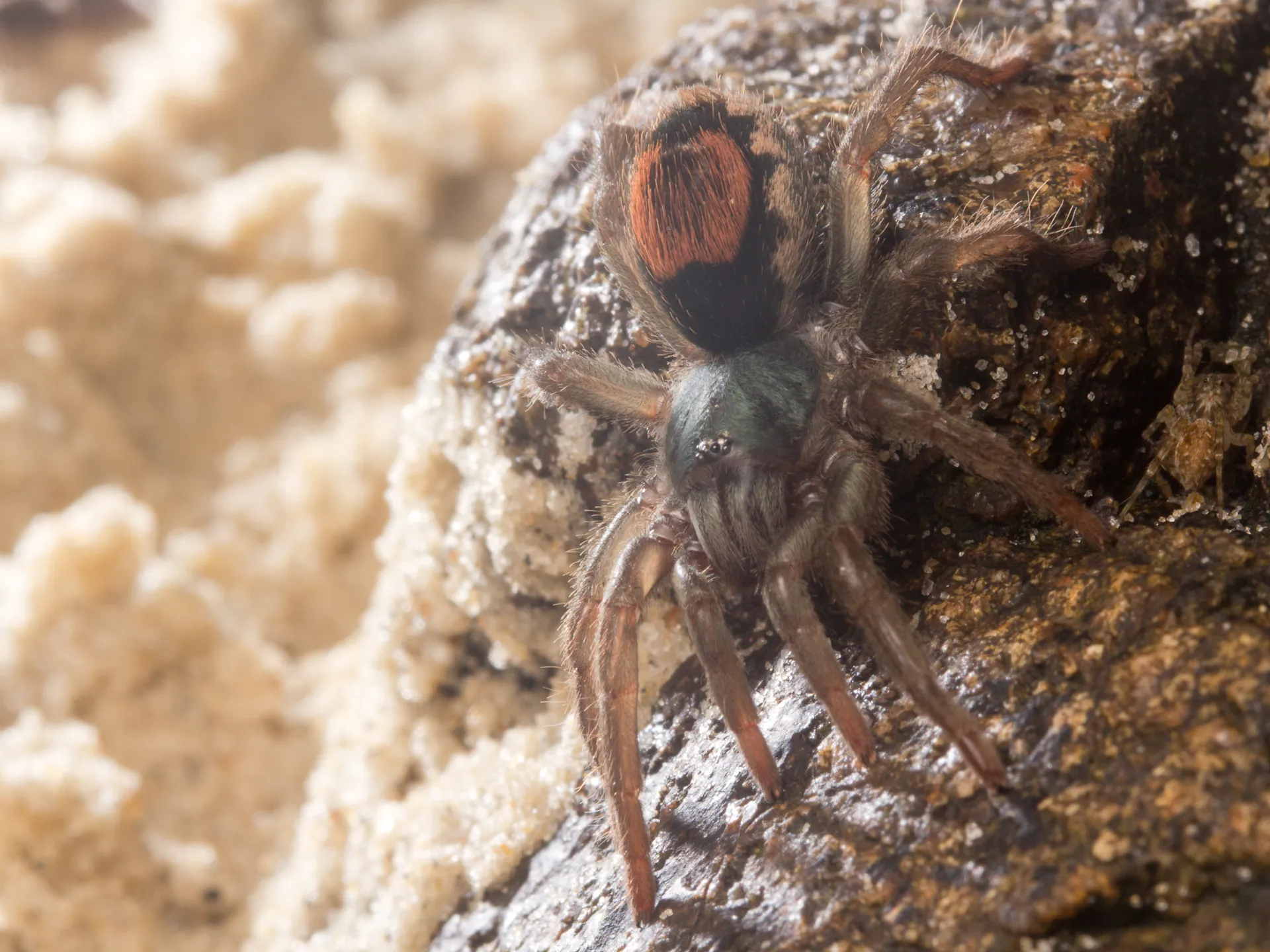
Tarantulas are easily recognizable due to their large size, hairy bodies, and eight long legs. They have two main body segments: the cephalothorax, which combines the head and chest, and the abdomen. Their bodies are covered in a dense layer of hairs, which serve various functions, including sensory perception and defense. These hairs can also be urticating, meaning they can cause irritation if they come into contact with skin. Tarantulas exhibit a wide range of colors and patterns, from the striking blue hues of the G. pulchra tarantula to the more subdued browns and blacks of other species. Their chelicerae, or fangs, are prominent and used for injecting venom into prey. The pedipalps, small leg-like appendages near the mouth, are used for manipulating food and sensory perception. These unique characteristics make tarantulas easily distinguishable and contribute to their captivating appearance. Understanding these features is crucial for appreciating their adaptations and survival strategies.
Size and Variety
The size of tarantulas varies significantly depending on the species. Some of the largest tarantulas, such as the Goliath birdeater (Theraphosa blondi), can have a leg span of over 12 inches, rivaling the size of a dinner plate. Other species are considerably smaller, with leg spans of only a few inches. This diversity in size reflects the wide range of habitats and prey that tarantulas occupy. There are over 900 different species of tarantulas, each with its own unique characteristics and adaptations. This rich diversity ensures that tarantulas are found in nearly every warm climate around the world, from the tropical rainforests of South America to the deserts of the southwestern United States. Each species has evolved to thrive in its specific environment, resulting in a fascinating array of sizes, colors, and behaviors. The size and variety of tarantulas highlight the adaptability and evolutionary success of these arachnids.
Habitat and Distribution
Tarantulas inhabit a diverse range of environments, primarily in tropical and subtropical regions around the globe. They are most commonly found in the Americas, Africa, Asia, and Australia. Their habitats include rainforests, grasslands, deserts, and even urban areas. They are adaptable creatures, capable of surviving in various conditions. The specific habitat of a tarantula species depends on factors such as temperature, humidity, and the availability of prey. Some tarantulas live in burrows they dig themselves, while others seek shelter under rocks, in logs, or among the roots of trees. The wide distribution and habitat diversity of tarantulas underscore their resilience and adaptability. Understanding their preferred environments is essential for conservation efforts and for appreciating their ecological roles.
Where Do Tarantulas Live

Tarantulas demonstrate a remarkable ability to adapt to a wide variety of habitats, which significantly contributes to their widespread distribution. In tropical rainforests, they often reside in burrows beneath the forest floor or in sheltered areas among the dense vegetation. Grasslands provide suitable environments for those species that prefer open spaces, using natural features for shelter and hunting. Deserts, though harsh, are home to tarantulas that have adapted to arid conditions, often burrowing deep to escape the heat. Even in urban settings, tarantulas may be found in gardens, parks, or other green spaces. These areas offer a source of prey and a degree of protection from the elements. The ability of tarantulas to live in so many different places highlights their adaptability and resilience, enabling them to thrive in diverse ecosystems around the world.
What Do They Eat
Tarantulas are primarily carnivorous predators, with their diet consisting mainly of insects, but also includes other animals depending on their size and the availability of prey. Crickets, cockroaches, and other insects make up a large portion of their meals, especially for younger tarantulas. As they grow, tarantulas may incorporate larger prey into their diet, such as small lizards, frogs, and even small mammals, like mice. Their hunting strategies and feeding habits are crucial for their survival, as they require a consistent supply of nutrients to grow, molt, and reproduce. The diet of a tarantula is also influenced by its habitat. For example, tarantulas living in forested areas might have access to a wider variety of prey compared to those in more arid environments. This adaptability in their feeding habits contributes to their overall success as predators.
Diet and Feeding Habits
Tarantulas use a combination of ambush and pursuit to capture their prey. They typically wait patiently, hidden in their burrows or under cover, until an unsuspecting insect or animal comes within striking distance. When prey is close enough, the tarantula pounces, using its powerful chelicerae to inject venom. This venom paralyzes the prey, allowing the spider to begin the digestive process. Tarantulas do not chew their food; instead, they inject digestive enzymes onto their prey, liquefying the tissues. They then suck up the resulting liquid meal, leaving behind the exoskeleton. The frequency of feeding varies depending on the tarantula’s age, size, and the availability of food. Juvenile tarantulas often eat several times a week, while adults may feed less frequently, sometimes only a few times a month. Their feeding habits are finely tuned to maximize energy intake and survival.
Their Hunting Techniques

Tarantulas have evolved sophisticated hunting techniques that are tailored to their environment and prey. Many species are ambush predators, relying on camouflage and patience to capture unsuspecting victims. They often lie in wait near the entrance of their burrows or under cover, sensing vibrations in the ground and air that signal the presence of prey. Other species actively pursue their food, using their speed and agility to capture fast-moving insects. Some tarantulas use their urticating hairs as a defense mechanism, flicking them at potential threats to cause irritation. This behavior, combined with their venomous bite, helps protect them from predators and allows them to secure their meals. Their hunting techniques reflect their adaptability and survival skills.
How Do They Hunt
Tarantulas use a range of sensory methods to detect and capture prey. Their bodies are covered in sensory hairs that detect vibrations, allowing them to sense the movement of potential meals nearby. They also have excellent vision, especially for detecting motion, which helps them to locate and track prey. When a potential meal is within striking distance, the tarantula swiftly moves in for the kill. The tarantula’s fangs are then used to inject venom, which immobilizes the prey. This venom contains neurotoxins that paralyze the victim. The tarantula then uses its mouthparts to begin the digestive process, liquefying the prey’s internal tissues. The spider then sucks up the resulting nutrient-rich fluids, leaving behind the exoskeleton. These hunting methods are finely tuned to maximize success and energy efficiency.
Tarantula Lifespan and Reproduction
Tarantulas exhibit a wide range of lifespans, with females generally living much longer than males. Female tarantulas can live for up to 30 years or more, depending on the species, while males typically live for only a few years after reaching maturity. This difference in lifespan is primarily due to the energy demands of reproduction. Reproduction in tarantulas involves a complex mating ritual, in which the male courts the female, often through a series of vibrations and displays. If the female accepts, the male deposits sperm onto a web and transfers it to the female using his pedipalps. The female then lays eggs, which she encloses in a silken egg sac. The young tarantulas, called spiderlings, hatch from the eggs and undergo a series of molts as they grow.
Mating and Egg Laying

Mating in tarantulas is a fascinating, yet often perilous, event. The males, who have reached sexual maturity, go in search of a mate, often traveling long distances. Before approaching a female, the male engages in a courtship ritual, which may involve drumming on the ground with his pedipalps or vibrating his body to attract the female’s attention. This behavior helps to prevent the female from seeing him as a meal. If the female is receptive, she allows the male to approach. The male then uses his pedipalps to transfer sperm to the female. After mating, the female lays her eggs, usually several hundred at a time, and encloses them in a silken egg sac. She fiercely protects the eggs until the spiderlings hatch.
Molting and Growth
Tarantulas, like all arthropods, grow by molting their exoskeleton. The exoskeleton does not grow, so the tarantula must shed it periodically and form a new, larger one. This process, known as molting, is essential for the tarantula’s growth and development. Before molting, the tarantula becomes inactive, constructing a safe space, and its body prepares for the process. The spider’s tissues begin to secrete a new exoskeleton underneath the old one. The old exoskeleton then splits open, usually along the back, and the tarantula emerges, its new body soft and vulnerable. The tarantula will then inflate itself with fluid to expand its new exoskeleton to its full size. Molting is a vulnerable time for tarantulas, as they are defenseless while their new exoskeleton hardens. This process is repeated throughout their lives, with the frequency decreasing as they reach maturity.
Tarantulas and Humans
Tarantulas interact with humans in various ways, from being subjects of scientific study to being popular pets. Their unique appearance and relatively docile nature make them appealing to many pet owners, with a wide variety of species available in the pet trade. However, it’s important for prospective owners to understand the specific needs of each species, including their habitat, diet, and potential health issues. Beyond pet ownership, tarantulas also play a crucial role in scientific research, particularly in the study of venom and its potential medicinal applications. Their venom contains a range of compounds that are being investigated for their therapeutic properties. Understanding the role of tarantulas in both the natural world and human society is crucial for their conservation and ensuring a harmonious coexistence.
Are Tarantulas Dangerous

Tarantulas are often portrayed as dangerous creatures in popular culture, but they are generally not considered aggressive towards humans. While they possess fangs and venom, their bite is typically not life-threatening to humans. The venom of most tarantulas is similar to a bee sting, causing localized pain, swelling, and redness. However, some individuals may experience allergic reactions. The primary defense mechanism of tarantulas is their urticating hairs, which can cause significant skin irritation if they come into contact with human skin. They will flick these hairs at a perceived threat. Despite their intimidating appearance, tarantulas usually prefer to avoid confrontation and will only bite if they feel threatened or are provoked. It’s essential to handle tarantulas with care and respect, minimizing the risk of being bitten or exposed to their urticating hairs.
Keeping Tarantulas as Pets
Keeping tarantulas as pets has grown in popularity, with many people finding them fascinating and relatively easy to care for. However, responsible pet ownership requires a thorough understanding of the specific needs of the species. Tarantulas need a suitable enclosure that provides appropriate temperature, humidity, and ventilation. The enclosure should also include substrate, such as coconut fiber or peat moss, to mimic their natural habitat. They should be fed a diet of insects, such as crickets and mealworms, supplemented with fresh water. Handling should be kept to a minimum, as tarantulas can be easily stressed. Regular cleaning of the enclosure and monitoring the tarantula’s health are also crucial for their well-being. By following these guidelines, pet owners can provide a safe and comfortable environment for their tarantulas, allowing them to thrive and providing an enriching experience for the owners.
Conservation and Threats
Many tarantula species face threats from habitat loss, deforestation, and the illegal pet trade. As their natural habitats are destroyed for agriculture, development, or other purposes, tarantulas lose their homes and are forced to adapt to changing conditions or face extinction. The demand for tarantulas in the pet trade also poses a significant threat, as wild-caught tarantulas are often taken from their natural habitats, leading to population declines. Climate change can also play a role in threatening the survival of these species, as changes in temperature and rainfall can impact their survival. Conservation efforts are essential to protect tarantulas and their habitats. This involves habitat preservation, sustainable pet trade practices, and raising public awareness about the importance of these fascinating creatures.
Common Predators

Tarantulas, despite their size and defenses, have several natural predators that threaten their survival. Larger animals, such as birds of prey, snakes, and lizards, hunt tarantulas. These predators have developed various strategies to capture and consume these arachnids. Birds, for example, often swoop down to snatch tarantulas from the ground. Snakes may burrow into tarantula burrows to ambush them. Lizards can also be quick enough to catch them. Another significant predator is the tarantula hawk wasp, a parasitic wasp that paralyzes tarantulas with its sting and then lays eggs on the spider’s body. The wasp larvae then feed on the paralyzed tarantula, eventually killing it. Understanding these predators helps to understand the balance within the tarantula’s ecosystem and the challenges they face in surviving.