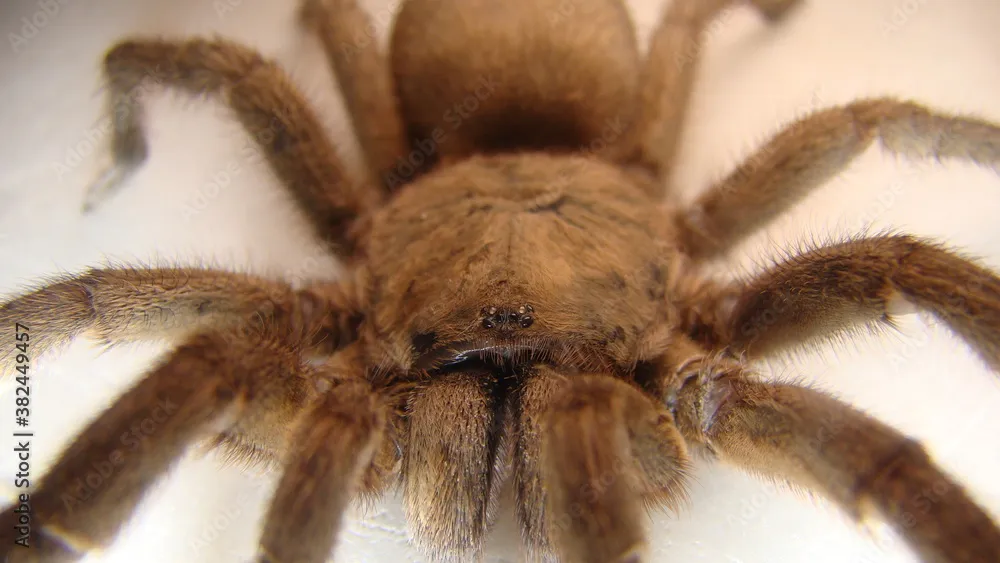
Spider Tarantula Lifespan Overview
The world of arachnids is full of fascinating creatures, and the spider tarantula stands out as one of the most captivating. One of the most common questions about these impressive spiders is regarding their lifespan. Unlike many other arachnids, tarantulas can live for a surprisingly long time, with some species even outliving common household pets. Understanding the spider tarantula lifespan involves recognizing the variations between different species, their genders, and the environmental factors that influence their longevity. This overview will delve into the general lifespan of these creatures, setting the stage for a deeper exploration of the factors that determine how long a tarantula will grace the earth.
Factors Influencing Spider Tarantula Lifespan
Several factors significantly impact the spider tarantula lifespan. These include genetics, the environment, and the overall care they receive. Genetics play a crucial role, as some tarantula species are inherently longer-lived than others. For instance, certain New World tarantulas are known for their extended lifespans compared to their Old World counterparts. The environment in which a tarantula lives, whether in the wild or captivity, is another critical element. In the wild, predators, the availability of food, and exposure to harsh weather conditions can shorten a tarantula’s lifespan. Captive tarantulas, on the other hand, have the advantage of a controlled environment, proper nutrition, and protection from harm, potentially extending their lifespan. Proper care, including appropriate housing, temperature, humidity, and a balanced diet, is essential for the well-being and longevity of a pet tarantula.
Male Spider Tarantula Lifespan

When it comes to the spider tarantula lifespan, there’s a significant difference between males and females. Male tarantulas typically have a much shorter lifespan than their female counterparts. After reaching maturity, which can take several years depending on the species, male tarantulas often live for only a few months to a couple of years. The primary reason for this disparity is their role in reproduction. Once a male tarantula reaches maturity, its primary focus shifts to finding a mate. After mating, the male’s lifespan is often considerably reduced, as their bodies undergo physiological changes and they may become vulnerable to predation or other dangers. This shorter lifespan is a natural part of their life cycle, ensuring the continuation of the species. The male’s existence is geared toward reproduction, and once that is accomplished, their role is often complete.
Female Spider Tarantula Lifespan
Female spider tarantulas, in stark contrast to males, have a remarkably long lifespan. Depending on the species, female tarantulas can live for up to 20 to 30 years, and sometimes even longer. This extended lifespan is a result of their role in reproduction and the slower pace of their biological processes. The female’s primary role is to lay eggs and protect them, which requires a longer period of survival. Their bodies are designed to endure for many years, allowing them to successfully reproduce multiple times throughout their lives. The longevity of female tarantulas is one of the most fascinating aspects of their biology, making them popular pets for those who appreciate a long-term commitment. The female’s ability to live for several decades also provides ample opportunities for observation and study, contributing to our understanding of these amazing creatures.
Spider Tarantula Lifespan Record Holders
While the average spider tarantula lifespan varies, certain individuals have broken the mold, setting impressive records. The oldest recorded tarantula was a female, living well into her 40s. This extraordinary feat highlights the potential longevity of these creatures when provided with optimal care and living conditions. Specific species are also known for their long lifespans. Certain New World tarantulas, such as the Grammostola genus, are renowned for their ability to live for many years, often exceeding 20 years in captivity. These record-breaking spiders provide valuable insights into tarantula biology and the factors that contribute to their remarkable longevity. The study of these record holders helps researchers understand the limits of the spider tarantula lifespan and the conditions that promote such extended lives.
Impact of Environment on Spider Tarantula Lifespan

The environment plays a crucial role in determining the spider tarantula lifespan, both in the wild and in captivity. In the wild, tarantulas face numerous environmental challenges. Predators such as birds, snakes, and other arachnids pose a constant threat. The availability of food, including insects and small animals, can vary depending on the season and habitat. Harsh weather conditions, such as droughts or floods, can also impact their survival. In captivity, the environment is much more controlled, offering several advantages. Captive tarantulas are protected from predators and have access to a consistent food supply. Maintaining the appropriate temperature and humidity levels is essential for their well-being. Providing a suitable substrate and hiding places can also reduce stress and promote longevity. The environment’s impact underscores the importance of responsible pet ownership and creating optimal living conditions for tarantulas.
How to Extend a Spider Tarantula’s Lifespan
For those who keep spider tarantulas as pets, there are several steps you can take to extend their lifespan and ensure they live a long, healthy life. Providing a spacious enclosure with appropriate substrate and hiding places is the first step. This allows the tarantula to feel secure and reduces stress. Maintaining the correct temperature and humidity levels is also critical, as these factors directly impact their health. A balanced diet, consisting of appropriately sized insects, is essential for proper nutrition. Avoid overfeeding, which can lead to health problems. Regular monitoring for any signs of illness or distress is important. If you notice any unusual behavior, consult a veterinarian experienced in exotic animals. Proper handling, avoiding unnecessary stress, and providing a clean environment are also important. By following these guidelines, you can significantly improve the chances of your tarantula living a long and fulfilling life.
Spider Tarantula Lifespan Myths vs Facts
There are several myths surrounding the spider tarantula lifespan that need to be debunked to provide an accurate understanding. One common myth is that all tarantulas live for a very long time, which is only partially true, as it mainly applies to females. Another myth is that tarantulas are aggressive and dangerous, which is often exaggerated. In reality, tarantulas are generally docile and prefer to avoid confrontation. It’s also a myth that all tarantulas require the same care. Different species have different needs, so it is crucial to research the specific requirements of the tarantula you own. The fact is that proper care and understanding of the spider tarantula lifespan can significantly impact their well-being. Dispelling these myths will promote responsible pet ownership and appreciation for these fascinating creatures.