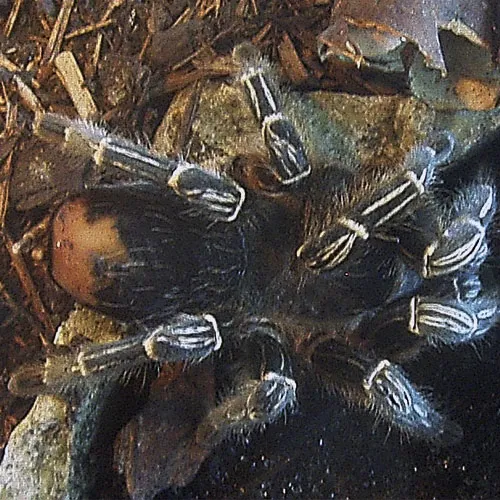
Striped Knee Tarantula Care Tips
The Striped Knee Tarantula, scientifically known as Aphonopelma seemanni, is a captivating and relatively docile species, making it a popular choice for tarantula enthusiasts. Providing proper care is essential for their well-being and longevity. This guide provides the top 5 care tips to ensure your Striped Knee Tarantula thrives in its captive environment, covering essential aspects such as enclosure setup, temperature and humidity, feeding, hydration, handling, and cleaning. Proper care ensures you can enjoy the beauty and fascinating behaviors of your striped knee tarantula for many years to come. Understanding these needs will allow you to provide the best possible environment for your eight-legged friend, keeping it healthy and happy.
Proper Enclosure Setup
Setting up the right enclosure is the cornerstone of Striped Knee Tarantula care. A well-designed habitat provides a safe, comfortable, and enriching environment. The enclosure should mimic the tarantula’s natural habitat as closely as possible to reduce stress and promote healthy behaviors. Always make sure that the enclosure is secure, as tarantulas are excellent escape artists. Proper ventilation is also crucial to prevent the build-up of harmful gases and to regulate humidity levels. The size and material of the enclosure will contribute to the overall well-being of your Striped Knee Tarantula.
Choosing the Right Tank Size

Tank size depends on the size of your tarantula. As a general rule, a juvenile Striped Knee Tarantula can thrive in a 5-10 gallon tank. As it grows, you’ll need to upgrade the enclosure. A fully grown adult Striped Knee Tarantula typically needs a 10-20 gallon tank, depending on the size of the individual spider. The tank should be wider than it is tall because these tarantulas are terrestrial and don’t climb much. Overly large enclosures can make it difficult for the tarantula to find its food and feel secure. Ensure the tank has a secure lid to prevent escape and maintain the necessary humidity levels. Remember to consider the future growth of your tarantula when choosing the initial tank size.
Substrate Selection
The substrate is the bottom layer of the enclosure and plays a vital role in maintaining humidity, providing a burrowing environment, and offering a comfortable surface for your tarantula. A good substrate should retain moisture without becoming waterlogged. The most suitable substrate options include a mixture of coco fiber, peat moss, and vermiculite. These materials hold moisture well and allow the tarantula to burrow. Avoid substrates with sharp edges or chemicals that could harm your tarantula. The substrate layer should be at least 2-4 inches deep to allow for burrowing and to help maintain humidity. Regularly monitor and replace the substrate to prevent the build-up of waste and mold, every 6-12 months depending on the size of the enclosure and tarantula.
Temperature and Humidity Control
Temperature and humidity are critical factors in the health and well-being of your Striped Knee Tarantula. These conditions closely mimic their natural environment, allowing them to thrive. Incorrect temperature or humidity levels can lead to health problems. Monitoring and adjusting both are crucial for ensuring your pet’s comfort and survival. Providing the proper environment will help your tarantula molt successfully and remain active and healthy. Regular monitoring with a thermometer and hygrometer is essential for maintaining the correct conditions.
Maintaining Ideal Temperatures

Striped Knee Tarantulas thrive in temperatures between 75°F and 85°F (24°C to 29°C). Use a thermometer to monitor the temperature inside the enclosure. You can use a heat mat on the side of the enclosure to provide gentle heat. Avoid placing the heat mat directly under the enclosure, as this can cause the substrate to dry out too quickly. Never use a heat lamp, as this can overheat the enclosure and dry out your tarantula. Ensure that there’s a temperature gradient, with one side of the enclosure slightly warmer than the other, allowing the tarantula to regulate its body temperature. Regularly check the thermometer to make sure the temperature remains consistent.
Controlling Humidity Levels
Humidity is crucial for molting and overall health. The ideal humidity level for Striped Knee Tarantulas is between 60% and 70%. Use a hygrometer to monitor the humidity level. To increase humidity, mist the enclosure with dechlorinated water, but avoid over-misting, which can lead to mold growth. The substrate’s moisture level is also key to maintaining humidity; keep it slightly damp but not waterlogged. Good ventilation is necessary to prevent mold and maintain the correct humidity levels. Adjust the amount of ventilation and misting based on the readings from your hygrometer. Providing a water dish also contributes to maintaining proper humidity.
Feeding Your Tarantula
A proper diet is essential for the growth, health, and well-being of your Striped Knee Tarantula. Providing nutritious food in the appropriate quantities will contribute significantly to your pet’s longevity. Understanding what to feed and how often is crucial to ensuring your tarantula thrives. This includes selecting appropriate prey items, understanding how often to feed, and ensuring that your tarantula has access to fresh water. The tarantula’s feeding habits also vary depending on its life stage. Regularly observe your tarantula’s feeding behavior to make adjustments as needed.
Appropriate Food Choices

Striped Knee Tarantulas are insectivores, so their diet should consist primarily of insects. Crickets, mealworms, and roaches are excellent choices. Ensure the insects are gut-loaded before feeding them to your tarantula. Gut-loading involves feeding the insects nutritious food, which will, in turn, provide more nutrients to your tarantula. Avoid feeding wild-caught insects, as they may carry parasites or pesticides. The size of the prey should be appropriate for the size of your tarantula; the general rule is to provide insects that are no larger than the tarantula’s body. Variety is key; offering a mix of insects can help ensure a balanced diet for your tarantula. Always remove uneaten prey within 24 hours to prevent stress and potential injury to your tarantula.
Feeding Frequency
The feeding frequency depends on the tarantula’s age and size. Spiderlings should be fed every other day, while juveniles can be fed 2-3 times a week. Adult Striped Knee Tarantulas typically need to be fed once a week. Observe your tarantula’s behavior and adjust the feeding schedule accordingly. A tarantula that refuses food might be preparing to molt or may simply not be hungry. Avoid overfeeding, as this can lead to obesity and health problems. During molting, the tarantula will refuse food, so do not be alarmed; remove any live prey. After molting, wait a few days before offering food, allowing the tarantula’s fangs and exoskeleton to harden.
Water and Hydration
Water is essential for Striped Knee Tarantulas, as it aids in hydration and facilitates the molting process. Providing a clean and accessible water source is crucial for their health. The tarantula’s water needs are not as demanding as other aspects of care, but water availability remains a critical factor. Monitoring and maintaining the water source ensures that your tarantula stays hydrated and can molt successfully. Both a water dish and misting are important to keep a constant water source available.
Providing a Water Dish

Always provide a shallow water dish in the enclosure. The dish should be shallow enough to prevent drowning. Use a non-toxic material for the water dish, such as a small, shallow ceramic dish or a bottle cap. Fill the water dish with fresh, dechlorinated water. Change the water in the dish regularly, ideally every 1-2 days, to prevent the growth of bacteria and maintain cleanliness. Regularly cleaning the water dish is a critical aspect of overall tarantula care. A clean water source is essential for maintaining your tarantula’s health and hydration.
Misting and Hydration
Misting the enclosure can supplement the water dish and help maintain humidity levels. Mist the enclosure with dechlorinated water, being careful not to over-mist, which can cause mold growth. Misting is especially helpful during molting, as it helps the tarantula to shed its exoskeleton. The frequency of misting will depend on the humidity levels in the enclosure. Observe the enclosure and adjust the frequency of misting as needed. Avoid spraying the tarantula directly, as this can stress it. A light misting once or twice a week is generally sufficient to maintain adequate humidity levels. Always monitor the substrate and the tarantula’s behavior to ensure proper hydration.
Handling and Interaction
Handling Striped Knee Tarantulas is generally discouraged, especially for beginners, as it can cause stress to the spider and potentially lead to injury. However, if handling is necessary, doing it safely is paramount. Understanding the tarantula’s behavior and being aware of potential risks is essential. Always approach handling with caution and respect for the tarantula. Remember that tarantulas can bite, and while their venom is not typically dangerous to humans, a bite can be painful. Handling should only be done when absolutely necessary and with a clear understanding of the risks involved.
Minimizing Stress During Handling

If you must handle your tarantula, do so with great care and minimal stress. Approach the tarantula slowly and gently. Avoid sudden movements or loud noises. Use a soft brush or a large cup to gently guide the tarantula. Always handle the tarantula over a soft surface, such as a bed or a carpet, to prevent injury if it falls. Never grab the tarantula; let it walk onto your hand. Wash your hands thoroughly before and after handling to prevent transferring any substances. Keep handling sessions brief to minimize stress, and always return the tarantula to its enclosure promptly.
Recognizing Signs of Stress
Tarantulas exhibit various behaviors when stressed. It’s essential to recognize these signs to minimize their stress. A stressed tarantula might flick hairs from its abdomen (this is a defense mechanism), curl up into a defensive position, or refuse food. Rapid movements, such as running away or trying to hide, also indicate stress. A tarantula may also exhibit defensive postures, such as rearing up or showing its fangs. If you observe any of these signs, immediately stop handling and allow the tarantula to return to its enclosure. Providing a safe and secure environment is essential to keeping your tarantula happy and healthy. Observing the tarantula’s behavior is key to recognizing stress.
Regular Cleaning and Maintenance
Regular cleaning and maintenance of the enclosure are crucial for the health and well-being of your Striped Knee Tarantula. This involves removing waste, uneaten food, and old substrate to maintain a clean and healthy environment. A clean environment reduces the risk of disease and promotes a comfortable living space for your tarantula. Implementing a regular cleaning schedule is key to successful tarantula care. A well-maintained enclosure will contribute significantly to your tarantula’s longevity and happiness. Consistent maintenance ensures that the enclosure remains a healthy habitat.
Removing Uneaten Food and Debris

Remove any uneaten food and other debris from the enclosure within 24 hours of feeding. Uneaten food can attract mites, mold, and other unwanted pests, which can harm your tarantula. Use tongs or tweezers to remove the remains of insects. Regularly inspect the enclosure for any signs of waste or debris. Remove any molted exoskeletons as soon as you notice them, as they can harbor bacteria and pests. Keeping the enclosure clean and free of waste is essential for preventing health issues.
Partial Enclosure Cleaning
A partial cleaning of the enclosure should be performed periodically, such as every 1-3 months, depending on the size of the enclosure and the amount of waste produced. This involves removing the top layer of the substrate and replacing it with fresh substrate. Spot-clean the enclosure regularly to remove any visible waste. Avoid disturbing the tarantula too much during cleaning. Be careful not to damage any of the tarantula’s burrow systems. A complete substrate change should be done every 6-12 months, depending on the enclosure size, to maintain a clean and healthy environment. Regular cleaning is a vital part of tarantula care and contributes to your pet’s long-term well-being.
Conclusion
Caring for a Striped Knee Tarantula is a rewarding experience, providing a unique opportunity to observe the fascinating behavior of these creatures. By following these top 5 care tips, you can ensure that your tarantula lives a long, healthy, and fulfilling life. Remember that consistency and attention to detail are key. Regularly monitor your tarantula’s environment, feeding habits, and overall behavior. Provide the correct enclosure, maintain proper temperature and humidity, feed your tarantula appropriately, offer fresh water, minimize handling, and maintain a clean habitat. With proper care, your Striped Knee Tarantula will thrive, and you will have a captivating pet to enjoy for many years. Enjoy the experience of being a responsible tarantula owner and the unique joy they bring.