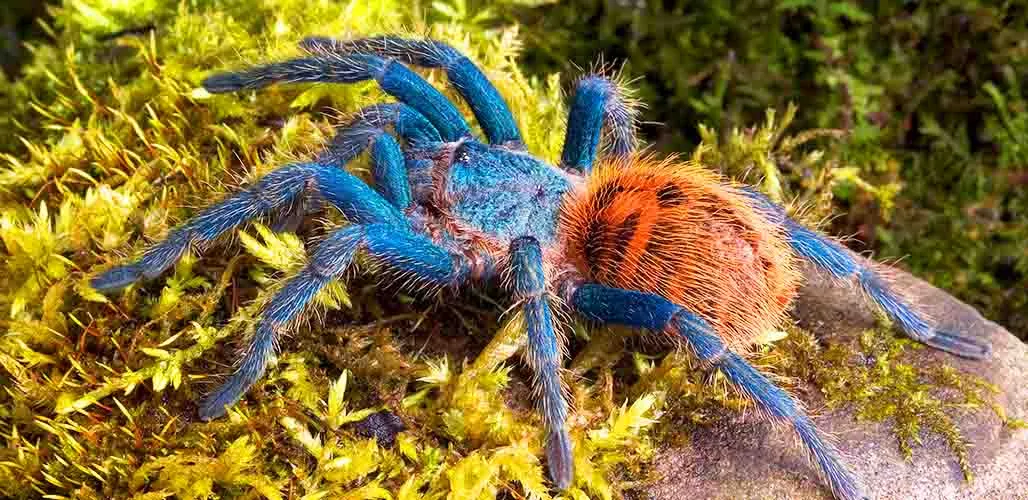
Understanding Tarantula Tank Size Importance
Choosing the right tank size is crucial for the health and well-being of your green bottle blue tarantula (GBB). An appropriately sized enclosure provides the necessary space for movement, hunting, and molting. A tank that is too small can lead to stress, inhibiting natural behaviors and potentially shortening the tarantula’s lifespan. Conversely, a tank that is too large can make it difficult for the tarantula to find food or feel secure, also contributing to stress. Considering that tarantulas are sensitive creatures, the correct tank size is one of the most fundamental aspects of tarantula care. This factor is often overlooked, but it is essential in keeping your tarantula thriving in captivity. The aim is to replicate the natural habitat to the extent possible while providing for the tarantula’s needs.
Tarantula Species and Tank Size Requirements
Different tarantula species have varying needs when it comes to tank size. Some species are terrestrial, spending most of their time on the ground, while others are arboreal, preferring to live in trees or elevated areas. Some tarantulas are burrowers, and the tank setup must accommodate their digging habits. These behavioral differences dictate the appropriate dimensions of the enclosure. For example, a terrestrial tarantula will need a tank with more floor space, whereas an arboreal species will require height to facilitate climbing and web-building.
Terrestrial Tarantulas

Terrestrial tarantulas, such as the GBB, typically require a tank that is wider than it is tall. The tank’s width should be at least two to three times the leg span of the tarantula, allowing it ample space to move around. The height of the tank doesn’t need to be as significant, but it should be sufficient for a few inches of substrate and still allow the tarantula to stand upright. The substrate provides the terrestrial species with a surface to walk and build their home. The size of the tank needs to consider the adult size of the tarantula, as they can grow to a considerable size, and a cramped environment is not suitable for a happy or healthy tarantula. The design of the tank should be centered around the terrestrial nature of the species.
Arboreal Tarantulas
Arboreal tarantulas, on the other hand, need a taller tank. The height should be at least twice the tarantula’s leg span, providing space for climbing and webbing. While the width is still important, it isn’t as critical as with terrestrial species. Branches, cork bark, or other climbing structures should be added to the enclosure to give the tarantula options to explore and a suitable environment to facilitate web-building and comfortable living. They may not use all of the vertical space immediately, but it’s essential for their natural behaviors. A secure lid is crucial for arboreal species since they are excellent climbers and could escape from an unsecured enclosure.
Burrowing Tarantulas
Burrowing tarantulas require a tank with a deep substrate layer, at least twice the length of the tarantula, to allow for burrowing behavior. The surface area of the tank does not need to be as large as with terrestrial tarantulas, but the depth is crucial. The burrow provides shelter and security for the tarantula. The tank design should focus on allowing the spider to create a safe burrow environment where it can retreat and hide. Proper substrate and consistent moisture content are vital for burrowing tarantulas to thrive in captivity. The tank setup needs to allow for the construction of a robust and structurally sound burrow.
Tarantula Size and Growth

Young tarantulas need smaller enclosures, which should be gradually increased as they grow. This ensures the spider doesn’t feel overwhelmed in a massive space, and they are better at finding food. A juvenile tarantula should be moved to a larger enclosure when its leg span is about half the width of the current tank. The tank size should be adjusted with each molt, until the tarantula reaches its adult size. Planning for growth is an essential component of providing proper housing. Always anticipate the full size of the species and ensure you have a tank that will comfortably accommodate the mature spider.
How to measure Your Tarantula
Measuring a tarantula involves assessing its leg span. Gently encourage the tarantula to extend its legs, then measure the distance between the tips of the front leg on one side to the tips of the back leg on the other side. This measurement determines the size of the tarantula, which dictates the required tank size. The measurement should be done with care, as tarantulas are delicate creatures, and proper handling is necessary. Use soft tools or simply estimate the size visually while avoiding any unnecessary stress on the spider. Proper measurement helps to provide an accurate basis for selecting the appropriate enclosure.
Tank Size Based on Tarantula Size
As a general guide, consider a tank that is at least three times the leg span of the tarantula in width for terrestrial species. Arboreal species can thrive in a tank that is at least twice the leg span in height. For burrowing tarantulas, the depth of the substrate should be twice the leg span. These guidelines serve as starting points, and adjustments may be needed depending on the specific species. Always monitor the tarantula’s behavior to gauge its comfort level in the enclosure. As the tarantula grows, the tank size will need to be adjusted again to continue to cater to its requirements.
Ventilation and Tank Size Considerations

Proper ventilation is a critical factor in maintaining a healthy environment for your tarantula. Poor ventilation can lead to the buildup of harmful gases, such as ammonia, and increase the risk of mold and fungal growth within the enclosure. The right ventilation system will ensure that fresh air circulates through the tank, preventing the buildup of stale air and maintaining the necessary humidity levels. Ventilation works hand-in-hand with the tank size because a small enclosure with poor airflow will quickly become unsuitable for the tarantula.
Importance of Proper Ventilation
Ventilation is essential for several reasons. It prevents mold and mildew growth, which can be harmful to tarantulas. It removes excess humidity, preventing respiratory issues, and ensures the tarantula can breathe comfortably. Proper ventilation also helps regulate the temperature, preventing overheating. Furthermore, it helps to control the spread of bacteria and the buildup of waste-related gases. Proper ventilation is one of the most important components of tank setup and can have a significant influence on the tarantula’s health and overall well-being.
Types of Ventilation Systems
There are various ventilation systems for tarantula enclosures, and the best choice depends on the tank type and the species being housed. Common types include cross-ventilation (holes on opposite sides of the tank), top ventilation (mesh lids), and sometimes ventilation fans for larger setups or species that require very specific humidity levels. The key is to ensure there is a flow of air, preventing stagnant conditions. Ensure that the ventilation system does not create drafts, which could be stressful to the tarantula. The right ventilation system will strike the right balance between allowing air circulation and maintaining the required humidity.
Substrate and Tank Size Impact

The substrate is the material at the bottom of the tank that provides a surface for the tarantula to walk on, burrow in, and create its home. The type and depth of substrate should correspond to the species and its natural behaviors. The substrate helps regulate humidity, provides a hiding place, and contributes to the overall aesthetics of the enclosure. Choosing the correct substrate is crucial to a healthy environment, but it also impacts the overall size of the tank. The depth of the substrate needed determines the vertical space required. The substrate adds essential components for the environment.
Substrate Depth for Different Tarantula Types
Terrestrial tarantulas typically need a substrate depth of two to four inches to allow for burrowing and hiding. Arboreal species require less substrate, but enough to maintain humidity. Burrowing species, however, require the deepest substrate, often equal to or exceeding the length of the tarantula. The correct depth provides the tarantula with security and facilitates natural behaviors. Adjust the substrate depth based on the species requirements. If you are unsure about the correct depth, research the species in detail, and err on the side of offering more substrate to allow the tarantula to express its natural behaviors fully.
Substrate Material Choices
The most common substrate materials include coconut fiber (coir), peat moss, vermiculite, and a mix of these. Coconut fiber holds humidity well and is suitable for most species. Peat moss provides a similar function, but can sometimes lower the pH of the tank. Vermiculite is helpful for maintaining humidity. Avoid substrates such as sand, as they can be too abrasive and may cause injury. Always choose a substrate that is safe, non-toxic, and capable of maintaining the required humidity levels for the tarantula. You can use various combinations of the materials, but be sure to select the right combination to help with your tank design.
Enrichment and Tank Size for Tarantulas

Enrichment refers to providing environmental elements that encourage natural behaviors, which are critical for the tarantula’s mental and physical health. The size of the tank should allow for the incorporation of enrichment items without overcrowding the tarantula. Enrichment includes things like hiding places, climbing structures, and plants. A larger tank often allows for more enrichment options. The inclusion of enrichment can significantly improve the quality of life for your tarantula.
Essential Tank Decor
Essential decor includes a hide (e.g., a piece of cork bark or a half-log), a water dish, and, for some species, climbing branches. The hide provides security, and the water dish provides access to fresh water. Ensure that any decor items are stable and cannot fall on the tarantula. The decor also provides the tarantula with a more interesting environment to explore. For arboreal species, branches or artificial plants provide opportunities for climbing and web-building, satisfying their natural instincts. Always prioritize the safety and comfort of the tarantula when adding decor to the enclosure.
Space for Movement and Exploration
The tank size should allow sufficient space for the tarantula to move around and explore its environment. The tarantula should be able to walk, hunt, and molt without being restricted. The enclosure should not be so cluttered that the tarantula can’t easily navigate. A well-designed enclosure provides a stimulating environment, which promotes the tarantula’s physical and psychological well-being. Consider the tarantula’s size and activity level when determining the amount of available space. This allows the tarantula to act as it would in the wild.
Maintaining Humidity in the Tank

Maintaining the appropriate humidity level is a critical part of tarantula care. Humidity impacts the tarantula’s ability to molt successfully and breathe correctly. Proper humidity levels vary by species, but most tarantulas require some level of moisture in their environment. The humidity should be high enough to promote healthy molting. This ensures that the tarantula does not have difficulty shedding its exoskeleton. Regular monitoring of the humidity levels and adjustment of the setup are required to keep the tarantula healthy.
Methods to Maintain Humidity
Several methods can maintain humidity, including misting the enclosure with water, using a water dish, and ensuring the substrate is properly moistened. The frequency of misting depends on the species and the ventilation of the enclosure. Covering part of the ventilation with tape or other material can also help to retain moisture. Always monitor the humidity levels with a hygrometer. This will help you determine the level of humidity in the environment. The right combination of these methods will help create a suitable, humid environment.
Humidity Levels for Different Tarantula Species
Different tarantula species require varying humidity levels. Tropical species generally require higher humidity levels (70-80%), while more arid species need lower humidity (50-60%). Research the specific requirements of your tarantula species. Use a hygrometer to monitor the humidity levels, making adjustments as needed. Misting frequency and ventilation adjustments are the most common tools to control humidity. Always create an environment that mimics the tarantula’s natural habitat to guarantee that it lives comfortably.
Conclusion
Choosing the right tank size is one of the most important factors in keeping a healthy and happy green bottle blue tarantula. Consider the species, size, and behavior of the tarantula. Proper ventilation, appropriate substrate, and enrichment elements are also essential components of the enclosure. By paying close attention to these factors, you can provide a safe and stimulating environment. It allows your tarantula to thrive and exhibit its natural behaviors. Remember to do thorough research on the needs of your particular species and to provide them with the best possible care.