What is a Tarantula and its Anatomy
Tarantulas, belonging to the Theraphosidae family, are large, hairy spiders known for their impressive size and, in some cases, striking colors. Understanding their anatomy is key to appreciating these fascinating creatures. Their anatomy is a complex arrangement of specialized parts that enable them to thrive in diverse environments. Studying tarantula anatomy isn’t just for entomologists; it’s a gateway to understanding the broader world of arachnids and the intricate designs of nature. When we study tarantula anatomy, we discover how these animals are built, how they function, and how they have adapted to their specific environments. This guide is designed to help you get started, providing a clear, step-by-step approach to learning about these amazing spiders.
Body Regions of a Tarantula
Like all arachnids, a tarantula’s body is divided into two main parts: the cephalothorax and the abdomen. The cephalothorax, also known as the prosoma, is essentially the tarantula’s head and chest fused together. It houses the spider’s brain, eyes, mouthparts, and legs. The abdomen, or opisthosoma, is the posterior section of the body and contains the digestive system, heart, reproductive organs, and book lungs. Understanding these two main regions and their respective parts is fundamental to comprehending the overall anatomy of a tarantula. Each section houses vital organs and structures critical for survival, making it important to study these components separately and together to grasp their purpose.
The Cephalothorax Region

The cephalothorax is where the tarantula’s primary functions are carried out. This region is protected by a hard exoskeleton, which provides both support and protection. The cephalothorax contains the tarantula’s eyes, which, although not the primary means of sight, help it detect movement and light. The chelicerae, or mouthparts, are also located on the cephalothorax and are used for grasping and injecting venom into prey. The pedipalps, resembling small legs, are also attached to the cephalothorax and are used for sensing, manipulating food, and, in the case of males, for mating. The eight legs are firmly attached to the cephalothorax, providing the tarantula with mobility across various terrains. The overall structure of the cephalothorax is built to withstand the forces of its environment and the tasks it must perform, showcasing the spider’s evolutionary adaptation.
The Abdomen Region
The abdomen is the posterior section of the tarantula’s body, and it houses vital internal organs. This section is also protected by the exoskeleton, though it is generally more flexible compared to the cephalothorax. The abdomen contains the heart, which pumps hemolymph (the spider’s blood) throughout its body, and the digestive system, which breaks down food. The book lungs, essential for respiration, are also found here. The abdomen is also where the reproductive organs are located, as well as the spinnerets, which are used to produce silk. The abdomen’s primary job is to manage the internal processes that keep the tarantula alive and to manage the creation of new life and the capture of prey, making it a crucial part of the spider’s anatomy.
Understanding the Exoskeleton
The exoskeleton is a hard, protective outer layer made primarily of chitin, a tough, flexible substance. It acts as a barrier against predators, environmental hazards, and water loss. Unlike mammals, tarantulas do not have an internal skeleton; their exoskeleton provides the structural support they need. This rigid structure necessitates a molting process, where the tarantula sheds its old exoskeleton to grow larger. This process leaves the spider vulnerable but is essential for its survival. The exoskeleton also provides attachment points for muscles, which enables movement. The exoskeleton’s color and patterns often serve as camouflage, providing additional protection from predators.
What is the purpose of the Exoskeleton?

The exoskeleton serves multiple critical functions for a tarantula. First and foremost, it provides physical protection from predators and environmental elements such as desiccation and injury. It acts as a robust barrier, shielding the soft internal organs of the tarantula. Secondly, the exoskeleton provides structural support, allowing the tarantula to move and function efficiently. The exoskeleton also offers attachment points for muscles, which are critical for movement and other functions. The exoskeleton also acts as a sensory structure, providing the tarantula with information about its environment. Special sensory hairs and structures are embedded in the exoskeleton, giving the spider information on touch, vibrations, and other stimuli. The exoskeleton is, therefore, a multi-functional structure critical to the tarantula’s survival.
The Function of Book Lungs
Book lungs are the respiratory organs of tarantulas, and they are essential for gas exchange. These structures are located in the abdomen and consist of thin, stacked plates resembling the pages of a book. These plates are highly vascularized, allowing for efficient absorption of oxygen from the air and the release of carbon dioxide. The design maximizes the surface area available for gas exchange. The movement of hemolymph through the book lungs facilitates this process. Unlike humans, tarantulas do not have lungs similar to our own; instead, they use these unique structures to respire. Book lungs are a critical adaptation, enabling tarantulas to thrive in diverse habitats. They exemplify how the tarantula has evolved its breathing mechanism to survive.
The Role of Spinnerets
Spinnerets are silk-producing organs located at the posterior end of the abdomen. Tarantulas use silk for various purposes, including constructing burrows, creating draglines for safety, and, most importantly, for wrapping prey. Each spinneret has numerous spigots, each producing a different type of silk. The silk’s properties can vary, from sticky to strong, depending on its intended use. The spinnerets are controlled by muscles, allowing the tarantula to precisely control the amount and direction of silk production. The silk itself is a remarkable natural material, both incredibly strong and flexible. Understanding the spinnerets and silk production provides insight into the spider’s hunting and survival strategies. From building homes to catching food, tarantulas rely heavily on silk to live.
How to Study Tarantula Anatomy [Step-by-Step Guide]

Studying tarantula anatomy can be a fascinating journey. Here’s a simple guide: First, start with visual resources. Diagrams, illustrations, and videos can help you visualize the different parts. Next, identify the main body regions: cephalothorax and abdomen. Learn the function of the exoskeleton and the internal organs. Then, explore the mouthparts and legs. Then, learn about the respiratory and silk-producing systems. Finally, use an anatomy model to help you visualize everything you’ve learned. By following these steps and using various resources, you can gain a comprehensive understanding of tarantula anatomy. Remember to start with the basics and gradually delve into more complex details.
Visual Resources for Learning Anatomy
Visual aids are indispensable tools when learning about tarantula anatomy. High-quality images, diagrams, and illustrations can bring the complex internal and external structures to life. There are several online resources that provide detailed anatomical diagrams, allowing you to study the various parts of the tarantula in detail. Videos offer a dynamic and interactive way to explore tarantula anatomy, often featuring 3D models and animations. Many educational websites and YouTube channels specialize in arachnid anatomy, offering educational content. When using visual resources, pay close attention to labels and descriptions, helping you understand each structure’s function. By integrating these visual resources, you will accelerate your comprehension of tarantula anatomy.
Using an Anatomy Model
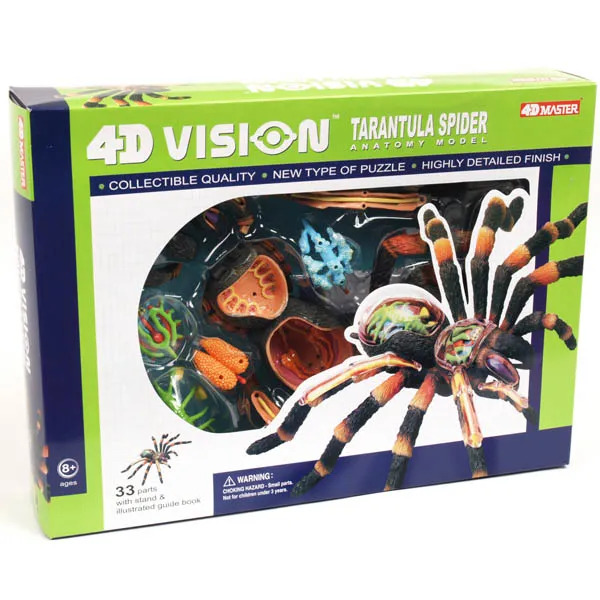
Anatomy models provide a tangible, hands-on way to learn about tarantula anatomy. These models, often designed with removable parts, allow you to explore the internal structures in three dimensions. You can physically manipulate the models, which can help solidify your understanding of how different parts fit together. Many models come with accompanying guides and labels, which provide detailed information about each part. Consider obtaining an anatomy model to enhance your learning experience. When using an anatomy model, compare it with diagrams and illustrations to reinforce your knowledge. Start by identifying the main regions and gradually work your way through the different structures. Disassembling and reassembling the model is a great way to test your knowledge and improve memory retention.
Anatomy Study Tips for Beginners

If you’re new to studying tarantula anatomy, here are some helpful tips. Start with the basics. Familiarize yourself with the key body regions and then gradually dive into the more complex details. Break down the material into smaller, manageable chunks. Studying a little bit each day is more effective than cramming. Use a variety of resources. Mix diagrams, videos, and anatomy models to enhance your understanding. Take notes as you learn. Writing down information can help you retain it more effectively. Test yourself regularly. Quizzes and self-tests can reveal areas where you need to focus. Don’t hesitate to ask questions. If you find something confusing, consult with experts or online forums. Be patient and persistent. Learning anatomy takes time and effort, so enjoy the process and celebrate your progress.