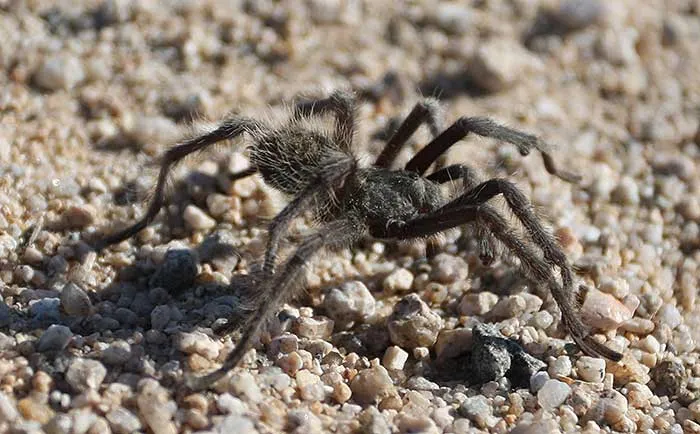
Understanding Tarantula Bites
Tarantulas, while often perceived as menacing, are generally not aggressive and prefer to avoid confrontation. However, when threatened or provoked, they may bite as a defense mechanism. A tarantula bite can be a distressing experience, and understanding what to do immediately is crucial. Unlike some spiders, tarantulas do not possess potent venom that poses an immediate threat to human life. However, their bite can cause localized pain, swelling, and discomfort. The severity of the reaction varies depending on the individual, the species of tarantula, and the amount of venom injected, if any. Knowing the proper first aid steps and when to seek medical attention can help mitigate the effects and ensure a full recovery. This guide provides essential information on how to respond effectively to a tarantula bite, covering immediate actions, long-term care, and preventative measures.
What Happens When a Tarantula Bites
When a tarantula bites, it uses its fangs to puncture the skin. The bite itself can be painful due to the size of the fangs and the mechanical injury to the tissue. The tarantula may also inject venom, although the amount and potency vary. The venom is not typically life-threatening to humans but can cause localized reactions. The immediate effects often include sharp pain, similar to a bee sting, redness, and swelling around the bite site. Some individuals may experience itching, burning, and muscle cramps. In rare cases, allergic reactions can occur, leading to more severe symptoms such as difficulty breathing or widespread hives. It is important to monitor the affected area and the individual for any signs of a severe reaction, and seek medical help if necessary.
Tarantula Venom and Its Effects

Tarantula venom is primarily composed of proteins and peptides. While it is not usually lethal to humans, it can cause a range of localized effects. The venom’s primary function is to subdue prey. In humans, the effects are generally mild, often causing pain, swelling, and itching at the bite site. The venom can also cause muscle cramps, particularly in the affected limb. Some individuals may experience more pronounced symptoms, such as nausea, vomiting, or headache, especially if the bite occurs on a sensitive area. Allergic reactions are possible, although rare. These can range from mild skin rashes to more severe symptoms like difficulty breathing. Most symptoms subside within a few hours or days. The severity of the reaction depends on the amount of venom injected, the individual’s sensitivity, and the specific tarantula species.
Immediate First Aid Steps
The first few minutes and hours following a tarantula bite are crucial for managing the immediate effects and preventing complications. Quick and appropriate action can significantly reduce discomfort and potential long-term issues. Begin by remaining calm, as panic can exacerbate the body’s stress response. The following steps should be performed as soon as possible after the bite to ensure the best outcome. Remember that prompt attention and following these steps can greatly influence the body’s response to the bite. This is the first line of defense and can minimize the severity of the reaction.
Assess the Situation
Before taking any action, it’s important to quickly assess the situation. Note the time of the bite and the location on the body. Observe the individual for any immediate symptoms such as difficulty breathing, swelling of the face or throat, or dizziness. These could indicate a more severe allergic reaction and require immediate medical attention. Identify the tarantula species, if possible, as this can help medical professionals determine the appropriate treatment. Assess the bite area for the presence of fang marks, redness, and swelling. This initial assessment helps determine the severity of the bite and guides subsequent first aid steps. If the individual shows any signs of a severe reaction, call emergency services immediately.
Clean the Wound

Thoroughly cleaning the wound is a critical step in preventing infection. Gently wash the bite area with mild soap and water. Ensure that all dirt and debris are removed. Avoid harsh chemicals or antiseptics, as these can irritate the skin. After washing, rinse the area well with clean water to remove any soap residue. Pat the area dry with a clean cloth or sterile gauze. Keeping the wound clean minimizes the risk of infection and allows the body to heal more effectively. Re-clean the wound several times a day, especially if it gets dirty or exposed to potential contaminants.
Pain Management
Tarantula bites can be painful, and effective pain management is essential for comfort and recovery. Apply a cold compress or ice pack to the bite area for 10-15 minutes at a time, several times a day. This can help reduce pain, swelling, and inflammation. Over-the-counter pain relievers, such as ibuprofen or acetaminophen, can also be used to alleviate pain. Follow the dosage instructions on the medication label carefully. Avoid aspirin, as it can thin the blood and increase the risk of bleeding. If the pain is severe or does not subside, consult a healthcare professional, who may prescribe stronger pain relief or recommend other treatments. It is important to be mindful of any adverse reactions to medications and seek medical advice if you experience any unusual symptoms.
What NOT to Do
Certain actions can worsen the effects of a tarantula bite or lead to complications. Avoid these practices to ensure the best possible outcome. It is important to be aware of what to avoid to prevent further harm and to promote proper healing. These guidelines help ensure safety and minimize any adverse reactions. Following these precautions can make a significant difference in the recovery process.
Things to Avoid After a Bite

Do not attempt to suck out the venom. This is ineffective and can potentially cause further harm. Avoid applying a tourniquet, as this can cut off blood flow and cause tissue damage. Do not use home remedies or unproven treatments without consulting a medical professional. Avoid scratching the bite area, as this can introduce bacteria and lead to infection. Refrain from applying heat to the bite area, as this can increase swelling and inflammation. Avoid strenuous activity or exercise, as this can increase blood flow and potentially spread the venom. Do not delay seeking medical attention if you experience severe symptoms or if the bite appears infected.
When to Seek Medical Attention
While most tarantula bites are not life-threatening, some situations require immediate medical attention. Recognizing when to seek professional help is crucial. Being prepared to get the necessary care can greatly improve outcomes. When in doubt, it is always better to err on the side of caution and consult a healthcare provider. Prompt medical intervention can make a critical difference in managing the situation and preventing severe outcomes.
Recognizing Serious Symptoms
Seek immediate medical attention if you experience severe symptoms such as difficulty breathing, swelling of the face or throat, dizziness, or loss of consciousness. These symptoms could indicate a serious allergic reaction called anaphylaxis, which requires emergency treatment. Other concerning symptoms include severe pain that does not subside with over-the-counter medications, widespread swelling or blistering, and signs of infection, such as increased redness, warmth, or pus at the bite site. If the bite occurs near the eyes or on the face, or if the individual has a history of allergies, it is prudent to seek medical advice promptly. Do not hesitate to call emergency services if you are uncertain or if the situation worsens.
Long-Term Care and Recovery

After the initial first aid and any necessary medical treatment, proper long-term care is essential for complete recovery. Focusing on wound care, monitoring for complications, and following medical advice can promote healing and prevent further issues. Consistent and attentive care can significantly aid in the recovery process and ensure the best possible outcome. These steps can contribute to a smoother and more comfortable recovery period.
Possible Complications
While rare, tarantula bites can sometimes lead to complications. Infection is a potential concern, especially if the wound is not cleaned properly or if the individual scratches the bite area. Signs of infection include increased redness, swelling, warmth, pus, and fever. In rare cases, allergic reactions can occur, leading to more severe symptoms. Some individuals may experience persistent pain or nerve damage at the bite site. If any complications arise, such as signs of infection or persistent symptoms, seek immediate medical attention. Proper wound care and medical follow-up can help manage these potential complications.
Preventing Tarantula Bites
Preventing tarantula bites is the best way to avoid the discomfort and potential complications. Implementing these preventive measures can greatly reduce the risk of being bitten. Being proactive in your approach to safety and knowing how to handle tarantulas is essential. These practices are crucial for ensuring a safe environment and minimizing the risk of a tarantula bite.
Safe Handling Practices

If you handle tarantulas, always do so with caution and proper protective gear. Wear gloves to protect your hands from bites and urticating hairs. Handle the tarantula over a soft surface, such as a bed or a container, to minimize the risk of injury if it falls. Avoid sudden movements or actions that might startle the tarantula. Never handle a tarantula if you are unsure of its temperament. Regularly inspect the tarantula’s enclosure to ensure it is secure and free from potential escape routes.
Creating a Safe Environment
When keeping tarantulas as pets, create a safe and secure environment. Properly secure the enclosure with a tight-fitting lid. Place the enclosure in a location where it is unlikely to be disturbed or knocked over. Educate yourself about the specific species of tarantula and its behavior. Avoid overcrowding the enclosure, as this can increase stress and the likelihood of aggressive behavior. Keep the enclosure clean and provide appropriate substrate and environmental conditions. Supervise children and pets around tarantulas, and educate them about the importance of respecting the tarantula’s space. By taking these steps, you can minimize the risk of bites and create a safe and enjoyable environment for both yourself and your tarantula.