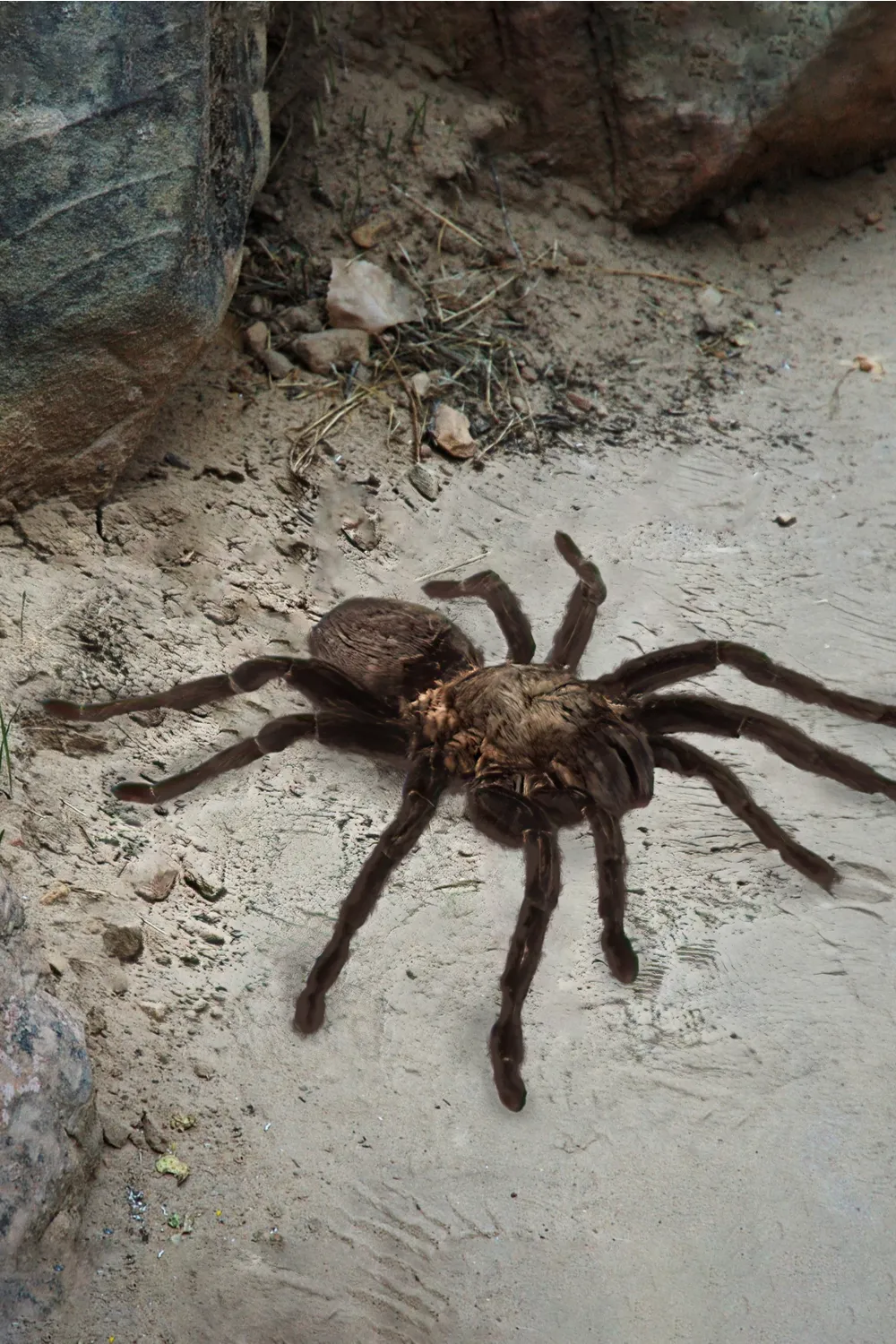
Understanding Tarantula Bites
Tarantulas, while often feared, are generally not aggressive creatures. However, tarantula bites can occur, usually as a defensive reaction if the spider feels threatened. Understanding the nature of these bites is crucial for anyone living in or visiting areas where tarantulas are found, especially in Italy. The venom of most tarantula species is not considered highly dangerous to humans, but it can cause varying degrees of discomfort. The severity of the reaction to a tarantula bite depends on several factors, including the species of the tarantula, the amount of venom injected, and the individual’s sensitivity. While most bites are comparable to a bee sting, it’s important to know how to identify the local species and what to do if you are bitten.
Identifying Tarantula Species in Italy
Accurately identifying the species of tarantula is the first step in assessing the potential severity of a bite. Knowing the characteristics of the tarantulas that inhabit Italy can help you recognize them. This knowledge is vital for both prevention and appropriate response. Identifying the species can also assist medical professionals in providing the best possible treatment. While the visual appearance, size, and behavior of a tarantula can offer clues, consulting with local experts or referencing reliable field guides will provide the most accurate identification. Being able to differentiate between various species will also help you understand their specific venom potency and the potential risks associated with their bites. Accurate identification greatly enhances the effectiveness of any first aid or medical intervention that may be necessary.
Common Italian Tarantula Species

Italy is home to several species of tarantulas, each with its own unique characteristics. The most common species include the Lycosa tarantula, which is often referred to as the European tarantula, and other related species within the Lycosidae family. These spiders are typically large, hairy, and can vary in color depending on the environment. The Lycosa tarantula, for example, tends to be brown with distinctive markings. Understanding the common characteristics of these species will help you distinguish them from other spiders. Keep in mind that tarantula appearances can sometimes be deceptive, and different species may have similar features. Therefore, direct, hands-on encounters should be avoided. Furthermore, their size and appearance often create a sense of fear, but knowing more about them reduces unnecessary anxiety. Always rely on reliable sources for accurate identification.
Where Tarantulas Live in Italy
Tarantulas in Italy typically reside in specific habitats, often dictated by their environmental preferences and the availability of prey. These habitats can include grasslands, meadows, scrublands, and even agricultural areas. They are often found in burrows in the ground, under rocks, or in other sheltered locations. The regions of Italy where tarantulas are most commonly found are generally in the warmer, southern parts of the country, though some species have been observed in other regions as well. Knowing where these spiders live is crucial for avoiding encounters and minimizing the risk of bites. During outdoor activities, be aware of their potential presence. While these spiders can be found in various environments, they often prefer drier, sunnier locales. Being knowledgeable about their favored territories will also improve your ability to remain safe. Observing and respecting their habitats is the initial step toward minimizing the possibility of an incident.
Symptoms of a Tarantula Bite
The symptoms of a tarantula bite can vary depending on the species, the amount of venom injected, and individual sensitivity. In most cases, the bite is similar to a bee sting, causing localized pain, redness, and swelling at the bite site. Other common symptoms include itching, muscle cramps, and, in some cases, a mild fever. However, more severe reactions are rare but possible, especially in individuals with allergies. It is crucial to monitor the symptoms and note any changes that may indicate a more serious reaction. Being familiar with potential signs of a bite enables rapid response. It also assists in effectively communicating with medical professionals. Immediate recognition of symptoms also provides insights into the necessity and nature of treatment, thus influencing overall safety.
Immediate Reactions and Symptoms

The immediate reactions to a tarantula bite typically involve localized discomfort around the bite site. Expect some level of pain, ranging from mild to moderate, and often described as a sharp or burning sensation. Redness and swelling are also common, as the body begins to react to the venom. In addition to these visual symptoms, other effects might include itching, a tingling sensation, and mild muscle cramping near the bite. It is very important to note that not everyone reacts in the same way. Some individuals may experience very minor symptoms, while others could have more pronounced reactions. Monitoring for any changes or the onset of more severe signs is essential. Quick recognition and evaluation of immediate signs will also help you take the appropriate first aid measures. This aids in effectively managing the immediate responses, thereby promoting a more prompt recovery.
Allergic Reactions to Tarantula Bites
Though rare, allergic reactions to tarantula bites can occur. These reactions can range from mild to severe and necessitate immediate medical attention. Symptoms of an allergic reaction can include difficulty breathing, swelling of the face or throat, hives, dizziness, and rapid heartbeat. Anaphylaxis, a severe and potentially life-threatening allergic reaction, is also a possibility. Recognizing the signs of an allergic reaction is critical for ensuring swift medical care. Any difficulty breathing or swallowing, swelling of the tongue, or loss of consciousness requires immediate intervention. If you suspect an allergic reaction, call for emergency medical assistance immediately. If the individual has a known allergy, they should have access to an epinephrine auto-injector (EpiPen) and know how to use it. Taking prompt action can save a life.
First Aid for Tarantula Bites
Providing first aid for a tarantula bite can help to alleviate symptoms and prevent complications. The initial steps are similar to those for any insect bite or sting. Remaining calm and reassuring the individual is the first step, as anxiety can worsen the physical effects. The primary goal is to minimize the discomfort and, if possible, the spread of the venom. Proper first aid can significantly improve the individual’s experience. This is especially true when dealing with less dangerous tarantula species. Proper care can reduce the chances of secondary infections or other complications. The steps taken can help to prevent any potential adverse effects. First aid may sometimes prevent the need for more intensive medical interventions. In this situation, time is of the essence, so appropriate and immediate action is of the utmost importance.
Step-by-Step First Aid Procedures

- Stay Calm and Move Away: The first step is to stay calm and move the person to a safe location away from the tarantula. Assess the situation and ensure that the spider is no longer a threat. 2. Clean the Wound: Gently wash the bite area with mild soap and water to prevent infection. Avoid harsh scrubbing. 3. Apply a Cold Compress: Applying a cold compress or ice pack to the bite area can help reduce pain, swelling, and itching. Apply it for 10-20 minutes at a time. 4. Elevate the Affected Limb: If the bite is on a limb, elevate it to help reduce swelling. 5. Administer Pain Relief: Over-the-counter pain relievers, such as ibuprofen or acetaminophen, can help alleviate pain. Follow the recommended dosage. 6. Monitor for Symptoms: Closely monitor the person for any signs of an allergic reaction or worsening symptoms. Note any changes and seek medical attention immediately if needed. 7. Seek Medical Advice: Even if the symptoms are mild, it is advisable to consult a doctor or seek medical advice. This will help ensure there are no long-term concerns.
When to Seek Medical Attention
In many instances, a tarantula bite will only cause minor symptoms that can be managed with home care. However, there are certain situations that warrant immediate medical attention. If the individual develops any signs of an allergic reaction, such as difficulty breathing, swelling of the face or throat, or hives, seek emergency medical assistance immediately. If the symptoms worsen or do not improve within a day or two, consult a doctor. If you are unsure of the tarantula species, seeking medical advice is always prudent. It can also be a good idea if you notice any signs of infection, such as increased pain, redness, swelling, or pus at the bite site. A medical professional can provide a diagnosis, prescribe appropriate medications, and manage any potential complications. Don’t hesitate to get professional help when in doubt, especially in circumstances involving children, the elderly, or individuals with underlying health conditions.
Preventing Tarantula Bites in Italy
Prevention is always the best approach when it comes to tarantula bites. By taking the necessary precautions, you can significantly reduce your risk of an encounter. It is important to be mindful of your surroundings, especially in areas where tarantulas are known to inhabit. Several preventative measures can be easily incorporated into your daily activities to safeguard against potential bites. These measures not only protect you from harm, but also promote a more informed and respectful interaction with nature. The ability to minimize danger is especially useful if you visit, reside in, or simply enjoy outdoor activities in Italy. Always prioritize safety and awareness. These elements go hand-in-hand with a great outdoor experience.
Avoiding Tarantula Habitats

The best way to prevent a tarantula bite is to avoid their habitats whenever possible. If you know where tarantulas are commonly found, you can take extra care to avoid those areas. This includes grasslands, meadows, scrublands, and areas with rocks and loose soil. Wear appropriate footwear and clothing when walking in these environments. Avoid putting your hands or feet into places you cannot see, such as under rocks or in holes. Always be mindful of where you are stepping or reaching, particularly in rural or wilderness settings. Respect the natural environment and avoid disturbing or provoking any potential tarantulas you may encounter. This will lower the chance of accidental confrontations and bites. Furthermore, it will also increase your awareness of the wildlife. Always remain vigilant and cautious. These actions can help to protect you and help preserve these creatures’ natural habitats.
Safety Measures During Outdoor Activities
When participating in outdoor activities in Italy, there are several safety measures you can take to minimize the risk of tarantula bites. Always wear long sleeves and pants when hiking or exploring areas where tarantulas might be present. Wear sturdy, closed-toe shoes to protect your feet and ankles. Use insect repellent containing DEET or picaridin, as it may help deter tarantulas. Be cautious when setting up camp or sitting on the ground. Inspect your surroundings for tarantulas before settling down. Do not handle or disturb any tarantulas you encounter. Teach children about the importance of respecting wildlife and avoiding contact with spiders. If you are working in your garden, wear gloves and be cautious when digging or moving rocks and debris. By implementing these safety measures, you can enjoy outdoor activities while minimizing the risks associated with tarantulas and other wildlife. Staying informed and prepared is the most effective defense against potential bites. Enjoy your time outdoors in Italy safely and with peace of mind.